Photo: Polina Tankilevitch / Pexels
Latin-American
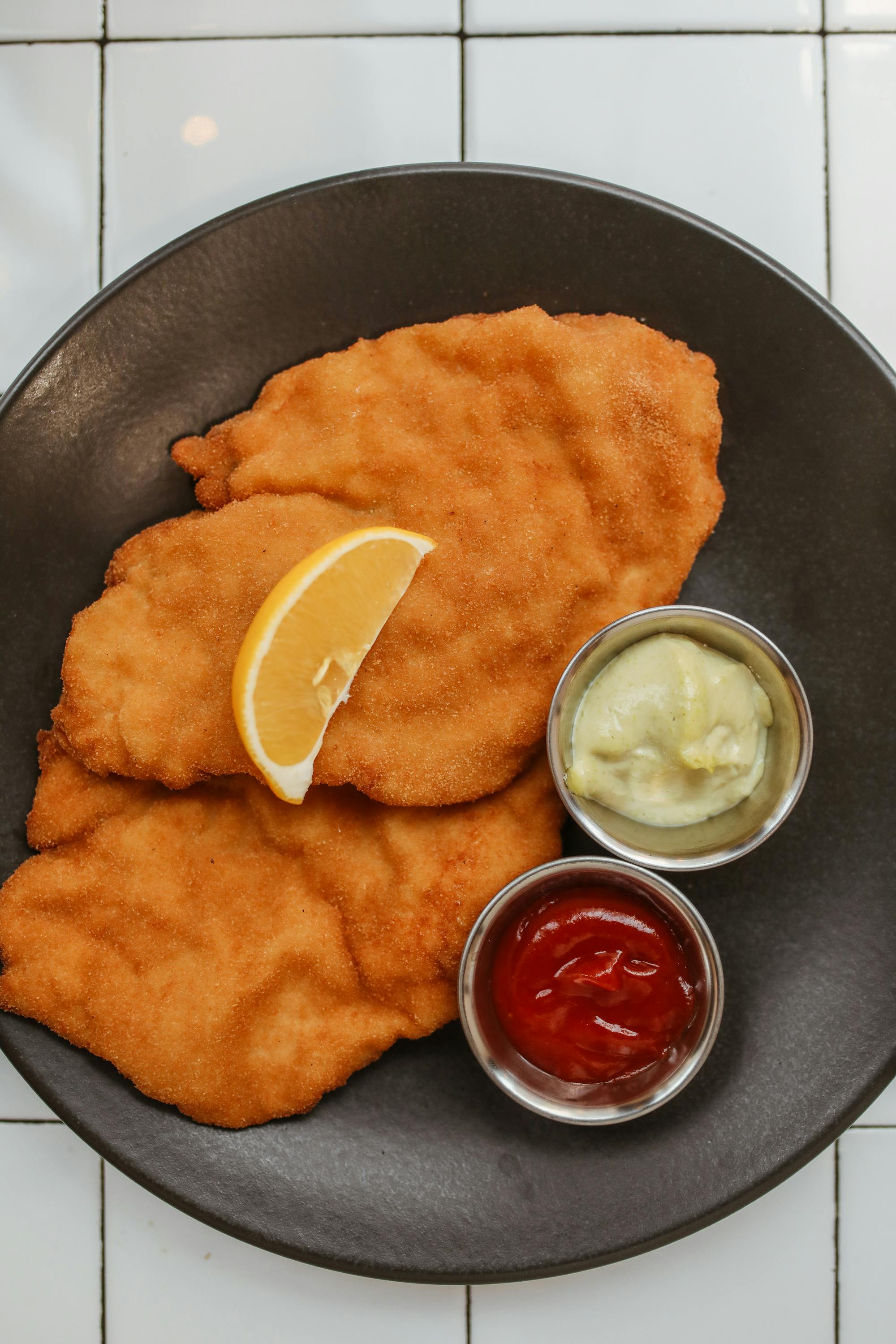
Milanesa
The diets react (see scores below)
Common Ingredients
- beef cutlet
- eggs
- breadcrumbs
- garlic
- parsley
- lemon
- potatoes
- flour
Specific recipes may vary.
Incompatible with 7 of 11 diets
Diet Ratings
Milanesa is fundamentally incompatible with a ketogenic diet in its traditional form. The dish relies on two major keto-breaking components: breadcrumbs (used for the breaded coating) and flour (used for dredging), both of which are high-carb grain products that alone can exceed a full day's net carb allowance. The typical serving of breadcrumbs adds roughly 15-20g of net carbs just from the coating. Additionally, the dish is commonly served with potatoes, a starchy vegetable that adds another 25-35g of net carbs per serving. Combined, a standard Milanesa plate can easily deliver 50-70g of net carbs, blowing well past the ketogenic threshold. The protein base (beef or chicken cutlet) and flavorings (garlic, parsley, lemon, eggs) are keto-friendly, but the preparation method as a whole is not. A keto adaptation using pork rind crumbs or almond flour instead of breadcrumbs and flour, and substituting a low-carb side, would change the verdict entirely — but the traditional dish as described is a clear avoid.
Milanesa as traditionally prepared contains multiple animal products that are clearly incompatible with a vegan diet. The dish's primary protein is a beef cutlet (animal flesh), and eggs are used as a binding agent in the breading process. Both ingredients are direct animal products, making this dish entirely off-limits for vegans. While garlic, parsley, lemon, potatoes, flour, and breadcrumbs are plant-based, the core animal ingredients (beef and eggs) are non-negotiable disqualifiers. There is no meaningful debate within the vegan community about this dish in its traditional form.
Milanesa is fundamentally incompatible with the paleo diet in its traditional form. The dish relies on two core non-paleo ingredients: breadcrumbs (a grain-based coating) and flour (used for dredging), both of which are explicitly excluded from the paleo framework. These are not minor or trace ingredients — they are structural to the dish's identity. The potatoes are a gray area (debated in paleo), and the remaining ingredients — beef cutlet, eggs, garlic, parsley, and lemon — are fully paleo-approved. However, the grain-based breading is non-negotiable to the dish and cannot be omitted without fundamentally changing what a Milanesa is. Frying in unspecified oil also raises concern, as seed oils are commonly used. The dish as traditionally prepared must be avoided.
Milanesa with beef is a poor fit for the Mediterranean diet. The primary protein is a breaded, pan-fried or deep-fried beef cutlet, which combines two problematic elements: red meat (limited to a few times per month) and refined grain breading (breadcrumbs and flour), which is exactly the kind of processed, refined grain preparation the diet discourages. Frying in oil other than extra virgin olive oil compounds the issue. The side of potatoes adds starchy refined carbohydrates with limited nutritional benefit. While garlic, parsley, and lemon are Mediterranean-friendly aromatics, they do not redeem the overall profile. A chicken milanesa would score marginally better (chicken is a 'caution' protein), but the breading, frying method, and refined flour coating remain problematic regardless of the protein choice.
If prepared with chicken instead of beef and shallow-fried in extra virgin olive oil, some Mediterranean diet practitioners might accept this occasionally as it shares structural similarities with Italian cotoletta, a dish from regions geographically adjacent to the Mediterranean. The garlic, parsley, and lemon components are classically Mediterranean.
Milanesa is fundamentally incompatible with the carnivore diet. While the base protein (beef cutlet) is carnivore-approved, the dish is defined by its breaded coating — breadcrumbs and flour are grain-based plant foods explicitly excluded from the carnivore diet. Additional disqualifying ingredients include garlic (plant), parsley (plant herb), lemon (fruit), and potatoes (starchy plant/side). The eggs are carnivore-compliant, but they function here as a binder for the breading rather than a standalone food. The dish as prepared is essentially a grain-coated, plant-seasoned meat — the majority of its defining ingredients violate carnivore principles. A carnivore adaptation would require stripping the dish down to just the plain beef cutlet, making it an entirely different preparation.
Milanesa is a breaded and fried cutlet — a dish that is fundamentally incompatible with Whole30 for two compounding reasons. First, breadcrumbs are made from wheat/grain-based bread, which is explicitly excluded on Whole30. Second, flour (typically wheat flour) used in the dredging process is also an excluded grain. Together, these two ingredients place the dish firmly in the 'avoid' category. Additionally, even if grain-free alternatives were substituted, the breaded-and-fried format closely resembles a recreated comfort/junk food (a breaded schnitzel-style dish), which the program discourages. The remaining ingredients — beef cutlet, eggs, garlic, parsley, lemon, and potatoes — are all individually Whole30-compliant, but the core preparation method relies on excluded grains.
Milanesa as traditionally prepared contains two major high-FODMAP ingredients: garlic and wheat-based breadcrumbs (plus flour for dredging). Garlic is one of the highest-fructan foods and must be avoided entirely during the elimination phase — even small amounts used in the egg wash or coating are problematic. Standard breadcrumbs are made from wheat bread, which is high in fructans, and wheat flour is used for dredging, compounding the fructan load. The beef or chicken itself is fine (protein, no FODMAPs), eggs are low-FODMAP, parsley is low-FODMAP, lemon juice is low-FODMAP, and plain boiled or roasted potatoes are low-FODMAP. However, the combination of garlic + wheat breadcrumbs + wheat flour makes the dish as traditionally prepared clearly high-FODMAP and unsuitable during the elimination phase. A modified version using gluten-free breadcrumbs, gluten-free flour, and omitting garlic (or substituting garlic-infused oil) would make this dish low-FODMAP-compliant.
Milanesa is a breaded and typically fried cutlet (beef or chicken) that presents mixed compatibility with the DASH diet. The core protein (beef or chicken) can be DASH-friendly when lean, and ingredients like garlic, parsley, and lemon are excellent additions. However, the dish is commonly pan-fried or deep-fried in oil, which adds significant total fat and potentially saturated fat. The breading (flour and breadcrumbs) adds refined carbohydrates and, critically, breadcrumbs are often salted and can contribute meaningful sodium — a standard breaded cutlet preparation may easily reach 400–700mg sodium per serving before any added salt. Beef milanesa specifically may use fattier cuts, adding saturated fat concerns. Potatoes as a side are moderate on the DASH scale (good potassium, but often fried or salted). A baked or air-fried chicken milanesa using low-sodium breadcrumbs would score considerably higher (6–7), approaching approvable territory. As commonly prepared (fried, standard breadcrumbs, beef), this is a caution-level dish requiring significant modifications to fit DASH principles well.
NIH DASH guidelines emphasize limiting sodium and saturated fat, which a typical fried milanesa may exceed; however, updated clinical interpretations note that a baked chicken milanesa with low-sodium breadcrumbs, lean protein, and portion control can fit comfortably within DASH targets, making the verdict preparation-dependent rather than categorically negative.
Milanesa is a breaded and fried (or oven-baked) cutlet that presents several Zone challenges. The protein component (beef or chicken cutlet) is fundamentally solid — lean chicken milanesa would be an approvable protein source, while beef adds some saturated fat concern. The bigger issues are the coating and the side dish. Breadcrumbs and flour create a high-glycemic carbohydrate shell that adds refined carbs with minimal fiber, making block-counting difficult and pushing the carb contribution toward 'unfavorable' Zone territory. The traditional accompaniment of potatoes is a high-glycemic carb explicitly discouraged in Zone methodology. Eggs in the coating are fine. Garlic, parsley, and lemon are Zone-friendly. If prepared as chicken milanesa (oven-baked, not deep-fried), served without potatoes and instead with a large portion of non-starchy vegetables, and with the breading minimized, the dish becomes more Zone-compatible. In its traditional form with potatoes and deep-frying, the fat profile becomes problematic (omega-6-heavy frying oils, saturated fat) and the carbohydrate load is poorly structured. The dish is not impossible to work into a Zone meal with modifications, but as traditionally prepared it misses the 40/30/30 ratio in unfavorable ways.
Some Zone practitioners would note that if chicken is used instead of beef, the breading is light and oven-baked, and potatoes are replaced with low-GI vegetables, the dish can approximate Zone ratios reasonably well. Sears' later writings (Toxic Fat, The Mediterranean Zone) are somewhat more permissive about whole-food carb sources and acknowledge that context matters — a thin breadcrumb coating on lean chicken with olive oil is meaningfully different from deep-fried beef with chips. This contextual flexibility could push the score toward 5-6 for a modified version.
Milanesa is a breaded, pan-fried or deep-fried cutlet (beef or chicken) that presents a mixed anti-inflammatory profile. On the positive side, it includes garlic and parsley (both anti-inflammatory herbs), lemon (vitamin C, antioxidants), and eggs (choline, selenium — though mixed in the literature). Chicken milanesa would be moderately better than beef, as lean poultry is in the 'moderate' category while red meat is in the 'limit' category. However, the dish has several concerning elements: (1) Breadcrumbs and flour introduce refined carbohydrates, which are generally limited in anti-inflammatory frameworks. (2) The frying process typically involves seed oils (sunflower, canola, or vegetable oil) that are high in omega-6 fatty acids — a concern shared by most anti-inflammatory protocols, even if mainstream nutrition considers some of these acceptable. (3) The high-heat frying of breaded meat can generate advanced glycation end-products (AGEs), which are linked to increased inflammatory markers. (4) Potatoes as a side are neutral-to-moderate on the anti-inflammatory scale — starchy but whole and containing some potassium and vitamin C, though frying them would worsen the profile. The dish is not inherently toxic or highly processed, but its preparation method and refined carbohydrate content make it a poor fit for an anti-inflammatory lifestyle as a regular meal. Occasional consumption, especially if baked rather than fried and made with chicken, would be more acceptable.
Most anti-inflammatory practitioners would flag the frying oil and refined breadcrumbs as problematic. However, if baked using extra virgin olive oil and whole-grain breadcrumbs, some integrative nutrition experts (in line with Dr. Weil's more flexible pyramid) might view a chicken milanesa as an acceptable moderate meal given its protein quality and anti-inflammatory seasonings. The beef version with conventional frying would draw more uniform concern.
Milanesa is a breaded and pan-fried (or oven-baked) cutlet, most commonly made with beef or chicken. The protein base is solid — a lean chicken or thin beef cutlet provides 25-35g of protein per serving — but the breadcrumb coating adds refined carbohydrates with low fiber and minimal nutritional value. The traditional preparation involves shallow or deep frying in oil, which significantly increases fat content and can worsen GLP-1 side effects including nausea, bloating, and delayed gastric emptying. The flour and breadcrumb coating also contribute to a heavier, harder-to-digest profile. The accompanying potatoes (typically fried or mashed with butter) add refined starch and fat with limited fiber or nutrient density. An oven-baked version with chicken breast, minimal oil, and a side of vegetables instead of potatoes would score considerably higher (6-7), making preparation method the key variable here. The dish is rated on its typical traditional preparation.
Some GLP-1-focused dietitians consider a baked chicken milanesa a practical, culturally appropriate high-protein option and would rate it more favorably, arguing that the breadcrumb coating is a modest amount of refined carbs in an otherwise protein-forward meal. The disagreement centers on whether preparation method flexibility justifies a more lenient rating versus evaluating the traditional fried version as presented.
*See how scores were generated at our methodology page.
Nutritional profile
Six traits that cut across every diet.
Fiber & Plants
How much whole-plant food and fiber it delivers.
Healthy Fats
The quality of its fats (unsaturated, omega-3).
Whole / Unprocessed
How close it is to its natural, unprocessed form.
Gut Gentle
How easy it is on digestion (low FODMAP, few irritants).
Low Glycemic
How little it spikes your blood sugar.
Protein Density
How much protein it packs per calorie.
Controversy Index
Higher controversy = more disagreement between diets.
Diet-Specific Tips
 DASH — 4/10
View tips
- Typically fried — adds significant total and potentially saturated fat
- Breadcrumbs often contain added sodium, raising per-serving sodium load
- Beef version may use cuts with higher saturated fat content
- Chicken version with lean breast is more DASH-compatible
- Garlic, parsley, and lemon are DASH-positive ingredients
- Potatoes provide beneficial potassium but are often prepared with added sodium
- Baking or air-frying with low-sodium breadcrumbs significantly improves DASH compatibility
- Portion size critical — a large cutlet may exceed recommended red meat limits
 Zone — 4/10
View tips
- Breadcrumbs and flour coating are refined, high-glycemic carbohydrates — 'unfavorable' in Zone terminology
- Traditional potato accompaniment is explicitly discouraged in Zone (high-glycemic)
- Beef cutlet adds saturated fat; chicken milanesa is significantly more Zone-compatible
- Deep-frying introduces omega-6-heavy seed oils, conflicting with Zone's anti-inflammatory principles
- Eggs, garlic, parsley, and lemon are Zone-neutral or favorable ingredients
- Oven-baked chicken version with non-starchy vegetable side would substantially improve Zone compatibility
- Protein portion can be well-controlled as a Zone block if cutlet size is appropriate (~85-100g)
- Dish requires significant modification to hit 40/30/30 macronutrient ratio
 Anti-Inflammatory — 4/10
View tips
- Beef protein is in the 'limit' category; chicken is moderately better as lean poultry
- Refined breadcrumbs and flour add pro-inflammatory refined carbohydrates
- Frying in seed/vegetable oils increases omega-6 load and generates oxidized lipids
- High-heat frying promotes formation of AGEs linked to inflammatory markers
- Garlic and parsley are anti-inflammatory herbs that add modest benefit
- Lemon provides vitamin C and antioxidants
- Baking instead of frying would significantly improve the anti-inflammatory profile
- Potatoes are neutral-to-moderate; frying them would worsen the overall dish profile
 GLP-1 Friendly — 4/10
View tips
- Traditional preparation involves frying, significantly increasing fat content and GLP-1 side effect risk
- Beef version adds saturated fat concern on top of frying; chicken version is meaningfully leaner
- Breadcrumb and flour coating adds refined carbs with negligible fiber
- Protein content is a genuine strength — 25-35g per serving supports GLP-1 protein targets
- Potatoes as a typical side contribute refined starch and additional fat if fried
- Oven-baked preparation with chicken would substantially improve the rating
- Heavy, fried coating slows digestion further on top of GLP-1-induced gastric slowing
- Portion sensitivity: a full traditional milanesa with potatoes may exceed comfortable stomach capacity on GLP-1s