Mediterranean
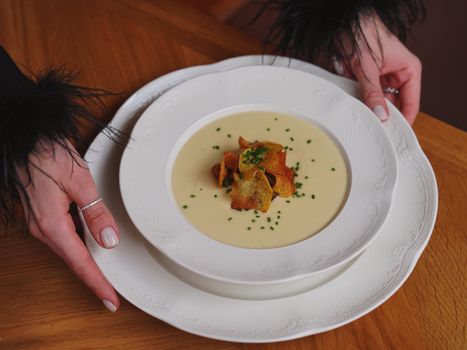
Avgolemono Soup
The diets react (see scores below)
Common Ingredients
- chicken
- orzo
- eggs
- lemon juice
- chicken broth
- dill
- salt
- white pepper
Specific recipes may vary.
Incompatible with 5 of 11 diets
Diet Ratings
Avgolemono soup is fundamentally incompatible with a ketogenic diet due to its primary carbohydrate source: orzo pasta. Orzo is a grain-based pasta that adds roughly 15-20g of net carbs per small serving (about 1/4 cup dry), and a typical bowl of avgolemono contains enough orzo to easily push net carbs to 25-40g or more — potentially exhausting or exceeding the entire daily keto carb budget in one dish. The lemon juice contributes a small additional carb load (~3-4g per 2 tbsp). The remaining ingredients — chicken, eggs, chicken broth, dill, salt, and white pepper — are all keto-friendly, but they cannot offset the grain content. There is no practical portion size of traditional avgolemono that makes it keto-safe.
Avgolemono soup contains multiple animal products that are strictly excluded from a vegan diet. Chicken (poultry/meat) and chicken broth (animal-derived stock) are direct animal flesh and its by-products. Eggs are an animal product universally excluded by all major vegan organizations. There is no ambiguity here — this dish is fundamentally built around animal ingredients and is entirely incompatible with a vegan diet.
Avgolemono soup is disqualified from a paleo perspective primarily due to orzo, which is a wheat-based pasta and therefore a grain. Grains are among the most clearly excluded food categories in the paleo diet, with strong consensus across all major paleo authorities. Additionally, salt is listed as an ingredient, which is excluded under strict paleo rules. The remaining ingredients — chicken, eggs, lemon juice, chicken broth, and dill — are all paleo-approved, and white pepper is acceptable as a spice. However, the orzo alone is sufficient to place this dish firmly in the 'avoid' category.
Avgolemono is a classic Greek soup that sits comfortably within Mediterranean dietary traditions. Chicken is an acceptable moderate protein (poultry is allowed a few times per week), eggs provide additional protein and healthy fats in moderate amounts, and lemon juice, dill, and broth are wholesome, minimally processed ingredients. The main consideration is orzo, a refined grain pasta, which is less ideal than whole-grain alternatives. However, the portion of orzo in a soup is typically small, and the overall dish is light, nutrient-dense, and low in saturated fat. This is a traditional Greek dish with deep cultural roots in Mediterranean eating, making it broadly acceptable despite the refined grain content.
Some modern Mediterranean diet clinicians would flag the refined orzo as a concern and recommend substituting whole-grain pasta or rice; however, traditional Greek culinary practice has long included white pasta and rice in moderate portions within an otherwise plant-forward diet, and many Mediterranean diet authorities consider such traditional dishes acceptable as written.
Avgolemono soup contains multiple plant-derived ingredients that disqualify it from the carnivore diet. Orzo is a grain (pasta), which is entirely excluded. Lemon juice is a fruit product, also excluded. Dill and white pepper are plant-based spices, excluded on strict carnivore. The carnivore-compatible components — chicken, eggs, chicken broth, and salt — are entirely overshadowed by the disqualifying plant ingredients. This dish cannot be adapted to carnivore without fundamentally changing its character.
Avgolemono soup contains orzo, which is a grain-based pasta made from wheat. Grains — including wheat and all wheat-derived products — are explicitly excluded on the Whole30 for the full 30 days. All other ingredients (chicken, eggs, lemon juice, chicken broth, dill, salt, white pepper) are individually Whole30-compliant, but the presence of orzo makes this dish non-compliant as traditionally prepared.
Avgolemono soup is largely low-FODMAP in concept, but the critical issue is orzo. Orzo is a wheat-based pasta, making it high in fructans. A typical serving of orzo (around 100g cooked) is well above the Monash-tested low-FODMAP threshold for wheat pasta (approximately 74g cooked for plain wheat pasta, and even that is a borderline 'caution' serving). The remaining ingredients are generally safe: plain chicken breast is low-FODMAP, eggs are low-FODMAP, lemon juice is low-FODMAP at standard amounts (up to 125ml), homemade or certified-low-FODMAP chicken broth is fine (commercial broths with onion/garlic are a risk), fresh dill is low-FODMAP, and salt and white pepper are low-FODMAP. The dish can be made low-FODMAP by substituting orzo with a certified gluten-free or rice-based pasta alternative. As traditionally prepared with wheat orzo, it warrants caution due to fructan load. Additionally, store-bought or restaurant chicken broth frequently contains onion and garlic, adding further FODMAP risk.
Monash University rates small portions of wheat pasta as moderate rather than high-FODMAP, so some FODMAP practitioners may permit a very small orzo serving (e.g., 45g dry) in this soup. However, most elimination-phase dietitians advise substituting wheat-based pasta entirely to avoid fructan accumulation, particularly in a soup where portions are difficult to control.
Avgolemono soup contains several DASH-friendly ingredients — lean chicken, lemon juice, eggs, and dill — but has notable concerns. Chicken broth is typically high in sodium (standard commercial broth can contribute 800–1,000mg+ per serving), which conflicts directly with DASH sodium limits (<2,300mg/day standard, <1,500mg low-sodium). Orzo is a refined grain rather than a whole grain, which DASH de-emphasizes. Eggs add dietary cholesterol, an area of evolving guidance. On the positive side, chicken is a lean protein, lemon juice and dill add flavor without sodium, and there is no saturated fat concern. With low-sodium broth and moderate portion size, this soup can fit within DASH guidelines reasonably well, but as typically prepared it warrants caution due to sodium load.
NIH DASH guidelines explicitly limit sodium and favor whole grains, making standard avgolemono a marginal choice. However, updated clinical interpretations note that home-prepared versions using low-sodium broth and whole-grain orzo or rice can align well with DASH principles, and the 2020-2025 Dietary Guidelines' removal of a strict cholesterol cap reduces concern about the egg component for most individuals.
Avgolemono soup contains mostly Zone-friendly components but requires portioning attention due to the orzo. Chicken provides lean protein that fits the Zone protein block well. Eggs contribute both protein and some fat, supporting the 30% protein and fat targets. Lemon juice and broth are essentially free foods in Zone terms. Dill adds polyphenols. The main concern is orzo, a refined white pasta that is an 'unfavorable' high-glycemic carbohydrate in Zone terminology — it counts quickly toward carb blocks and can spike insulin. However, in traditional recipes orzo is used in relatively modest quantities in the soup, which dilutes its glycemic impact somewhat. The dish lacks significant fat, so a monounsaturated fat source (a drizzle of olive oil or some avocado on the side) would be needed to round out the 30% fat target. With careful portioning — a small orzo amount, generous chicken, and added olive oil — this soup can fit into a Zone meal, but the unfavorable carb source prevents a full approval.
Some Zone practitioners following Sears' later anti-inflammatory writings would note that the egg yolks provide some arachidonic acid, which Sears flags as pro-inflammatory in excess, slightly lowering the appeal. Conversely, others argue that the lemon juice and dill polyphenols, along with the moderate overall carb load typical of restaurant-sized portions, make this more Zone-compatible than a strict 'unfavorable carb' label implies. Substituting whole grain or chickpea-based orzo, or reducing the orzo and adding more vegetables, would push this closer to a Zone-approved dish.
Avgolemono is a traditional Greek egg-lemon soup that sits in the 'caution' zone with a moderately favorable anti-inflammatory profile. On the positive side: lemon juice provides vitamin C and flavonoids that support antioxidant activity; eggs contribute choline, selenium, and lutein with some anti-inflammatory properties; chicken is a lean protein (moderate tier in anti-inflammatory frameworks); dill is an anti-inflammatory herb containing monoterpenes and flavonoids; and homemade chicken broth offers collagen and minerals. The orzo (refined pasta) is the main anti-inflammatory liability — it's a refined carbohydrate with little fiber, causing glycemic spikes that can promote inflammatory signaling. If substituted with whole grain pasta or brown rice, the score would rise. The egg component introduces the arachidonic acid debate (see dissenting view). Overall, this is a wholesome, minimally processed, herb-forward soup that compares favorably to most comfort foods, but the refined grain base and egg ambiguity keep it from a full approval. Prepared with whole grain orzo or rice, this would likely score 7.
Eggs are a point of meaningful disagreement: some anti-inflammatory practitioners flag their arachidonic acid content as potentially pro-inflammatory, while others (including Dr. Weil's updated guidance) consider whole eggs acceptable given their nutrient density (choline, selenium, lutein). The broader soup is unambiguously better than most alternatives, but the refined orzo is a clear weak point that mainstream anti-inflammatory nutrition (Dr. Weil's pyramid, IF Rating system) would flag.
Avgolemono soup is an excellent GLP-1 companion dish. Shredded chicken breast provides lean, high-quality protein in a small-volume, easy-to-eat format. Eggs contribute additional protein and healthy unsaturated fats while acting as the natural thickener, avoiding heavy cream or butter. The broth base means high water content, directly supporting hydration — critical given reduced thirst sensation on GLP-1 medications. Orzo adds modest carbohydrates and some fiber, though it is a refined grain; the portion is typically small relative to the overall dish. Lemon juice brightens flavor without adding fat or sugar. The soup is warm, soft, and gentle on the stomach — ideal for patients experiencing nausea or slowed gastric emptying. White pepper is mild and unlikely to trigger reflux. Dill is a non-irritating herb. Overall, this is a nutrient-dense, protein-forward, hydrating, easily digestible meal that works well in small servings.
*See how scores were generated at our methodology page.
Nutritional profile
Six traits that cut across every diet.
Fiber & Plants
How much whole-plant food and fiber it delivers.
Healthy Fats
The quality of its fats (unsaturated, omega-3).
Whole / Unprocessed
How close it is to its natural, unprocessed form.
Gut Gentle
How easy it is on digestion (low FODMAP, few irritants).
Low Glycemic
How little it spikes your blood sugar.
Protein Density
How much protein it packs per calorie.
Controversy Index
Higher controversy = more disagreement between diets.
Diet-Specific Tips
 Mediterranean — 6/10
View tips
- Traditional Greek dish with strong Mediterranean cultural roots
- Chicken is acceptable poultry protein in moderate frequency
- Eggs used as a thickening agent — moderate, not excessive
- Orzo is a refined grain, less ideal than whole-grain alternatives
- Lemon juice, dill, and broth are wholesome, minimally processed ingredients
- Low in saturated fat and added sugars
- Light, broth-based preparation supports Mediterranean principles
 Low-FODMAP — 5/10
View tips
- Orzo is wheat-based and high in fructans at typical serving sizes — primary FODMAP concern
- Chicken breast is low-FODMAP and safe
- Eggs are low-FODMAP
- Lemon juice is low-FODMAP at standard amounts (up to ~125ml per serving)
- Commercial chicken broth often contains onion and garlic — choose certified low-FODMAP or homemade broth
- Dill, salt, and white pepper are all low-FODMAP
- Dish can be made low-FODMAP by swapping orzo for rice pasta or white rice
 DASH — 5/10
View tips
- Chicken broth typically high in sodium — major DASH concern; low-sodium broth significantly improves compatibility
- Lean chicken is an approved DASH protein source
- Orzo is a refined grain; whole-grain pasta or brown rice would better align with DASH
- Eggs add dietary cholesterol — moderate concern under DASH, evolving per newer dietary guidelines
- Lemon juice and dill are DASH-positive flavor enhancers that reduce need for added salt
- No saturated fat or added sugar concerns
- Portion control recommended given sodium and refined grain content
 Zone — 6/10
View tips
- Orzo is a refined, higher-glycemic carbohydrate classified as 'unfavorable' in Zone — requires strict portion control
- Chicken is a lean Zone-approved protein source fitting the ~25g protein per meal target
- Eggs contribute protein and fat blocks, supporting the 30/30 targets
- Lemon juice and broth are essentially calorie-free Zone-neutral ingredients
- Dish is low in fat overall — monounsaturated fat addition (olive oil) needed to hit 30% fat target
- Polyphenols from dill and lemon support Sears' anti-inflammatory focus
- Soup format naturally dilutes glycemic load compared to a pasta dish with the same orzo volume
 Anti-Inflammatory — 6/10
View tips
- Orzo is a refined carbohydrate — the primary anti-inflammatory liability; whole grain substitution recommended
- Lemon juice provides vitamin C and flavonoids with antioxidant/anti-inflammatory activity
- Dill is an anti-inflammatory herb with flavonoids and monoterpenes
- Lean chicken is in the 'moderate' tier — acceptable but not emphasized
- Eggs are nutritionally dense but carry some arachidonic acid and are debated in anti-inflammatory contexts
- Homemade broth is minimally processed — favorable compared to canned versions with additives
- No seed oils, trans fats, added sugars, or artificial additives — clean ingredient profile
 GLP-1 Friendly — 8/10
View tips
- Lean chicken protein supports muscle preservation during GLP-1-induced weight loss
- Egg-based thickener adds protein and unsaturated fat without cream or butter
- High water content from broth supports hydration when thirst sensation is blunted
- Soft texture and warm broth are gentle on slowed GI motility
- Orzo is a refined grain with low fiber — a minor drawback, but portion is small
- Lemon juice may occasionally trigger mild reflux in sensitive patients, though this is uncommon at typical culinary doses
- Small-serving friendly: satisfying in modest portions, well suited to reduced appetite