Photo: Shameel mukkath / Pexels
Indian
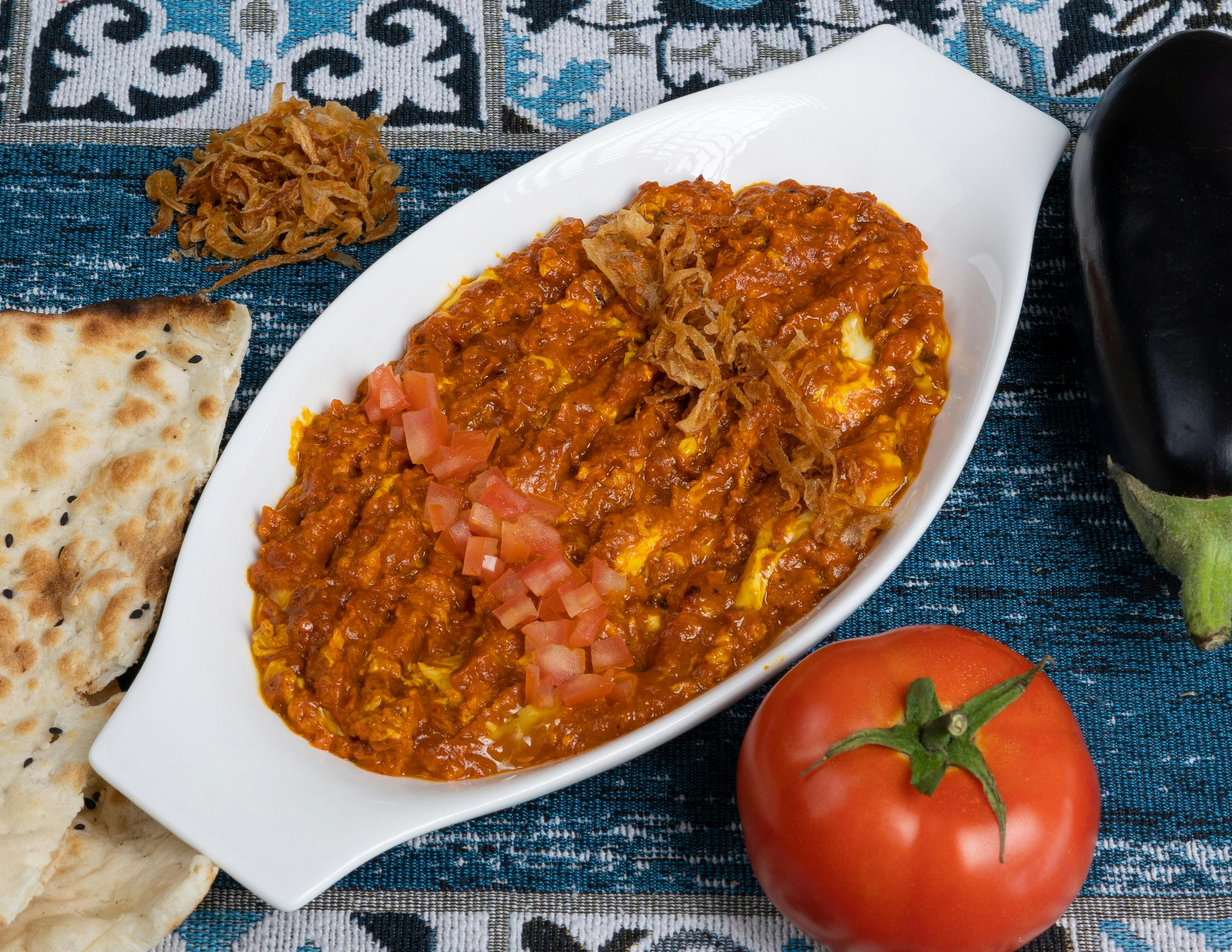
Baingan Bharta
The diets react (see scores below)
Common Ingredients
- eggplant
- tomatoes
- onion
- ginger
- garlic
- green chilies
- garam masala
- cilantro
Specific recipes may vary.
Incompatible with 2 of 11 diets
Diet Ratings
Baingan Bharta is a roasted eggplant dish with moderate net carbs. A typical serving (~200g) contains roughly 10-14g net carbs, primarily from eggplant (~6g/100g net carbs), tomatoes, and onion. Eggplant itself is a borderline keto vegetable — acceptable in moderate portions. The main concern is the combination of onion and tomatoes, which add meaningful net carbs on top. A standard restaurant-sized portion could push close to or over the 20g daily limit on its own, leaving little room for other carbs. However, a controlled half-serving (~100-120g) can fit within a strict keto day. The dish has no added sugar, grains, or starchy ingredients, and uses whole unprocessed foods, which is favorable. It lacks significant fat content, making it a vegetable side rather than a keto-optimized main. Adding a fat source (ghee, paneer, cream) would improve its keto profile.
Some stricter keto practitioners would flag this dish as avoid-adjacent due to the cumulative carb load of onion, tomato, and eggplant together — arguing that the onion and tomato combination makes portion control too difficult in practice, especially as a main dish with no fat source to balance macros.
Baingan Bharta is a traditional Indian roasted eggplant dish made entirely from whole plant foods. Every ingredient listed — eggplant, tomatoes, onion, ginger, garlic, green chilies, garam masala (a blend of whole spices), and cilantro — is 100% plant-derived with no animal products or animal-derived ingredients. It is also a whole-food preparation with minimal processing, making it highly aligned with both ethical vegan and whole-food plant-based standards. The dish is naturally rich in vegetables and aromatics, providing fiber, vitamins, and antioxidants.
Baingan Bharta is a roasted eggplant dish with vegetables and spices — nearly all ingredients are straightforwardly paleo-approved. Eggplant, tomatoes, onion, ginger, garlic, green chilies, and cilantro are all whole vegetables, herbs, or aromatics available in unprocessed form. Garam masala is a spice blend (typically coriander, cumin, cardamom, black pepper, cinnamon, cloves, nutmeg) with no non-paleo ingredients in its traditional form. The main caveat is that commercially prepared garam masala blends sometimes contain added salt or fillers — homemade or a clean-label blend would be fully paleo. No grains, legumes, dairy, seed oils, or refined sugars are present. This is a vegetable-forward dish that aligns well with paleo principles.
Some strict paleo practitioners flag nightshade vegetables (eggplant, tomatoes, chili peppers) due to their lectin and alkaloid content, which Dr. Steven Gundry (The Plant Paradox) and autoimmune protocol (AIP) paleo frameworks argue can be inflammatory for sensitive individuals. While mainstream paleo accepts nightshades, AIP-oriented paleo followers would exclude this dish.
Baingan Bharta is a roasted eggplant dish loaded with vegetables — eggplant, tomatoes, onion, garlic, ginger, and fresh herbs — all of which are Mediterranean diet staples. The ingredient list is entirely whole, plant-based, and unprocessed. Eggplant is actually a classic Mediterranean vegetable (melanzane in Italian, melitzana in Greek), and this preparation style closely mirrors Mediterranean roasted vegetable dishes. The Indian spice profile (garam masala, green chilies) is the only departure from strictly Mediterranean culinary tradition, but spices themselves are not discouraged. The dish lacks olive oil explicitly, which is the primary fat in Mediterranean cooking, but would typically be prepared with some cooking oil that could easily be olive oil.
Traditional Mediterranean diet frameworks focus on regional cuisine patterns from Greece, Italy, and Spain, and some purists might note that Indian spice blends like garam masala fall outside those culinary traditions. However, most modern Mediterranean diet authorities emphasize food composition over cultural origin, and a dish this vegetable-forward aligns clearly with core principles regardless of its Indian roots.
Baingan Bharta is an entirely plant-based dish with zero animal-derived ingredients. It consists exclusively of vegetables (eggplant, tomatoes, onion, ginger, garlic, green chilies), plant-based spices (garam masala), and herbs (cilantro). Every single ingredient violates carnivore diet principles. There is no animal protein, no animal fat, and no animal-derived component whatsoever. This dish is completely incompatible with the carnivore diet at every level.
Baingan Bharta is a roasted eggplant dish made entirely from whole, unprocessed foods. Every ingredient listed — eggplant, tomatoes, onion, ginger, garlic, green chilies, garam masala, and cilantro — is explicitly compliant with Whole30 rules. Vegetables, aromatics, and spice blends made from compliant spices are all allowed. Garam masala is a spice blend typically composed of coriander, cumin, cardamom, black pepper, cloves, cinnamon, and nutmeg, all of which are permitted. There are no grains, legumes, dairy, added sugars, or other excluded ingredients present. This is exactly the kind of whole, vegetable-forward dish the Whole30 program encourages.
Baingan Bharta as traditionally prepared contains multiple high-FODMAP ingredients that make it unsuitable during the elimination phase. Onion is one of the highest-fructan foods tested by Monash and is a primary flavoring in this dish. Garlic is similarly very high in fructans even in small amounts. These two ingredients alone disqualify the dish. Eggplant (aubergine) is low-FODMAP at 75g but becomes high-FODMAP at larger serves due to fructans, and as the main bulk ingredient it will likely exceed safe thresholds. Garam masala is generally considered low-FODMAP at culinary doses, tomatoes are low-FODMAP in standard servings, and ginger, green chilies, and cilantro are all low-FODMAP. However, the core flavor base of onion and garlic makes this dish a clear avoid during elimination regardless of modifications.
Baingan Bharta is an excellent DASH-compatible dish. It is built entirely from vegetables — eggplant, tomatoes, onion, ginger, garlic, and green chilies — with aromatic spices (garam masala, cilantro) providing flavor without sodium loading. Eggplant is a good source of fiber and potassium. Tomatoes contribute potassium, magnesium, and lycopene. Onion and garlic offer cardiovascular benefits aligned with DASH goals. There is no added salt in the listed ingredients, no saturated fat, no red meat, no full-fat dairy, and no processed components. This dish naturally aligns with DASH's emphasis on potassium-rich, fiber-rich vegetables, and its preparation (typically roasted/charred eggplant) adds no problematic nutrients. The only practical caution is that home or restaurant preparation may add significant oil or salt, which could shift the profile toward 'caution.' As listed, however, this is a core DASH-friendly dish.
Baingan Bharta is a roasted eggplant dish with tomatoes, onions, and aromatic spices — all low-glycemic, polyphenol-rich vegetables that align well with Zone carbohydrate principles. The dish is essentially a carbohydrate-dominant side with no meaningful protein source and minimal fat. As a standalone main dish, it fails the Zone's 40/30/30 macro ratio requirement because it lacks lean protein (no chicken, fish, tofu, eggs, or dairy) and has little to no fat. To be Zone-compliant, it would need to be paired with a lean protein source (e.g., grilled chicken or fish) and a monounsaturated fat addition (e.g., a drizzle of olive oil or a side of almonds). The vegetables themselves — eggplant, tomatoes, onions, garlic, ginger — are all favorable Zone carbohydrates with low glycemic indices and excellent polyphenol content, which Sears explicitly champions in his anti-inflammatory protocol. The spice blend (garam masala, green chilies) adds anti-inflammatory benefit. The dish scores well on carbohydrate quality but falls short as a complete Zone meal without protein and fat pairing.
Baingan Bharta is a roasted eggplant dish with a strongly anti-inflammatory ingredient profile overall. Garlic and ginger are well-established anti-inflammatory agents with research supporting their role in reducing CRP and NF-κB signaling. Green chilies contribute capsaicin, which has documented anti-inflammatory effects. Tomatoes provide lycopene and other carotenoids, onions supply quercetin (a potent flavonoid), cilantro offers antioxidant polyphenols, and garam masala typically contains turmeric, coriander, cumin, and black pepper — all anti-inflammatory spices. Roasting the eggplant concentrates its nasunin (a potent anthocyanin antioxidant found in the skin) and chlorogenic acid content. The dish is plant-based, fiber-rich, and contains no refined carbohydrates, added sugars, or pro-inflammatory fats. However, confidence is rated low due to the nightshade controversy: eggplant, tomatoes, and green chilies are all nightshade vegetables. Mainstream anti-inflammatory nutrition (Dr. Weil, Mediterranean-based protocols) considers them beneficial due to their high antioxidant content. But Autoimmune Protocol (AIP) and certain functional medicine practitioners (Dr. Tom O'Bryan) exclude nightshades, citing solanine and alkaloid content as potentially triggering inflammation in sensitive or autoimmune individuals. For the general population, this dish is an excellent anti-inflammatory choice. Those with autoimmune conditions or nightshade sensitivity should exercise caution.
Dr. Weil's Anti-Inflammatory Food Pyramid and mainstream anti-inflammatory nutrition endorse nightshade vegetables like eggplant, tomatoes, and peppers for their high antioxidant and polyphenol content, including lycopene and capsaicin. However, the Autoimmune Protocol (AIP) and functional medicine practitioners such as Dr. Tom O'Bryan exclude all nightshades, arguing that alkaloids like solanine and chaconine can increase intestinal permeability and trigger inflammatory responses in genetically susceptible individuals or those with autoimmune conditions — meaning this dish could be pro-inflammatory for a meaningful subset of people.
Baingan Bharta is a roasted eggplant dish that is naturally low in calories, low in fat, and reasonably high in fiber and micronutrients (potassium, folate, antioxidants). The base ingredients — eggplant, tomatoes, onion, garlic, ginger — are all nutrient-dense, easy to digest, and GLP-1 friendly individually. The dish scores well on fiber, digestibility, and low fat. However, it has a critical weakness as a main course for GLP-1 patients: negligible protein. Eggplant provides almost no protein (~1g per cup), and there are no legumes, dairy, or other protein sources listed. On GLP-1 medications, where every meal should deliver 15–30g of protein to prevent muscle loss, a protein-free main dish is a significant nutritional gap. The green chilies and garam masala introduce mild spice, which most patients tolerate well in moderate amounts but may worsen nausea or reflux in sensitive individuals, particularly early in treatment. Traditionally prepared with a small amount of oil (not listed but typically implied), fat content is usually modest. As a side dish or paired with a high-protein component (grilled chicken, paneer, lentils), it becomes much more appropriate. As a standalone main, it falls short of GLP-1 nutritional priorities.
Some GLP-1-focused dietitians view vegetable-forward dishes like Baingan Bharta positively as volume foods that support satiety and digestive health, and would recommend simply pairing it with a protein source rather than penalizing the dish itself. Others flag spice-containing dishes categorically for patients experiencing early GI side effects, rating it more conservatively regardless of the spice level.
*See how scores were generated at our methodology page.
Nutritional profile
Six traits that cut across every diet.
Fiber & Plants
How much whole-plant food and fiber it delivers.
Healthy Fats
The quality of its fats (unsaturated, omega-3).
Whole / Unprocessed
How close it is to its natural, unprocessed form.
Gut Gentle
How easy it is on digestion (low FODMAP, few irritants).
Low Glycemic
How little it spikes your blood sugar.
Protein Density
How much protein it packs per calorie.
Controversy Index
Higher controversy = more disagreement between diets.
Diet-Specific Tips
 Keto — 5/10
View tips
- Eggplant is moderate in net carbs (~6g/100g), borderline for keto
- Onions and tomatoes add significant additional net carbs
- No added sugars or grains — whole food ingredients only
- No significant fat content — does not support 70-80% fat macro target
- Portion-sensitive: half-serving may fit, full serving likely exceeds limits
- No protein source listed — macros poorly balanced for keto as a main
 Vegan — 9/10
View tips
- All ingredients are whole plant foods — no animal products present
- Eggplant is the primary ingredient, a nutrient-dense vegetable
- Garam masala is a plant-based spice blend with no animal-derived components
- No processed or refined ingredients; aligns with whole-food plant-based criteria
- Traditional preparation uses no dairy (e.g., ghee or cream), which can sometimes be added in non-vegan versions — this listed recipe is clean
 Paleo — 8/10
View tips
- Eggplant and tomatoes are whole, unprocessed vegetables — paleo approved by mainstream consensus
- Onion, garlic, ginger, green chilies, and cilantro are clean paleo ingredients
- Garam masala is a spice blend — paleo-compliant if no added salt or fillers
- No grains, legumes, dairy, seed oils, or refined sugars
- Nightshade vegetables (eggplant, tomatoes, chilies) are debated in AIP/Gundry-influenced paleo circles
- Commercial garam masala may contain added salt — homemade preferred for strict compliance
 Mediterranean — 8/10
View tips
- Eggplant is a canonical Mediterranean vegetable
- All ingredients are whole, unprocessed plant foods
- Tomatoes, onion, garlic, and herbs are Mediterranean staples
- No refined grains, added sugars, or processed ingredients
- No protein source — purely plant-based, supports multiple-times-daily vegetable goal
- Prepared without explicitly stated olive oil, though easily adapted
- Garam masala is outside Mediterranean culinary tradition but not nutritionally problematic
 Whole30 — 9/10
View tips
- All ingredients are whole, unprocessed vegetables, aromatics, and spices
- Eggplant is a fully compliant vegetable
- Garam masala is a spice blend with no excluded ingredients
- No grains, legumes, dairy, or added sugars
- Cooking oil (typically used) would need to be compliant — e.g., ghee, avocado oil, or coconut oil, not vegetable/soy oil
 DASH — 8/10
View tips
- All-vegetable ingredient list aligns directly with DASH vegetable servings (4-5/day goal)
- Eggplant and tomatoes provide potassium and fiber, key DASH micronutrients
- No sodium in listed ingredients — naturally low-sodium preparation
- No saturated fat, tropical oils, or processed ingredients
- Garam masala adds flavor without sodium burden, supporting DASH's low-sodium strategy
- Practical caveat: restaurant versions may add significant oil or salt, which could raise score to caution range
- No protein source — should be paired with legumes or lean protein for a complete DASH meal
 Zone — 6/10
View tips
- All carbohydrate sources (eggplant, tomatoes, onion, ginger, garlic) are low-glycemic and Zone-favorable
- High polyphenol content aligns with Sears' anti-inflammatory emphasis
- No protein source present — cannot meet 30% protein target without pairing
- Minimal fat — requires addition of monounsaturated fat (olive oil) for Zone balance
- As a vegetable side dish paired with lean protein and olive oil, it becomes Zone-compliant
- Anti-inflammatory spices (garam masala, green chilies) are a positive for Zone's inflammation-reduction goals
 Anti-Inflammatory — 8/10
View tips
- Eggplant provides nasunin (anthocyanin) and chlorogenic acid — both anti-inflammatory antioxidants
- Garlic and ginger are among the most evidence-backed anti-inflammatory culinary ingredients
- Garam masala contains turmeric, cumin, coriander, and black pepper — all emphasized in anti-inflammatory protocols
- Green chilies supply capsaicin, which inhibits NF-κB and reduces inflammatory cytokines
- Tomatoes and onions contribute lycopene, quercetin, and kaempferol — well-studied anti-inflammatory polyphenols
- Entirely plant-based, high-fiber, no added sugars or pro-inflammatory fats
- Eggplant, tomatoes, and green chilies are nightshades — avoided in AIP and by some functional medicine practitioners for autoimmune populations
- No omega-3 sources present, limiting score ceiling, but dish is not pro-inflammatory in profile
 GLP-1 Friendly — 5/10
View tips
- Very low protein — inadequate as a standalone main for GLP-1 patients needing 15–30g per meal
- Good fiber content from eggplant, tomatoes, and onion — supports digestion and GI health
- Low fat profile — aligns well with GLP-1 tolerability guidelines
- Nutrient-dense ingredients with antioxidants and micronutrients
- Green chilies and spices may worsen nausea or reflux in sensitive patients
- Works well as a side dish or when paired with paneer, lentils, or lean protein to close the protein gap