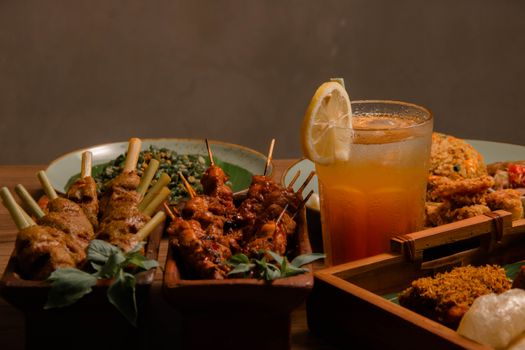
The diets react (see scores below)
Common Ingredients
- beef
- coconut milk
- lemongrass
- turmeric
- peanuts
- cucumber
- shallots
- fish sauce
Specific recipes may vary.
Incompatible with 5 of 11 diets
Diet Ratings
Beef Satay has a solid keto foundation — beef is an excellent high-fat, zero-carb protein, coconut milk adds healthy saturated fat, and fish sauce, lemongrass, and turmeric contribute minimal net carbs. However, two ingredients introduce meaningful concern: peanuts and the traditional peanut sauce (implied by 'peanuts' in the ingredient list) add moderate carbs and are technically legumes, debated on strict keto. Shallots are higher in carbs than most alliums. The marinade itself is largely fine, but if a peanut dipping sauce is included (standard for satay), portion control becomes critical. A typical serving with peanut sauce can push 8–15g net carbs depending on portion size, which is manageable within a daily keto budget but not unlimited. Without the sauce or with careful portioning, this dish leans toward approval.
Strict keto practitioners often exclude peanuts entirely due to their legume classification and suboptimal omega-6 fatty acid profile, arguing that even small amounts of peanut-based sauces can trigger cravings and stall ketosis; they would rate this dish lower and recommend substituting with a coconut- or almond-based alternative.
Beef Satay contains multiple animal-derived ingredients that are strictly incompatible with a vegan diet. Beef is a direct animal product (muscle tissue from cattle), and fish sauce is derived from fermented fish — both are clear animal products. These two ingredients alone make this dish entirely off-limits for vegans, regardless of the otherwise plant-based components like coconut milk, lemongrass, turmeric, peanuts, cucumber, and shallots.
Beef Satay contains peanuts, which are legumes and explicitly excluded from the paleo diet. Fish sauce, while derived from fish, typically contains added salt and often preservatives, making most commercial versions non-paleo. The remaining ingredients — beef, coconut milk, lemongrass, turmeric, cucumber, and shallots — are all paleo-approved. However, peanuts are a clear and unambiguous violation with strong consensus across all major paleo authorities. The dish cannot be rated above 'avoid' due to this core ingredient.
Beef Satay conflicts with Mediterranean diet principles on multiple fronts. Beef is a red meat, which should be limited to only a few times per month, making it a poor choice for a regular snack. Coconut milk is high in saturated fat and is not a traditional Mediterranean fat source — olive oil is the canonical fat. The dish is not inherently processed, and several ingredients (lemongrass, turmeric, peanuts, cucumber, shallots) are plant-based and nutritionally positive. However, the combination of red meat as the primary protein with coconut milk as the fat base makes this a poor fit. An occasional, small-portion indulgence might be tolerated, but as a snack it normalizes red meat and saturated fat intake beyond recommended limits.
Some modern Mediterranean diet interpreters apply a more flexible 'dietary pattern' lens, arguing that a small skewer of lean beef with abundant herbs, spices, and plant accompaniments could fit within an infrequent red meat allowance. Peanuts also provide beneficial plant protein and healthy fats, which partially offset concerns.
Beef Satay is heavily incompatible with the carnivore diet. While the base ingredient (beef) is carnivore-approved, the dish is loaded with multiple plant-derived ingredients that are strictly excluded. Peanuts are legumes — a clear avoid. Lemongrass and turmeric are plant-based spices/herbs. Coconut milk is a plant-derived fat. Cucumber and shallots are vegetables. Fish sauce is technically animal-derived but often contains added sugar and plant-based fermented ingredients. The dish as prepared is essentially a plant-spiced, plant-sauce-marinated meat dish served with vegetables and a peanut-based sauce — the majority of its components violate carnivore principles. Only the beef itself would be salvageable if prepared plainly.
Beef Satay contains peanuts, which are legumes and explicitly excluded on the Whole30 program. Peanuts (and peanut-based sauces like traditional satay sauce) are on the official excluded list with no exceptions. All other ingredients — beef, coconut milk, lemongrass, turmeric, cucumber, shallots, and fish sauce — are Whole30-compliant, but the inclusion of peanuts disqualifies this dish entirely.
Beef Satay contains several problematic FODMAP ingredients that make it unsuitable during strict elimination without modifications. Shallots are high-FODMAP due to fructans and are a significant concern even in small quantities used in marinades or sauces. Coconut milk is dose-dependent — low-FODMAP at 1/2 cup (125ml) but commonly used in larger amounts in satay marinades and peanut sauce. Peanuts are low-FODMAP at small servings (32g/about 10 peanuts) but peanut-based satay sauce often exceeds safe portions. The core ingredients — beef, lemongrass, turmeric, cucumber, and fish sauce — are low-FODMAP and unproblematic. The dish could be made low-FODMAP with modifications (omitting shallots, using garlic-infused oil instead, controlling coconut milk portions), but as traditionally prepared, the shallot content alone pushes this into caution/avoid territory.
Monash University rates shallots as high-FODMAP even in small amounts (1 shallot = high fructans), and many clinical FODMAP practitioners would advise avoiding this dish entirely during the elimination phase due to the difficulty of controlling shallot exposure in restaurant or traditional preparations. If shallots are omitted and portions of coconut milk and peanuts are controlled, the dish could be approved.
Beef Satay presents multiple DASH diet concerns that collectively push it toward caution rather than approval. Red beef is a food DASH recommends limiting, as it tends to be higher in saturated fat compared to poultry or fish. Coconut milk is a tropical oil-derived product high in saturated fat, which DASH explicitly limits. Fish sauce is very high in sodium (around 1,400mg per tablespoon), which conflicts with DASH's sodium targets of 1,500–2,300mg/day. On the positive side, the dish includes beneficial ingredients: lemongrass and turmeric are anti-inflammatory spices with no DASH concerns, cucumber adds vegetables, peanuts provide unsaturated fats and protein (though DASH favors nuts in moderation), and shallots add flavor without sodium. The combination of red meat + coconut milk + fish sauce creates a meaningful accumulation of DASH-limited nutrients (saturated fat + sodium), though the dish is not an outright avoid because it contains real food ingredients and is portion-controlled as a snack. Substituting lean chicken or shrimp, using light coconut milk, and reducing fish sauce would improve DASH compatibility significantly.
NIH DASH guidelines explicitly limit red meat and saturated fat from tropical oils like coconut milk, making this dish problematic. However, some updated clinical interpretations note that when consumed occasionally in small snack-sized portions, the overall saturated fat and sodium load may remain within daily DASH limits, and the anti-inflammatory spices (turmeric, lemongrass) and unsaturated fats from peanuts partially offset concerns — some DASH-oriented dietitians would permit this as an infrequent treat within a broader DASH pattern.
Beef Satay presents a mixed Zone Diet profile. The lean beef provides a solid protein foundation, though it's not as favorable as skinless chicken or fish due to higher saturated fat content. Coconut milk adds significant saturated fat, which Zone's anti-inflammatory framework discourages — though Dr. Sears' later writings softened somewhat on certain saturated fats. Peanuts introduce omega-6-heavy fat, which conflicts with Zone's preference for monounsaturated and omega-3 fats. On the positive side, lemongrass, turmeric, shallots, and cucumber are low-glycemic, anti-inflammatory ingredients that Sears would appreciate for their polyphenol content. Fish sauce is essentially a flavor agent with negligible macros. The dish can technically be portioned into Zone blocks — a few skewers of beef provide roughly the right protein block — but the fat profile (saturated from coconut milk, omega-6 from peanuts) and the typical peanut sauce in larger quantities create imbalance. As a snack with controlled portions (2-3 small skewers, light peanut/coconut sauce), it's workable. Full satay servings with heavy peanut sauce tip toward Zone-unfavorable fat ratios.
Zone practitioners using Dr. Sears' earlier strict guidelines (Enter the Zone) would rate this lower (score 3-4) due to saturated fat from coconut milk and omega-6 load from peanuts — both directly contra-indicated in classic Zone anti-inflammatory protocol. Later Sears writings on polyphenols would credit turmeric and lemongrass significantly, potentially nudging this toward a more favorable view if portions are tight and coconut milk is minimal.
Beef Satay presents a genuinely mixed anti-inflammatory profile. On the positive side, turmeric and lemongrass are well-established anti-inflammatory spices — turmeric's curcumin is one of the most studied anti-inflammatory compounds in food. Peanuts provide resveratrol, monounsaturated fats, and polyphenols with modest anti-inflammatory value. Cucumber adds antioxidants and hydration. Shallots contain quercetin, a notable anti-inflammatory flavonoid. Fish sauce contributes umami with minimal volume, so its impact is negligible. On the negative side, beef is the primary protein — a red meat with saturated fat and arachidonic acid that most anti-inflammatory frameworks recommend limiting rather than emphasizing. Coconut milk adds saturated fat (lauric acid), which is debated — some research suggests lauric acid behaves differently from long-chain saturated fats, but mainstream anti-inflammatory guidance still treats it as a fat to moderate. The dish is not inherently processed and contains genuinely beneficial spices, but the red meat foundation and saturated fat from coconut milk prevent it from reaching 'approve' territory. As an occasional snack using lean cuts of beef in modest portions, it sits in the 'caution/moderate' zone — not actively harmful in the anti-inflammatory framework, but not a food to emphasize regularly.
Dr. Andrew Weil's framework permits lean red meat occasionally, and the anti-inflammatory spices (turmeric, lemongrass) meaningfully offset some concern — a more permissive reading could score this a 6. Conversely, stricter anti-inflammatory and autoimmune protocols (AIP, Dr. Wahls Protocol) would flag both red meat and coconut milk saturated fat more seriously, potentially pushing toward a low 4.
Beef satay offers meaningful protein from the beef itself, but the combination of coconut milk marinade and peanut-based sauce introduces significant saturated fat and caloric density that can worsen GLP-1 side effects like nausea and bloating. Coconut milk is high in saturated fat, and peanut sauce adds additional fat and calorie load per small serving. The beef cut used in satay is typically a moderately fatty cut (sirloin or chuck), not a lean protein source. On the positive side, portions are naturally small (skewers), the anti-inflammatory spices (turmeric, lemongrass) are fine, cucumber adds hydration and fiber, and the dish is grilled rather than fried — improving digestibility over heavier preparations. Fish sauce and shallots are low-concern. As a snack, the fat load per serving may be tolerable if portion-controlled to 1-2 skewers with cucumber and minimal peanut sauce, but the coconut milk marinade and peanut sauce make this a caution rather than an approve.
Some GLP-1-focused dietitians accept beef satay in small portions as a protein-forward snack, noting that the grilled preparation and modest serving size limit the fat exposure — particularly if peanut sauce is used sparingly. Others flag the saturated fat from coconut milk and peanuts as a consistent trigger for GI discomfort in GLP-1 patients, especially early in treatment, and recommend leaner protein skewers (chicken breast, shrimp) as a direct substitute.
*See how scores were generated at our methodology page.
Nutritional profile
Six traits that cut across every diet.
Fiber & Plants
How much whole-plant food and fiber it delivers.
Healthy Fats
The quality of its fats (unsaturated, omega-3).
Whole / Unprocessed
How close it is to its natural, unprocessed form.
Gut Gentle
How easy it is on digestion (low FODMAP, few irritants).
Low Glycemic
How little it spikes your blood sugar.
Protein Density
How much protein it packs per calorie.
Controversy Index
Higher controversy = more disagreement between diets.
Diet-Specific Tips
 Keto — 5/10
View tips
- Beef is zero net carbs and high in fat — strongly keto-compatible
- Coconut milk provides healthy saturated fats supporting ketosis
- Peanuts are legumes with moderate net carbs (~6g per oz) and debated on strict keto
- Peanut dipping sauce (standard accompaniment) significantly raises carb load per serving
- Shallots are higher carb than onions — use sparingly
- Lemongrass and turmeric add negligible carbs in marinade quantities
- Fish sauce is very low carb in typical serving sizes
- Portion control is essential — standard restaurant serving with sauce may reach 10–15g net carbs
 Low-FODMAP — 4/10
View tips
- Shallots are high-FODMAP (fructans) — significant concern even in small marinade quantities
- Coconut milk is dose-dependent: safe at ≤125ml but often used liberally in satay
- Peanuts are low-FODMAP at ≤32g per serve but satay sauce portions may exceed this
- Beef, lemongrass, turmeric, cucumber, and fish sauce are all low-FODMAP
- Dish can be made compliant with modifications but is risky as traditionally prepared
 DASH — 4/10
View tips
- Red beef is a protein DASH recommends limiting due to higher saturated fat content
- Coconut milk is high in saturated fat from a tropical oil, explicitly limited by DASH
- Fish sauce is very high in sodium (~1,400mg/tbsp), conflicting with DASH sodium targets of 1,500–2,300mg/day
- Peanuts provide healthy unsaturated fats and protein, consistent with DASH nut recommendations
- Cucumber adds a DASH-approved vegetable component
- Turmeric and lemongrass are DASH-neutral anti-inflammatory spices
- Portion size as a snack mitigates but does not eliminate sodium and saturated fat concerns
- Substituting chicken/shrimp, light coconut milk, and low-sodium alternatives would raise the DASH score
 Zone — 5/10
View tips
- Beef is an acceptable Zone protein but higher in saturated fat than preferred lean sources like chicken or fish
- Coconut milk adds saturated fat, contra-indicated in Zone's anti-inflammatory framework
- Peanuts provide omega-6-heavy fat rather than preferred monounsaturated fats like almonds or olive oil
- Turmeric, lemongrass, shallots, and cucumber are anti-inflammatory, polyphenol-rich ingredients Sears would approve
- Cucumber serves as a favorable low-glycemic Zone carb
- Fish sauce is a negligible macro contributor — primarily a flavor enhancer
- Portion control critical: 2-3 small skewers with minimal sauce can fit Zone blocks; large servings with heavy peanut sauce cannot
- As a snack, the protein-to-fat ratio is manageable if coconut milk and peanut sauce are used sparingly
 Anti-Inflammatory — 5/10
View tips
- Beef (red meat) is pro-inflammatory — high in arachidonic acid and saturated fat; should be limited on anti-inflammatory diets
- Turmeric is a top-tier anti-inflammatory spice with well-researched curcumin content
- Lemongrass contains polyphenols and anti-inflammatory compounds
- Coconut milk adds saturated fat — debated in anti-inflammatory science; most guidance recommends moderation
- Peanuts offer resveratrol, MUFAs, and modest anti-inflammatory polyphenols
- Shallots provide quercetin, a potent anti-inflammatory flavonoid
- No processed ingredients, trans fats, refined sugars, or seed oils present
- Portion size and cut of beef matter — lean cuts in small amounts are more acceptable
 GLP-1 Friendly — 5/10
View tips
- Coconut milk marinade adds saturated fat, potentially worsening nausea and bloating
- Peanut sauce is calorie-dense and high in fat — portion of sauce is critical
- Beef is a moderate-to-high saturated fat protein versus leaner alternatives
- Grilled preparation is preferable to fried — supports easier digestion
- Small skewer format is naturally portion-friendly
- Cucumber adds hydration support and fiber
- Turmeric and lemongrass are anti-inflammatory and GI-neutral
- Lean beef cuts provide meaningful protein if portion is adequate (2-3 skewers)