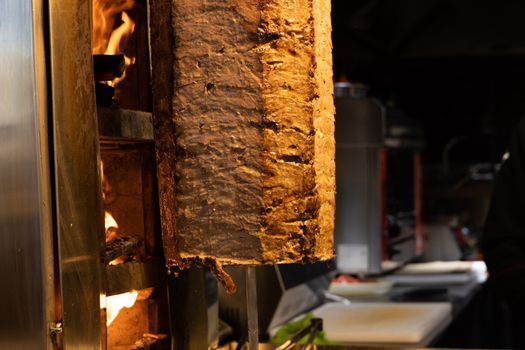
Photo: Engin Akyurt / Pexels
Middle-Eastern
Beef Shawarma
The diets react (see scores below)
Common Ingredients
- beef
- cumin
- coriander
- cinnamon
- garlic
- tahini
- pita bread
- pickled turnips
Specific recipes may vary.
Incompatible with 7 of 11 diets
Diet Ratings
Beef Shawarma in its traditional sandwich form is incompatible with a ketogenic diet primarily due to pita bread, which is a wheat-based grain product carrying roughly 30-35g of net carbs per piece. This single ingredient alone can exceed the entire daily carb allowance for strict keto. The beef itself is keto-friendly, the spices (cumin, coriander, cinnamon, garlic) are fine in cooking quantities, and tahini is a keto-approved condiment with healthy fats. Pickled turnips add minimal carbs. However, the dish as defined — a sandwich in pita — is a clear keto violation. The protein base could theoretically be adapted (e.g., served in a lettuce wrap or over salad), but as presented with pita bread, it must be avoided.
Beef Shawarma contains beef as its primary protein, which is a direct animal product and strictly excluded under all vegan dietary standards. There is no ambiguity here — slaughtered animal flesh is the defining non-vegan ingredient. The remaining ingredients (cumin, coriander, cinnamon, garlic, tahini, pita bread, pickled turnips) are all plant-based, but the presence of beef alone renders this dish entirely incompatible with a vegan diet.
Beef Shawarma as traditionally prepared contains two clear paleo disqualifiers: pita bread (a wheat-based grain product) and pickled turnips (typically prepared with added salt and vinegar brine, making them a processed food). While the core protein — beef — is fully paleo-approved, and the spices (cumin, coriander, cinnamon, garlic) are all paleo-friendly, tahini (ground sesame seeds) is borderline due to being a seed product processed into paste form. The pita bread alone is sufficient to classify this dish as avoid, as wheat is one of the most clearly excluded foods in all paleo frameworks. The dish in its traditional sandwich form cannot be considered paleo-compatible.
Beef shawarma centers on red meat as the primary protein, which the Mediterranean diet restricts to a few times per month. The pita bread is a refined grain, adding further concern. While the spices (cumin, coriander, cinnamon, garlic) are Mediterranean-friendly, and tahini is a nutritious sesame-based condiment consistent with the diet, and pickled vegetables add a positive element, these components cannot offset the core issue of red meat as the main protein in a refined grain wrap. The overall dish pattern conflicts with Mediterranean diet principles.
Shawarma has roots in Levantine cuisine, which overlaps significantly with Eastern Mediterranean food traditions. Some Mediterranean diet researchers acknowledge that lean cuts of beef in moderate portions, combined with plant-based accompaniments like tahini and pickled vegetables, can fit within a flexible interpretation of the diet when consumed infrequently. Substituting chicken or lamb (more traditional in the region) and using whole-wheat pita would substantially improve compatibility.
Beef Shawarma as prepared here is overwhelmingly non-carnivore. While beef itself is a cornerstone carnivore food, this dish is loaded with plant-based disqualifiers: cumin, coriander, cinnamon, and garlic are all plant-derived spices; tahini is a sesame seed paste (plant oil and seed product); pita bread is a grain-based product and one of the clearest avoid items on any carnivore framework; and pickled turnips are a vegetable. The majority of the dish's ingredients fall firmly in the 'avoid' category. Even the most lenient carnivore practitioners who tolerate spices or coffee would draw the line at grain-based bread and seed-based condiments. This dish cannot be salvaged as carnivore-compatible without a near-total reconstruction.
Beef Shawarma as described contains pita bread, which is a wheat-based grain product explicitly excluded on Whole30. Additionally, the dish is categorized as a sandwich, and even if the filling were compliant, pita bread itself violates Rule 1 (grains excluded) and pita/wraps are explicitly called out in Rule 4 as non-compliant formats. Tahini (sesame paste) and pickled turnips are generally compliant, and the spices (cumin, coriander, cinnamon, garlic) are all allowed. However, the pita bread alone is a hard disqualifier. Pickled turnips may also warrant label scrutiny for added sulfites or sugar, though sulfites are no longer excluded per 2024 rules. The dish cannot be made Whole30-compliant without removing the pita entirely and reimagining it as a bowl or plate rather than a sandwich.
Beef Shawarma as traditionally prepared contains multiple high-FODMAP ingredients that make it unsuitable during the elimination phase. Garlic is a significant fructan source and is high-FODMAP even in very small quantities — it is one of the most problematic foods on the low-FODMAP diet. Pita bread is made from wheat flour, which is high in fructans and must be avoided during elimination. Tahini (sesame paste) is low-FODMAP in standard servings (~2 tbsp), and beef is naturally FODMAP-free. Cumin, coriander, and cinnamon are low-FODMAP spices at culinary quantities. Pickled turnips are a complicating factor — turnips themselves are low-FODMAP, but pickling brine may contain garlic or high-FODMAP additives depending on preparation. The two non-negotiable high-FODMAP ingredients — garlic and wheat pita — make this dish an 'avoid' regardless of portion size during elimination.
Beef shawarma presents a mixed DASH profile. The spices (cumin, coriander, cinnamon, garlic) are DASH-positive with no sodium concern. However, beef is a red meat that DASH explicitly limits due to saturated fat content — DASH recommends no more than 6 oz of lean meat/poultry/fish per day and emphasizes reducing red meat. Tahini is a sesame-based paste that provides healthy fats, magnesium, and calcium, making it a reasonable DASH condiment in moderation. Pita bread, unless whole-wheat, contributes refined carbohydrates with limited fiber benefit. The most significant DASH concern is the pickled turnips: pickling typically involves substantial sodium (often 300–600mg per serving), which conflicts with DASH sodium targets. As a composite dish, beef shawarma combines a limited-red-meat food with a high-sodium condiment component, landing it firmly in 'caution' territory — acceptable occasionally but not a DASH staple. A leaner protein swap (chicken or turkey shawarma) and low-sodium preparation would improve the score meaningfully.
NIH DASH guidelines clearly limit red meat due to saturated fat, but some updated clinical interpretations note that lean cuts of beef (e.g., sirloin or round) can fit within DASH's 6 oz daily lean meat allowance — making the beef itself borderline acceptable. However, the pickled turnips' sodium load remains a consistent concern across all interpretations of DASH.
Beef Shawarma presents a mixed Zone Diet profile. The spiced beef provides a solid protein base, though beef (especially in shawarma preparations, which often use fattier cuts like chuck or leg) carries more saturated fat than ideal Zone proteins like skinless chicken or fish. Tahini contributes predominantly monounsaturated and polyunsaturated fat, which aligns reasonably well with Zone fat principles. The pita bread is the primary Zone concern — it is a refined, higher-glycemic carbohydrate that Dr. Sears classifies as 'unfavorable.' A standard pita (roughly 30-35g net carbs) will dominate the carb block count and spike insulin response, disrupting the Zone's hormonal goals. However, portioning is the Zone's answer: using a half-pita, supplementing with low-glycemic vegetables (pickled turnips provide minimal carbs and have a low glycemic impact), and controlling the beef portion to ~3 oz can bring this meal into Zone balance. The spices (cumin, coriander, cinnamon, garlic) are anti-inflammatory polyphenol sources that Sears actively encourages. As a restaurant or street food item eaten without modification, the carb-to-protein ratio is likely too high. Modified at home with reduced pita and added vegetables, it becomes a workable Zone meal.
Some Zone practitioners following Sears' later anti-inflammatory writings (The Anti-Inflammation Zone, The Mediterranean Zone) would view this dish more favorably, noting its Mediterranean spice profile, tahini as a quality fat source, and the inherently portioned nature of shawarma protein. Sears' Mediterranean Zone work specifically embraces dishes structurally similar to shawarma when built with lean protein and polyphenol-rich spices. Conversely, strict early-Zone followers would rate this lower due to the pita bread being a clear 'unfavorable' carbohydrate requiring substitution.
Beef shawarma presents a mixed anti-inflammatory profile. On the positive side, the spice blend is genuinely impressive from an anti-inflammatory standpoint: cumin, coriander, cinnamon, and garlic all contain documented anti-inflammatory compounds (cinnamaldehyde, allicin, quercetin). Tahini contributes sesame lignans (sesamin, sesamolin) with antioxidant properties and provides healthy fats, though it is moderately high in omega-6. Pickled turnips offer fermented food benefits (gut microbiome support, which modulates systemic inflammation) and glucosinolates from the turnip itself. The main concern is beef as the primary protein. Red meat is in the 'limit' category under anti-inflammatory principles due to saturated fat content and its association with elevated inflammatory markers (CRP, IL-6) in epidemiological research. Shawarma beef is often a fattier cut (shoulder or leg), which increases saturated fat load. Pita bread is a refined carbohydrate, contributing a modest pro-inflammatory signal. However, the overall dish is not heavily processed, avoids trans fats and seed oils, and the rich spice profile and tahini partially offset the beef and refined carb concerns. As a moderate, occasional meal it fits within anti-inflammatory eating — not as a regular staple.
Some anti-inflammatory practitioners and researchers (including those following Mediterranean-adjacent frameworks like Dr. Weil's pyramid) would view this dish more favorably, noting that lean cuts of beef in moderate portions are acceptable and that the traditional spice-forward preparation, tahini, and fermented vegetables make this a nutritionally complex meal. Others, particularly those following stricter anti-inflammatory or AIP protocols, would flag red meat more harshly and note that refined pita and the omega-6 load from tahini compound the concern.
Beef shawarma offers meaningful protein from the beef, but the choice of beef (often fatty cuts like ribeye or shoulder) introduces moderate-to-high saturated fat, which can worsen GLP-1 side effects like nausea and reflux. Tahini adds additional fat — though mostly unsaturated, it is calorie-dense and easy to over-consume in small portions. The pita bread is a refined grain with limited fiber and protein contribution. Spices (cumin, coriander, cinnamon, garlic) are GLP-1-friendly. Pickled turnips are a positive addition — low calorie, hydrating, and digestive-friendly. The sandwich format also tends to be a large-volume serving, which is harder to manage on a reduced appetite. Overall, this dish has good bones nutritionally but is undermined by likely fat content in the beef, the refined pita, and calorie-dense tahini.
Some GLP-1-focused dietitians would rate this more favorably if prepared with lean beef cuts (like sirloin or eye of round), whole wheat pita, and moderate tahini — in which case protein density and digestibility improve meaningfully. The variability in preparation makes this a portion- and preparation-sensitive food rather than a categorical caution.
*See how scores were generated at our methodology page.
Nutritional profile
Six traits that cut across every diet.
Fiber & Plants
How much whole-plant food and fiber it delivers.
Healthy Fats
The quality of its fats (unsaturated, omega-3).
Whole / Unprocessed
How close it is to its natural, unprocessed form.
Gut Gentle
How easy it is on digestion (low FODMAP, few irritants).
Low Glycemic
How little it spikes your blood sugar.
Protein Density
How much protein it packs per calorie.
Controversy Index
Higher controversy = more disagreement between diets.
Diet-Specific Tips
 DASH — 4/10
View tips
- Red meat (beef) is limited on DASH due to saturated fat content
- Pickled turnips add significant sodium, conflicting with DASH sodium limits (<2,300mg/day standard)
- Tahini provides beneficial magnesium and calcium but adds moderate calories and fat
- Spice blend is DASH-friendly with no added sodium
- Pita bread is typically refined grain, not whole grain — DASH prefers whole grains
- Portion size critical: smaller servings with lean beef cuts improve compatibility
- Substituting chicken or turkey would significantly improve DASH alignment
 Zone — 5/10
View tips
- Pita bread is a high-glycemic refined carb classified as 'unfavorable' in Zone — significantly raises the score penalty
- Beef protein is acceptable but less ideal than leaner Zone proteins; fatty shawarma cuts add saturated fat
- Tahini provides predominantly monounsaturated fat, which aligns with Zone fat recommendations
- Pickled turnips are very low-glycemic and contribute negligible carb blocks — a Zone-positive component
- Anti-inflammatory spice blend (cumin, coriander, cinnamon, garlic) aligns with Sears' polyphenol emphasis
- Portioning challenge: standard restaurant serving likely delivers excess carb blocks relative to protein blocks
- Modifiable: replacing or halving pita with a lettuce wrap or half-portion significantly improves Zone balance
 Anti-Inflammatory — 5/10
View tips
- Red meat (beef) is in the 'limit' category — associated with elevated CRP and IL-6 in research
- Cumin, coriander, cinnamon, and garlic are all anti-inflammatory spices with documented bioactive compounds
- Tahini provides healthy fats and sesame lignans but contributes moderate omega-6 fatty acids
- Pickled turnips offer fermented food benefits supporting gut microbiome and inflammation modulation
- Pita bread is a refined carbohydrate — modest pro-inflammatory contribution
- Dish is minimally processed with no trans fats, seed oils, or artificial additives
- Overall profile is acceptable in moderation but not ideal as a dietary staple
 GLP-1 Friendly — 5/10
View tips
- Moderate-to-high fat from beef cut and tahini may worsen nausea and reflux
- Protein content is meaningful but depends on beef cut and serving size
- Refined white pita adds calories with minimal fiber or protein
- Spice blend is GLP-1-tolerable at typical shawarma seasoning levels
- Pickled turnips are a beneficial low-calorie, hydrating component
- Large sandwich format challenges small-portion eating recommendations
- Preparation method (rotisserie vs pan-fried) significantly affects fat content