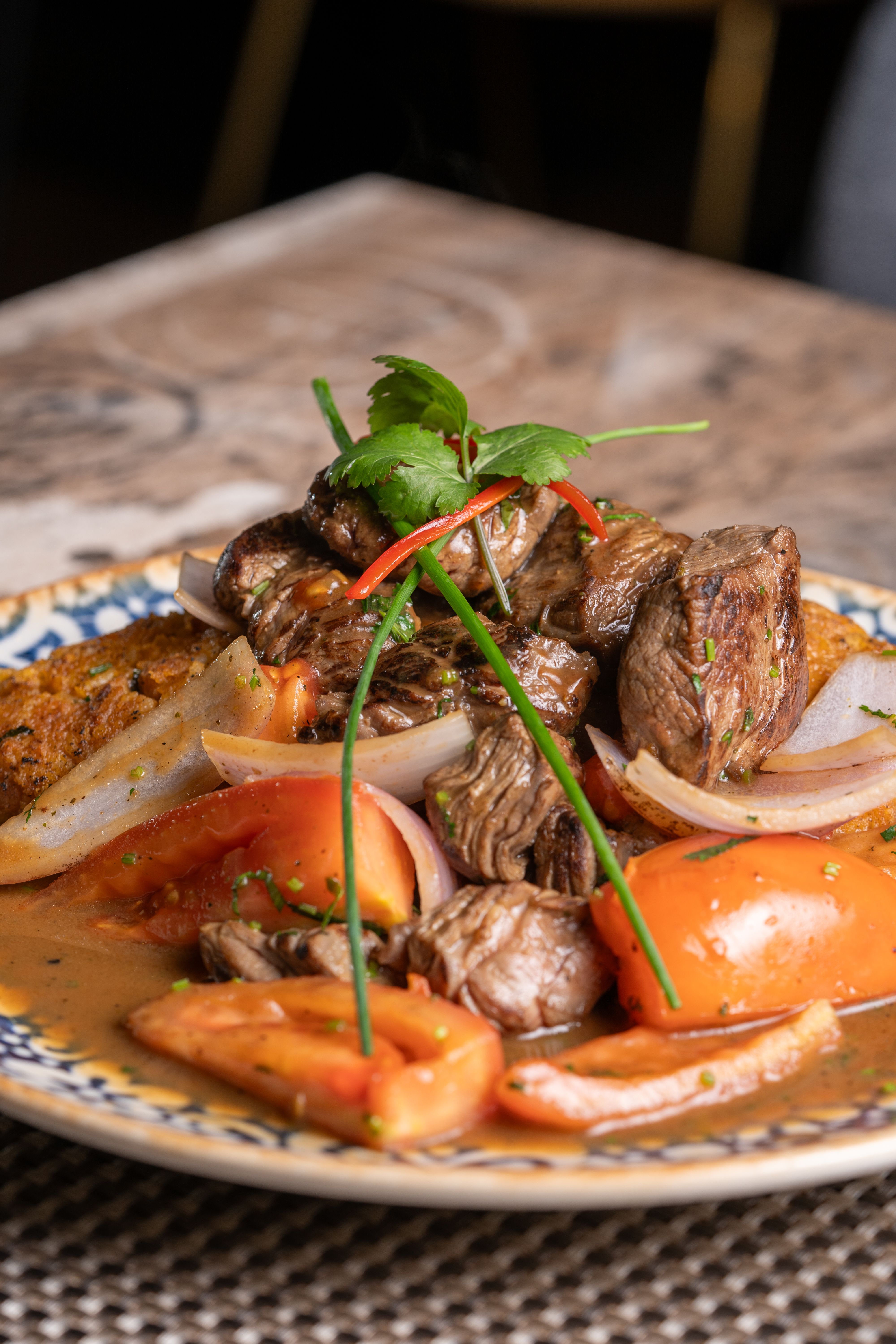
Photo: Nano Erdozain / Pexels
Vietnamese
Shaking Beef (Bo Luc Lac)
The diets react (see scores below)
Common Ingredients
- beef tenderloin
- garlic
- soy sauce
- oyster sauce
- watercress
- onion
- lime
- black pepper
Specific recipes may vary.
Incompatible with 6 of 11 diets
Diet Ratings
Shaking Beef is built around beef tenderloin, which is excellent for keto — high protein, moderate fat, zero carbs. However, the sauce combination of soy sauce and oyster sauce introduces meaningful carbohydrates. Oyster sauce in particular is notably high in sugar and starch (roughly 4-6g net carbs per tablespoon), and traditional Bo Luc Lac recipes use a generous amount. Soy sauce adds minimal carbs but some brands contain wheat. Watercress, onion, lime juice, and black pepper are all relatively keto-friendly in standard portions, though onion contributes small net carbs. The dish is not inherently incompatible with keto, but the oyster sauce is a significant concern — a standard restaurant serving could push 8-15g net carbs from the sauce alone. With reduced or substituted sauces (e.g., coconut aminos replacing oyster sauce), this dish becomes very keto-friendly. As typically prepared, it warrants caution and portion awareness.
Strict keto practitioners would argue that oyster sauce should be entirely eliminated and soy sauce replaced with coconut aminos or tamari, making any standard restaurant version of this dish a conditional avoid due to hidden sugars in the sauce. Lazy keto adherents, however, may accept it as a reasonable low-carb choice given the dominant protein-and-fat profile of the beef.
Shaking Beef (Bo Luc Lac) is fundamentally incompatible with a vegan diet. The dish's primary protein is beef tenderloin, a direct animal product, making it an immediate disqualification. Additionally, oyster sauce is derived from oysters (shellfish), adding a second animal-derived ingredient. Both ingredients are unambiguously non-vegan with no debate within the vegan community.
Shaking Beef (Bo Luc Lac) is built around two non-paleo condiments that are core to the dish's identity: soy sauce (a fermented soy/wheat product — both a legume and a grain derivative) and oyster sauce (typically contains added sugar, modified starch, and other additives). These are not incidental garnishes; they form the primary marinade and flavor base. Without them, the dish is fundamentally different. The remaining ingredients — beef tenderloin, garlic, watercress, onion, lime, and black pepper — are all paleo-approved, but the dish as traditionally prepared cannot be considered paleo-compliant due to these two disqualifying sauces.
Shaking Beef centers on beef tenderloin as its primary protein, which directly conflicts with Mediterranean diet principles that limit red meat to a few times per month. The dish also relies on soy sauce and oyster sauce — processed, high-sodium condiments not part of the Mediterranean pantry — rather than olive oil as the primary fat. While the dish does include positive elements like watercress, onion, garlic, lime, and black pepper, these supporting ingredients are insufficient to offset the core incompatibility of a red-meat-centered dish with processed sauces. There is no olive oil, no whole grains, no legumes, and the flavor profile is built around non-Mediterranean condiments.
Shaking Beef (Bo Luc Lac) is fundamentally incompatible with the carnivore diet despite its beef base. The dish contains multiple plant-derived and processed ingredients that are strictly excluded: soy sauce (fermented soy/grain product), oyster sauce (typically contains sugar, starch, and plant additives), watercress (leafy green vegetable), onion (plant/vegetable), lime (citrus fruit), and black pepper (plant spice). While beef tenderloin is a carnivore-approved protein, the dish as prepared is essentially a plant-heavy Vietnamese stir-fry using beef. The soy sauce alone — a fermented grain and legume product — is a direct violation of carnivore principles. The only salvageable element would be the beef itself, stripped of all accompaniments and sauces.
Shaking Beef (Bo Luc Lac) as traditionally prepared contains two excluded ingredients: soy sauce (soy is a legume and explicitly excluded on Whole30) and oyster sauce (typically contains soy sauce and often added sugar). Both are disqualifying ingredients under official Whole30 rules. The rest of the dish — beef tenderloin, garlic, watercress, onion, lime, and black pepper — is fully compliant. A Whole30-compatible version could substitute coconut aminos for soy sauce and use a compliant oyster sauce alternative or omit it, but as listed with standard soy sauce and oyster sauce, this dish must be avoided.
Shaking Beef (Bo Luc Lac) contains multiple high-FODMAP ingredients that make it unsuitable during the elimination phase. Garlic is one of the highest-FODMAP foods tested by Monash University, containing significant fructans even in small amounts. Onion is equally problematic — also very high in fructans and a leading trigger for IBS symptoms. Oyster sauce typically contains garlic and/or onion derivatives and is rated high-FODMAP by Monash. Soy sauce in small amounts (1 tablespoon) is considered low-FODMAP by Monash, but combined with the other high-FODMAP ingredients, the cumulative FODMAP load of this dish is clearly high. Beef tenderloin, watercress, lime juice, and black pepper are all low-FODMAP and pose no concern. However, the unavoidable presence of garlic and onion — both structural flavor components of this dish — makes it a clear avoid during elimination.
Shaking Beef (Bo Luc Lac) contains several DASH-problematic elements alongside some positive ones. The dish relies on beef tenderloin, which is red meat — DASH guidelines recommend limiting red meat due to saturated fat content. More significantly, soy sauce and oyster sauce are both high-sodium condiments; a typical serving of this dish can easily contain 800–1,200mg of sodium from these sauces alone, pushing toward or exceeding a substantial portion of the DASH sodium limit (<2,300mg/day standard, <1,500mg/day low-sodium). On the positive side, beef tenderloin is one of the leaner cuts of red meat, and the dish includes watercress (a DASH-friendly leafy green rich in potassium, calcium, and vitamin K), onion, garlic, and lime — all consistent with DASH principles. Black pepper is neutral. The dish is not categorically off-limits but requires meaningful modification (reduced-sodium soy sauce, reduced oyster sauce quantities, smaller beef portions) to fit DASH guidelines, and should be consumed only occasionally given the red meat component.
NIH DASH guidelines explicitly limit red meat and high-sodium condiments like soy sauce, placing this dish in 'caution' territory. However, some DASH-oriented clinicians note that lean cuts like tenderloin in controlled portions (3 oz) can fit within the DASH weekly red meat allowance, and low-sodium soy sauce alternatives can reduce the sodium burden significantly, making an occasionally consumed, modified version more acceptable.
Shaking Beef (Bo Luc Lac) is a Zone-compatible dish with some caveats. Beef tenderloin is a relatively lean cut — leaner than ribeye or short ribs — making it more acceptable as a Zone protein source, though it carries more saturated fat than chicken breast or fish. The accompaniments are Zone-favorable: watercress is an excellent low-glycemic, polyphenol-rich vegetable; onion provides low-GI carbohydrates; garlic and lime add anti-inflammatory compounds with negligible glycemic load. The sauces (soy sauce and oyster sauce) introduce sodium and a small amount of sugar (particularly oyster sauce), but in typical recipe quantities these are minor. The primary concerns are: (1) beef tenderloin is not a Zone 'favorable' protein due to its saturated fat content relative to lean poultry or fish; (2) the dish provides limited fat blocks independently, so no additional fat source is needed and portion control on the beef is important. A standard restaurant serving of shaking beef will likely be protein-heavy (exceeding 3 blocks) and low in carbohydrates relative to the Zone 40/30/30 target, so pairing with additional vegetables or a small piece of fruit to balance carb blocks is advisable. With mindful portioning (~3 oz beef), the dish can slot into a Zone meal reasonably well.
Early Zone writings (Enter the Zone) placed lean beef in a 'use sparingly' category due to saturated fat concerns, favoring fish and poultry strongly. However, Sears' later work (The OmegaRx Zone, Zone Diet anti-inflammatory framework) acknowledged that lean cuts of beef consumed in moderate portions are acceptable and that the overall meal context matters more than categorical protein exclusions. Some strict Zone practitioners would still downgrade this dish due to the beef protein source, while others following Sears' updated guidelines would view trimmed tenderloin portions as a workable 3-block protein choice.
Shaking Beef presents a mixed anti-inflammatory profile. On the positive side, beef tenderloin is a leaner cut of red meat with lower saturated fat than fattier cuts, and is consumed in modest portions in this dish. The ingredients include several genuinely anti-inflammatory components: garlic (allicin, quercetin), black pepper (piperine, which also enhances curcumin absorption), fresh lime (vitamin C, flavonoids), and notably watercress — a cruciferous leafy green rich in antioxidants including isothiocyanates and glucosinolates, associated with reduced inflammatory markers. Onion provides quercetin and other flavonoids. Soy sauce adds minimal nutritional concern at typical serving amounts, and oyster sauce contributes modest sodium. The primary concern is red meat as the protein base. Anti-inflammatory frameworks consistently categorize red meat in the 'limit' category due to arachidonic acid content, saturated fat (even in lean cuts), and associations with elevated CRP and IL-6 in population studies. The dish is not fried in seed oils and lacks refined carbohydrates or added sugars, which is favorable. Overall, this is a relatively clean preparation of a 'limit' food, bolstered by strong anti-inflammatory accompaniments — placing it solidly in the caution/moderate tier rather than avoid.
Some anti-inflammatory practitioners, particularly those following Dr. Weil's framework, would note that occasional lean red meat in a vegetable-rich preparation like this is acceptable and far preferable to processed meats. Others following stricter anti-inflammatory or AIP-adjacent protocols would flag all red meat more severely due to arachidonic acid and heme iron content, and would score this dish lower regardless of preparation.
Shaking Beef uses beef tenderloin, which is one of the leaner cuts of red meat, providing solid protein (~25-28g per 4oz serving) with moderate saturated fat. The dish is sautéed at high heat in small amounts of oil rather than deep-fried, keeping fat addition relatively controlled. Watercress adds micronutrients, fiber, and water content — a genuine nutritional positive. Garlic, lime, and soy sauce contribute minimal calories. However, the oyster sauce adds moderate sodium and some sugar, and red meat itself — even lean cuts — carries meaningful saturated fat compared to preferred GLP-1 proteins like chicken breast, fish, or tofu. The high-heat wok preparation and black pepper may also trigger reflux or nausea in GLP-1 patients with sensitive GI systems. Portion control is key: a small serving (3-4oz beef) paired with extra watercress makes this a reasonable occasional choice, but it should not be a dietary staple.
Some GLP-1-focused dietitians accept lean beef like tenderloin as a quality protein source that supports muscle preservation, particularly for patients who struggle to meet protein targets on poultry and fish alone. Others caution that even lean red meat's saturated fat load and GI heaviness — compounded by slowed gastric emptying — make it a suboptimal choice compared to lower-fat proteins, and recommend limiting red meat to 1-2 times per week at most.
*See how scores were generated at our methodology page.
Nutritional profile
Six traits that cut across every diet.
Fiber & Plants
How much whole-plant food and fiber it delivers.
Healthy Fats
The quality of its fats (unsaturated, omega-3).
Whole / Unprocessed
How close it is to its natural, unprocessed form.
Gut Gentle
How easy it is on digestion (low FODMAP, few irritants).
Low Glycemic
How little it spikes your blood sugar.
Protein Density
How much protein it packs per calorie.
Controversy Index
Higher controversy = more disagreement between diets.
Diet-Specific Tips
 Keto — 5/10
View tips
- Beef tenderloin is zero-carb and keto-ideal
- Oyster sauce contains significant sugar and starch (~4-6g net carbs/tbsp)
- Traditional recipe uses enough oyster sauce to meaningfully impact daily carb budget
- Soy sauce may contain wheat; coconut aminos or tamari preferred
- Watercress is a low-carb leafy green — fully keto-compatible
- Onion and lime contribute minor additional net carbs
- Dish is modifiable: reducing or substituting sauces dramatically improves keto compatibility
- Restaurant portions may be difficult to control
 DASH — 4/10
View tips
- Red meat (beef tenderloin) — DASH recommends limiting red meat due to saturated fat
- High-sodium condiments: soy sauce and oyster sauce can contribute 800–1,200mg sodium per serving
- Watercress is a DASH-approved leafy green rich in potassium, calcium, and magnesium
- Garlic, onion, and lime are DASH-compatible aromatics and flavor enhancers
- Lean cut (tenderloin) is lower in saturated fat than many other beef options
- Low-sodium soy sauce substitution would improve DASH compatibility significantly
- Portion size is critical — 3 oz beef serving aligns better with DASH red meat limits
 Zone — 6/10
View tips
- Beef tenderloin is moderately lean but higher in saturated fat than Zone-preferred proteins (fish, skinless poultry)
- Watercress is an excellent Zone-favorable, low-glycemic, polyphenol-rich vegetable base
- Oyster sauce contains small amounts of sugar — minor in typical portions but worth noting
- Dish is naturally low in carbohydrates; requires pairing with additional low-GI carb sources to hit 40% carb target
- Garlic, lime, and black pepper contribute anti-inflammatory polyphenols consistent with Zone principles
- Sodium content from soy and oyster sauce is a secondary concern unrelated to Zone macros
- Portion control critical — restaurant servings typically exceed 3-block protein target
 Anti-Inflammatory — 5/10
View tips
- Red meat (beef tenderloin) is in the 'limit' category across all major anti-inflammatory frameworks due to saturated fat and arachidonic acid
- Watercress is a standout anti-inflammatory ingredient — cruciferous, antioxidant-rich, associated with reduced CRP
- Garlic provides allicin and quercetin, both with demonstrated anti-inflammatory activity
- Black pepper contributes piperine, an anti-inflammatory compound
- No seed oils, trans fats, refined carbohydrates, or added sugars in the preparation
- Lean cut and portion-controlled presentation reduces but does not eliminate red meat concerns
- Lime and onion contribute flavonoids and vitamin C, supporting antioxidant defense
 GLP-1 Friendly — 5/10
View tips
- Tenderloin is a relatively lean red meat cut, but still higher in saturated fat than chicken, fish, or plant proteins
- Solid protein yield (~25-28g per 4oz) supports the #1 GLP-1 dietary priority
- Sautéed preparation avoids deep-frying, limiting added fat
- Watercress provides fiber, micronutrients, and water content — a GLP-1-positive element
- Oyster sauce adds sodium and trace sugar — minor concern
- Black pepper and high-heat cooking may worsen reflux or nausea in sensitive GLP-1 patients
- Portion-sensitive: small servings are acceptable; large portions increase saturated fat and digestive burden
- Red meat as a category carries medium clinical confidence for GLP-1 patients due to individual GI tolerance variation