Chinese
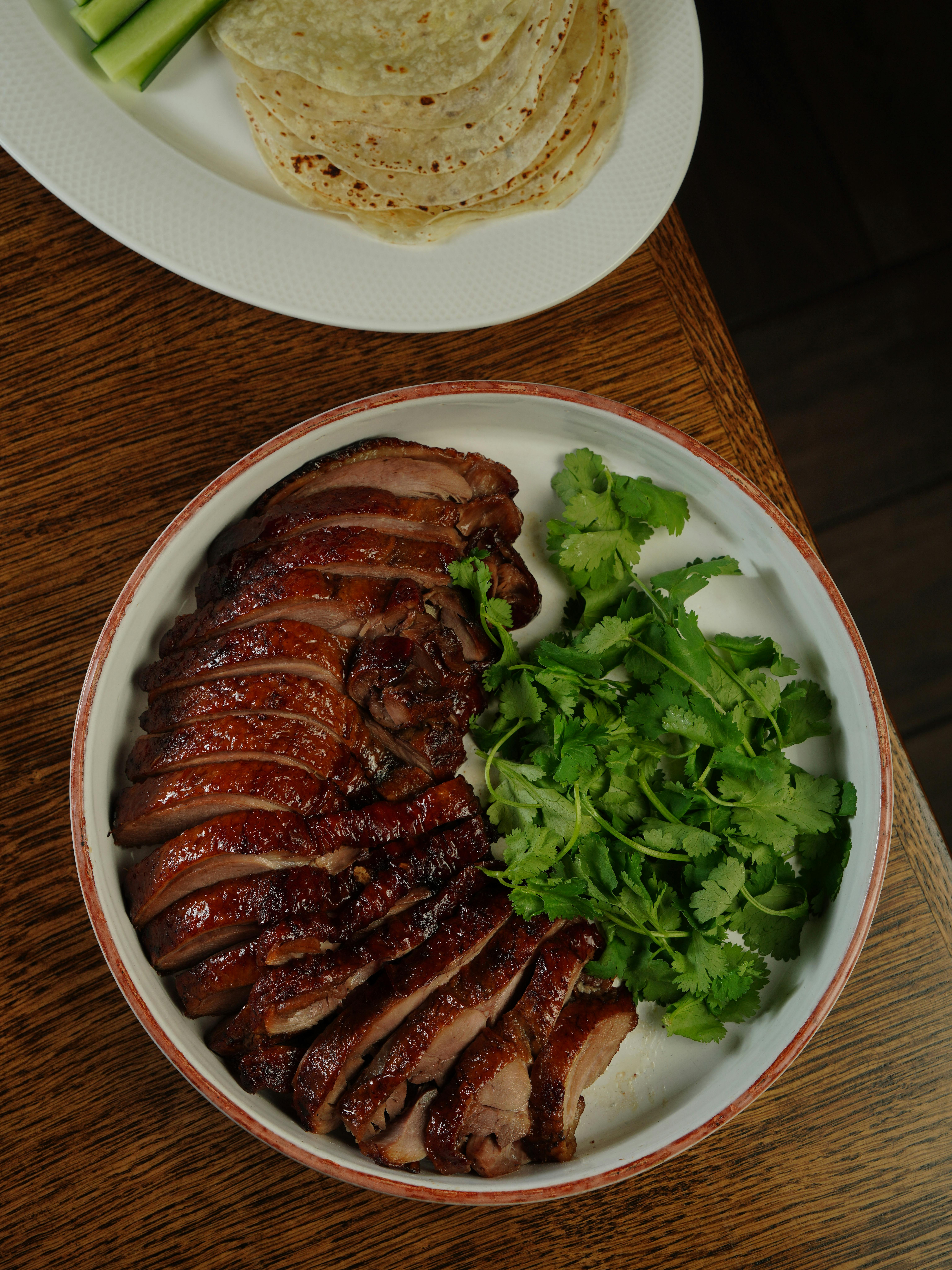
Cantonese Roast Duck
The diets react (see scores below)
Common Ingredients
- whole duck
- maltose
- five-spice powder
- Shaoxing wine
- soy sauce
- ginger
- scallions
- star anise
Specific recipes may vary.
Incompatible with 7 of 11 diets
Diet Ratings
Cantonese Roast Duck is fundamentally incompatible with keto due to the glazing process. Maltose (malt sugar) is the primary offender — it is nearly pure sugar with an extremely high glycemic index, and it's applied generously to the skin to create the signature lacquered glaze. This alone can add 15-30g of sugar per serving. Soy sauce and Shaoxing wine contribute additional carbohydrates and sugars. The duck meat and fat itself are excellent keto foods — high in fat and quality protein — but the traditional preparation method makes the dish a 'caution-to-avoid' for keto practitioners. A standard restaurant serving would very likely exceed the daily carb limit from the glaze alone.
Some flexible/lazy keto practitioners argue that if you eat the duck meat and skin while avoiding the glaze crust or eating only a small portion, the actual carb absorption is manageable. They point out the duck fat and meat macros are ideal, and that trace amounts of soy sauce and wine in marinades may not significantly impact ketosis in practice.
Cantonese Roast Duck is centered on whole duck, an animal product, making it entirely incompatible with a vegan diet. There is no ambiguity here: duck is poultry, a direct animal product excluded under all definitions of veganism. The remaining ingredients (maltose, five-spice powder, Shaoxing wine, soy sauce, ginger, scallions, star anise) are plant-derived, but the primary ingredient — and the entire identity of the dish — is animal flesh.
Cantonese Roast Duck contains multiple non-paleo ingredients that disqualify it. Soy sauce is a fermented soybean product — a legume-derived, heavily processed condiment. Shaoxing wine is a grain-based rice wine (fermented rice/grain alcohol). Maltose is a refined grain-derived sugar used as the lacquering glaze. These three ingredients are clear paleo violations. While duck itself is an excellent paleo protein, and ginger, scallions, star anise, and five-spice powder are generally paleo-compliant, the dish as prepared cannot be considered paleo due to its core flavoring and glazing agents.
Cantonese Roast Duck occupies a borderline position in Mediterranean diet evaluation. Duck is poultry, which is permitted in moderate amounts (a few times per week), so it doesn't fall into the red meat category. However, duck is significantly fattier than chicken or turkey, with higher saturated fat content, pushing it toward the lower end of the 'caution' range. The maltose glaze adds refined sugar, which Mediterranean guidelines discourage. Soy sauce contributes high sodium, also not ideal. On the positive side, aromatic spices (ginger, star anise, five-spice) and scallions are Mediterranean-friendly ingredients, and whole-bird preparations without heavy processed additives are preferable to ultra-processed options. The dish is not inherently disqualifying, but the combination of fatty poultry, added sugar, and high sodium makes it a less-than-ideal choice that should be consumed only occasionally.
Some Mediterranean diet interpretations, particularly those aligned with traditional French or Southern European practice, treat duck (including duck confit) as an acceptable moderate-consumption poultry, and would rate it slightly higher on the basis that it is a whole, minimally processed animal protein. However, modern clinical guidelines (e.g., Harvard T.H. Chan Mediterranean diet pyramid) emphasize leaner poultry and would flag the added sugars and sodium in this preparation.
While duck is a perfectly acceptable animal protein on the carnivore diet, Cantonese Roast Duck is disqualified by its extensive marinade and seasoning profile. Maltose (a sugar/carbohydrate), soy sauce (fermented soy — a legume), Shaoxing wine (fermented grain alcohol with sugars), five-spice powder (a blend of plant spices including star anise, cloves, cinnamon, Sichuan pepper, and fennel), ginger, scallions, and star anise are all plant-derived or sugar-containing ingredients that have no place on a carnivore diet. The duck itself would be approved, but the dish as prepared is essentially a heavily marinated, sugar-glazed preparation built around plant-based flavor compounds. This is not a borderline case — the ingredient list contains multiple clear violations.
Cantonese Roast Duck contains multiple excluded ingredients. Soy sauce is soy-based and therefore excluded (soy is a legume). Shaoxing wine is an alcohol and is excluded. Maltose is a sugar (a disaccharide derived from grain starch) and counts as added sugar, which is excluded. Any one of these three ingredients alone would disqualify the dish. The remaining ingredients — duck, five-spice powder, ginger, scallions, and star anise — are all Whole30-compliant, but the dish as traditionally prepared cannot be made compliant without fundamentally altering the recipe.
Cantonese Roast Duck contains several FODMAP-relevant ingredients that complicate its elimination-phase status. Duck itself is a plain protein and fully low-FODMAP. However, the marinade and stuffing aromatics introduce multiple concerns: (1) Scallions — the white/bulb part is high-FODMAP due to fructans, though the green tops are low-FODMAP; in restaurant preparation, both parts are typically used and stuffed inside the cavity, meaning some FODMAPs may leach into the meat during roasting. (2) Ginger — low-FODMAP at standard culinary amounts (up to 1 tsp fresh per serve), generally safe. (3) Star anise — used in small amounts as a spice, considered low-FODMAP at typical culinary doses. (4) Five-spice powder — typically contains star anise, cloves, Chinese cinnamon, Sichuan pepper, and fennel seeds; Monash has not extensively tested this blend, but the quantities used per serving are small and generally tolerated. (5) Maltose — a disaccharide (glucose+glucose), NOT a FODMAP; it is low-FODMAP and safe. (6) Shaoxing wine — used in small amounts in marinades; residual FODMAP load is likely low after cooking. (7) Soy sauce — low-FODMAP at standard serving sizes (up to 2 tbsp). The primary concern is scallion bulbs used during roasting, which can transfer fructans into the meat and skin. In a restaurant setting, there is no way to confirm which parts of the scallion were used or how much fructan leached into the duck. This creates genuine uncertainty during the strict elimination phase.
Monash University has not specifically tested Cantonese Roast Duck as a composite dish. Some clinical FODMAP practitioners would flag this dish entirely during elimination due to the presence of scallion bulbs and uncertainty around five-spice powder blends, while others consider the fructan transfer from aromatics stuffed inside a whole roasting duck to be minimal and acceptable in practice.
Cantonese Roast Duck presents multiple significant conflicts with DASH diet principles. Duck is a high-fat poultry — unlike skinless chicken or turkey breast, whole duck with skin is rich in saturated fat and total fat, which DASH explicitly limits. The skin is typically consumed as part of this dish, dramatically increasing saturated fat intake. Soy sauce is a primary ingredient and contributes very high sodium levels; a typical serving of roast duck with soy-based marinade can easily deliver 800–1,200mg of sodium, a substantial portion of even the standard DASH limit of 2,300mg/day and well over a third of the stricter 1,500mg/day target. Maltose adds significant added sugar, another ingredient DASH advises limiting. Five-spice powder and aromatics (ginger, scallions, star anise) are DASH-friendly flavor enhancers, but they cannot offset the core nutritional concerns. Shaoxing wine adds minimal additional sodium but is not problematic. The combination of high saturated fat from duck skin, high sodium from soy sauce, and added sugar from maltose makes this dish a clear 'avoid' under DASH guidelines. A modified version using skinless duck breast, low-sodium soy sauce, and reduced maltose could move this into the 'caution' range.
Cantonese Roast Duck presents several Zone Diet challenges. Duck is a higher-fat protein compared to Zone-ideal lean proteins like skinless chicken or fish — even with the skin removed, duck meat contains notably more fat, including saturated fat, than preferred Zone protein sources. The traditional preparation retains the skin, which dramatically increases both total fat and saturated fat content, pushing well outside the 30% fat target and skewing toward unfavorable fat types. The maltose glaze is a high-glycemic sugar that adds empty carbohydrate calories with no fiber, which Zone methodology strongly discourages. On the positive side, the aromatics (ginger, scallions, star anise) are polyphenol-rich and anti-inflammatory — a Zone positive. Soy sauce and Shaoxing wine add negligible carbohydrate load in realistic portions. If consumed without the skin and with the maltose glaze minimized, duck meat itself could be incorporated into a Zone meal as a protein block, though it remains a less favorable choice than leaner proteins. The dish as traditionally served — skin-on with full glaze — is difficult to balance into Zone ratios without significant modification.
Some Zone practitioners and Sears' later writings (particularly 'The Zone Diet' updates focusing on anti-inflammatory eating) acknowledge that duck fat, while higher in saturated fat than poultry fat generally, contains a meaningful proportion of oleic acid (monounsaturated fat), making it somewhat more favorable than pure saturated fat sources. In this context, moderate portions of skinless roast duck could be viewed as an acceptable protein-fat combination, especially given the anti-inflammatory spices. The maltose glaze remains the primary concern regardless of interpretation.
Cantonese Roast Duck presents a mixed anti-inflammatory profile. On the positive side, the dish features several beneficial spices and aromatics: five-spice powder contains star anise (rich in antioxidant anethole), ginger (gingerols are well-documented anti-inflammatory compounds), and scallions (quercetin, organosulfur compounds). Shaoxing wine contributes fermented compounds in small amounts, and soy sauce in moderate quantities is relatively neutral. However, the core protein — whole duck — is a fatty poultry with notably higher saturated fat than chicken or turkey, particularly in the skin, which is integral to the dish. Duck fat contains a meaningful proportion of saturated fatty acids and, while it also contains monounsaturated fat (oleic acid), the overall fat profile is not as favorable as fatty fish or olive oil. Maltose, used as the lacquering glaze, is a refined sugar that contributes to glycemic load and pro-inflammatory signaling, especially in repeated consumption. The skin-on, whole-roasted preparation concentrates both the fat and the sugar glaze, making this more indulgent than a lean poultry preparation. The dish is not in 'avoid' territory — it lacks trans fats, processed additives, and seed oils, and the aromatic spice base provides genuine anti-inflammatory value — but it doesn't align well enough with anti-inflammatory principles to approve, placing it solidly in the caution/moderation category.
Some anti-inflammatory practitioners, drawing on traditional Chinese medicine principles, would view this dish more favorably: duck is considered warming and nourishing in TCM, and the density of anti-inflammatory spices (ginger, star anise, five-spice) alongside fermented ingredients (Shaoxing wine, soy sauce) could tip the balance positively in moderate servings. Others would score it lower, noting that duck skin is high in saturated fat and the maltose glaze adds refined sugar, making it closer to an occasional indulgence than a regular anti-inflammatory meal.
Cantonese roast duck is a high-fat dish by nature. Whole duck — particularly with skin intact, as is traditional — is one of the fattiest poultry options available, with a typical 3–4 oz serving delivering 15–25g of fat, much of it saturated. The roasting process renders some fat but the skin retains a significant amount, and traditional presentation includes the skin as a feature. The maltose glaze adds sugar, contributing empty calories and a glycemic load that is counterproductive on GLP-1 medications. Soy sauce and Shaoxing wine contribute sodium, which can worsen bloating. While duck does provide meaningful protein (~20–25g per 3–4 oz serving), the fat load is likely to worsen GLP-1 side effects — nausea, reflux, and prolonged gastric discomfort — because high-fat foods are poorly tolerated when gastric emptying is already slowed. The dish fails on fat content, sugar content, and digestibility, making it a poor fit for GLP-1 patients even in small portions. If duck is consumed at all, skinless duck breast in a smaller portion would be a significantly better alternative.
Some GLP-1-focused dietitians take a less restrictive view of fatty proteins, arguing that the primary goal is hitting protein targets and that a small portion of duck breast (skin removed) can contribute meaningfully without causing significant side effects in tolerant patients. However, most obesity medicine practitioners would flag the skin-on, maltose-glazed preparation specifically as high-risk for GI side effects and would not recommend this dish as prepared.
*See how scores were generated at our methodology page.
Nutritional profile
Six traits that cut across every diet.
Fiber & Plants
How much whole-plant food and fiber it delivers.
Healthy Fats
The quality of its fats (unsaturated, omega-3).
Whole / Unprocessed
How close it is to its natural, unprocessed form.
Gut Gentle
How easy it is on digestion (low FODMAP, few irritants).
Low Glycemic
How little it spikes your blood sugar.
Protein Density
How much protein it packs per calorie.
Controversy Index
Higher controversy = more disagreement between diets.
Diet-Specific Tips
 Mediterranean — 4/10
View tips
- Duck is poultry, permitted in moderation, but higher in saturated fat than chicken or turkey
- Maltose glaze introduces refined/added sugar, contrary to Mediterranean principles
- High sodium from soy sauce is not aligned with Mediterranean dietary patterns
- Aromatic spices and scallions are wholesome, Mediterranean-compatible ingredients
- No olive oil or plant-forward base; dish is not traditional Mediterranean cuisine
- Occasional consumption acceptable, but not a dish to include regularly
 Low-FODMAP — 4/10
View tips
- Duck meat is a plain protein — fully low-FODMAP
- Scallion bulbs (white parts) are high-FODMAP due to fructans; green tops are safe
- Fructans from scallion bulbs stuffed inside the duck may leach into meat during roasting
- Maltose is NOT a FODMAP — it is glucose+glucose and is safe
- Soy sauce is low-FODMAP at standard culinary amounts (≤2 tbsp)
- Five-spice powder contains fennel and other spices with limited Monash testing at blend level
- Ginger and star anise are low-FODMAP at typical culinary doses
- Restaurant preparation makes it impossible to verify scallion part usage or FODMAP transfer
 Zone — 4/10
View tips
- Duck skin is high in saturated fat, making skin-on preparation difficult to Zone-balance
- Maltose glaze is high-glycemic with no fiber — an unfavorable Zone carbohydrate
- Duck meat without skin is a usable but less-than-ideal Zone protein (higher fat than chicken or fish)
- Aromatics (ginger, scallions, star anise) are polyphenol-rich and anti-inflammatory — Zone positives
- Shaoxing wine and soy sauce contribute minimal carbohydrate load in typical cooking quantities
- Dish requires significant modification (skin removal, glaze reduction) to approach Zone compliance
- Duck fat contains some oleic acid (monounsaturated), partially mitigating saturated fat concerns
 Anti-Inflammatory — 4/10
View tips
- Duck is higher in saturated fat than lean poultry, especially skin-on preparations
- Maltose glaze adds refined sugar, contributing to pro-inflammatory glycemic load
- Ginger is a well-established anti-inflammatory ingredient (gingerols)
- Five-spice and star anise provide polyphenols and antioxidant compounds
- No trans fats, processed additives, or seed oils present
- Whole-roasted skin-on preparation maximizes fat and sugar exposure
- Scallions contribute quercetin and organosulfur anti-inflammatory compounds
- Moderate portions reduce the impact of the less favorable elements