Photo: Roken Manases / Pexels
Mexican
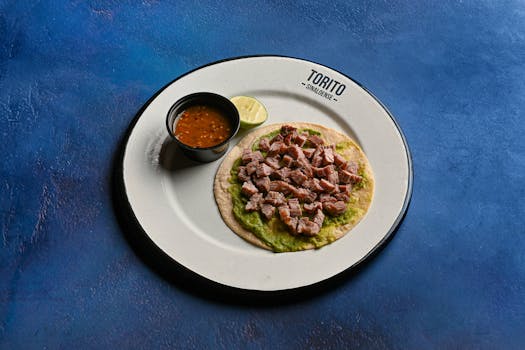
Carne Asada Tacos
The diets react (see scores below)
Common Ingredients
- skirt steak
- corn tortillas
- white onion
- cilantro
- lime
- salsa verde
- jalapeño
- cumin
Specific recipes may vary.
Incompatible with 6 of 11 diets
Diet Ratings
Carne Asada Tacos are fundamentally incompatible with keto due to the corn tortillas. A standard corn tortilla contains approximately 12-15g of net carbs each, and tacos are typically served in multiples (2-3), delivering 24-45g of net carbs from the tortillas alone — potentially consuming an entire day's carb budget from the shell. The skirt steak, cilantro, lime juice (minimal), jalapeño, and cumin are all keto-friendly. White onion in small quantities is borderline acceptable. However, the corn tortilla is a grain-based starch that is a core incompatible ingredient in ketogenic eating. The dish as described cannot be made keto without fundamentally altering its defining component.
Carne Asada Tacos contain skirt steak, which is beef — a direct animal product and the defining ingredient of this dish. This unambiguously violates the core vegan principle of excluding all animal flesh. The remaining ingredients (corn tortillas, white onion, cilantro, lime, salsa verde, jalapeño, cumin) are all plant-based, but the primary protein renders the dish entirely non-vegan. There is no meaningful debate within the vegan community about whether beef is excluded.
Carne Asada Tacos are fundamentally incompatible with the paleo diet due to corn tortillas, which are made from corn — a grain that is explicitly excluded from paleo. While nearly all other ingredients (skirt steak, white onion, cilantro, lime, jalapeño, cumin, and salsa verde) are fully paleo-approved whole foods, the corn tortilla is the structural backbone of this dish and cannot be overlooked. Corn is a grain and represents exactly the type of agricultural-era food the paleo framework excludes. The dish as traditionally prepared cannot be considered paleo-compliant.
Carne Asada Tacos are centered on skirt steak, a red meat that the Mediterranean diet explicitly limits to a few times per month. Red meat as the primary protein of a meal directly contradicts the diet's core principles, which emphasize plant-based foods, fish, and seafood. While several individual ingredients are Mediterranean-friendly — corn tortillas are a whole grain, and the vegetable accompaniments (onion, cilantro, lime, jalapeño, salsa verde) are plant-forward — they cannot offset the foundational issue of red meat as the dish's centerpiece. Cumin and fresh vegetables add nutritional value, but the dish as a whole is not compatible with regular Mediterranean diet consumption.
Carne Asada Tacos are fundamentally incompatible with the carnivore diet. While the skirt steak itself is an excellent carnivore food, virtually every other component is plant-derived and strictly excluded. Corn tortillas are a grain-based food — grains are among the most prohibited foods on carnivore. White onion, cilantro, lime, salsa verde, jalapeño, and cumin are all plant foods (vegetables, herbs, fruit, and spices) that violate core carnivore rules. This dish is essentially a vehicle of plant foods with meat as one component. There is no version of this dish that could be made carnivore-compliant without stripping it down to just the steak itself, at which point it is no longer a taco.
Corn tortillas are made from corn, which is a grain explicitly excluded on the Whole30 program. Regardless of how compliant the other ingredients are (skirt steak, onion, cilantro, lime, jalapeño, and cumin are all Whole30-approved; salsa verde would need label-checking), the corn tortillas alone disqualify this dish. Furthermore, tacos as a format fall under the 'no recreating junk food or grain-based wraps' rule — tortillas and wraps are explicitly listed as off-limits even if a compliant version could theoretically be constructed.
Carne asada tacos have a mixed FODMAP profile. The base protein (skirt steak) and corn tortillas are low-FODMAP staples. Lime, cilantro, jalapeño, and cumin are all low-FODMAP at typical serving sizes. The main concern is white onion, which is high in fructans and high-FODMAP even in small amounts — a common taco topping that is problematic during elimination. Salsa verde frequently contains onion and garlic (both high-fructan), making it a significant risk unless it is a verified low-FODMAP recipe. If the white onion is omitted or replaced with the green tops of spring onions, and the salsa verde is confirmed onion/garlic-free, the dish could reach an 'approve' rating. As typically prepared in a restaurant or at home following a standard recipe, the onion and salsa verde push this into caution territory.
Monash University rates raw onion as clearly high-FODMAP even in small amounts, and most commercial or restaurant salsa verdes contain onion and/or garlic. Some clinical FODMAP dietitians would rate this dish 'avoid' during strict elimination due to the near-certainty of onion in both the topping and salsa, while others permit it if the cook has full control over ingredients and can substitute green onion tops and use a low-FODMAP salsa.
Carne Asada Tacos present a mixed DASH profile. On the positive side, corn tortillas are a whole grain option that DASH endorses, and the vegetable-forward toppings (white onion, cilantro, jalapeño, salsa verde, lime) contribute potassium, fiber, and beneficial micronutrients with minimal sodium in their fresh forms. Cumin adds flavor without sodium. However, the primary concern is skirt steak, which is a relatively fatty cut of red meat — DASH guidelines explicitly limit red meat due to its saturated fat and recommend lean poultry or fish as preferred proteins. Skirt steak contains roughly 5–7g saturated fat per 3oz serving, approaching or exceeding the ~5% daily saturated fat limit DASH targets. Red meat is categorized as an occasional food (no more than a few servings per week) rather than a staple in DASH. Sodium can also climb if salsa verde is store-bought. Overall, this dish is acceptable in moderate portions and occasional frequency, but the red meat base prevents an approval rating.
NIH DASH guidelines place red meat in the 'limit' category due to saturated fat content, recommending lean cuts only occasionally. However, some updated clinical interpretations note that skirt steak, when trimmed and grilled (as in carne asada preparation), has a lower saturated fat profile than many other beef cuts, and some DASH-aligned dietitians accept lean grilled beef in controlled portions as compatible with overall dietary pattern goals — particularly when paired with fiber-rich whole-grain tortillas and ample vegetables.
Carne asada tacos present a mixed Zone picture. Skirt steak is a moderately lean beef cut that provides adequate protein but carries more saturated fat than Zone-preferred proteins like skinless chicken or fish — it can work in the Zone but requires trimming and portion control (~3 oz to hit ~21g protein). Corn tortillas are a mid-glycemic carbohydrate: higher GI than most Zone-favorable vegetables and fruits, but not as problematic as white flour tortillas. A typical street taco uses 2 small corn tortillas (~24g net carbs total), which is already close to 2.5–3 carb blocks and pushes the carb ceiling without much room for vegetable-based carbs. The garnishes are Zone-positive: white onion, cilantro, lime juice, salsa verde, and jalapeño are all low-glycemic, polyphenol-rich additions that add minimal carb load and support the anti-inflammatory goals Sears emphasizes. Cumin is anti-inflammatory. The dish lacks a visible monounsaturated fat source (no avocado, olive oil, or nuts), so fat balance depends heavily on the natural fat in the skirt steak, which skews saturated rather than monounsaturated. To Zone-optimize: reduce to 1 corn tortilla, trim the steak fat, add sliced avocado, and pair with a side of grilled vegetables to rebalance the carb block ratio toward low-GI sources.
Some Zone practitioners, particularly those following Sears' later writings that soften the stance on traditional whole-food carbohydrates, treat small corn tortillas as acceptable 'unfavorable' carbs in controlled portions, especially given corn tortillas' modest fiber content and cultural food context. Additionally, while skirt steak has more saturated fat than ideal, Sears' post-2000 anti-inflammatory writing acknowledges that minimally processed red meat in moderate portions does not necessarily disqualify a meal from Zone compliance.
Carne asada tacos present a mixed anti-inflammatory profile. On the pro-inflammatory side, skirt steak is a red meat with notable saturated fat content and arachidonic acid, which are flagged under anti-inflammatory guidelines. Red meat falls in the 'limit' category. However, several mitigating factors bring this dish closer to neutral. Corn tortillas are a whole-grain alternative to refined flour tortillas and are a relatively low-glycemic vehicle. The toppings — cilantro, lime, jalapeño, cumin, white onion, and salsa verde — are genuinely anti-inflammatory: cumin contains anti-inflammatory phenols, jalapeño provides capsaicin, lime contributes vitamin C and flavonoids, and cilantro has antioxidant properties. Salsa verde (tomatillos, chili, herbs) adds polyphenols. The dish is not fried, contains no processed ingredients, added sugars, trans fats, or seed oils, which distinguishes it favorably from other red meat preparations. The portion context matters: two tacos with modest steak quantity surrounded by anti-inflammatory garnishes is very different from a large carne asada plate. Assessed as a typical street-style taco, this lands at the higher end of 'caution' — a real-food dish with meaningful pro-inflammatory red meat offset by a strong supporting cast of anti-inflammatory herbs, spices, and vegetables.
Some anti-inflammatory practitioners, including those aligned with Dr. Weil's pyramid, would note that red meat in modest portions is 'limit' not 'avoid,' and that the herb-and-spice-heavy preparation with corn tortillas makes this an acceptable occasional meal. However, stricter anti-inflammatory protocols — particularly those addressing cardiovascular or autoimmune inflammation — would flag skirt steak's saturated fat and arachidonic acid content more seriously, recommending substitution with grilled fish or chicken.
Carne asada tacos offer a meaningful protein contribution from skirt steak, but skirt steak is a moderately fatty cut (roughly 10-14g fat per 3oz serving) with more saturated fat than ideal for GLP-1 patients. Two to three street-style corn tortillas add modest fiber and are far preferable to flour tortillas, but the overall meal is portion-sensitive — a typical restaurant serving of 2-3 tacos can push fat content high enough to worsen nausea, bloating, or reflux. The supporting ingredients (onion, cilantro, lime, salsa verde) are nutrient-positive and low-calorie. Jalapeño may trigger mild reflux or nausea in GLP-1 patients with GI sensitivity. The dish is not fried and avoids the worst offenders, but the fat profile of skirt steak and the spice element keep this firmly in caution territory. A home-prepared version with 2 small corn tortillas, a modest portion of well-trimmed skirt steak, and mild salsa is more GLP-1 friendly than a restaurant serving.
Some GLP-1-focused registered dietitians accept lean beef cuts including skirt steak in moderation as a complete protein source with good iron and B12 density, arguing the saturated fat concern is overstated at small portion sizes typical on GLP-1 medications. Others are more conservative, recommending patients avoid all moderately fatty red meats during active weight loss phases due to compounded GI side effect risk and lower protein-per-calorie efficiency compared to chicken or fish.
*See how scores were generated at our methodology page.
Nutritional profile
Six traits that cut across every diet.
Fiber & Plants
How much whole-plant food and fiber it delivers.
Healthy Fats
The quality of its fats (unsaturated, omega-3).
Whole / Unprocessed
How close it is to its natural, unprocessed form.
Gut Gentle
How easy it is on digestion (low FODMAP, few irritants).
Low Glycemic
How little it spikes your blood sugar.
Protein Density
How much protein it packs per calorie.
Controversy Index
Higher controversy = more disagreement between diets.
Diet-Specific Tips
 Low-FODMAP — 5/10
View tips
- White onion is high-FODMAP due to fructans — a primary concern even in small servings
- Salsa verde typically contains onion and/or garlic, both high-fructan FODMAPs
- Corn tortillas are low-FODMAP and a safe gluten-free base
- Skirt steak (plain, unmarinated) is low-FODMAP
- Cilantro, lime, jalapeño, and cumin are all low-FODMAP at typical serving sizes
- Dish can be made low-FODMAP with modifications: omit onion, use green onion tops, verify salsa is onion/garlic-free
 DASH — 5/10
View tips
- Skirt steak is red meat, which DASH explicitly limits due to saturated fat
- Corn tortillas are a DASH-friendly whole grain carbohydrate
- Fresh vegetable toppings (onion, cilantro, jalapeño, lime) are DASH-approved
- Salsa verde sodium varies significantly — store-bought can add 150–300mg per serving
- Cumin and fresh lime juice add flavor without sodium, supporting low-sodium cooking
- Portion size is critical — 2–3 small tacos keeps saturated fat and calories in range
- Occasional consumption (1–2x/week) is more compatible with DASH than regular meals
 Zone — 5/10
View tips
- Skirt steak is moderate protein but higher in saturated fat than Zone-preferred lean proteins
- Corn tortillas are a mid-glycemic 'unfavorable' Zone carbohydrate but not in the same category as white bread or sugar
- Two standard corn tortillas consume most of the carb block budget, crowding out Zone-favorable vegetable carbs
- Garnishes (onion, cilantro, lime, salsa verde, jalapeño) are Zone-positive and anti-inflammatory
- No monounsaturated fat source present — avocado addition would significantly improve Zone balance
- Dish can be Zone-adapted with portion control but requires deliberate modifications to hit 40/30/30
 Anti-Inflammatory — 5/10
View tips
- Skirt steak is red meat — falls in 'limit' category due to saturated fat and arachidonic acid
- Corn tortillas preferred over flour tortillas — lower glycemic, whole grain
- Cumin is a notable anti-inflammatory spice with phenolic compounds
- Jalapeño provides capsaicin, a known anti-inflammatory compound
- Lime, cilantro, and white onion contribute antioxidants and flavonoids
- Salsa verde adds polyphenol-rich tomatillos and chili peppers
- No processed ingredients, seed oils, refined grains, or added sugars
- Portion-dependent: small street taco portions mitigate red meat concerns
 GLP-1 Friendly — 5/10
View tips
- Skirt steak is a moderate-fat cut with meaningful saturated fat — higher GI side effect risk than lean proteins
- Corn tortillas are preferable to flour tortillas: lower fat, slightly higher fiber, more nutrient-dense per calorie
- Jalapeño may worsen reflux or nausea in GLP-1-sensitive patients
- Salsa verde, lime, cilantro, and onion are low-calorie, nutrient-positive additions
- Protein per serving is meaningful but portion size is critical — restaurant servings often exceed GLP-1-friendly fat thresholds
- No frying, no added sugar, no carbonation — avoids the worst GLP-1 triggers
- Home preparation with portion control scores higher than restaurant version