Chinese
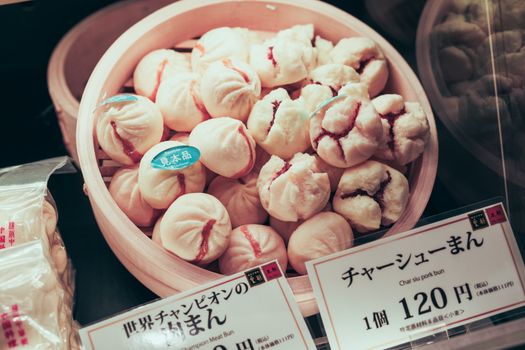
Char Siu Bao (BBQ Pork Buns)
The diets react (see scores below)
Common Ingredients
- bao dough
- char siu pork
- oyster sauce
- hoisin sauce
- sugar
- scallions
- soy sauce
- sesame oil
Specific recipes may vary.
Incompatible with 9 of 11 diets
Diet Ratings
Char Siu Bao is fundamentally incompatible with a ketogenic diet. The bao dough is made from refined wheat flour, a grain-based carbohydrate that alone accounts for 30-40g+ of net carbs per bun. The filling compounds the problem with multiple high-sugar, high-carb condiments: hoisin sauce is heavily sweetened (approximately 10g sugar per tablespoon), oyster sauce contains added sugar and starch, and explicit added sugar is listed as an ingredient in both the dough and the char siu pork glaze. A single bun can easily contain 40-50g of net carbs, exceeding or nearly exhausting the entire daily keto carb budget in one snack. There is no realistic portion size that makes this dish keto-compatible.
Char Siu Bao contains char siu pork as its primary filling, which is a direct animal product and categorically non-vegan. Oyster sauce is also animal-derived, made from oyster extracts. These two ingredients alone make this dish incompatible with a vegan diet regardless of any other components. The bao dough, hoisin sauce, sugar, scallions, soy sauce, and sesame oil may individually be vegan-compatible, but the pork and oyster sauce are disqualifying.
Char Siu Bao is fundamentally incompatible with the paleo diet. The bao dough is made from wheat flour, a grain explicitly excluded from paleo. Beyond the dough, nearly every other component also violates paleo principles: soy sauce contains wheat and soy (both a grain and a legume), hoisin sauce is soy and sugar-based, oyster sauce typically contains added sugar and starch, and refined sugar is a direct exclusion. Sesame oil is a seed oil, which is also prohibited. The only paleo-compatible element is the pork itself, but even the char siu preparation involves sugar, soy sauce, and hoisin marinade. This dish fails on multiple simultaneous paleo violations across nearly every ingredient.
Char Siu Bao conflicts with Mediterranean diet principles on multiple fronts. The primary protein is BBQ pork, a red/processed meat that should be limited to only a few times per month. The bao dough is made from refined white flour with added sugar, representing the refined grains and added sugars the Mediterranean diet minimizes. The filling is loaded with high-sodium, high-sugar condiments (hoisin sauce, oyster sauce, soy sauce) that are highly processed. Sesame oil, while a plant fat, is not the preferred fat (extra virgin olive oil). The dish is essentially a processed snack built around red meat wrapped in refined dough — nearly every component runs counter to Mediterranean principles.
Char Siu Bao is fundamentally incompatible with the carnivore diet. While it contains pork as the protein base, nearly every other ingredient violates carnivore principles. The bao dough is a wheat-flour-based bread product — a grain that is strictly excluded. The char siu pork itself is marinated with hoisin sauce (fermented soybean paste, sugar, garlic), oyster sauce (plant additives, sugar, starch), soy sauce (fermented soybeans — legume-derived), sesame oil (plant oil), and sugar. Scallions are a plant food. The dish is essentially a heavily plant-processed, sugar-laden, grain-wrapped pork preparation with virtually no carnivore-compliant elements beyond the pork itself, which has been adulterated beyond recognition by plant-based sauces and sweeteners.
Char Siu Bao fails Whole30 on multiple fronts simultaneously. The bao dough is made from wheat flour, a grain explicitly excluded from Whole30. Even if the dough issue were resolved, the dish is a steamed or baked bun — a bread/baked good category explicitly prohibited under the 'no recreating baked goods' rule. Beyond the structural issues, the filling contains multiple excluded ingredients: soy sauce (soy is a legume and excluded), hoisin sauce (contains soy, sugar, and often wheat), and added sugar directly listed as an ingredient. Oyster sauce also typically contains added sugar and sometimes starch. This dish violates at least four distinct Whole30 rules.
Char Siu Bao is high-FODMAP due to multiple problematic ingredients. The bao dough is made from wheat flour, which is high in fructans — a major FODMAP trigger. Hoisin sauce typically contains garlic and/or onion, both high-fructan ingredients. Oyster sauce in standard commercial form often contains garlic or high-FODMAP additives. Scallions (green onion bulbs/white parts) are high in fructans, though the green tops are low-FODMAP. Char siu pork itself is often marinated with hoisin sauce and garlic-containing pastes. The combination of wheat-based dough, hoisin sauce, and scallion whites creates multiple simultaneous high-FODMAP exposures with no realistic way to reduce the serving size to a safe level. Soy sauce in small amounts is generally low-FODMAP, and sesame oil is low-FODMAP, but these safe ingredients do not offset the multiple high-FODMAP components. This dish is not suitable during the elimination phase of a low-FODMAP diet.
Char Siu Bao is highly problematic for the DASH diet on multiple fronts. The dish combines high-sodium condiments (soy sauce, oyster sauce, hoisin sauce) that collectively can push a single serving well above 600-900mg sodium — a substantial portion of the 1,500-2,300mg daily DASH limit. Char siu pork is typically a fatty, sugar-glazed preparation of pork belly or shoulder, representing both the red meat and added sugar categories that DASH explicitly limits. The refined white flour bao dough offers negligible fiber and no whole grain benefit. The combination of high sodium, added sugars, saturated fat from pork, and refined carbohydrates makes this dish antithetical to DASH principles across nearly every key nutrient dimension. While sesame oil and scallions are DASH-friendly components, they are minor contributors that do not offset the dish's overall nutritional profile.
Char Siu Bao presents significant Zone Diet challenges primarily due to its macronutrient structure. The bao dough is made from refined white flour, a high-glycemic carbohydrate that Sears explicitly categorizes as 'unfavorable' — it causes rapid blood sugar spikes and disrupts eicosanoid balance. The filling compounds the issue with added sugars from hoisin sauce, oyster sauce, and direct sugar — pushing the glycemic load higher. The char siu pork itself, while providing protein, is typically a fattier cut (pork shoulder/butt) with significant saturated fat, and the preparation adds more sugar through the BBQ marinade. Sesame oil contributes omega-6 fatty acids rather than the preferred monounsaturated fats. The ratio is fundamentally skewed: very high-glycemic carbs from the dough dominate, protein is moderate and fatty, and fats are not Zone-favorable. While technically one could eat a very small portion and try to balance with other foods, the dish as constructed makes Zone balancing extremely difficult — it's not a pure-sugar 'avoid' but it scores very low within the caution range. This is closer to the avoid threshold due to the compounding of refined flour + added sugars + fatty protein + omega-6 fats.
Char Siu Bao is a combination of multiple pro-inflammatory elements that collectively push it firmly into the avoid category. The bao dough is made from refined white flour with added sugar, providing virtually no fiber or nutrients while spiking blood glucose. The char siu pork is typically a fatty, high-sodium preparation often involving red meat with added sugar and honey glazing — a trifecta of saturated fat, added sugar, and high-heat cooking (char/BBQ) that generates advanced glycation end-products (AGEs), well-documented drivers of inflammation. Hoisin sauce and oyster sauce add substantial refined sugar and sodium. The overall sugar load across dough, char siu glaze, hoisin, and added sugar is significant. Sesame oil and scallions offer minor anti-inflammatory notes, but they are tokenistic against the overall inflammatory burden. This dish is processed, high in refined carbohydrates, added sugars, saturated fat from pork, and produces AGEs through char cooking — nearly all the hallmarks of a pro-inflammatory food pattern.
Char Siu Bao presents a mixed nutritional profile for GLP-1 patients. The char siu pork filling provides some protein, but the dominant component is refined white flour dough with added sugar — low in fiber, moderate in fat from both the pork and sesame oil, and relatively calorie-dense per bite. The char siu filling typically uses fattier cuts of pork (shoulder or belly) glazed with hoisin and sugar, meaning moderate-to-high saturated fat and significant added sugar content. The bao dough is a refined grain with minimal nutritional value, contributing empty carbohydrate calories. Sodium is elevated from oyster sauce, soy sauce, and hoisin. On the positive side, portion size is naturally small (one bun), and the dish is soft and easy to digest. However, the protein-per-calorie ratio is poor compared to lean protein alternatives, and the sugar and fat content can worsen GLP-1 nausea and bloating. Acceptable as an occasional small indulgence within a well-structured meal plan, but not a food to rely on for nutritional goals on GLP-1 therapy.
*See how scores were generated at our methodology page.
Nutritional profile
Six traits that cut across every diet.
Fiber & Plants
How much whole-plant food and fiber it delivers.
Healthy Fats
The quality of its fats (unsaturated, omega-3).
Whole / Unprocessed
How close it is to its natural, unprocessed form.
Gut Gentle
How easy it is on digestion (low FODMAP, few irritants).
Low Glycemic
How little it spikes your blood sugar.
Protein Density
How much protein it packs per calorie.
Controversy Index
Higher controversy = more disagreement between diets.
Diet-Specific Tips
 Zone — 5/10
View tips
- Refined white flour bao dough is a high-glycemic carbohydrate explicitly unfavorable in Zone methodology
- Multiple added sugar sources (hoisin sauce, oyster sauce, direct sugar in char siu marinade) dramatically increase glycemic load
- Pork shoulder/butt is a fatty protein, not a lean Zone-approved protein source
- Sesame oil provides omega-6 fats rather than Zone-preferred monounsaturated fats
- The 40/30/30 ratio is nearly impossible to achieve with this dish as constructed — carbs dominate heavily
- Soy sauce adds high sodium but is nutritionally neutral for Zone purposes
- As a snack, there is no opportunity to balance with additional protein or vegetables to correct the ratio
 GLP-1 Friendly — 4/10
View tips
- Refined white flour dough is low in fiber and nutrient-poor
- Char siu pork uses fatty cuts with added sugar glaze — moderate saturated fat and high sugar
- Poor protein-to-calorie ratio compared to lean protein sources
- Elevated sodium from multiple condiments (soy sauce, oyster sauce, hoisin)
- Soft texture is easy to digest and portion size is naturally small
- Sesame oil and hoisin add fat and calories without significant nutritional benefit
- Added sugars in both the dough and filling are counterproductive on GLP-1 therapy