Japanese
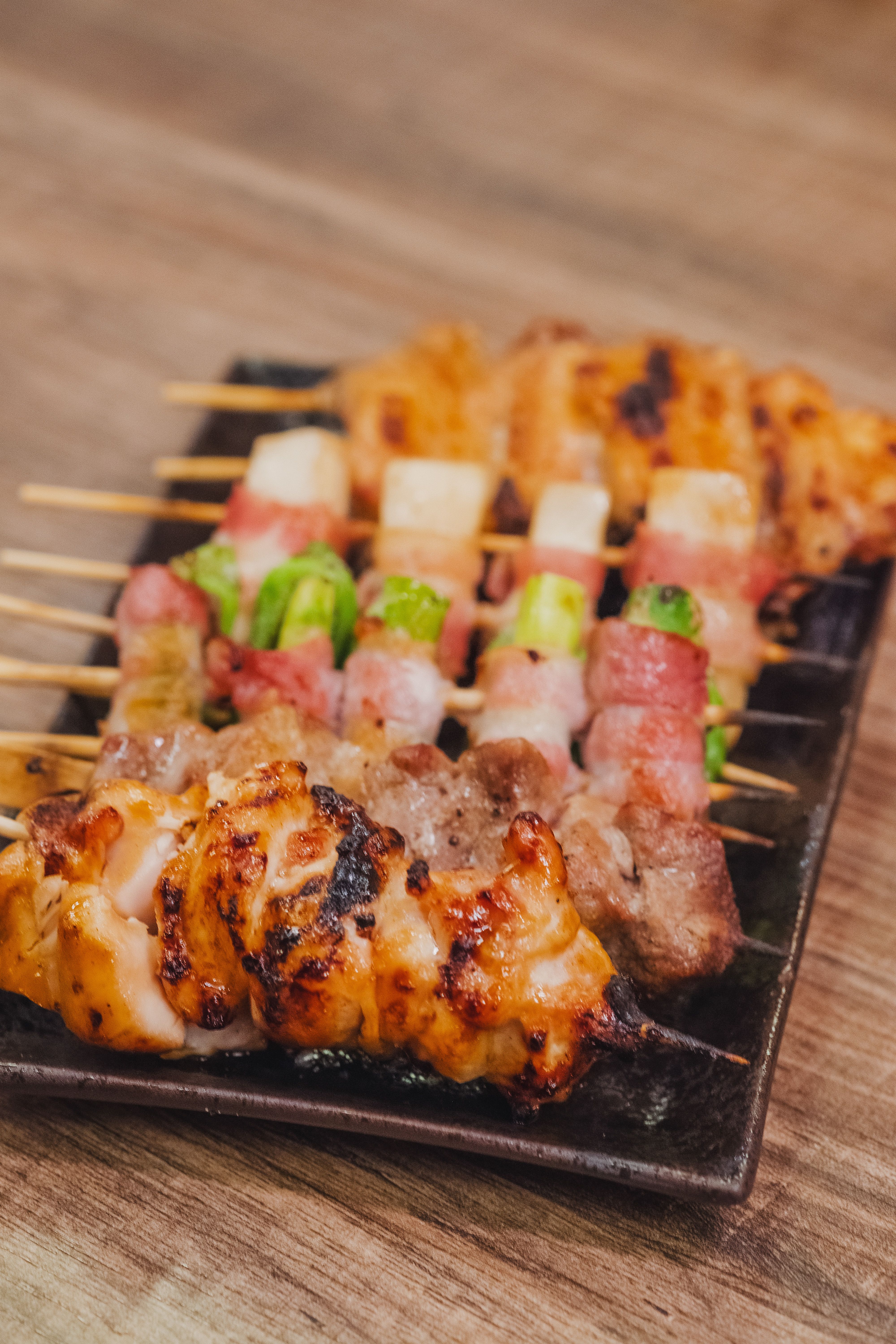
Chicken Yakitori
The diets react (see scores below)
Common Ingredients
- chicken thighs
- scallions
- soy sauce
- mirin
- sake
- sugar
- sansho pepper
- sesame oil
Specific recipes may vary.
Incompatible with 4 of 11 diets
Diet Ratings
Chicken yakitori is fundamentally problematic for keto due to its traditional tare sauce, which combines mirin, sake, and sugar — all significant carbohydrate sources. Mirin contains roughly 14g carbs per tablespoon, sake adds additional carbs, and added sugar compounds the issue. The sauce is typically reduced and reapplied multiple times during grilling, concentrating the carb load. The chicken thighs themselves are excellent for keto (high fat, quality protein), and scallions and sansho pepper are negligible. Sesame oil is keto-friendly. The dish hinges entirely on how much tare sauce is used per serving. A lightly glazed skewer might stay within caution territory; traditionally sauced yakitori will push net carbs higher. This is consumable on keto only with significant sauce reduction or keto-modified tare (replacing mirin and sugar with small amounts of erythritol and dry sake or water).
Some lazy keto and flexible keto practitioners argue that a 2-3 skewer snack portion carries only modest sauce contact area relative to chicken mass, keeping net carbs under 5-8g per serving and fitting within a daily budget. Strict keto and carnivore-adjacent practitioners counter that any intentional added sugar and high-glycemic sweeteners like mirin have no place in a ketogenic protocol regardless of portion size.
Chicken Yakitori contains chicken thighs as its primary ingredient, which is unambiguously an animal product (poultry). This directly violates the foundational rule of a vegan diet, which excludes all animal flesh. No amount of plant-based accompaniments (scallions, soy sauce, mirin, sake, sugar, sansho pepper, sesame oil) can offset the presence of chicken. This dish is entirely incompatible with a vegan diet.
Chicken Yakitori contains multiple non-paleo ingredients that disqualify it from approval. Soy sauce is a fermented soy product (a legume) and also contains wheat (a grain), making it doubly non-paleo. Mirin is a sweet rice wine — a grain-based alcohol with added sugar. Sake is rice-based alcohol, again grain-derived. Refined sugar is explicitly excluded from paleo. Sesame oil is a seed oil, which is on the avoid list. While chicken thighs, scallions, and sansho pepper are fully paleo-approved, the marinade/glaze is built almost entirely on non-paleo foundations. This is not a borderline case — soy sauce, mirin, sake, refined sugar, and sesame oil represent clear violations with strong consensus across all major paleo authorities.
Chicken Yakitori features grilled chicken thighs, which fall into the 'moderate' poultry category of the Mediterranean diet — acceptable but not a core staple. The protein itself is fine in moderation, but the preparation introduces several non-Mediterranean concerns: soy sauce and mirin add significant sodium and sugar; the tare sauce contains added sugar and refined mirin; sesame oil, while a plant-based fat, displaces the preferred extra virgin olive oil; and sake adds alcohol with no Mediterranean tradition behind it. The dish is also entirely non-Mediterranean in culinary origin, lacking olive oil, legumes, vegetables, or whole grains as components. As a snack, it provides protein but little of the fiber, phytonutrients, or healthy fats central to Mediterranean eating patterns.
Some modern Mediterranean diet practitioners take a flexible, whole-foods-friendly view, noting that grilled lean poultry with minimal processing is broadly consistent with the diet's principles, and that the sugar and sodium content in a small yakitori serving may be modest enough to be acceptable within an otherwise Mediterranean dietary pattern.
Chicken Yakitori is fundamentally incompatible with the carnivore diet. While the chicken thighs themselves are an acceptable animal protein, the dish is heavily reliant on plant-derived and processed condiments. Soy sauce is a fermented soybean product (a legume), mirin and sake are plant-derived alcoholic syrups/wines made from rice (a grain), sugar is a refined plant-derived sweetener, sansho pepper is a plant spice, and sesame oil is a plant-based oil. Scallions are also excluded plant matter. The only carnivore-compliant ingredient is the chicken itself. The sauce base — which defines this dish — is entirely off-limits on carnivore. There is no meaningful version of Chicken Yakitori that retains its identity while being carnivore-compliant.
Chicken Yakitori contains multiple excluded ingredients. Soy sauce is a soy product (legume-derived) and is explicitly excluded on Whole30. Mirin is a sweet rice wine containing both alcohol and rice (a grain), making it doubly excluded. Sake is an alcoholic rice wine, excluded on both alcohol and grain grounds. Sugar is explicitly excluded as an added sugar. While chicken thighs, scallions, sansho pepper, and sesame oil are compliant, the core flavoring ingredients of this dish are all non-compliant. A Whole30-compatible version would need to substitute coconut aminos for soy sauce and eliminate or find compliant replacements for mirin, sake, and sugar entirely.
Chicken Yakitori contains several ingredients that need careful evaluation. Chicken thighs are low-FODMAP and safe. Soy sauce is low-FODMAP at standard amounts (2 tablespoons per Monash). Sake and mirin are generally considered low-FODMAP in cooking quantities as alcohol and sugars in small amounts are tolerated. Plain sugar is low-FODMAP. Sesame oil is low-FODMAP (fat-based, no FODMAPs). Sansho pepper is low-FODMAP at culinary amounts. The primary concern is scallions (green onions): the green tops are low-FODMAP, but the white bulb portions are high in fructans and must be avoided. Traditional yakitori recipes use both parts of scallions (negi), meaning FODMAP exposure depends heavily on preparation. Additionally, mirin contains some fructose, and when combined with sugar in a glaze that reduces and concentrates, the cumulative fructose load could become a concern. The dish is borderline safe if only green scallion tops are used and portions of the sweet glaze are kept moderate, but traditional preparation often includes the white parts of scallions and a concentrated sweet-savory tare sauce.
Monash University rates green scallion tops as low-FODMAP, making this dish potentially safe if prepared carefully; however, many clinical FODMAP practitioners advise avoiding scallions entirely during elimination phase due to difficulty separating green and white parts, and caution that concentrated mirin-sugar glazes may push fructose levels higher than expected in a standard serving.
Chicken Yakitori presents a mixed DASH profile. On the positive side, chicken thighs are a lean protein source (though higher in fat than breast meat), and scallions contribute vegetables with potassium and fiber. However, the sauce is the primary concern: soy sauce is extremely high in sodium — a single tablespoon contains ~900-1,000mg, easily pushing a serving toward or beyond the DASH daily sodium limit of 2,300mg (or well over the stricter 1,500mg threshold). Mirin and sugar add significant refined sugars, which DASH discourages. Sake contributes alcohol and minimal nutritional benefit. Sesame oil is an unsaturated fat and acceptable in small amounts. As commonly prepared, the cumulative sodium from soy-sauce-based tare glaze makes this dish problematic for DASH adherence. Substituting low-sodium soy sauce (which cuts sodium by ~40%) and reducing sugar would substantially improve the score. The dish is not categorically excluded — grilled lean chicken with vegetables aligns with DASH protein goals — but the preparation method undermines DASH compliance.
NIH DASH guidelines explicitly flag high-sodium condiments like soy sauce as incompatible with DASH targets. However, some DASH-oriented clinicians note that if low-sodium tamari or reduced-sodium soy sauce is used and portions are controlled (2-3 skewers), the overall sodium load can be brought within acceptable limits — making this dish an occasional moderate option rather than one to strictly avoid.
Chicken Yakitori is a workable Zone snack but requires attention to several factors. The protein source — chicken thighs — is higher in fat and saturated fat than Zone-preferred skinless chicken breast, though it is still a lean-ish animal protein that can fit within Zone blocks. The tare glaze (mirin, sake, sugar) introduces added sugar and moderate glycemic load, which pushes the carbohydrate portion toward 'unfavorable' Zone territory. However, the amounts of these ingredients per skewer are relatively small, so the glycemic impact per serving is manageable. Scallions contribute negligible but favorable low-glycemic carbs and polyphenols. Sesame oil is an omega-6 fat, which Sears explicitly discourages due to its pro-inflammatory properties; it is not a monounsaturated-dominant fat like olive oil or avocado oil. As a snack-sized portion (1-2 skewers), the overall macro profile can approximate a Zone mini-meal if the glaze is used sparingly, but the combination of thigh meat fat, sugar-containing glaze, and sesame oil creates three simultaneous Zone compromises. Substituting breast meat, minimizing the sugar in the tare, and replacing sesame oil with a drizzle of olive oil would significantly improve the Zone score.
Some Zone practitioners and later Sears writings take a more permissive view on traditional cultural foods like yakitori, noting that the anti-inflammatory polyphenols in soy sauce and sansho pepper, combined with the relatively modest portion size typical of Japanese snack culture, may offset the minor glycemic and fat quality concerns. In this reading, yakitori prepared in moderation — especially if made with breast meat — could edge toward a low 'approve' rating. The core question is whether the sugar in the tare glaze is substantial enough per serving to meaningfully spike insulin, which at typical skewer-glaze ratios it likely is not dramatically so.
Chicken yakitori presents a mixed anti-inflammatory profile. On the positive side, lean grilled chicken thighs provide protein with moderate fat content, and scallions offer quercetin and other anti-inflammatory flavonoids. Sansho pepper (Japanese prickly ash) contains hydroxy-alpha-sanshool and other bioactive compounds with potential anti-inflammatory properties. The cooking method — grilling over high heat — is lean and doesn't add inflammatory fats. However, the tare sauce (soy sauce, mirin, sake, sugar) introduces meaningful added sugar and sodium. Soy sauce itself contains some beneficial compounds but is high in sodium and typically made from refined soybeans. The sugar content in classic yakitori tare is a notable concern, as added sugars can elevate inflammatory markers like CRP. Sesame oil, used in small amounts as a finishing or marinade element, contains sesamol and sesamin (lignans with anti-inflammatory activity), but also has moderate omega-6 content. Chicken thighs — the traditional cut used — are fattier than breast meat and classified as 'moderate' in anti-inflammatory frameworks. Overall, this is a moderately acceptable dish: the lean protein, scallions, and spices support anti-inflammatory eating, but the sugary teriyaki-style glaze and sodium load temper the verdict. Frequency and portion size matter here.
Some anti-inflammatory practitioners would rate this more favorably, pointing to traditional Japanese dietary patterns — associated with low rates of inflammatory disease — that regularly include soy-based sauces and moderate sugar in cooking. However, stricter anti-inflammatory protocols flag added sugars and refined soy products as concerns, particularly for individuals managing autoimmune conditions or metabolic inflammation.
Chicken yakitori is a grilled skewered chicken dish that offers solid protein from chicken thighs but comes with notable trade-offs for GLP-1 patients. The protein content is good (roughly 15-20g per 3-4 skewers), and the grilled preparation avoids heavy frying. However, chicken thighs are a fattier cut compared to breast, contributing more saturated fat per serving. The tare glaze (soy sauce, mirin, sake, sugar) adds meaningful sugar and sodium, with mirin and sugar creating a moderately high-glycemic coating. Sesame oil adds unsaturated fat, which is the preferred fat type but still adds caloric density. Sansho pepper is a mild, aromatic spice (related to Sichuan pepper) — generally well-tolerated and unlikely to trigger reflux or nausea at typical yakitori quantities. As a snack-sized portion, the caloric and fat load is manageable, and grilled preparation supports digestibility. The main concerns are the sugary glaze and the use of thigh meat over a leaner cut.
Some GLP-1-focused dietitians accept chicken thighs as a reasonable protein source given their higher satiety value and palatability, arguing that patient adherence matters more than optimal fat profile at moderate portions. Others flag the sugary tare glaze as a consistent concern, noting that repeated high-sodium, higher-sugar condiment use can undermine blood sugar stability and caloric discipline in patients with already reduced appetite.
*See how scores were generated at our methodology page.
Nutritional profile
Six traits that cut across every diet.
Fiber & Plants
How much whole-plant food and fiber it delivers.
Healthy Fats
The quality of its fats (unsaturated, omega-3).
Whole / Unprocessed
How close it is to its natural, unprocessed form.
Gut Gentle
How easy it is on digestion (low FODMAP, few irritants).
Low Glycemic
How little it spikes your blood sugar.
Protein Density
How much protein it packs per calorie.
Controversy Index
Higher controversy = more disagreement between diets.
Diet-Specific Tips
 Keto — 4/10
View tips
- Mirin is high in sugar and carbohydrates (~14g carbs/tbsp)
- Added sugar in tare sauce directly opposes ketosis
- Sake contributes additional carbohydrates
- Chicken thighs are excellent keto protein and fat source
- Sesame oil and sansho pepper are keto-compatible
- Net carbs are highly portion- and preparation-dependent
- Keto-modified version possible by replacing mirin and sugar with low-carb alternatives
 Mediterranean — 4/10
View tips
- Chicken thighs are an acceptable moderate-frequency poultry source
- Added sugar in tare sauce contradicts Mediterranean principles
- High sodium from soy sauce is not Mediterranean
- Sesame oil replaces preferred extra virgin olive oil
- No vegetables, legumes, whole grains, or olive oil present
- Non-Mediterranean culinary tradition with no overlap in core ingredients
- Small snack portion may limit overall dietary impact
 Low-FODMAP — 5/10
View tips
- Scallion white bulbs are high in fructans — only green tops are low-FODMAP
- Concentrated mirin and sugar tare glaze may accumulate excess fructose
- Chicken thighs, sesame oil, soy sauce, sake, and sansho pepper are all low-FODMAP
- Traditional yakitori preparation often does not separate green and white scallion parts
- Portion size of sweet glaze is critical — small amounts are generally safer
 DASH — 4/10
View tips
- High sodium from soy sauce (900-1,000mg per tablespoon) conflicts with DASH sodium limits
- Chicken thighs are acceptable lean protein but higher in saturated fat than chicken breast
- Mirin and added sugar contribute refined sugars, which DASH discourages
- Scallions provide DASH-friendly vegetables with potassium
- Sesame oil is an unsaturated fat, acceptable in moderation under DASH
- Low-sodium soy sauce substitution would meaningfully improve DASH compatibility
- Grilling method is DASH-preferred (no added saturated fat from frying)
 Zone — 5/10
View tips
- Chicken thighs contain more saturated fat than Zone-preferred skinless breast, occupying fat blocks less efficiently
- Mirin and added sugar in tare glaze introduce high-glycemic carbohydrates, an 'unfavorable' Zone carb source
- Sesame oil is omega-6 dominant, conflicting with Sears' anti-inflammatory fat recommendations (monounsaturated preferred)
- Scallions are a favorable low-glycemic Zone carbohydrate
- Small snack-sized portions limit overall glycemic and fat load, making Zone balance achievable with careful portioning
- Soy sauce adds sodium but negligible macronutrient impact; sansho pepper contributes polyphenols (Zone-positive)
 Anti-Inflammatory — 5/10
View tips
- Chicken thighs: moderate fat, acceptable lean protein but fattier than breast — anti-inflammatory framework rates as 'moderate'
- Added sugar in tare glaze: pro-inflammatory at regular consumption, elevates CRP
- Sansho pepper: contains bioactive compounds with potential anti-inflammatory properties
- Scallions: good source of quercetin and flavonoids — anti-inflammatory positive
- Sesame oil: small amounts contain anti-inflammatory lignans (sesamol, sesamin) but moderate omega-6
- Soy sauce: high sodium, refined — mixed profile
- Grilling method: lean preparation, no added inflammatory fats
- Mirin and sake: add alcohol and sugar in small amounts — minor concern
 GLP-1 Friendly — 5/10
View tips
- Chicken thighs are higher in fat and saturated fat than breast — less ideal but not disqualifying
- Tare glaze (mirin, sake, sugar) adds sugar and sodium — moderate glycemic concern
- Grilled preparation is GLP-1 friendly — not fried, easy to digest
- Reasonable protein density per skewer — suitable for small-portion snack sizing
- Sesame oil adds unsaturated fat — acceptable fat type in small amounts
- Sansho pepper generally well-tolerated — low reflux/nausea risk at typical quantities
- Portion-sensitive: 2-3 skewers as a snack is reasonable; larger servings increase fat and sugar load