Photo: Alejandro Aznar / Pexels
Mexican
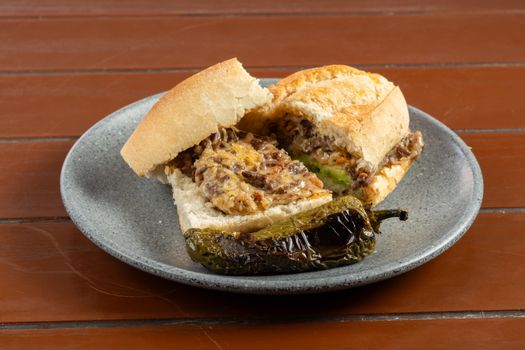
Chiles Rellenos
The diets react (see scores below)
Common Ingredients
- poblano peppers
- Oaxaca cheese
- eggs
- flour
- tomatoes
- onion
- garlic
- vegetable oil
Specific recipes may vary.
Incompatible with 7 of 11 diets
Diet Ratings
Traditional Chiles Rellenos are problematic for keto primarily because of the flour-based batter used to coat the peppers before frying. Flour is a high-carb grain product that is incompatible with ketosis. Poblano peppers themselves carry moderate net carbs (~4-5g per pepper), and when combined with the flour batter, the tomato-based sauce (with onion and garlic adding additional carbs), the total net carbs per serving can easily reach 20-30g or more — potentially blowing the entire daily carb budget in one dish. The Oaxaca cheese and eggs are keto-friendly components, but the flour coating is a dealbreaker in the traditional preparation.
Some keto practitioners argue a modified version — replacing flour batter with a beaten egg-only coating or almond flour — makes the dish keto-compatible. In this 'keto adaptation' camp, the peppers and cheese filling are seen as acceptable, and the tomato sauce in small quantities is manageable. This modified version would shift the verdict to caution rather than avoid.
Chiles Rellenos as listed contain two clear animal-derived ingredients: Oaxaca cheese (a dairy product made from cow's milk) and eggs (used to make the egg batter coating). Both are explicitly excluded under vegan dietary rules. The remaining ingredients — poblano peppers, flour, tomatoes, onion, garlic, and vegetable oil — are fully plant-based, but the dish as described cannot be considered vegan due to the dairy and egg components. A vegan version is achievable by substituting the Oaxaca cheese with a plant-based cheese alternative and replacing the egg batter with an aquafaba or flaxseed-based batter, but that would be a significantly modified dish.
Chiles Rellenos contains multiple non-paleo ingredients that disqualify it outright. Oaxaca cheese is a dairy product, which is excluded under paleo rules. Flour (wheat flour) is a grain and explicitly prohibited. Vegetable oil is a seed oil, also excluded. While some individual components are paleo-friendly — poblano peppers, tomatoes, onion, garlic, and eggs are all approved — the dish as traditionally prepared relies fundamentally on cheese, flour batter, and seed oil for frying. These are not minor or optional additions; they are structural to the dish. A heavily modified version substituting almond flour, omitting cheese, and using avocado oil could approach paleo compliance, but the standard dish as listed cannot be approved.
Chiles Rellenos features several Mediterranean-compatible elements — poblano peppers, tomatoes, onion, and garlic are all plant-forward ingredients aligned with Mediterranean principles. However, the dish involves battered and fried preparation (eggs, flour, vegetable oil rather than olive oil), and Oaxaca cheese adds moderate saturated fat. The frying technique and refined flour batter contradict Mediterranean emphasis on minimally processed preparations. Eggs and cheese are acceptable in moderation under Mediterranean guidelines, and the vegetable base is genuinely positive, but the overall preparation method places this in cautionary territory rather than as an approved staple.
Some Mediterranean diet interpreters would view this more favorably, noting the rich vegetable and legume-forward spirit of Mexican cuisine shares philosophical overlap with Mediterranean eating; substituting olive oil and reducing the batter would bring it closer to approval. Conversely, stricter clinical Mediterranean diet frameworks (e.g., PREDIMED-style protocols) would flag the refined flour batter and deep-frying as meaningful departures from core principles.
Chiles Rellenos is fundamentally incompatible with the carnivore diet. The dish is built around poblano peppers (plant), coated in flour (grain), fried in vegetable oil (plant oil), and served with a tomato-onion-garlic sauce (all plant-based). While eggs and Oaxaca cheese are animal-derived ingredients used in the batter and filling respectively, they are entirely secondary to the overwhelmingly plant-based composition of the dish. No amount of modification short of a complete recipe overhaul could make this carnivore-compliant. The primary structure, flavor, and identity of the dish are plant foods.
Chiles Rellenos as described contain two excluded ingredients: Oaxaca cheese (dairy, which is not permitted on Whole30 — only ghee and clarified butter are allowed as dairy exceptions) and flour (a grain, explicitly excluded). The traditional preparation relies on both a cheese filling and a flour-based egg batter for coating, making this dish non-compliant in its standard form. Even if the cheese were omitted, the flour coating alone would disqualify it.
Chiles Rellenos as traditionally prepared contains multiple high-FODMAP ingredients that make it unsuitable during the elimination phase. The most problematic ingredients are onion and garlic, which are among the highest-FODMAP foods tested by Monash University due to their dense fructan content — even small amounts can trigger symptoms. These are used in the tomato sauce base, meaning FODMAPs are water-soluble and will leach throughout the dish. Additionally, Oaxaca cheese is a fresh, semi-soft cheese with moderate lactose content, similar to mozzarella — while mozzarella is low-FODMAP at ~40g per Monash, Oaxaca cheese lacks direct Monash testing and the generous quantities used in chiles rellenos raise concern. The wheat flour used for the batter coating adds fructans. Poblano peppers themselves are low-FODMAP, as are eggs, tomatoes (in standard serves), and vegetable oil. However, the combination of onion, garlic, and wheat flour in a single dish makes this a clear avoid during elimination phase.
Chiles Rellenos presents a mixed DASH diet profile. On the positive side, poblano peppers are an excellent DASH food — rich in potassium, fiber, and vitamins — and the tomato-based sauce with onion and garlic adds further DASH-friendly nutrients. However, the dish has several concerns: Oaxaca cheese is a full-fat dairy product (DASH specifies low-fat/fat-free dairy), the egg-and-flour batter adds refined carbohydrates and dietary cholesterol, and the dish is deep-fried in vegetable oil, significantly raising total fat content. The frying method is the biggest red flag — DASH discourages high-fat preparation methods. If prepared with reduced-fat cheese and baked rather than fried, this dish would score considerably higher (6-7). As commonly prepared, the combination of full-fat cheese, egg batter, and deep frying places it firmly in the 'caution' category requiring portion control.
NIH DASH guidelines emphasize low-fat dairy and limited total fat, which this dish clearly exceeds in traditional preparation. However, updated clinical interpretations note that the 2020-2025 Dietary Guidelines removed the cholesterol cap and some cardiovascular dietitians now accommodate full-fat cheese in small portions, suggesting a baked version with moderate cheese could be more acceptable than strict DASH would imply.
Chiles Rellenos presents a mixed Zone profile. The poblano peppers are an excellent low-glycemic, polyphenol-rich vegetable base — very favorable in Zone terms. Eggs provide reasonable protein, though whole eggs include saturated fat. However, the dish has several Zone challenges: Oaxaca cheese is a full-fat dairy with significant saturated fat, shifting the fat profile away from the preferred monounsaturated fats. The flour coating (typically a significant egg-and-flour batter) adds moderate-to-high glycemic carbohydrates that count against the carb block budget with less nutritional value than vegetables. Deep frying in vegetable oil (likely omega-6-heavy seed oil such as corn or sunflower) is a concern given Zone's anti-inflammatory emphasis — Sears specifically discourages arachidonic acid precursors and omega-6-heavy oils. The tomato-based sauce is favorable. Overall, the macro balance skews toward fat and carbs with insufficient lean protein, and the fat quality is problematic. A smaller portion could fit into a Zone meal as a side component alongside lean protein, but as a standalone main it is difficult to balance into the 40/30/30 ratio without significant modification.
Some Zone practitioners would note that the poblano pepper base, eggs, and tomato sauce contain genuinely Zone-favorable ingredients, and that in Sears' later writings (The OmegaRx Zone, The Anti-Inflammation Zone) he moderated his strict stance on saturated fat when paired with adequate omega-3 intake. A modified version using less batter, part-skim cheese, and olive or avocado oil for frying could push this closer to a moderate Zone meal.
Chiles Rellenos has a mixed anti-inflammatory profile. On the positive side, poblano peppers are rich in vitamin C, carotenoids, and capsaicinoids with documented anti-inflammatory properties. Tomatoes, onion, and garlic contribute lycopene, quercetin, and allicin — all well-supported anti-inflammatory compounds. Eggs provide choline and selenium with broadly neutral-to-moderate anti-inflammatory value in most research. However, several elements pull the dish toward a more cautious rating. Oaxaca cheese is a full-fat dairy product (high in saturated fat), which mainstream anti-inflammatory guidelines recommend limiting. The flour coating adds refined carbohydrates with minimal nutritional benefit. Most significantly, the dish is traditionally deep-fried in vegetable oil — a generic term that often means high-omega-6 oils like corn, sunflower, or soybean oil, which most anti-inflammatory protocols flag for oxidation risk and unfavorable omega-6 load, especially when used for high-heat frying. The combination of full-fat cheese, refined flour batter, and frying oil substantially offsets the benefits of the peppers and aromatics. If prepared with minimal frying, reduced cheese, or an air-baked method, the profile would improve noticeably.
Some mainstream nutrition perspectives (AHA, USDA) would view this dish more favorably, noting that the vegetable oil used in frying (if canola or high-oleic sunflower) can be relatively neutral and that the overall dish provides meaningful vegetables and micronutrients. Conversely, stricter anti-inflammatory and AIP-oriented practitioners might rate this lower still, flagging both the nightshade peppers (potential solanine concerns for autoimmune individuals) and the dairy component more harshly than this assessment does.
Chiles Rellenos in their traditional preparation are poorly suited for GLP-1 patients. The dish involves batter-coating (flour and egg) and deep-frying in vegetable oil, which significantly raises fat content and makes digestion difficult — directly worsening the nausea, bloating, and reflux that GLP-1 medications already provoke via slowed gastric emptying. The primary filling is Oaxaca cheese, a high-fat, low-fiber dairy ingredient with moderate protein that does not meaningfully support the 100-120g daily protein target. The poblano pepper, while nutritious and fiber-containing, is also a spicy-adjacent irritant that can worsen GI discomfort in sensitive patients. The tomato-based sauce (tomatoes, onion, garlic) is the most GLP-1-friendly component but does not redeem the overall dish. Caloric density comes primarily from fat rather than protein or fiber, making this a poor nutritional trade-off given reduced appetite and calorie intake on GLP-1 therapy.
*See how scores were generated at our methodology page.
Nutritional profile
Six traits that cut across every diet.
Fiber & Plants
How much whole-plant food and fiber it delivers.
Healthy Fats
The quality of its fats (unsaturated, omega-3).
Whole / Unprocessed
How close it is to its natural, unprocessed form.
Gut Gentle
How easy it is on digestion (low FODMAP, few irritants).
Low Glycemic
How little it spikes your blood sugar.
Protein Density
How much protein it packs per calorie.
Controversy Index
Higher controversy = more disagreement between diets.
Diet-Specific Tips
 Mediterranean — 5/10
View tips
- Poblano peppers, tomatoes, onion, and garlic are strongly Mediterranean-compatible vegetables
- Eggs and cheese (dairy) are acceptable in moderation per Mediterranean guidelines
- Battered and fried preparation with refined flour contradicts Mediterranean minimally processed principles
- Vegetable oil (likely refined) used instead of extra virgin olive oil
- High saturated fat from Oaxaca cheese moderates the otherwise plant-positive profile
- Not a traditional Mediterranean dish, but ingredient overlap provides partial compatibility
 DASH — 4/10
View tips
- Poblano peppers are excellent DASH vegetables — high in potassium, fiber, and vitamins C and B6
- Oaxaca cheese is full-fat dairy, conflicting with DASH's low-fat/fat-free dairy requirement
- Deep-frying in vegetable oil substantially increases total fat content, contrary to DASH principles
- Egg batter adds refined flour (not whole grain) and dietary cholesterol
- Tomato-based sauce with garlic and onion is DASH-positive
- Dish is naturally low in sodium relative to many processed foods, a partial positive
- Baked preparation with reduced-fat cheese would significantly improve DASH compatibility
 Zone — 4/10
View tips
- Poblano peppers are a low-glycemic, polyphenol-rich vegetable — highly favorable in Zone
- Flour batter adds moderate-glycemic carbs with low nutritional density, increasing carb blocks inefficiently
- Oaxaca cheese contributes significant saturated fat, misaligning with Zone's monounsaturated fat preference
- Vegetable oil for deep frying likely adds omega-6 fatty acids, which Sears specifically discourages for anti-inflammatory balance
- Eggs provide protein but whole eggs add saturated fat; the protein content per serving may be insufficient to meet Zone protein block targets
- Tomato, onion, and garlic in the sauce are favorable low-glycemic ingredients
- As a standalone main with no listed lean protein, the 40/30/30 macro ratio is difficult to achieve
 Anti-Inflammatory — 4/10
View tips
- Poblano peppers: rich in capsaicinoids, vitamin C, and carotenoids — pro anti-inflammatory
- Tomatoes, onion, garlic: lycopene, quercetin, allicin — strong anti-inflammatory aromatics and sauce base
- Oaxaca cheese: full-fat dairy, high saturated fat — anti-inflammatory guidelines recommend limiting
- Flour batter: refined carbohydrate with minimal fiber — minor pro-inflammatory concern
- Vegetable oil for frying: likely high-omega-6 (corn, sunflower, soybean); high-heat frying increases oxidation risk — significant concern in anti-inflammatory frameworks
- Eggs: mixed but broadly neutral for general population anti-inflammatory assessment
- Nightshades: generally approved in mainstream anti-inflammatory guidance but flagged in AIP protocols for autoimmune-sensitive individuals