Chinese
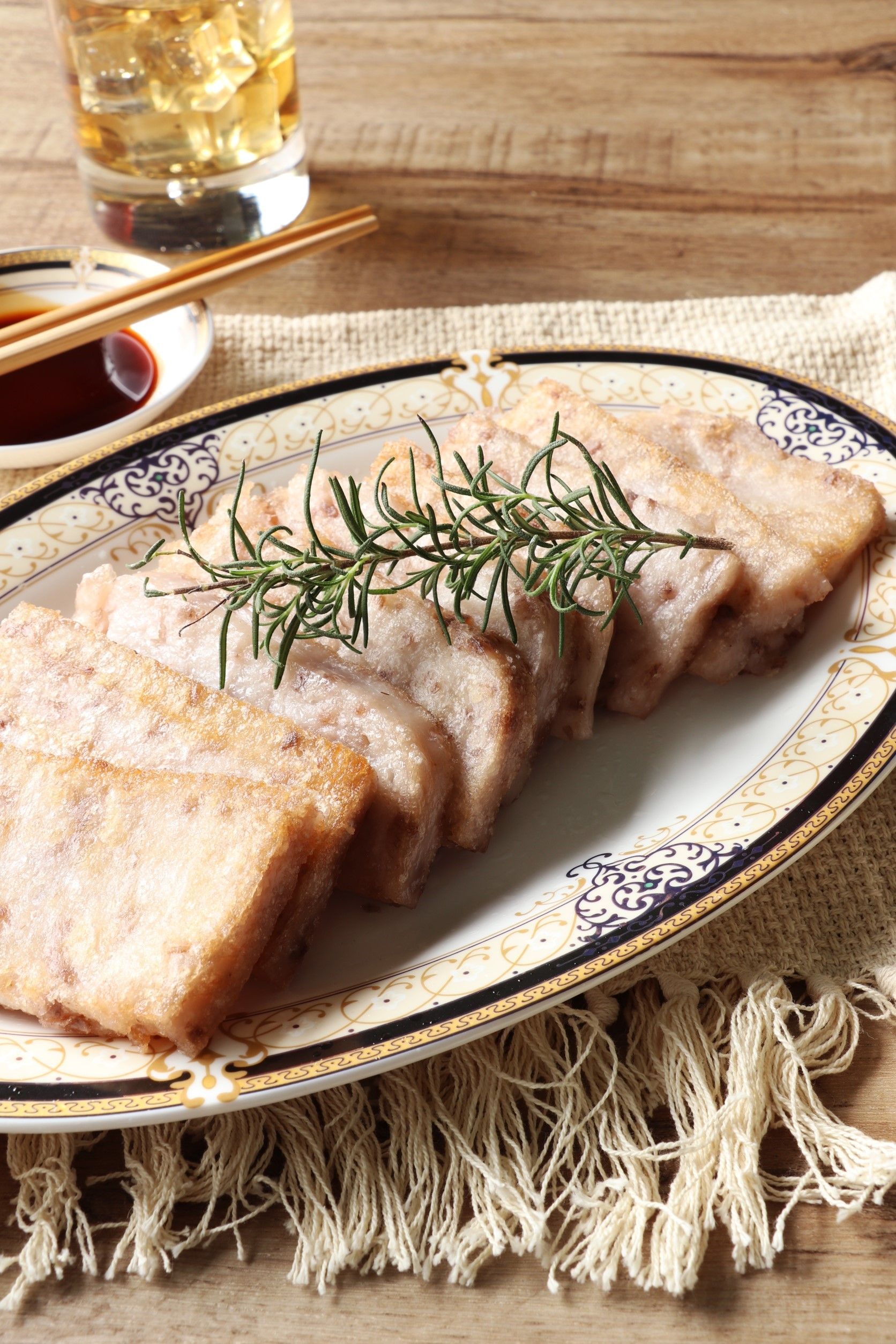
Turnip Cake (Lo Bak Go)
The diets react (see scores below)
Common Ingredients
- daikon radish
- rice flour
- Chinese sausage
- dried shrimp
- scallions
- white pepper
- sesame oil
- soy sauce
Specific recipes may vary.
Incompatible with 7 of 11 diets
Diet Ratings
Turnip Cake (Lo Bak Go) is fundamentally incompatible with a ketogenic diet due to its primary structural ingredient: rice flour. Rice flour is a high-glycemic, grain-based starch with virtually no fiber, contributing substantial net carbs per serving. A typical serving of Lo Bak Go (2-3 pieces, ~100-150g) can contain 25-40g of net carbs from the rice flour alone, easily exceeding the daily keto limit in a single snack. While daikon radish itself is relatively low-carb and keto-friendly, and the other ingredients (Chinese sausage, dried shrimp, scallions, sesame oil, soy sauce) are largely acceptable, the rice flour binder is a dealbreaker. This dish is essentially a rice-flour-based cake — removing or substituting that ingredient would fundamentally change the dish entirely.
Turnip Cake (Lo Bak Go) in its traditional form contains two clear animal-derived ingredients: Chinese sausage (lap cheong), which is made from pork, and dried shrimp, a seafood product. Both are unambiguously excluded under vegan dietary rules. The base ingredients — daikon radish, rice flour, scallions, white pepper, sesame oil, and soy sauce — are all plant-based, meaning a vegan version of this dish is entirely achievable by omitting the sausage and dried shrimp and substituting umami with mushrooms or similar plant-based ingredients. However, as listed, this recipe is not vegan-compatible.
Turnip Cake (Lo Bak Go) contains multiple non-paleo ingredients that disqualify it. Rice flour is a grain-based flour and is explicitly excluded from the paleo diet. Soy sauce contains both wheat (a grain) and soy (a legume), two major paleo violations. Chinese sausage is a processed meat typically containing sugar, soy, and preservatives — also non-paleo. Sesame oil is a seed oil, which is excluded in favor of paleo-approved fats. While daikon radish, dried shrimp, scallions, and white pepper are paleo-friendly, the foundational structure of this dish rests on rice flour, and the seasoning profile depends on soy sauce, making this dish incompatible with paleo principles at a fundamental level.
Turnip Cake (Lo Bak Go) contains several ingredients that conflict with Mediterranean diet principles. Rice flour is a refined grain with little nutritional value compared to whole grains emphasized in the diet. Chinese sausage (lap cheong) is a highly processed, cured red meat product with significant saturated fat and sodium, directly contradicting Mediterranean guidelines that limit red meat to a few times monthly and minimize processed meats. Dried shrimp and sesame oil are more neutral, and daikon radish is a positive vegetable component, but the overall dish is dominated by refined grain and processed meat. The dish is also not Mediterranean in tradition and lacks olive oil, legumes, or other core Mediterranean elements.
Some interpretations might score this slightly higher given daikon radish as a vegetable base and dried shrimp as a seafood component; a modified version omitting Chinese sausage and using whole grain flour could be more compatible. The seafood element (dried shrimp) aligns with Mediterranean encouragement of regular fish and seafood consumption.
Turnip Cake (Lo Bak Go) is fundamentally incompatible with the carnivore diet. The dish is built almost entirely on plant-based ingredients: daikon radish as the primary bulk ingredient and rice flour as the binding starch. These two components alone disqualify the dish entirely. Beyond the main ingredients, scallions, white pepper, sesame oil, and soy sauce are all plant-derived. While Chinese sausage and dried shrimp are animal-derived, they are minor components and often contain sugar, starch, and additives that further violate carnivore principles. There is no version of this dish that can be made carnivore-compliant without completely reconstructing it into a different recipe entirely.
Turnip Cake (Lo Bak Go) contains multiple excluded ingredients that make it clearly non-compliant with Whole30. First, rice flour is a grain product and grains are explicitly excluded on Whole30. Second, soy sauce contains soy (a legume) and typically wheat (a grain), both of which are excluded — coconut aminos would be the compliant substitute. Third, Chinese sausage (lap cheong) typically contains soy, added sugar, and often preservatives, making it non-compliant. Additionally, the dish itself is a classic example of a starchy cake/snack that would fall under the 'no recreating baked goods/junk food' spirit of the program, as it is a formed, pan-fried cake. Even if individual ingredients were swapped, the rice flour base is a fundamental grain exclusion with no compliant workaround.
Turnip Cake (Lo Bak Go) contains several ingredients that create FODMAP concerns at standard serving sizes. Daikon radish is low-FODMAP at moderate servings (up to 2/3 cup per Monash), and rice flour is generally low-FODMAP and safe. However, Chinese sausage (lap cheong) typically contains garlic and sometimes onion as ingredients, making it a likely source of fructans — this is a significant concern unless a confirmed low-FODMAP sausage is used. Dried shrimp in small amounts is generally low-FODMAP, but quantity and any added flavoring matter. Scallions/green onions are low-FODMAP in the green tops only, but traditional Lo Bak Go often uses both white and green parts, and the white bulb portion is high in fructans. Soy sauce in small amounts (1 tablespoon) is low-FODMAP. Sesame oil and white pepper are low-FODMAP. The dish as traditionally prepared likely contains fructan exposure from Chinese sausage and potentially scallion white parts, making standard restaurant servings problematic during strict elimination.
Monash University rates daikon and rice flour as low-FODMAP, which forms the base of this dish safely. However, clinical FODMAP practitioners would flag that Chinese sausage nearly always contains garlic and onion powder, making traditional Lo Bak Go unsuitable during elimination unless homemade with verified low-FODMAP sausage and green scallion tops only — a modification rarely made in restaurant versions.
Turnip Cake (Lo Bak Go) contains several ingredients that conflict with core DASH principles. Chinese sausage (lap cheong) is a cured, fatty pork product high in both sodium and saturated fat — two of the primary dietary components DASH explicitly limits. Dried shrimp are extremely high in sodium (often 800–1,500mg per small serving). Soy sauce adds additional sodium, pushing this dish well above DASH-friendly thresholds per serving. While daikon radish and scallions are DASH-friendly vegetables, and rice flour is neutral, the sodium load from three high-sodium ingredients (sausage, dried shrimp, soy sauce) and the saturated fat from Chinese sausage make this dish incompatible with DASH guidelines as commonly prepared. The dish would need substantial reformulation — omitting or drastically reducing the sausage and dried shrimp, and replacing soy sauce with a low-sodium alternative — to approach DASH compatibility.
Turnip Cake (Lo Bak Go) presents a mixed Zone profile. The base is daikon radish, a favorable low-glycemic vegetable, but it's bound together with rice flour — a refined, higher-glycemic carbohydrate that Sears classifies as an 'unfavorable' carb. Rice flour forms the structural majority of the cake's bulk, making it the dominant carb source rather than the daikon. Chinese sausage (lap cheong) adds protein but is a fatty, processed meat high in saturated fat — not a lean Zone-friendly protein. Dried shrimp contributes some lean protein, partially offsetting the sausage concern. Sesame oil provides some monounsaturated and polyunsaturated fat, though it also contains omega-6s. The overall macro ratio skews heavily carb-forward with inadequate lean protein and the fat profile leans more saturated than Zone-ideal. As a pan-fried snack, it also likely absorbs additional oil. A small portion could theoretically fit as a carb block within a larger Zone-balanced meal, but the refined rice flour base, processed fatty protein, and lack of lean protein make it difficult to use as a primary meal component without significant imbalance.
Some Zone practitioners might rate this more favorably, noting that daikon radish is genuinely low-glycemic and forms a meaningful portion of the dish's volume. The rice flour, while refined, is present in moderate amounts relative to daikon, and the glycemic load of the full dish may be more moderate than pure rice products. Additionally, Sears' later anti-inflammatory work (The Zone Diet and Inflammation) somewhat softened the strict stance on all saturated fats, which could slightly rehabilitate Chinese sausage in very small quantities.
Turnip Cake (Lo Bak Go) has a mixed anti-inflammatory profile. On the positive side, daikon radish is a cruciferous vegetable with anti-inflammatory properties including vitamin C, folate, and digestive enzymes. Scallions provide quercetin and other flavonoids, white pepper has mild anti-inflammatory activity, and sesame oil contains sesamol and sesamin with antioxidant properties. However, the dish contains several moderately concerning ingredients: Chinese sausage (lap cheong) is a cured, high-fat processed pork product relatively high in saturated fat, sodium, and preservatives — qualifying as a processed meat, which is flagged in anti-inflammatory frameworks. Dried shrimp adds sodium and is acceptable in small quantities but contributes to a high-sodium profile overall. Soy sauce adds significant sodium. Rice flour is a refined starch with a high glycemic index, which can promote glycemic spikes associated with inflammatory signaling. The dish is often pan-fried in neutral or seed oils when served, adding potential omega-6 concerns. Overall, the anti-inflammatory benefits of daikon and aromatics are offset by processed meat content, refined carbohydrates, and high sodium — making this a 'moderate occasionally' rather than a regularly recommended food.
Some anti-inflammatory practitioners in Asian dietary contexts would note that traditional dim sum preparations use small amounts of Chinese sausage as a flavoring agent rather than a primary protein, and the daikon and scallion base provides meaningful phytonutrient benefits. Critics of a strict anti-inflammatory lens on traditional foods argue that demonizing culturally significant dishes like Lo Bak Go based on processed-meat content overlooks their overall dietary context and preparation variability.
Turnip cake (Lo Bak Go) is a dim sum staple made primarily from daikon radish and rice flour, with small amounts of Chinese sausage, dried shrimp, and aromatics. The base is low in protein and relatively high in refined starch (rice flour), making it nutritionally sparse for GLP-1 patients who need to maximize protein and fiber in every small meal. Daikon radish does contribute some fiber and high water content, which are positive attributes. However, the Chinese sausage (lap cheong) is a significant concern — it is a fatty, processed, cured meat with high saturated fat content and moderate sodium, both of which can worsen GLP-1 side effects like nausea and reflux. Dried shrimp adds a small protein contribution but not enough to meaningfully meet the 15–30g per meal target. Rice flour provides mostly refined carbohydrates with low fiber and negligible protein. Critically, turnip cake is almost always pan-fried before serving, which adds fat and creates a greasy texture that slows digestion further on top of GLP-1-induced delayed gastric emptying — worsening nausea and bloating risk. Even in its steamed form, the dish remains low in protein and high in refined starch. As an occasional small-portion side dish alongside a high-protein main, it is tolerable, but it should not serve as a primary snack for GLP-1 patients.
Some GLP-1-informed dietitians may view steamed (not pan-fried) versions as an acceptable occasional dim sum choice given daikon's high water content and low calorie density, particularly for patients who are managing nausea and need gentle, easy-to-tolerate foods. The debate centers on whether the low protein and refined starch are disqualifying or merely worth pairing with a protein-rich dish.
*See how scores were generated at our methodology page.
Nutritional profile
Six traits that cut across every diet.
Fiber & Plants
How much whole-plant food and fiber it delivers.
Healthy Fats
The quality of its fats (unsaturated, omega-3).
Whole / Unprocessed
How close it is to its natural, unprocessed form.
Gut Gentle
How easy it is on digestion (low FODMAP, few irritants).
Low Glycemic
How little it spikes your blood sugar.
Protein Density
How much protein it packs per calorie.
Controversy Index
Higher controversy = more disagreement between diets.
Diet-Specific Tips
 Low-FODMAP — 4/10
View tips
- Chinese sausage (lap cheong) typically contains garlic and/or onion — high fructan risk
- Scallion white bulbs are high-FODMAP; green tops only are permitted
- Daikon radish is low-FODMAP at standard portions (up to ~2/3 cup)
- Rice flour is low-FODMAP and safe as a binder
- Dried shrimp is generally low-FODMAP in small quantities
- Soy sauce is low-FODMAP at 1 tablespoon or less
- Sesame oil and white pepper are low-FODMAP
- As typically prepared in restaurants, fructan exposure from sausage and scallion whites makes this risky during elimination
 Zone — 4/10
View tips
- Rice flour is a refined, higher-glycemic 'unfavorable' carb that dominates the carbohydrate profile
- Daikon radish is a favorable low-glycemic Zone vegetable but is secondary in caloric contribution
- Chinese sausage is a fatty, processed meat — high in saturated fat and not a lean Zone protein
- Dried shrimp provides some lean protein, partially balancing the sausage
- Sesame oil contributes omega-6 fatty acids rather than the preferred monounsaturated fat profile
- Pan-frying adds additional fat, further skewing the macro ratio
- Small portions could serve as a carb block in a larger Zone meal, but standalone macro balance is poor
 Anti-Inflammatory — 4/10
View tips
- Daikon radish provides anti-inflammatory phytonutrients, vitamin C, and digestive enzymes
- Chinese sausage is a processed cured meat high in saturated fat, sodium, and preservatives — pro-inflammatory
- Rice flour is a refined carbohydrate with high glycemic index, promoting glycemic-related inflammation
- High overall sodium content from Chinese sausage, dried shrimp, and soy sauce
- Sesame oil contains sesamol and sesamin with antioxidant/anti-inflammatory properties
- Scallions contribute quercetin and organosulfur compounds with anti-inflammatory effects
- Often pan-fried during serving, potentially adding omega-6-heavy seed oils
 GLP-1 Friendly — 4/10
View tips
- Very low protein — does not meet 15–30g per meal target
- Rice flour base is refined starch with minimal fiber
- Chinese sausage (lap cheong) is a high-fat, processed, cured meat that may worsen nausea and reflux
- Almost always pan-fried before serving — adds fat and worsens GLP-1 digestive side effects
- Daikon radish provides high water content and modest fiber, which are positives
- Dried shrimp adds minimal protein — insufficient to redeem the dish nutritionally
- High sodium from soy sauce, dried shrimp, and Chinese sausage — relevant for fluid retention and blood pressure
- Small portion friendliness is moderate — a single piece is calorie-light but nutritionally empty