Photo: Lucas Andrade / Pexels
American
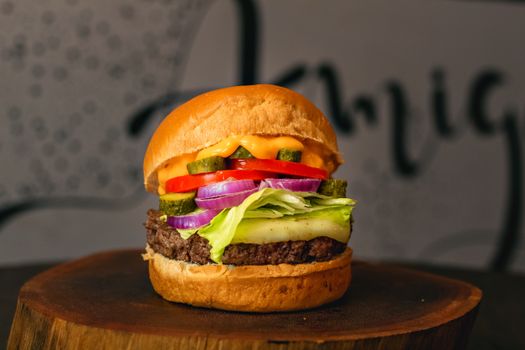
Classic Hamburger
The diets react (see scores below)
Common Ingredients
- ground beef
- hamburger bun
- lettuce
- tomato
- onion
- pickles
- ketchup
- mustard
Specific recipes may vary.
Incompatible with 8 of 11 diets
Diet Ratings
The classic hamburger as described is fundamentally incompatible with ketogenic eating in its standard form. The hamburger bun alone contributes approximately 25-30g of net carbs, instantly pushing a single meal close to or beyond the entire daily keto carb limit of 20-50g. Ketchup adds additional sugar (roughly 4-5g net carbs per tablespoon), and onion and tomato contribute further carbs. The ground beef patty itself is keto-friendly, as is lettuce, mustard, and pickles in moderation, but the bun is a non-negotiable disqualifier. This is a grain-based, sugar-containing dish that cannot be consumed as described without breaking ketosis.
A classic hamburger contains ground beef as its primary protein, which is an animal product and categorically excluded from a vegan diet. There is no ambiguity here — beef is muscle tissue from a cow, making this dish entirely incompatible with veganism. The remaining ingredients (bun, lettuce, tomato, onion, pickles, ketchup, mustard) are plant-based, but the presence of ground beef alone is sufficient to disqualify the dish entirely.
A classic hamburger contains multiple non-paleo ingredients that disqualify it clearly. The hamburger bun is made from wheat flour, a grain that is universally excluded from the paleo diet. Ketchup typically contains refined sugar and additives, and commercial mustard often includes added salt and preservatives. Pickles are usually brined with added salt and may contain preservatives. While the ground beef, lettuce, tomato, and onion are paleo-approved, the bun alone is a hard disqualifier, and the condiments add further violations. This is not a gray-area dish — the wheat-based bun represents exactly the kind of grain-based processed food the paleo framework is built to exclude.
The Classic Hamburger directly contradicts core Mediterranean diet principles on multiple levels. Ground beef is red meat, which is limited to a few times per month in the Mediterranean diet, and in a burger format it is typically ground with higher fat content. The hamburger bun is a refined grain product, another category the Mediterranean diet minimizes. Ketchup contains added sugars. The overall dish structure — centered around red meat in a refined-grain vehicle — is the antithesis of the plant-forward, whole-grain, olive-oil-based Mediterranean eating pattern. While the lettuce, tomato, onion, and pickles are positive elements, they are minor components that do not redeem the dish's fundamental incompatibility with Mediterranean principles.
The Classic Hamburger as described is almost entirely incompatible with the carnivore diet. While ground beef is an excellent carnivore food, every other ingredient violates the diet's core rules. The hamburger bun is a grain-based product (wheat flour, likely sugar and seed oils). Lettuce, tomato, onion, and pickles are all plant foods. Ketchup contains sugar, vinegar, and tomato — a processed plant-based condiment. Mustard typically contains vinegar, mustard seed, and other plant-derived ingredients. The dish as a whole is a plant-heavy sandwich and cannot be approved in any form on the carnivore diet. The only salvageable component is the ground beef patty itself, which would need to be eaten in isolation.
A classic hamburger contains multiple Whole30-excluded ingredients. The hamburger bun is made from grains (wheat flour), which are entirely excluded from the Whole30 program. Additionally, standard ketchup contains added sugar, making it non-compliant. Even if a compliant bun substitute were used (which isn't possible without violating the 'no recreating baked goods' rule), the sandwich/burger-in-a-bun format itself falls into the excluded 'wraps and bread' category. The ground beef, lettuce, tomato, onion, and pickles (check labels for sulfites/sugar) are individually compliant, but the dish as constructed cannot be made Whole30-compliant in its classic form.
A classic hamburger contains multiple high-FODMAP ingredients that make it unsuitable during the elimination phase. The hamburger bun is made from wheat flour, which is high in fructans — a primary FODMAP trigger. Onion is one of the highest-FODMAP foods tested by Monash University, containing significant fructans even in small amounts. Ketchup typically contains onion and/or garlic powder and high-fructose corn syrup, making standard commercial ketchup high-FODMAP. Pickles made with garlic brine also add fructans. Together, the bun + onion combination alone is sufficient to classify this dish as high-FODMAP. The remaining ingredients — ground beef, lettuce, tomato (in small amounts), and mustard — are generally low-FODMAP, but they cannot offset the major FODMAP contributors in the dish.
A classic hamburger presents a mixed DASH profile. The ground beef is a red meat that DASH guidelines recommend limiting due to its saturated fat content, though it does provide protein. The hamburger bun is typically a refined white flour product, not the whole grain DASH emphasizes. On the positive side, lettuce, tomato, and onion are DASH-friendly vegetables adding fiber, potassium, and micronutrients. However, pickles are high in sodium (one serving can add 200-500mg), ketchup adds sodium and sugar, and mustard adds additional sodium. The cumulative sodium from condiments and pickles combined with a standard beef patty can easily push this meal toward 800-1,200mg of sodium. The saturated fat from ground beef (especially 80/20 grind, which is most common) further limits DASH compatibility. This dish is not a core DASH food but could be made more compliant with a leaner beef patty (93/7), whole grain bun, reduced condiments, and omitting pickles.
NIH DASH guidelines explicitly limit red meat and emphasize lean poultry and fish as protein sources, making a standard beef hamburger a less preferred choice. However, some updated DASH-aligned clinical dietitians note that a lean ground beef patty (≥90% lean) in occasional, portion-controlled servings can fit within DASH's broader protein allowances, particularly when the rest of the meal and daily diet meet sodium and saturated fat targets.
A classic hamburger presents significant Zone Diet challenges but isn't categorically forbidden. The main issues are the hamburger bun (high-glycemic refined white flour carbohydrate, unfavorable in Zone terminology) and the ground beef (higher saturated fat than lean Zone-approved proteins like skinless chicken or fish). The bun alone likely pushes the carb block count high while being the wrong type of carb — refined, high-glycemic, and low in fiber. Ground beef can be used in the Zone if it's extra-lean (90%+ lean), but standard ground beef skews the fat ratio toward saturated fat rather than the preferred monounsaturated fats. On the positive side, the vegetable toppings (lettuce, tomato, onion, pickles) are low-glycemic and Zone-favorable. Ketchup adds a small amount of sugar and should be minimized. Mustard is essentially Zone-neutral. To make this more Zone-compatible, one would swap the bun for a lettuce wrap (eliminating the unfavorable carb block entirely), use extra-lean ground beef, and add a side of low-glycemic vegetables to balance the macro ratios. As served in its classic form, the bun-to-protein ratio is off, the carb quality is poor, and the fat profile is suboptimal — making this a 'caution' food that requires significant modification to fit Zone principles.
A classic hamburger presents multiple pro-inflammatory concerns from an anti-inflammatory diet perspective. Ground beef is a red meat high in saturated fat and arachidonic acid, both of which are associated with elevated inflammatory markers (CRP, IL-6) when consumed regularly. The refined white flour hamburger bun is a refined carbohydrate with a high glycemic index, contributing to insulin spikes and downstream inflammatory signaling. Ketchup typically contains added sugars and sometimes high-fructose corn syrup, adding to the glycemic burden. On the positive side, the dish does include some genuinely anti-inflammatory components: tomato provides lycopene and vitamin C, onion contains quercetin (a potent anti-inflammatory flavonoid), lettuce contributes minor antioxidants, mustard contains turmeric-related compounds, and pickles (fermented) may offer minor probiotic benefit. However, these vegetable additions are insufficient to offset the core pro-inflammatory drivers: red meat, saturated fat, and refined carbohydrates. The overall profile — particularly the combination of red meat and a refined bun — places this firmly in the 'avoid' category under anti-inflammatory principles. Occasional consumption is a lesser concern than regular intake, but as a dietary pattern this dish works against anti-inflammatory goals.
A classic hamburger provides moderate protein (roughly 20-25g from a standard ground beef patty) but comes with several GLP-1 concerns. Ground beef is typically 80/20 lean-to-fat, meaning meaningful saturated fat per serving, which can worsen nausea, bloating, and reflux given slowed gastric emptying on GLP-1 medications. The refined white hamburger bun adds low-nutrient carbohydrates with minimal fiber, contributing empty calories at a time when every bite needs to count nutritionally. Condiments like ketchup add small amounts of sugar. On the positive side, lettuce, tomato, onion, and pickles contribute hydration and modest micronutrients, and the overall dish is not fried. The protein content is real and meaningful, but the fat load and refined grain base make this a suboptimal GLP-1 meal without modifications. With substitutions — a whole grain or lettuce wrap bun, leaner ground beef (90/10 or 93/7), and a larger vegetable load — this dish becomes more acceptable.
Some GLP-1-focused dietitians consider a standard hamburger an acceptable occasional meal given its genuine protein contribution and whole-food ingredients relative to processed fast food alternatives; the primary disagreement is whether the saturated fat content at a typical serving size is likely to trigger side effects in most patients or only in those with heightened GI sensitivity, which varies considerably in the clinical population.
*See how scores were generated at our methodology page.
Nutritional profile
Six traits that cut across every diet.
Fiber & Plants
How much whole-plant food and fiber it delivers.
Healthy Fats
The quality of its fats (unsaturated, omega-3).
Whole / Unprocessed
How close it is to its natural, unprocessed form.
Gut Gentle
How easy it is on digestion (low FODMAP, few irritants).
Low Glycemic
How little it spikes your blood sugar.
Protein Density
How much protein it packs per calorie.
Controversy Index
Higher controversy = more disagreement between diets.
Diet-Specific Tips
 DASH — 4/10
View tips
- Ground beef is red meat, limited by DASH guidelines due to saturated fat content
- Refined white hamburger bun not aligned with DASH whole grain emphasis
- Pickles are high in sodium, potentially adding 200-500mg per serving
- Ketchup contributes added sugar and sodium
- Mustard adds additional sodium
- Vegetables (lettuce, tomato, onion) are DASH-friendly components
- Total sodium for the meal can easily exceed 800-1,200mg
- Could be improved with leaner beef, whole grain bun, and reduced condiments
 Zone — 4/10
View tips
- Hamburger bun is a high-glycemic refined carbohydrate, classified as 'unfavorable' in Zone terminology
- Standard ground beef has higher saturated fat than Zone-preferred lean proteins; extra-lean (90%+) is more acceptable
- Vegetable toppings (lettuce, tomato, onion, pickles) are Zone-favorable low-glycemic carbs
- Ketchup contains added sugar, adding small unfavorable carb load
- 40/30/30 macro ratio is difficult to achieve without significant modification (lettuce wrap, leaner beef, added fat source like avocado)
- Portion size of beef patty matters — a 3 oz patty provides roughly 3 protein blocks, which is appropriate for a Zone meal
 GLP-1 Friendly — 4/10
View tips
- Moderate protein (~20-25g) supports GLP-1 protein targets but is not exceptional for calorie load
- Standard ground beef (80/20) carries significant saturated fat, increasing GI side effect risk
- Refined white bun adds low-fiber, low-nutrient carbohydrates — poor nutrient density per calorie
- Not fried — meaningfully better than a fast food version with fried patty or added sauces
- Vegetables (lettuce, tomato, onion, pickles) provide modest fiber and hydration support
- Ketchup adds minor sugar load — not a major concern at typical serving amounts
- Portion-sensitive: a single patty is borderline acceptable; a double patty significantly increases fat load
- Upgrading to 90/10+ lean beef and a whole grain bun would raise this to a score of 6