Photo: Istvan Szabo / Pexels
Spanish
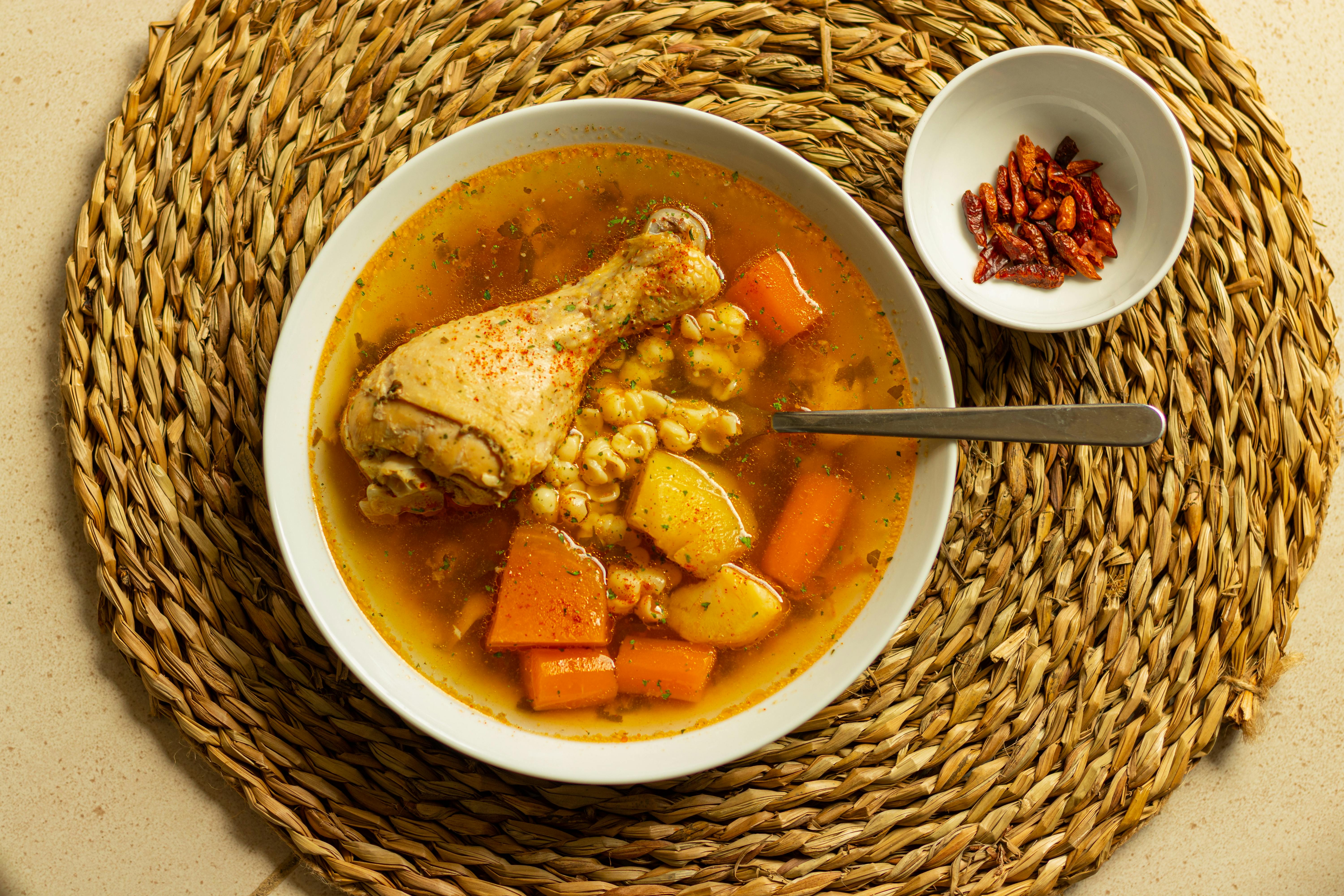
Cocido Madrileño
The diets react (see scores below)
Common Ingredients
- chickpeas
- beef
- chorizo
- blood sausage
- cabbage
- potatoes
- carrots
- fideos
Specific recipes may vary.
Incompatible with 10 of 11 diets
Diet Ratings
Cocido Madrileño is fundamentally incompatible with a ketogenic diet. The dish contains multiple high-carb ingredients that would collectively push net carbs far beyond the 20-50g daily limit in a single serving. Chickpeas alone contain roughly 20-25g net carbs per half-cup serving and are a legume excluded from keto. Potatoes are a starchy vegetable with approximately 15-20g net carbs per medium potato. Fideos (thin pasta noodles) are a grain-based product, completely off-limits on keto. Carrots add additional net carbs. The only keto-friendly components are the protein sources (beef, chorizo, blood sausage) and the cabbage. The dish's carbohydrate load from chickpeas, potatoes, and fideos alone could easily exceed 60-80g net carbs per standard serving, making it a clear avoid.
Cocido Madrileño is a traditional Spanish meat stew that contains multiple animal products as its primary components. Beef and pork are explicit main proteins, chorizo is a cured pork sausage, and blood sausage (morcilla) is made from animal blood and fat — all strictly excluded under vegan guidelines. There is no ambiguity here; this dish is fundamentally built around animal flesh and by-products. The plant-based ingredients (chickpeas, cabbage, potatoes, carrots, fideos) are incidental to a dish whose identity is inseparable from its meat content.
Cocido Madrileño contains multiple paleo-incompatible ingredients that disqualify it entirely. Chickpeas are legumes — a clear paleo exclusion due to their lectin and phytate content. Fideos are wheat-based noodles, a grain product that is strictly off-limits. Chorizo and blood sausage are processed meats that typically contain added salt, preservatives, nitrates, and often fillers — all excluded under paleo rules. While the beef, cabbage, and carrots are paleo-approved, and potatoes occupy a debated gray area, the presence of three distinct hard-exclusion categories (legumes, grains, and processed meats) makes this dish firmly in the avoid category. This is a traditional Spanish stew built architecturally around ingredients that conflict with paleo principles.
Cocido Madrileño is a traditional Spanish stew that centers heavily on red meat (beef), and processed/cured meats (chorizo, blood sausage/morcilla), which are among the foods most discouraged by Mediterranean diet principles. While the dish contains genuinely beneficial Mediterranean ingredients — chickpeas (a staple legume), cabbage, carrots, and potatoes — these positives are overshadowed by the high load of saturated fat and processed meat. Chorizo and blood sausage in particular are highly processed, high in sodium, and rich in saturated fat, directly contradicting core Mediterranean guidelines. The fideos (thin pasta/noodles) are likely refined grain. The overall dish profile leans heavily 'avoid' territory.
Some Mediterranean diet scholars acknowledge that traditional Iberian cuisine, including Spanish cocido, reflects a genuine regional Mediterranean food culture, and that the chickpea-forward base with vegetables has legitimate merit. A modified version with reduced meat portions and elimination of processed sausages could be considered an occasional, culturally appropriate meal in the spirit of the traditional Mediterranean dietary pattern.
Cocido Madrileño is fundamentally incompatible with the carnivore diet. While it does contain animal proteins (beef, chorizo, blood sausage), the dish is dominated by multiple plant-based ingredients: chickpeas (legumes), cabbage (vegetable), potatoes (starchy tuber), carrots (root vegetable), and fideos (wheat-based pasta noodles). These plant foods are categorically excluded on a carnivore diet. Chickpeas alone — a legume — are among the most anti-carnivore ingredients possible, containing lectins, phytates, and significant carbohydrates. The fideos add gluten-containing grains. This is a quintessential plant-heavy stew that happens to include meat, not a meat dish. No version of this dish as traditionally prepared would be acceptable on carnivore.
Cocido Madrileño contains multiple Whole30-excluded ingredients. Chickpeas are legumes, which are explicitly excluded from the Whole30 program. Fideos are thin pasta noodles made from wheat, a grain that is also explicitly excluded. Additionally, chorizo and blood sausage (morcilla) as commonly prepared in Spain typically contain added sugar, paprika cures, and in the case of morcilla, rice — another excluded grain. Even if compliant versions of the sausages could be sourced, the chickpeas and fideos alone make this dish non-compliant in its traditional form.
Cocido Madrileño is a traditional Spanish stew that contains multiple high-FODMAP ingredients making it unsuitable for the elimination phase. Chickpeas are the most problematic ingredient — they are high in GOS (galacto-oligosaccharides) at typical serving sizes (Monash rates canned chickpeas as low-FODMAP only at 42g/¼ cup, but a standard serving in cocido is far larger). Chorizo and blood sausage often contain garlic and onion as key seasonings, which are high in fructans. Fideos (thin wheat noodles) are made from wheat, which is high in fructans. Cabbage in large portions can also contribute moderate FODMAPs. The combination of chickpeas (GOS), garlic/onion in the processed meats (fructans), and wheat-based fideos (fructans) makes this dish essentially unavoidable during the elimination phase. The vegetables like carrots, potatoes, and plain beef are low-FODMAP, but they cannot offset the multiple high-FODMAP components.
Cocido Madrileño is fundamentally incompatible with DASH diet principles. The dish is anchored by chorizo and blood sausage (morcilla), both of which are cured/processed meats that are extremely high in sodium and saturated fat — two nutrients DASH explicitly targets for reduction. Beef adds additional saturated fat and cholesterol. Together, these processed and red meats can push a single serving well beyond the DASH sodium limit of 2,300mg/day, and the saturated fat content from chorizo, morcilla, and beef significantly exceeds DASH thresholds. While several ingredients (chickpeas, cabbage, carrots, potatoes) are genuinely DASH-friendly — providing fiber, potassium, and magnesium — they are negated by the heavy presence of cured processed meats. The dish as traditionally prepared cannot be modified into a DASH-compliant meal without fundamentally changing its character (i.e., removing the chorizo, blood sausage, and most of the beef).
Cocido Madrileño is a traditional Spanish stew with a complex macro profile that creates significant Zone challenges but isn't categorically incompatible. The dish contains multiple high-glycemic or Zone-unfavorable carbohydrate sources: potatoes are explicitly listed as unfavorable in Zone (high-glycemic), fideos (pasta noodles) are high-glycemic refined carbs, and chickpeas, while higher in protein than most legumes, still carry a substantial carbohydrate load. On the protein side, beef provides lean protein but chorizo and blood sausage (morcilla) are heavily processed, high in saturated fat, and rich in omega-6s — contrary to Zone's anti-inflammatory principles. The fat content will be heavily saturated from the pork products rather than the preferred monounsaturated sources. The dish does have Zone-favorable elements: cabbage and carrots are low-glycemic favorable vegetables, chickpeas provide some protein alongside carbs, and the stew format allows for portion control. However, achieving a 40/30/30 ratio from this dish as traditionally prepared would be very difficult — the carb load from potatoes, fideos, and chickpeas combined with the saturated fat-heavy protein sources skews the balance considerably. A practitioner could reconstruct a Zone-compatible version by eliminating the potatoes and fideos, minimizing chorizo and blood sausage, and increasing the vegetable portion, but as traditionally prepared, this dish is a 'caution' requiring substantial modification.
Some Zone practitioners note that Dr. Sears' later writings in 'The Mediterranean Zone' place greater emphasis on traditional Mediterranean-style eating patterns, which would look somewhat favorably on legume-based stews like cocido as anti-inflammatory polyphenol-rich meals. In that framework, the chickpeas and cabbage are highlighted as valuable, and the saturated fat concern is somewhat moderated — a small portion of traditional cocido alongside a large salad could be argued as Zone-compatible in spirit, even if the macro ratios are imperfect.
Cocido Madrileño is a traditional Spanish stew with a mixed inflammatory profile that ultimately leans pro-inflammatory due to its heavy reliance on processed and high-fat red meats. The positive elements include chickpeas (excellent anti-inflammatory legume, high in fiber and plant protein), cabbage (cruciferous vegetable with anti-inflammatory glucosinolates), carrots (carotenoids, antioxidants), and the traditional preparation in water/broth. However, the dish is dominated by chorizo (processed meat, high in saturated fat, sodium, and nitrates — a well-established pro-inflammatory combination), blood sausage/morcilla (highly processed, high saturated fat, often contains added sugars and fillers), and a significant quantity of beef (red meat, associated with elevated arachidonic acid and saturated fat intake). The fideos (refined pasta noodles) add refined carbohydrates with minimal anti-inflammatory benefit. Processed meats like chorizo and blood sausage are among the most consistently flagged foods in anti-inflammatory nutrition — research consistently associates them with elevated CRP and IL-6. While the legume and vegetable components provide meaningful anti-inflammatory benefit, they are outweighed by the volume and nature of the processed meat components in a traditional preparation. An adapted version with greatly reduced or eliminated processed meats could shift the profile considerably.
The Mediterranean dietary pattern — which informs much of anti-inflammatory nutrition — does include traditional cured and cooked pork products in moderation as part of a broader vegetable- and legume-rich diet; some researchers argue that whole-dish context and overall dietary pattern matter more than individual ingredients. However, mainstream anti-inflammatory protocols including Dr. Weil's framework and the IF Rating system consistently flag processed meats (chorizo, blood sausage) as pro-inflammatory regardless of culinary tradition.
Cocido Madrileño is a traditional Spanish stew with a mixed nutritional profile that presents significant concerns for GLP-1 patients. While it contains genuinely beneficial components — chickpeas provide good protein and fiber, cabbage and carrots add micronutrients and fiber, and the broth base supports hydration — the dish is heavily weighted toward problematic ingredients. Chorizo and blood sausage (morcilla) are high in saturated fat, sodium, and are ultra-processed cured meats. The beef component is typically a fatty cut (often brisket or bone-in cuts) rather than lean protein. The combination of high-fat meats in a single dish significantly raises the total fat load per serving, which is a direct driver of GLP-1 side effects including nausea, bloating, and reflux due to slowed gastric emptying. The dish is also a large-volume, heavy meal by design — traditionally served in multiple courses — which conflicts with small-portion-friendly eating. Potatoes and fideos add refined/starchy carbohydrates with limited fiber benefit. The overall fat and processed meat content outweighs the protein and fiber positives for GLP-1 patients in its standard preparation.
Some GLP-1-aware dietitians may argue that a carefully portioned bowl of the broth, chickpeas, cabbage, and lean beef — with chorizo and blood sausage minimized or omitted — could be redeemed as a moderate-caution dish, since the legume and vegetable base is genuinely nutritious. However, as traditionally prepared and served, the dish cannot be meaningfully separated from its high-fat cured meat components, and individual GI tolerance to fatty meats varies considerably among GLP-1 patients.
*See how scores were generated at our methodology page.
Nutritional profile
Six traits that cut across every diet.
Fiber & Plants
How much whole-plant food and fiber it delivers.
Healthy Fats
The quality of its fats (unsaturated, omega-3).
Whole / Unprocessed
How close it is to its natural, unprocessed form.
Gut Gentle
How easy it is on digestion (low FODMAP, few irritants).
Low Glycemic
How little it spikes your blood sugar.
Protein Density
How much protein it packs per calorie.
Controversy Index
Higher controversy = more disagreement between diets.
Diet-Specific Tips
 Zone — 4/10
View tips
- Potatoes are explicitly Zone-unfavorable (high-glycemic carb) and should be avoided
- Fideos (pasta noodles) are refined high-glycemic carbs that skew the carbohydrate block unfavorably
- Chorizo and blood sausage are high in saturated fat and omega-6s, opposing Zone anti-inflammatory goals
- Chickpeas are Zone-usable as combined protein/carb blocks but contribute significantly to carb load
- Cabbage and carrots are Zone-favorable low-glycemic vegetables — positive contributors
- Dish is high in saturated fat from pork products rather than preferred monounsaturated sources
- Traditional preparation makes achieving 40/30/30 macro balance very difficult without significant modification