Photo: Nano Erdozain / Pexels
Latin-American
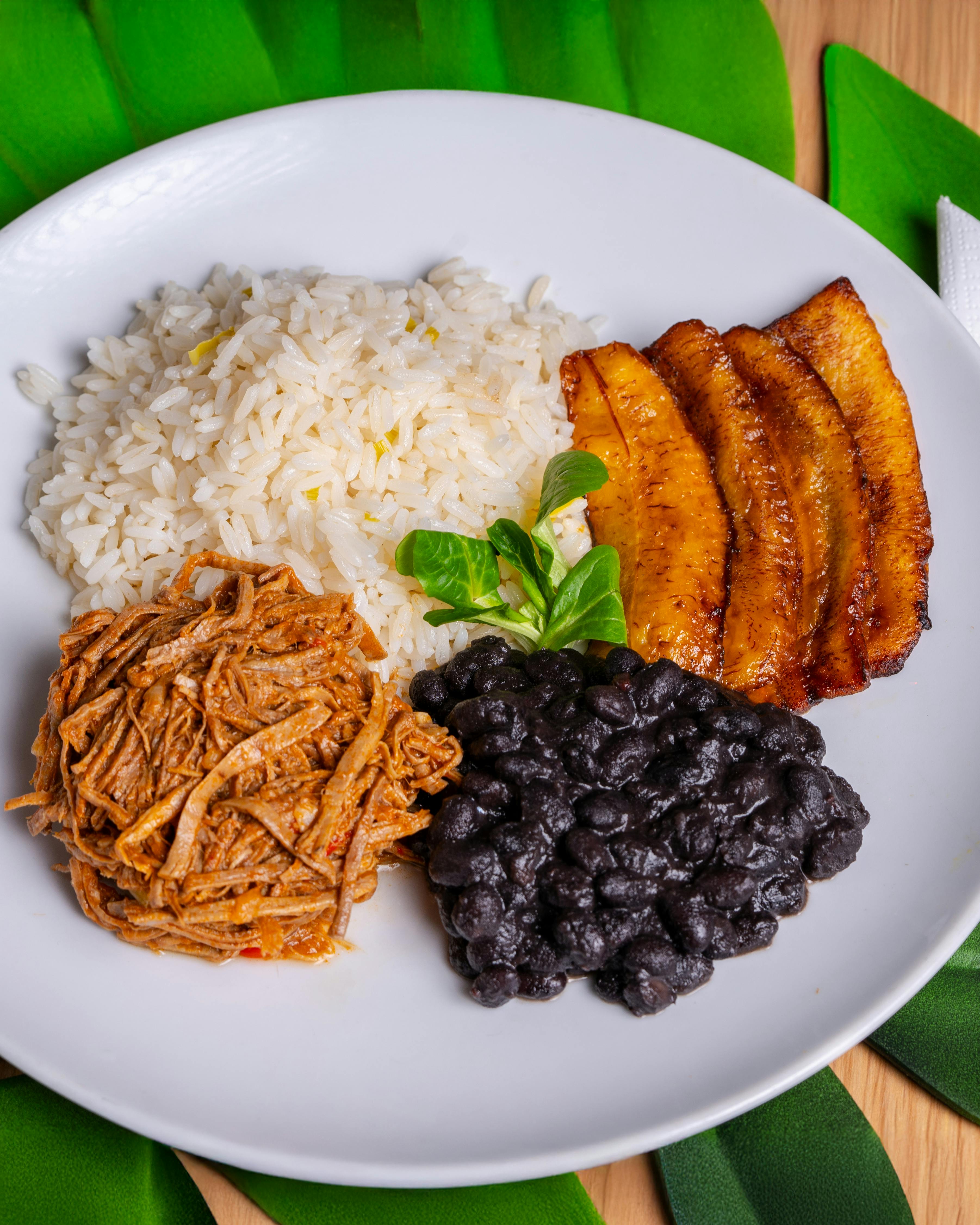
Ropa Vieja
The diets react (see scores below)
Common Ingredients
- flank steak
- bell peppers
- onion
- tomato sauce
- garlic
- cumin
- oregano
- white wine
Specific recipes may vary.
Incompatible with 4 of 11 diets
Diet Ratings
Ropa Vieja is built on a keto-friendly base of flank steak (high protein, moderate fat) with garlic, cumin, and oregano presenting no carb concerns. However, the combination of bell peppers, onion, and tomato sauce contributes a meaningful carb load. A standard serving likely contains 10-18g net carbs depending on portion size and tomato sauce quantity — manageable within a generous keto allowance (up to 50g/day) but potentially problematic for stricter practitioners targeting 20g. White wine adds minimal residual sugars in cooked form. The dish is not inherently keto-incompatible, but portion control is essential and the tomato sauce and onion quantities should be moderated.
Strict keto practitioners targeting 20g net carbs daily would likely avoid or heavily modify this dish, arguing that the tomato sauce and onion combination makes portion control too difficult to reliably stay in ketosis, and that the carb sources offer little fat in return.
Ropa Vieja is a classic Latin American braised beef dish with flank steak as its primary and defining ingredient. Flank steak is a direct animal product (beef), which is categorically excluded from a vegan diet. There is no ambiguity here — the dish cannot be made vegan without fundamentally replacing its core protein, which would make it an entirely different dish. The remaining ingredients (bell peppers, onion, tomato sauce, garlic, cumin, oregano, white wine) are all plant-based, but the presence of flank steak makes this dish incompatible with vegan dietary standards.
Ropa Vieja is largely paleo-compatible, built on a strong foundation of flank steak, bell peppers, onion, garlic, and whole spices (cumin, oregano) — all clearly approved paleo foods. The main concern is the white wine, which introduces alcohol and potentially added sulfites or preservatives depending on the product. Tomato sauce also warrants scrutiny: homemade or pure crushed tomato is fine, but commercial tomato sauce frequently contains added sugar, salt, or other additives, making it a gray-area ingredient in practice. The dish as traditionally prepared in Latin American households is close to paleo, but the wine and processed sauce risk push it into caution territory.
Strict Cordain-school paleo would flag white wine outright as a processed, alcohol-containing product with no place in the diet, and would also reject any commercial tomato sauce with added salt or sugar. Conversely, more permissive paleo frameworks (e.g., Mark Sisson's Primal Blueprint) treat moderate wine consumption and minimally processed sauces as acceptable, which would push this dish toward approval.
Ropa Vieja is built around flank steak, a red meat that Mediterranean diet guidelines restrict to a few times per month. While the dish has genuinely positive elements — bell peppers, onion, garlic, tomato sauce, and herbs like cumin and oregano all align well with the plant-forward, vegetable-rich approach of the diet — these cannot offset the fact that beef is the primary protein and dominant caloric component. The white wine used in cooking is consistent with moderate Mediterranean traditions. The vegetable base and use of aromatics push the score slightly above a 1-2, but the red meat foundation keeps it firmly in 'avoid' territory for regular consumption.
Some Mediterranean diet practitioners argue that a dish with this ratio of vegetables, herbs, and aromatics to meat could qualify as an occasional acceptable meal, particularly given that the stewed preparation reduces the portion size of meat per serving and emphasizes plant ingredients. Traditional Spanish cuisine — from which Ropa Vieja originates — did incorporate modest amounts of beef within an otherwise plant-rich dietary pattern.
Ropa Vieja is fundamentally incompatible with the carnivore diet. While flank steak is an approved animal protein, the dish is built around a foundation of plant-based ingredients: bell peppers, onion, tomato sauce, garlic, cumin, oregano, and white wine. These are all excluded on a carnivore diet — vegetables, plant-derived spices, and alcohol from fermented plant material. The plant ingredients are not minor additives but core structural components of the dish. This is essentially a braised beef dish in a vegetable and spice stew, making it an avoid regardless of the quality of the beef itself.
Ropa Vieja as described uses whole, unprocessed ingredients that are broadly Whole30-compatible: flank steak (meat, allowed), bell peppers and onion (vegetables, allowed), tomato sauce (allowed if no added sugar or other excluded ingredients), garlic (allowed), cumin and oregano (spices, allowed), and white wine. White wine used in cooking is accepted under Whole30's vinegar/wine exception for cooking purposes — white wine vinegar and wine-based deglazing are treated as compliant. The main watch-out is the tomato sauce, which in its commercial form often contains added sugar; a compliant version uses plain crushed tomatoes or a sugar-free tomato sauce. Overall this is a clean, whole-food Latin dish well within the spirit of the program.
The official Whole30 guidelines treat cooking wine as compliant (similar to wine vinegars), but some community members argue that using wine — even in cooking — edges toward the spirit of the alcohol exclusion. Additionally, store-bought tomato sauce frequently contains added sugar, so strict practitioners insist on homemade or carefully label-checked sauce.
Ropa Vieja contains multiple high-FODMAP ingredients that make it unsuitable during the elimination phase. Onion is one of the highest-FODMAP foods tested by Monash University, rich in fructans, and is typically used in significant quantities in this dish. Garlic is similarly extremely high in fructans even in small amounts. Together, these two ingredients alone are enough to classify the dish as high-FODMAP. While flank steak, bell peppers (in moderate servings), cumin, oregano, and white wine are generally low-FODMAP, the onion and garlic are essentially non-negotiable components of authentic Ropa Vieja and cannot be reduced to safe levels without fundamentally altering the dish. Tomato sauce must also be scrutinized, as many commercial versions contain onion and garlic, adding further FODMAP load.
Ropa Vieja presents a mixed DASH profile. Flank steak is a relatively lean cut of beef, which DASH permits in limited quantities (no more than 6 oz/day of lean meat), but red meat is still categorized as something to limit under DASH guidelines due to saturated fat content. The dish has significant positives: bell peppers, onion, tomato sauce, and garlic are all DASH-friendly vegetables rich in potassium, fiber, and antioxidants. Cumin, oregano, and garlic as flavor bases reduce the need for added sodium. White wine adds minimal concern in cooking quantities. The primary concerns are: (1) red meat as the protein source, which DASH de-emphasizes in favor of poultry, fish, legumes, and nuts; (2) canned or commercially prepared tomato sauce can be high in sodium — a single cup may contain 500–700mg sodium, which is significant against the 1,500–2,300mg/day DASH ceiling; (3) restaurant or traditional preparations often add considerable salt. With homemade low-sodium tomato sauce and moderate portions of flank steak, this dish becomes more DASH-compatible, but as commonly prepared it warrants caution.
NIH DASH guidelines explicitly limit red meat and recommend substituting it with lean poultry or fish; some DASH-oriented clinicians, however, note that lean cuts like flank steak in controlled portions (3–4 oz) within an otherwise vegetable-rich dish can fit a DASH pattern, particularly when the overall weekly red meat intake remains low and sodium is managed through homemade sauce.
Ropa Vieja has several Zone-friendly elements but requires careful portioning and some modification to fully align with Zone principles. Flank steak is a relatively lean cut of beef, making it an acceptable Zone protein source, though it carries more saturated fat than ideal choices like skinless chicken or fish. The vegetable base — bell peppers, onion, garlic — provides low-glycemic, polyphenol-rich carbohydrates that Zone strongly favors. Tomato sauce adds lycopene and is a Zone-acceptable carb source in moderate amounts. Cumin, oregano, and garlic contribute anti-inflammatory polyphenols, aligning with Sears' later anti-inflammatory emphasis. White wine adds minimal carbohydrate in cooking quantities. The main concerns are: (1) flank steak's saturated fat content is higher than Zone's preferred lean proteins, though it is not excessively fatty; (2) traditional serving accompaniments like white rice or plantains (common in Cuban-style Ropa Vieja) would push this dish into unfavorable glycemic territory — but those are not listed as ingredients here; (3) the dish as described lacks an explicit fat source, though the beef and any olive oil used in preparation would provide fat blocks. As a standalone protein-and-vegetable dish served without high-glycemic sides, Ropa Vieja can be portioned into a Zone-compliant meal (approximately 3 oz cooked flank steak with generous bell pepper/onion serving). It is a 'caution' rather than 'approve' primarily due to the saturated fat in beef and the need for mindful portioning.
Some Zone practitioners following Sears' later works (Toxic Fat, The Mediterranean Zone) may rate this more favorably, as Sears shifted emphasis toward polyphenol-rich foods and omega-3 fats while somewhat softening his stance on moderate saturated fat from whole-food animal sources. The anti-inflammatory spice profile and vegetable density of Ropa Vieja could push it toward a score of 7 in that context. Conversely, strict early-Zone adherents who prioritize lean protein (Enter the Zone era) would keep this at a 5-6 due to flank steak's saturated fat profile compared to preferred proteins.
Ropa Vieja presents a mixed anti-inflammatory profile. On the positive side, the dish features several anti-inflammatory ingredients: garlic and cumin have well-documented anti-inflammatory properties, bell peppers are rich in vitamin C and carotenoids, tomatoes (in the sauce) provide lycopene, onions contribute quercetin, and oregano adds polyphenols. White wine contributes minimally but is generally less favorable than red wine. The main concern is the primary protein — beef (flank steak). Red meat is categorized as a 'limit' food in anti-inflammatory frameworks due to saturated fat content and arachidonic acid, which can upregulate inflammatory pathways. Flank steak is a relatively lean cut of beef, which moderates this concern somewhat compared to fattier cuts. The dish is not fried in problematic oils and is largely whole-food based with no processed ingredients, refined carbs, or added sugars, which works in its favor. Overall, the anti-inflammatory spices and vegetables partially offset the pro-inflammatory potential of the beef. Consumed occasionally as part of a broader anti-inflammatory dietary pattern, this dish is acceptable, but the red meat base prevents a full approval.
Some anti-inflammatory practitioners (including stricter interpretations of Dr. Weil's pyramid) would rate beef more harshly regardless of cut, citing saturated fat and arachidonic acid content as meaningful pro-inflammatory contributors. Conversely, advocates of nose-to-tail or ancestral eating frameworks argue that lean, minimally processed whole cuts of beef are largely neutral or even beneficial due to their zinc, iron, and B12 content, and that the inflammatory effect of red meat is overstated when consumed without refined carbohydrates.
Ropa Vieja is a slow-braised shredded flank steak dish with bell peppers, onions, tomato sauce, garlic, and spices. Flank steak is one of the leaner cuts of beef, making this a better choice than fatty red meats like ribeye or short rib. The dish provides meaningful protein (~25-30g per serving), and the vegetable-heavy base (bell peppers, onion, tomato sauce) contributes fiber, antioxidants, and micronutrients. The braising method makes the meat tender and easy to digest — a significant advantage for GLP-1 patients dealing with slowed gastric emptying. Spices are mild and generally well-tolerated. The white wine cooks off substantially during braising, leaving negligible alcohol content. However, flank steak still carries more saturated fat than chicken breast or fish, and the tomato sauce may cause reflux in some GLP-1 patients. Fiber content from vegetables is modest rather than high. Overall this is a reasonable, protein-forward main dish that works well in moderate portions, especially served without refined grain sides.
Some GLP-1-focused dietitians caution against red meat broadly due to saturated fat content and slower digestibility compared to poultry or fish, particularly in the early weeks of treatment when GI side effects are most pronounced. Others consider lean cuts like flank steak acceptable given the superior protein density and argue the braising method mitigates digestibility concerns.
*See how scores were generated at our methodology page.
Nutritional profile
Six traits that cut across every diet.
Fiber & Plants
How much whole-plant food and fiber it delivers.
Healthy Fats
The quality of its fats (unsaturated, omega-3).
Whole / Unprocessed
How close it is to its natural, unprocessed form.
Gut Gentle
How easy it is on digestion (low FODMAP, few irritants).
Low Glycemic
How little it spikes your blood sugar.
Protein Density
How much protein it packs per calorie.
Controversy Index
Higher controversy = more disagreement between diets.
Diet-Specific Tips
 Keto — 5/10
View tips
- Flank steak is a lean, keto-compatible protein source
- Bell peppers and onion contribute 5-10g net carbs per standard serving
- Tomato sauce adds additional net carbs and natural sugars
- White wine largely cooks off but adds trace carbs
- Dish is portion-dependent — smaller servings fit 50g/day limits but not strict 20g targets
- No grains, added sugars, or starches present
- Moderate fat content; may need added fat sources to hit keto macros
 Paleo — 6/10
View tips
- Flank steak is an ideal, unprocessed paleo protein
- Bell peppers, onion, garlic, cumin, and oregano are all fully paleo-approved
- White wine is debated in the paleo community — it introduces alcohol and potential additives
- Commercial tomato sauce often contains added salt, sugar, or preservatives — homemade is preferred
- Dish contains no grains, legumes, or dairy
- Easy to make fully paleo by substituting wine with beef broth and using pure crushed tomatoes
 Whole30 — 8/10
View tips
- Flank steak is fully Whole30-compliant
- Bell peppers, onion, and garlic are compliant vegetables
- Cumin and oregano are compliant spices
- White wine used in cooking is generally accepted as compliant under Whole30 cooking guidelines
- Tomato sauce must be verified sugar-free and additive-free — commercial versions often contain added sugar
- Dish honors the whole-food spirit of the program — no junk food recreation concern
 DASH — 5/10
View tips
- Flank steak is lean but still red meat, which DASH limits in favor of poultry and fish
- Bell peppers, onion, garlic, and tomatoes are DASH-approved vegetables rich in potassium and fiber
- Commercially prepared tomato sauce is often high in sodium (500–700mg/cup), a significant concern for DASH
- Spice-forward seasoning (cumin, oregano, garlic) supports flavor without added sodium
- Portion size of beef is critical — DASH allows up to 6 oz/day of lean meat total
- Low-sodium tomato sauce and controlled beef portions would improve the DASH score substantially
 Zone — 6/10
View tips
- Flank steak is a relatively lean beef cut but carries more saturated fat than Zone-ideal proteins like chicken breast or fish
- Bell peppers, onion, and garlic are Zone-favorable low-glycemic, polyphenol-rich vegetables
- No high-glycemic ingredients present in the dish itself — Zone compatibility depends heavily on what accompanies it
- Tomato sauce is a moderate-glycemic but Zone-acceptable carbohydrate in reasonable portions
- Anti-inflammatory spices (cumin, oregano, garlic) align with Sears' polyphenol emphasis
- Dish lacks explicit monounsaturated fat source — would benefit from preparation in olive oil to complete Zone fat block
- Protein portion control critical: ~3 oz cooked flank steak provides approximately 3 Zone protein blocks
 Anti-Inflammatory — 5/10
View tips
- Flank steak is a lean red meat cut — less saturated fat than other beef cuts, but still classified as 'limit' in anti-inflammatory frameworks
- Garlic, cumin, and oregano are anti-inflammatory spices with polyphenol and sulfur compound content
- Bell peppers and onions provide carotenoids, vitamin C, and quercetin — all anti-inflammatory
- Tomato sauce offers lycopene, a potent antioxidant
- White wine is a minor ingredient but less favorable than red wine (lower resveratrol)
- No refined carbs, seed oils, trans fats, or processed additives — whole-food preparation is a positive
- Dish is best consumed occasionally rather than regularly due to red meat base
 GLP-1 Friendly — 6/10
View tips
- Flank steak is a relatively lean cut of beef — lower saturated fat than most red meat options
- Braising method produces tender, easy-to-digest meat suitable for slowed gastric emptying
- Provides approximately 25-30g protein per serving — meets per-meal protein target
- Bell peppers, onion, and tomato sauce add micronutrients and moderate fiber
- Mild spice profile (cumin, oregano) unlikely to worsen nausea or reflux
- White wine alcohol largely cooks off during braising — not a meaningful concern
- Tomato-based sauce may trigger acid reflux in GLP-1 patients prone to it
- Saturated fat content still higher than preferred protein sources like chicken or fish
- Pairs best with high-fiber sides (black beans, cauliflower rice) to maximize GLP-1 compatibility