Photo: Hussain Hussaini / Pexels
Filipino
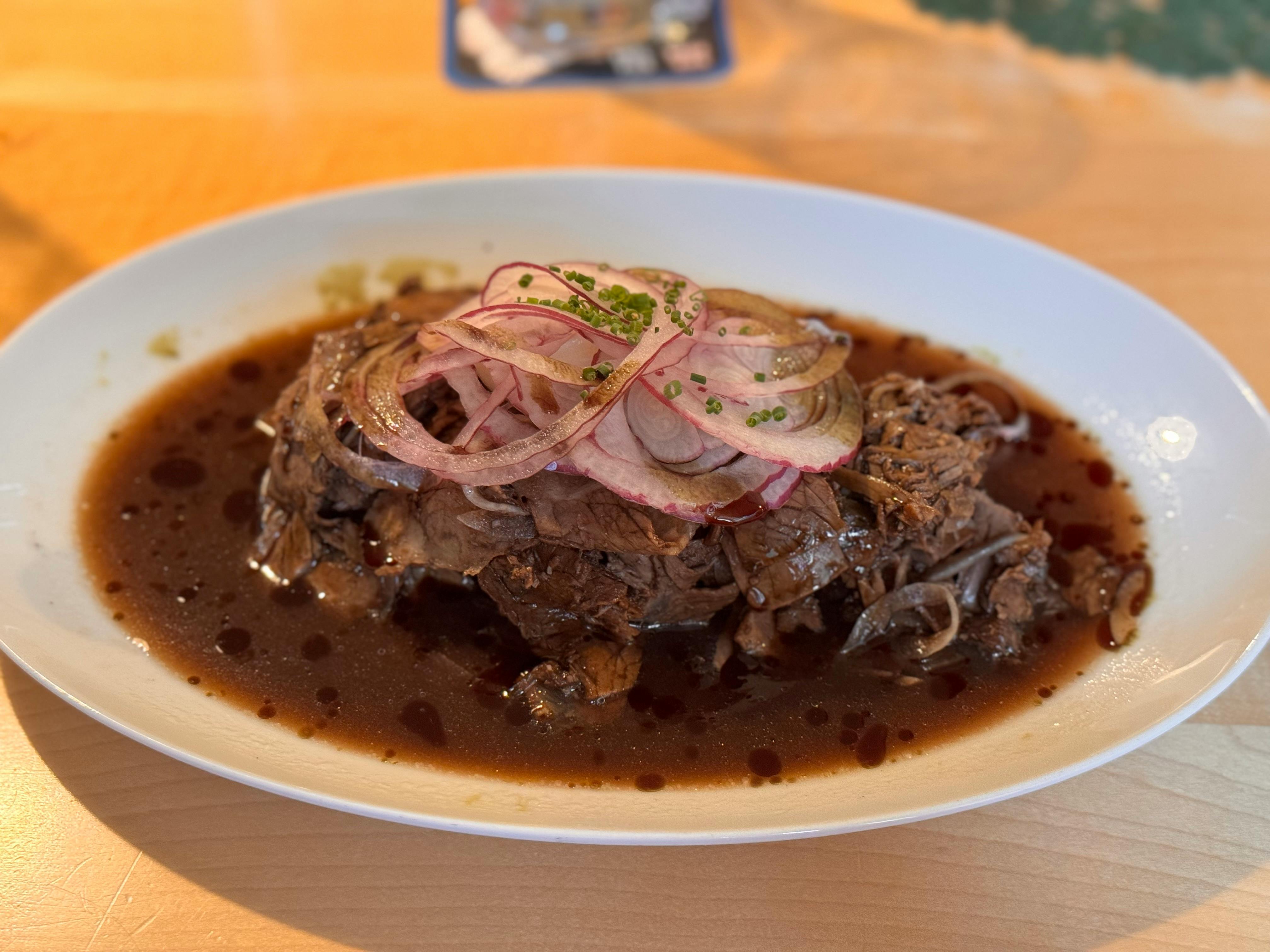
Bistek Tagalog
The diets react (see scores below)
Common Ingredients
- beef sirloin
- soy sauce
- calamansi
- onion
- garlic
- black pepper
- oil
- bay leaves
Specific recipes may vary.
Incompatible with 6 of 11 diets
Diet Ratings
Bistek Tagalog is a Filipino beef dish that is largely keto-compatible in its protein and fat profile, but carries moderate concerns. Beef sirloin is an excellent keto protein source. The primary carb concerns come from soy sauce (which contains wheat and has some carbs, though minimal per serving), calamansi juice (small amounts of citrus sugar), and onion (moderate carbs). In a standard serving, the combined net carbs from these ingredients likely land in the 5-10g range depending on portion sizes and how much marinade is consumed, which is manageable within a daily keto budget but not negligible. The dish contains no grains, starches, or added sugars in significant amounts. The main issue is cumulative carb load from the marinade ingredients, particularly if onions are used liberally. Portion control and mindfulness of daily carb totals are advised.
Strict keto practitioners may flag soy sauce for containing wheat (gluten) and argue that even small amounts of grain-derived ingredients should be avoided; they would recommend substituting with coconut aminos, which itself has slightly higher carbs but is grain-free. Some clinical keto protocols also caution against any citrus juice due to fructose content.
Bistek Tagalog is a Filipino beef dish centered on beef sirloin as its primary protein. Beef is an animal product — specifically skeletal muscle from cattle — and is unambiguously excluded under all vegan definitions. All remaining ingredients (soy sauce, calamansi, onion, garlic, black pepper, oil, bay leaves) are plant-based, but the inclusion of beef makes this dish entirely incompatible with a vegan diet.
Bistek Tagalog is a traditional Filipino beef dish that is fundamentally incompatible with the paleo diet due to soy sauce, which is a processed legume-based condiment containing both soy (a legume) and wheat (a grain) — two of the most strictly excluded ingredients in paleo. The beef sirloin, calamansi (a citrus fruit), onion, garlic, black pepper, and bay leaves are all paleo-approved. However, soy sauce alone disqualifies the dish as prepared. The type of oil is unspecified, which raises an additional concern — if a seed oil (e.g., vegetable or canola oil) is used, that adds another violation. The dish could theoretically be adapted using coconut aminos as a soy sauce substitute and a paleo-approved fat, but as traditionally prepared, it must be avoided.
Bistek Tagalog is built around beef sirloin as its primary protein, which is a red meat that the Mediterranean diet restricts to only a few times per month. Beyond the red meat concern, the dish relies heavily on soy sauce — a highly processed, sodium-dense condiment that is entirely absent from Mediterranean culinary tradition and contradicts the diet's emphasis on minimally processed ingredients. The cooking fat is unspecified generic oil rather than extra virgin olive oil. While some ingredients like onion, garlic, black pepper, and bay leaves are Mediterranean-friendly aromatics, these supporting elements cannot offset the two core problems: red meat as the main component and soy sauce as a dominant flavoring agent. This dish fundamentally reflects Southeast Asian flavor profiles that diverge significantly from Mediterranean dietary principles.
Bistek Tagalog is fundamentally incompatible with the carnivore diet despite its beef base. The dish relies heavily on soy sauce (a fermented soy/wheat plant product), calamansi juice (a citrus fruit), onion, garlic, bay leaves, and black pepper — all of which are plant-derived and excluded from the carnivore diet. The cooking oil is likely plant-based as well. While beef sirloin is an excellent carnivore protein source, the marinade and aromatics that define this dish are entirely plant-based. There is no meaningful way to adapt this dish while retaining its identity — removing soy sauce, calamansi, onion, and garlic leaves only plain beef, which is no longer Bistek Tagalog.
Bistek Tagalog's defining ingredient is soy sauce, which is derived from soybeans — a legume explicitly excluded on the Whole30 program. Soy and soy-derived products (including soy sauce, tamari, and liquid aminos made from soy) are not permitted. The remaining ingredients — beef sirloin, calamansi (a citrus fruit), onion, garlic, black pepper, oil, and bay leaves — are all fully Whole30-compliant. However, soy sauce is not a minor or optional component here; it is the primary marinade and seasoning that defines the dish. A Whole30-compatible version could be made by substituting coconut aminos (an explicitly allowed soy sauce alternative) for the soy sauce, which would make the dish fully compliant.
Bistek Tagalog as traditionally prepared contains two high-FODMAP ingredients that are fundamental to the dish: onion and garlic. Both are major sources of fructans and are firmly in the 'avoid' category during the FODMAP elimination phase at any standard culinary quantity. Garlic is one of the highest-FODMAP foods tested by Monash University, and onion rings are a central garnish and flavoring component of Bistek Tagalog — they are not incidental. The remaining ingredients are low-FODMAP: beef sirloin is protein with no FODMAPs, soy sauce is low-FODMAP at standard servings (up to 2 tablespoons), calamansi (a citrus juice similar to lime/lemon) is low-FODMAP, black pepper is fine in culinary amounts, neutral oil is FODMAP-free, and bay leaves are used in negligible quantities. However, the onion and garlic alone disqualify this dish from the elimination phase without significant modification (e.g., replacing garlic with garlic-infused oil and omitting onion or substituting the green tops of spring onions).
Bistek Tagalog presents a mixed DASH profile. Beef sirloin is a lean cut and acceptable in small portions under DASH (lean meats are permitted), but red meat is still limited compared to poultry and fish. The primary concern is soy sauce, which is extremely high in sodium — a single tablespoon contains roughly 900–1,000mg, and this dish typically uses several tablespoons as its base marinade and braising liquid, easily pushing a single serving past the DASH daily sodium target of 1,500–2,300mg. The calamansi juice (similar to calamansi/citrus), onion, garlic, and bay leaves are DASH-friendly aromatics with beneficial phytonutrients. The oil used for searing adds modest fat but is not a dominant concern if a vegetable oil is used. Overall, the dish is not incompatible with DASH principles in terms of its protein and aromatics, but the soy sauce volume makes it difficult to fit within DASH sodium limits as traditionally prepared. Using a low-sodium or reduced-sodium soy sauce and reducing the amount significantly could improve compatibility.
Some DASH-oriented dietitians note that if low-sodium soy sauce is substituted and portions are controlled (3oz beef serving), Bistek Tagalog's lean protein, citrus, and aromatic ingredients align reasonably well with DASH principles — in this interpretation, sodium management through ingredient substitution is preferred over categorical avoidance. However, as traditionally prepared with standard soy sauce, NIH DASH guidelines' strict sodium limits make this dish problematic.
Bistek Tagalog is a Filipino braised beef dish that can fit into the Zone Diet with careful portioning, but has some considerations. Beef sirloin is a moderately lean cut — leaner than ribeye or chuck but contains more saturated fat than skinless chicken or fish, placing it in the 'unfavorable' protein category for Zone. The marinade ingredients (calamansi, soy sauce, garlic, onion, bay leaves, black pepper) are all Zone-friendly: calamansi is a low-glycemic citrus fruit rich in polyphenols, soy sauce adds sodium but negligible carbs, and aromatics like onion and garlic are favorable low-glycemic carbs. The oil used for pan-frying adds fat; if olive oil is used it's monounsaturated and favorable. The main Zone challenge is that sirloin's fat profile includes saturated fat, requiring portion control (~3 oz/85g cooked to hit ~21g protein for 3 protein blocks). Onion rings topping the dish add a small carb block. The dish needs to be paired with additional low-glycemic vegetables and a modest protein portion to achieve the 40/30/30 ratio. Sodium content from soy sauce is high, which is a health consideration though not a Zone macro concern.
Early Zone writings (Enter the Zone, 1995) categorized beef more strictly as an 'unfavorable' protein due to its arachidonic acid and saturated fat content, which Sears linked to pro-inflammatory eicosanoids. However, Sears' later works acknowledged that lean cuts of beef in controlled portions are acceptable within Zone blocks. Some Zone practitioners treat sirloin as essentially equivalent to other lean proteins, especially when the cut is trimmed and the portion is modest (3 oz), while stricter adherents would prefer fish or poultry in this meal slot.
Bistek Tagalog presents a mixed anti-inflammatory profile. On the concerning side, beef sirloin is red meat — a protein source that anti-inflammatory guidelines recommend limiting due to saturated fat content and arachidonic acid, which can promote inflammatory pathways. Soy sauce, while fermented (which has modest beneficial properties), is very high in sodium, and most commercial versions contain additives; high sodium intake is associated with elevated inflammatory markers. The cooking oil is unspecified — if a high omega-6 refined oil (corn, sunflower) is used, that adds pro-inflammatory potential. On the positive side, the dish features several genuinely anti-inflammatory ingredients: garlic has allicin and organosulfur compounds that suppress NF-κB inflammatory pathways; onion provides quercetin, a well-studied anti-inflammatory flavonoid; black pepper contains piperine, which has anti-inflammatory and bioavailability-enhancing properties; bay leaves contain eugenol and linalool with anti-inflammatory activity; and calamansi (a citrus fruit) contributes vitamin C and flavonoids. The dish is not fried and is relatively lean (sirloin vs. fatty cuts), which moderates the saturated fat load. Overall, Bistek Tagalog sits in the caution zone — the beneficial aromatics and spices partially offset the red meat and high-sodium soy sauce, but the dish cannot be considered anti-inflammatory-forward. Using low-sodium tamari, extra virgin olive oil, and limiting portion size would improve its profile.
Some anti-inflammatory practitioners, particularly those following stricter protocols, would score this lower (toward 'avoid') due to the red meat base and high-sodium soy sauce, arguing that regular consumption of beef meaningfully elevates CRP and IL-6. Conversely, more moderate anti-inflammatory frameworks (including Dr. Weil's, which allows lean red meat occasionally) would consider a sirloin-based dish with abundant aromatics an acceptable occasional meal, especially compared to processed meat alternatives.
Bistek Tagalog features beef sirloin braised in soy sauce and calamansi juice with onions, garlic, and bay leaves. The dish offers a solid protein source (sirloin provides roughly 25-28g protein per 100g cooked), and the cooking method — braising in a tangy citrus-soy marinade — is relatively low in added fat compared to fried or heavily oiled preparations. However, beef sirloin carries moderate saturated fat content, which is a concern for GLP-1 patients prone to nausea, reflux, and slowed gastric emptying. The soy sauce base is very high in sodium, which can contribute to water retention and is worth flagging for patients managing blood pressure alongside GLP-1 therapy. On the positive side, the dish contains no significant fiber, which means it should be paired with a high-fiber side (e.g., steamed vegetables, legumes). The onions and garlic add minor prebiotic benefit. The calamansi juice contributes vitamin C and acidity without meaningful sugar load. Portion size is critical — a small serving of sirloin with the braising liquid is manageable, but a large portion of fatty beef will worsen GI side effects. Leaner cuts or trimming visible fat before cooking would improve the rating.
Some GLP-1-focused dietitians accept moderate red meat consumption given its high protein density and satiety value in small portions, arguing that sirloin trimmed of fat is meaningfully different from fatty cuts like ribeye or brisket. Others caution that any red meat — regardless of cut — carries enough saturated fat and digestive burden to be discouraged routinely in GLP-1 patients, especially in the early weeks of treatment when GI side effects are most pronounced.
*See how scores were generated at our methodology page.
Nutritional profile
Six traits that cut across every diet.
Fiber & Plants
How much whole-plant food and fiber it delivers.
Healthy Fats
The quality of its fats (unsaturated, omega-3).
Whole / Unprocessed
How close it is to its natural, unprocessed form.
Gut Gentle
How easy it is on digestion (low FODMAP, few irritants).
Low Glycemic
How little it spikes your blood sugar.
Protein Density
How much protein it packs per calorie.
Controversy Index
Higher controversy = more disagreement between diets.
Diet-Specific Tips
 Keto — 5/10
View tips
- Beef sirloin is a keto-friendly high-protein, moderate-fat cut
- Soy sauce contains wheat and contributes minor carbs; a concern for strict keto
- Calamansi juice adds small amounts of citrus sugars
- Onion contributes moderate net carbs and should be portioned carefully
- No starchy vegetables, grains, or added sugars as main components
- Net carbs per serving estimated at 5-10g — manageable but requires tracking
 DASH — 4/10
View tips
- High sodium from soy sauce — easily exceeds DASH daily sodium limit in a single serving
- Beef sirloin is a lean red meat — acceptable in limited portions under DASH but not preferred over poultry or fish
- Calamansi, onion, and garlic are DASH-friendly, low-sodium, nutrient-rich ingredients
- Red meat classification limits frequency of consumption under DASH guidelines
- Low-sodium soy sauce substitution would significantly improve DASH compatibility
- Cooking oil type matters — vegetable oils (canola, olive) are preferred over tropical oils under DASH
 Zone — 6/10
View tips
- Beef sirloin is a moderately lean cut but contains more saturated fat than ideal Zone proteins like fish or skinless chicken
- Calamansi and aromatics (garlic, onion) are favorable low-glycemic, polyphenol-rich Zone carb sources
- Soy sauce adds significant sodium but negligible glycemic load
- Oil choice matters: olive oil keeps fat profile favorable; vegetable/seed oils introduce omega-6 concerns
- Portion control critical: ~3 oz cooked sirloin to hit Zone protein block targets
- Dish needs pairing with additional low-glycemic vegetables to complete Zone macro ratios
- High polyphenol content from calamansi and garlic aligns with Sears' anti-inflammatory dietary emphasis
 Anti-Inflammatory — 5/10
View tips
- Red meat (beef sirloin) is a 'limit' category food in anti-inflammatory guidelines due to saturated fat and arachidonic acid
- Garlic and onion provide quercetin, allicin, and organosulfur anti-inflammatory compounds
- Black pepper (piperine) and bay leaves offer meaningful anti-inflammatory phytochemicals
- Calamansi contributes vitamin C and citrus flavonoids
- Soy sauce is high in sodium and potentially contains additives; high sodium linked to elevated inflammatory markers
- Oil type unspecified — choice of oil significantly impacts inflammatory profile
- Sirloin is a relatively lean cut, moderating saturated fat compared to fattier beef options
- Dish is braised/pan-cooked rather than deep-fried, limiting oxidized fat exposure
 GLP-1 Friendly — 5/10
View tips
- Good protein density from beef sirloin (~25-28g per 100g cooked)
- Moderate to high saturated fat — slows digestion and may worsen GLP-1 GI side effects
- Very high sodium from soy sauce — a concern for cardiovascular comorbidities common in GLP-1 patients
- No significant fiber — must be paired with high-fiber sides
- Braising method preferable to frying but beef remains harder to digest than poultry or fish
- Portion-sensitive: small serving is manageable; large serving likely problematic
- Leaner cut relative to other beef options but not as lean as chicken breast or fish