Photo: Emine Gizem / Pexels
French
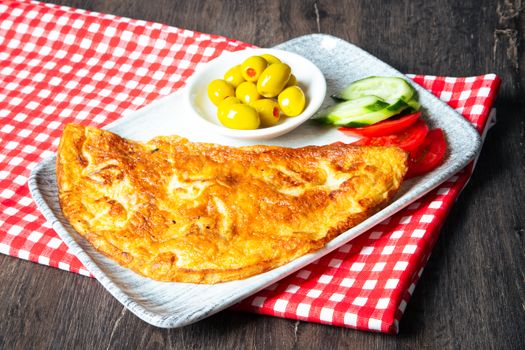
Classic French Omelette
The diets react (see scores below)
Common Ingredients
- eggs
- butter
- chives
- parsley
- tarragon
- chervil
- salt
- black pepper
Specific recipes may vary.
Incompatible with 3 of 11 diets
Diet Ratings
A classic French omelette made with eggs, butter, fresh herbs, salt, and pepper is an excellent keto meal. Eggs provide high-quality protein and fat, while butter adds healthy saturated fat that aligns perfectly with keto's 70-80% fat target. The fresh herbs (chives, parsley, tarragon, chervil) contribute negligible carbs in the quantities used as garnish or seasoning. Net carbs for a standard 2-3 egg omelette with these ingredients are under 2g, well within daily keto limits. No sugars, grains, or starchy ingredients are present.
A Classic French Omelette contains two animal-derived ingredients that are explicitly excluded from a vegan diet: eggs (the primary protein and structural base of the dish) and butter (a dairy product). Both are unambiguously animal products with no meaningful debate within the vegan community. The herbs, salt, and pepper are plant-based, but they are minor garnishes that do not alter the fundamental nature of this dish. There is no vegan version of this specific recipe — a plant-based alternative would require replacing both the eggs and butter entirely, resulting in a fundamentally different dish.
The Classic French Omelette is largely paleo-compatible but has two notable issues. Eggs are unambiguously paleo-approved, and the fresh herbs (chives, parsley, tarragon, chervil) are all hunter-gatherer-available plants with no paleo objection. Butter, however, is a dairy product and is excluded under strict paleo guidelines — ghee (clarified butter) is the commonly accepted substitute. Salt is also explicitly excluded under paleo rules as an 'added salt' processed product, though black pepper itself is a natural spice and generally approved. The dish scores in caution territory primarily because butter is a mainstream dairy ingredient and salt is a non-paleo additive; without these two ingredients (substituting ghee and omitting salt), the dish would score highly. The herbs and eggs alone represent an excellent paleo foundation.
Mark Sisson and many modern paleo practitioners accept butter, particularly grass-fed butter like Kerrygold, arguing that the fat-dominant profile (low in casein and lactose compared to other dairy) makes it functionally similar to ghee. Under this interpretation, butter moves the dish closer to approval. Strict Cordain-school paleo and The Paleo Diet's official guidelines, however, exclude all dairy including butter and ghee.
A classic French omelette is built around eggs, which are acceptable in the Mediterranean diet in moderate amounts (a few servings per week to once daily). The herbs — chives, parsley, tarragon, and chervil — are fully Mediterranean-compatible and add nutritional value. The primary concern is butter as the cooking fat, which directly contradicts the Mediterranean diet's foundational principle of using extra virgin olive oil as the primary fat source. Butter is a saturated animal fat not native to Mediterranean culinary tradition. The dish is otherwise wholesome (no processed ingredients, no refined grains, no added sugar), making it a borderline acceptable choice that would be much better aligned with Mediterranean principles if olive oil replaced the butter.
Some traditional Southern French regional cooking does incorporate butter, and certain Mediterranean diet practitioners allow small amounts of dairy fats. A strict purist would score this lower due to the butter, while a more flexible interpretation focused on whole, minimally processed ingredients might view this egg-and-herb dish more favorably.
While eggs and butter are carnivore-approved animal products, this classic French omelette is loaded with plant-based herbs — chives, parsley, tarragon, and chervil — along with black pepper. These fresh herbs are foundational to the dish's identity, not optional garnishes. All plant foods, including herbs and spices (except salt), are excluded on a strict carnivore diet. Black pepper is also a plant-derived spice. The egg and butter base would score well on their own, but the dish as presented cannot be approved. Stripped of all herbs and pepper, a plain egg-and-butter omelette would rate 7-8.
Some carnivore practitioners, particularly those following Paul Saladino's more permissive 'animal-based' approach or a relaxed carnivore framework, tolerate small amounts of herbs and spices, arguing that trace plant compounds in culinary quantities pose negligible harm. However, strict carnivore authorities like Dr. Shawn Baker and Lion Diet adherents exclude all plant matter categorically.
A Classic French Omelette is made with eggs, butter, fresh herbs, salt, and black pepper. Nearly every ingredient is Whole30 compliant — eggs are explicitly allowed, fresh herbs (chives, parsley, tarragon, chervil) are allowed, salt and black pepper are allowed. However, the recipe calls for regular butter, which is explicitly excluded under Whole30 dairy rules. Only ghee and clarified butter are permitted as dairy exceptions. The fix is simple: substituting ghee or clarified butter would make this dish fully compliant.
A classic French omelette is an excellent low-FODMAP choice. Eggs are FODMAP-free and the primary protein. Butter is low-FODMAP (fat-based, contains negligible lactose). The herbs — chives, parsley, tarragon, and chervil — are all used in small culinary quantities as garnish or flavoring and are low-FODMAP at typical serving amounts. Chives in particular are often used as a green onion substitute on the low-FODMAP diet. Salt and black pepper contain no FODMAPs. There are no high-FODMAP ingredients in this dish at any reasonable serving size.
A Classic French Omelette sits in a moderate position on the DASH diet. Eggs are a lean protein source that DASH guidelines support, and the fresh herbs (chives, parsley, tarragon, chervil) add micronutrients with no sodium concern. However, butter contributes saturated fat, which DASH advises limiting in favor of vegetable oils. The egg yolk cholesterol question has evolved — the 2020-2025 Dietary Guidelines removed the 300mg/day cholesterol cap, and most DASH-aligned clinicians now accept whole eggs in moderation, though some cardiologists still advise caution. Salt is added, which must be counted toward the DASH sodium limit (<2,300mg/day standard; <1,500mg/day low-sodium). A typical 2-3 egg omelette with 1 tsp butter and light salting is reasonable within a DASH pattern but requires portion awareness, particularly on saturated fat and sodium.
NIH DASH guidelines specify low-fat cooking methods and limiting saturated fat, which would flag the butter used here; however, updated clinical interpretations post-2020 Dietary Guidelines have relaxed cholesterol restrictions on eggs, and some DASH practitioners accept moderate butter use (1 tsp or less) when overall saturated fat intake for the day remains within the 6% of calories target.
A Classic French Omelette is fundamentally a Zone-compatible dish but requires attention to two areas: the use of whole eggs (which include yolk fat and some saturated fat) and the use of butter as the cooking fat. In Zone terms, eggs are a recognized protein source, though whole eggs count partial fat blocks due to their yolk fat content, and Dr. Sears traditionally favors egg whites with 1 whole egg to keep saturated fat low. The butter is the more significant concern — it is a saturated fat that Zone methodology (especially early Sears) classifies as unfavorable compared to monounsaturated fats like olive oil. On the positive side, the herb mixture (chives, parsley, tarragon, chervil) provides polyphenols and anti-inflammatory micronutrients consistent with Sears' later emphasis on polyphenol-rich eating. The dish is also virtually carbohydrate-free, which means it must be paired with low-glycemic carbohydrate sources (e.g., fruit, vegetables) to achieve the 40/30/30 Zone block ratio — it cannot stand alone as a complete Zone meal. With a small amount of butter (1 tsp) and 2-3 whole eggs, the macros can be balanced into a Zone meal with proper carb accompaniments, making it workable but not ideal.
Later Sears writings (e.g., 'The Anti-Inflammation Zone') acknowledge that not all saturated fat is equally problematic and that dietary cholesterol from eggs is less of a concern than previously thought. Some Zone practitioners approve of 2 whole eggs with a small amount of butter as a legitimate Zone protein-fat block, particularly when the meal is carefully balanced with a large serving of low-glycemic vegetables or fruit on the side. Others remain stricter, preferring egg whites and olive oil to keep saturated fat minimal.
A classic French omelette is a simple, whole-food dish built primarily around eggs and butter — two ingredients with genuinely contested inflammatory profiles. Eggs provide high-quality protein, choline, selenium, and lutein, but also contain arachidonic acid (an omega-6 precursor) and dietary cholesterol, making their net inflammatory effect debated. Butter is a saturated fat that most anti-inflammatory frameworks recommend limiting, though it lacks trans fats and is less problematic than margarine or shortening. On the positive side, the fines herbes blend — chives, parsley, tarragon, and chervil — contributes meaningful polyphenols, flavonoids, and antioxidants (parsley is notably high in apigenin and vitamin C; tarragon contains estragole and anti-inflammatory phenolics), which genuinely tilts the dish in a favorable direction. Black pepper adds piperine, a mild anti-inflammatory compound. The dish is minimally processed, free of refined carbohydrates, added sugars, seed oils, and artificial additives — all positives within this framework. The limiting factors are the butter (saturated fat load) and the eggs' ambiguous inflammatory status. For a generally healthy person eating this occasionally, it's a reasonable whole-food meal. For those with autoimmune conditions or sensitivity to arachidonic acid, the egg yolks warrant additional caution.
Some anti-inflammatory practitioners (including those following AIP or functional medicine protocols) flag eggs as potentially pro-inflammatory due to arachidonic acid content in yolks and possible immune reactivity, while others like Dr. Weil classify eggs as acceptable in moderation, noting their nutrient density outweighs concerns for most people. Similarly, butter is limited under most anti-inflammatory frameworks due to saturated fat, but some updated research (and paleo-adjacent approaches) challenge whether saturated fat from whole dairy sources meaningfully drives systemic inflammation.
A classic French omelette made with 2-3 eggs provides roughly 12-18g of high-quality, easily digestible protein — a solid GLP-1-friendly protein source. Eggs are nutrient-dense per calorie, easy on the stomach, and work well in small portions. The fresh herbs (chives, parsley, tarragon, chervil) add micronutrients and negligible calories. The primary concern is butter: a traditional French omelette uses enough butter (typically 1-2 tablespoons) to introduce meaningful saturated fat and additional calories, which can worsen GLP-1 side effects like nausea and reflux. The dish is also low in fiber, missing the 5-10g fiber target per meal recommended for GLP-1 patients. It scores well on protein density, digestibility, portion-friendliness, and nutrient density per calorie, but the butter content and absent fiber hold it back from a full approval. Using a minimal amount of butter or substituting a light spray of olive oil would push this closer to an approve.
Most GLP-1-focused RDs view eggs positively but differ on butter tolerance — some accept small amounts of butter as a source of fat-soluble vitamins and palatability that supports consistent eating habits, while others flag any saturated fat as a meaningful GI risk given slowed gastric emptying. Individual tolerance varies considerably, particularly in the early weeks of GLP-1 therapy.
*See how scores were generated at our methodology page.
Nutritional profile
Six traits that cut across every diet.
Fiber & Plants
How much whole-plant food and fiber it delivers.
Healthy Fats
The quality of its fats (unsaturated, omega-3).
Whole / Unprocessed
How close it is to its natural, unprocessed form.
Gut Gentle
How easy it is on digestion (low FODMAP, few irritants).
Low Glycemic
How little it spikes your blood sugar.
Protein Density
How much protein it packs per calorie.
Controversy Index
Higher controversy = more disagreement between diets.
Diet-Specific Tips
 Keto — 9/10
View tips
- Eggs are a keto staple — high fat, high protein, near-zero carbs
- Butter is a preferred fat source on keto, boosting fat macros
- Fresh herbs used in small quantities add essentially zero net carbs
- No grains, sugars, or starchy fillers present
- Whole, unprocessed ingredients align with clean keto principles
- Approximately 1-2g net carbs per serving — well within daily limits
 Paleo — 5/10
View tips
- Eggs are fully paleo-approved and the primary protein
- Butter is a dairy product — excluded under strict paleo; ghee is the accepted substitute for most practitioners
- Salt (added/refined) is excluded under paleo rules
- Black pepper is a natural spice and paleo-approved
- All fresh herbs (chives, parsley, tarragon, chervil) are fully paleo-compatible
- Dish would be largely paleo-compliant with simple substitutions (ghee for butter, no salt)
 Mediterranean — 5/10
View tips
- Eggs are a permitted Mediterranean diet food in moderate amounts
- Butter replaces olive oil as the cooking fat, conflicting with a core Mediterranean principle
- Fresh herbs (chives, parsley, tarragon, chervil) are strongly Mediterranean-compatible
- No processed ingredients, refined grains, or added sugars
- Dish is nutritionally simple and minimally processed overall
- Substituting olive oil for butter would significantly improve Mediterranean compatibility
 Low-FODMAP — 9/10
View tips
- Eggs are completely FODMAP-free
- Butter is low-FODMAP (fat-based, negligible lactose)
- Chives are a low-FODMAP green onion alternative, safe at culinary amounts
- Parsley, tarragon, and chervil are low-FODMAP fresh herbs at typical serving sizes
- No wheat, onion, garlic, legumes, lactose, excess fructose, or polyols present
- Salt and black pepper are FODMAP-free seasonings
 DASH — 5/10
View tips
- Eggs are an acceptable lean protein per DASH guidelines when consumed in moderation
- Butter adds saturated fat, which DASH recommends limiting — substituting with olive oil or a small amount of unsaturated-fat spread would improve the score
- Fresh herbs (chives, parsley, tarragon, chervil) are DASH-positive, contributing micronutrients without sodium
- Added salt must be carefully portioned to stay within DASH sodium limits (1,500–2,300mg/day)
- No high-sodium processed ingredients, full-fat dairy beyond a small butter amount, or red meat — a positive
- Cholesterol from egg yolks was historically a DASH concern but is less restrictive under current dietary guidelines
 Zone — 6/10
View tips
- Whole eggs provide protein but include saturated fat from yolks — Zone favors egg whites or limiting to 1 whole egg
- Butter is a saturated fat; Zone methodology classifies it as unfavorable, preferring monounsaturated fats like olive oil
- No carbohydrates present — must be paired with low-glycemic carbs (vegetables, fruit) to complete Zone 40/30/30 balance
- Herb garnishes (chives, parsley, tarragon, chervil) contribute polyphenols, consistent with Sears' anti-inflammatory dietary principles
- Portion control is critical: 2-3 eggs with 1 tsp butter can fit Zone blocks, but larger quantities push saturated fat and protein blocks out of balance
 Anti-Inflammatory — 5/10
View tips
- Eggs are nutritionally dense but carry arachidonic acid and are a contested ingredient in anti-inflammatory frameworks
- Butter contributes saturated fat, which most anti-inflammatory guidelines recommend limiting
- Fines herbes (parsley, chives, tarragon, chervil) add polyphenols, flavonoids, and antioxidants — a genuine anti-inflammatory positive
- No refined carbohydrates, added sugars, seed oils, or processed ingredients
- Black pepper (piperine) provides a mild anti-inflammatory contribution
- Dish is whole-food and minimally processed, consistent with anti-inflammatory eating principles
 GLP-1 Friendly — 6/10
View tips
- Good complete protein source: ~12-18g per 2-3 egg omelette
- Butter adds saturated fat that may worsen nausea, bloating, or reflux
- Near-zero dietary fiber — does not support the 25-30g daily fiber target
- Eggs are easy to digest and gentle on a slowed GI tract
- Small portion-friendly — works well with reduced appetite
- Fresh herbs provide micronutrients at negligible caloric cost
- No added sugar, no refined carbs, no fried or ultra-processed ingredients
- Protein target per meal (15-30g) is met only at the higher end of egg count