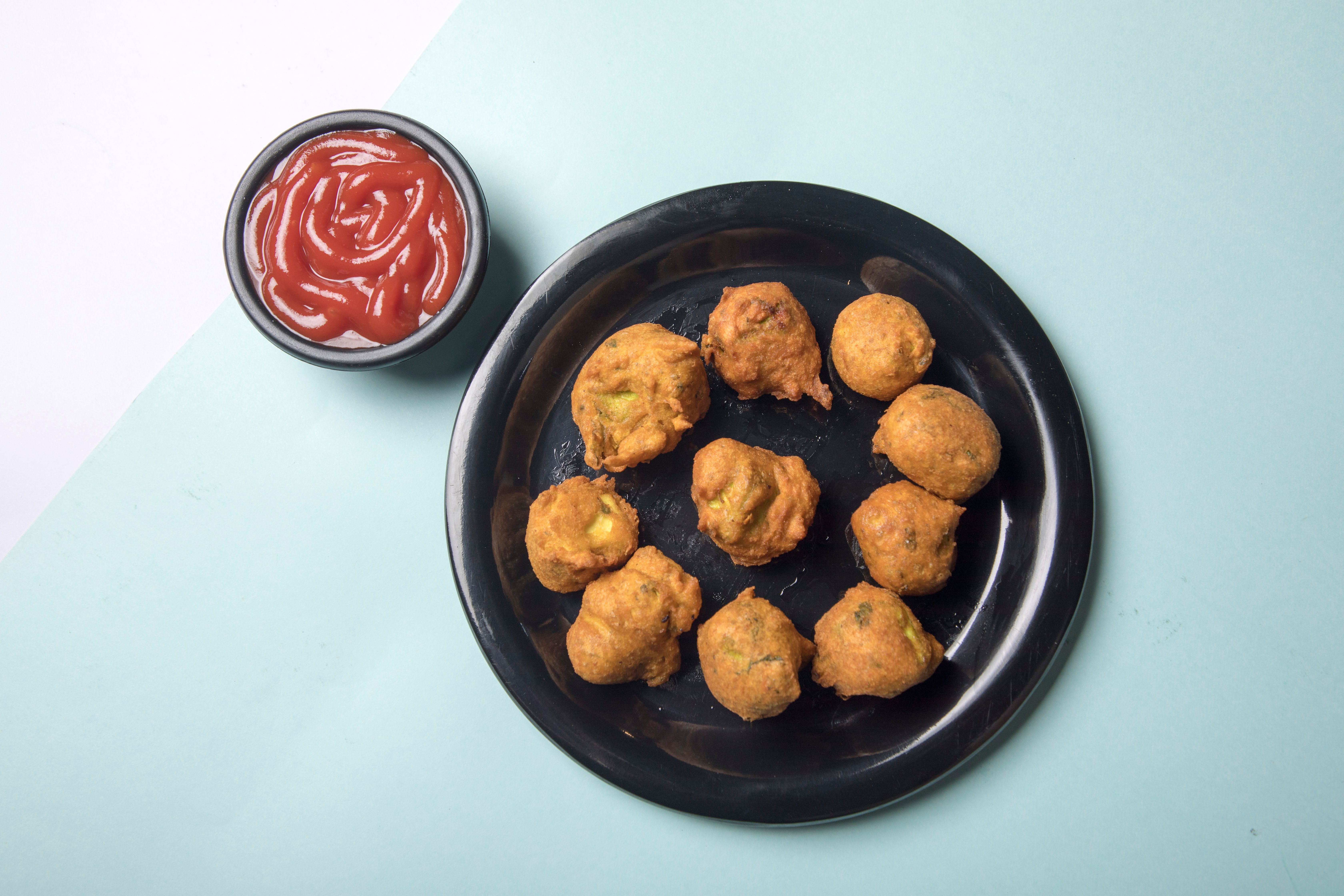
Photo: Milton Das / Pexels
The diets react (see scores below)
Common Ingredients
- okra
- cornmeal
- flour
- buttermilk
- salt
- black pepper
- vegetable oil
Specific recipes may vary.
Incompatible with 8 of 11 diets
Diet Ratings
Fried okra is fundamentally incompatible with a ketogenic diet. While okra itself is a relatively low-carb vegetable, the breading — cornmeal and all-purpose flour — is the primary issue. Cornmeal and flour are grain-based, high-carb ingredients that directly violate keto rules. A standard serving of fried okra (about 1 cup) can contain 20-30g of net carbs from the breading alone, easily consuming or exceeding the entire daily net carb budget. The frying in vegetable oil (likely a refined seed oil) is also suboptimal for keto, though secondary to the carb issue. This dish is not salvageable in its traditional form for keto purposes.
This dish contains buttermilk, a dairy product derived from cow's milk, which is a clear animal-derived ingredient that disqualifies it from being vegan. Buttermilk is used as the liquid binder in the traditional Southern fried okra recipe. All other ingredients — okra, cornmeal, flour, salt, black pepper, and vegetable oil — are fully plant-based. A vegan version can easily be made by substituting buttermilk with a plant-based alternative such as unsweetened non-dairy milk mixed with a small amount of apple cider vinegar or lemon juice to replicate the acidity.
Fried Okra contains multiple paleo-excluded ingredients that make it clearly non-compliant. Cornmeal is a grain product, flour (wheat) is a grain, buttermilk is dairy, salt is excluded as an added ingredient, and vegetable oil is a seed oil — all of which are explicitly prohibited on a paleo diet. While okra itself is a paleo-approved vegetable, it is virtually the only compliant ingredient in this dish. The preparation method and coating transform what could be a healthy vegetable into a heavily non-compliant dish with at least five distinct paleo violations.
While okra itself is an excellent Mediterranean-friendly vegetable, this preparation fundamentally contradicts Mediterranean diet principles. The dish is deep-fried in vegetable oil (likely refined seed oil, not olive oil), coated in refined cornmeal and white flour, which are refined grains. The frying method adds excessive unhealthy fats and removes the nutritional advantages of the okra. This is an American Southern preparation with no Mediterranean tradition, and the combination of refined grain coating plus deep frying places it firmly outside Mediterranean dietary guidelines.
Some flexible interpretations of the Mediterranean diet focus on the vegetable base (okra) and could argue that occasional fried vegetables are acceptable in spirit, as frying vegetables in oil does have some precedent in Mediterranean cooking (e.g., Greek fried zucchini). However, the use of refined flour/cornmeal coating and non-olive vegetable oil distinguishes this from Mediterranean-style preparations.
Fried okra is entirely incompatible with the carnivore diet. Every single ingredient is plant-derived or processed: okra is a vegetable, cornmeal and flour are grains, buttermilk is a dairy product (and even if accepted as dairy, it is low-fat and heavily processed), black pepper is a plant spice, and vegetable oil is a seed/plant oil — one of the most condemned foods in the carnivore community for its inflammatory polyunsaturated fatty acid profile. There is no animal-derived protein source whatsoever. This dish represents the antithesis of carnivore eating.
Fried Okra contains multiple excluded ingredients. Cornmeal is a corn-derived grain product, flour is a wheat grain product, and buttermilk is a dairy product — all three are explicitly excluded on Whole30. Additionally, even if compliant coatings existed, deep-fried breaded foods would likely fall under the 'no recreating junk food' rule (similar to chips or tots). This dish is firmly non-compliant.
Fried okra contains multiple high-FODMAP ingredients that make it problematic during the elimination phase. First, okra itself is high-FODMAP at typical serving sizes — Monash rates okra as high in fructans and polyols at servings above approximately 6 pods (52g), and a standard side dish serving would easily exceed this. Second, regular wheat flour is high in fructans and is a core ingredient in the breading. Third, buttermilk is high in lactose and used as the liquid coating. The combination of high-FODMAP okra, wheat flour fructans, and lactose-containing buttermilk makes this dish a triple threat during elimination. Cornmeal and the remaining ingredients (salt, black pepper, vegetable oil) are low-FODMAP, but they do not redeem the dish overall.
Monash University rates okra as low-FODMAP at very small servings (around 6 pods), and some clinical FODMAP practitioners might suggest that a small portion of fried okra with gluten-free flour and a lactose-free buttermilk substitute could be made low-FODMAP — however, as traditionally prepared with wheat flour and buttermilk, the dish is not safe during elimination phase regardless of okra portion size.
Fried okra presents a mixed DASH diet picture. Okra itself is an excellent DASH food — it is rich in fiber, potassium, magnesium, folate, and vitamin C, and is explicitly aligned with DASH vegetable guidelines. However, the preparation method significantly undermines its DASH compatibility. Deep frying in vegetable oil adds substantial fat and calories, the cornmeal/flour breading adds refined carbohydrates with limited nutritional benefit, buttermilk adds some sodium, and the added salt during preparation pushes sodium content higher. The frying process also means the dish is calorie-dense, which conflicts with DASH's emphasis on nutrient density over caloric density. DASH guidelines explicitly recommend limiting total fat intake and favor cooking methods like steaming, roasting, or sautéing with minimal oil over deep frying. The vegetable oil used is not a saturated fat concern (unlike tropical oils), which prevents this from scoring lower, but the overall preparation makes this a 'caution' item rather than an approved DASH food. Steamed, roasted, or sautéed okra with minimal salt would score 8-9.
Fried okra is a challenging dish for the Zone Diet. While okra itself is a Zone-favorable vegetable (low-glycemic, high-fiber, good polyphenol content), the preparation method significantly undermines its Zone compatibility. The cornmeal and flour coating creates a high-glycemic carbohydrate shell, and frying in vegetable oil (typically omega-6-heavy seed oils like canola or soybean) directly conflicts with Zone's anti-inflammatory principles. The resulting dish is carbohydrate-heavy with poor-quality fat, no meaningful protein, and lacks the balanced 40/30/30 macro ratio. The vegetable oil used is exactly the type of omega-6-rich oil Sears specifically discourages. While technically one could eat a very small portion as part of a broader Zone meal that compensates with lean protein and minimal other carbs, the dish as prepared is difficult to incorporate meaningfully. The breading-to-vegetable ratio makes portioning impractical for Zone balance. It scores low within the caution range because the underlying ingredient (okra) has Zone merit, but the preparation method nearly eliminates that benefit.
Fried okra presents a mixed anti-inflammatory profile. Okra itself is a genuinely beneficial vegetable — rich in fiber, vitamin C, folate, and antioxidants including quercetin and catechins, with research suggesting it may help reduce inflammatory markers. However, the preparation method significantly undermines those benefits. Deep-frying in vegetable oil (likely a high-omega-6 refined oil such as corn, soybean, or sunflower) introduces the primary concern: excessive omega-6 fatty acids and oxidation byproducts from high-heat frying, both of which are pro-inflammatory. The cornmeal and flour coating adds refined carbohydrates with limited nutritional value. Buttermilk is low-fat dairy and relatively neutral. Black pepper has mild anti-inflammatory properties. The net result is a dish where a beneficial vegetable is cooked in a way that introduces meaningful inflammatory inputs — particularly the frying oil. Occasional consumption is not cause for alarm, but this is not a dish that supports anti-inflammatory eating as a regular pattern. A baked or air-fried version using olive oil would substantially improve the profile.
Most anti-inflammatory protocols flag refined seed oils used in deep frying as a significant concern due to high omega-6 content and oxidation at high heat (Dr. Weil's framework, IF Rating system). However, mainstream nutrition bodies like the AHA consider unsaturated vegetable oils acceptable or even cardioprotective, and some anti-inflammatory researchers argue that the frying context — not the oil type alone — is the key variable, meaning the okra's polyphenol content still provides net benefit.
Fried okra is a poor fit for GLP-1 patients on nearly every key criterion. The cooking method — deep frying in vegetable oil — significantly increases fat content and makes the dish heavy and greasy, which is known to worsen GLP-1 side effects including nausea, bloating, and reflux due to slowed gastric emptying. The batter of cornmeal and flour adds refined carbohydrates with minimal nutritional value, pushing this into empty-calorie territory. While okra itself is a fiber-rich, nutrient-dense vegetable, the frying process largely negates those benefits. The dish provides no meaningful protein, which is the top dietary priority for GLP-1 patients. The high fat content per serving makes it particularly problematic in the context of reduced gastric motility. As a side dish, it occupies valuable caloric and stomach real estate without contributing protein, significant fiber, or meaningful micronutrients in their intact form.
*See how scores were generated at our methodology page.
Nutritional profile
Six traits that cut across every diet.
Fiber & Plants
How much whole-plant food and fiber it delivers.
Healthy Fats
The quality of its fats (unsaturated, omega-3).
Whole / Unprocessed
How close it is to its natural, unprocessed form.
Gut Gentle
How easy it is on digestion (low FODMAP, few irritants).
Low Glycemic
How little it spikes your blood sugar.
Protein Density
How much protein it packs per calorie.
Controversy Index
Higher controversy = more disagreement between diets.
Diet-Specific Tips
 DASH — 4/10
View tips
- Okra itself is a DASH-approved vegetable rich in fiber, potassium, and magnesium
- Deep frying adds significant fat and calories, conflicting with DASH fat guidelines
- Added salt increases sodium content beyond what raw okra provides
- Cornmeal and flour breading adds refined carbohydrates
- Vegetable oil is preferable to saturated fats but still increases overall fat load
- Cooking method transforms a DASH-approved vegetable into a caution item
- Low-sodium, air-fried or baked preparation would significantly improve DASH compatibility
 Zone — 5/10
View tips
- Okra itself is a Zone-favorable low-glycemic vegetable with good fiber content
- Cornmeal and flour coating adds high-glycemic carbohydrates with negligible nutritional value
- Vegetable oil frying medium is omega-6-heavy, directly contradicting Zone anti-inflammatory principles
- No protein component makes macro balancing entirely dependent on pairing
- Deep-frying dramatically increases caloric density from poor-quality fat
- Breading absorbs significant amounts of omega-6 vegetable oil during frying
- Small portions could theoretically fit into a Zone meal but practical portioning is very difficult
 Anti-Inflammatory — 4/10
View tips
- Okra is a nutrient-dense vegetable with antioxidants (quercetin, catechins) and soluble fiber — a clear anti-inflammatory positive
- Deep-frying in vegetable oil introduces high omega-6 fatty acids and oxidation byproducts at high heat — a notable pro-inflammatory concern
- Cornmeal and flour coating adds refined carbohydrates with minimal anti-inflammatory value
- Buttermilk is low-fat dairy, considered neutral to mildly acceptable in anti-inflammatory frameworks
- Black pepper provides minor anti-inflammatory benefit
- Preparation method (deep frying) is the dominant factor dragging down an otherwise beneficial vegetable
- Occasional consumption is acceptable; not suitable as a regular anti-inflammatory staple