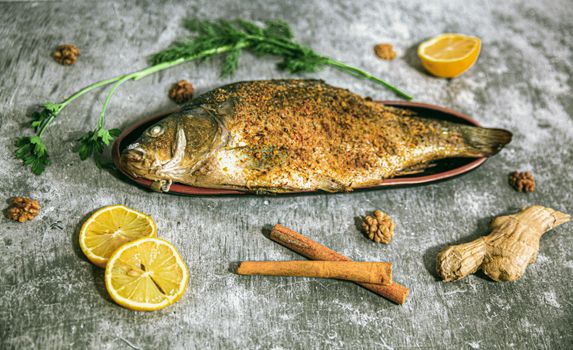
Photo: Anna Kapustina / Pexels
Chinese
Ginger Scallion Whole Fish
The diets react (see scores below)
Common Ingredients
- whole sea bass
- ginger
- scallions
- soy sauce
- Shaoxing wine
- vegetable oil
- cilantro
- sesame oil
Specific recipes may vary.
Incompatible with 4 of 11 diets
Diet Ratings
The primary protein — whole sea bass — is excellent for keto: lean, clean protein with zero carbs. The aromatics (ginger, scallions, cilantro) add minimal net carbs in typical cooking quantities. However, two ingredients create meaningful concern: Shaoxing rice wine is a grain-derived cooking wine with residual sugars and carbs (roughly 5-8g per 2 tbsp used), and soy sauce contains small amounts of carbs plus wheat in most standard versions. In a restaurant preparation, the quantities of these ingredients may be substantial enough to push the dish into caution territory. If the Shaoxing wine is omitted or used sparingly and tamari (wheat-free soy sauce) is substituted, the dish becomes much more keto-friendly. The healthy fats from sesame oil and vegetable oil are positives. A home cook controlling portions of the problematic ingredients could likely keep this within keto limits, but restaurant ordering carries uncertainty.
Strict keto practitioners would flag both soy sauce (wheat content, glycemic response) and Shaoxing wine as outright disqualifying, arguing that any grain-derived ingredient — regardless of quantity — undermines a clean ketogenic protocol and should result in an avoid rating.
This dish contains whole sea bass, which is a fish — an animal product explicitly excluded under all vegan dietary frameworks. Fish is not a plant-based food regardless of preparation method or cultural context. The remaining ingredients (ginger, scallions, soy sauce, Shaoxing wine, vegetable oil, cilantro, sesame oil) are all plant-derived and would be vegan-compatible, but the primary protein makes this dish entirely non-vegan.
While whole sea bass, ginger, scallions, and cilantro are fully paleo-approved ingredients, this dish contains three non-paleo ingredients that disqualify it. Soy sauce is a fermented soy and wheat product — both a legume derivative and a grain — making it doubly non-paleo. Shaoxing wine is a grain-based fermented rice wine, placing it firmly in the grain/alcohol exclusion category. Vegetable oil (generic 'vegetable oil') is a seed oil, typically soybean or canola blend, which is explicitly excluded. Sesame oil is also a seed oil and excluded under paleo guidelines. The fish and aromatics have strong paleo foundations, but the sauce and cooking fat components are fundamentally incompatible with paleo principles.
Whole sea bass is an excellent lean white fish, strongly aligned with the Mediterranean diet's emphasis on fish 2-3 times weekly. The aromatics (ginger, scallions, cilantro) are plant-based and healthful. However, the preparation is distinctly Chinese rather than Mediterranean, and several ingredients introduce minor concerns: soy sauce adds significant sodium and is not a Mediterranean staple; Shaoxing wine is a refined grain-based alcohol; sesame oil replaces extra virgin olive oil as the fat source; and vegetable oil (likely a refined neutral oil) is used instead of EVOO. These substitutions don't make the dish unhealthy, but they diverge from Mediterranean dietary principles. The core of the dish — whole fish with vegetables and herbs — is exemplary, keeping the score high.
Some Mediterranean diet practitioners apply a broader 'pescatarian whole foods' lens and would fully approve this dish, noting that fish, aromatic vegetables, and plant-based oils are nutritionally consistent with Mediterranean principles regardless of culinary tradition. Others with a stricter Mediterranean interpretation would flag soy sauce (high sodium, non-traditional) and the absence of olive oil as meaningful deviations.
While whole sea bass is an excellent carnivore-approved protein, this dish is heavily compromised by numerous plant-based and non-carnivore ingredients. Soy sauce is a fermented soy (legume) product containing plant proteins and often wheat. Shaoxing wine is a grain-derived alcohol. Vegetable oil is a plant-derived seed oil universally rejected on carnivore. Ginger, scallions, cilantro, and sesame oil are all plant-derived foods explicitly excluded from the carnivore diet. The only salvageable component is the sea bass itself. As prepared, this dish cannot be considered carnivore-compatible in any meaningful way.
This dish contains two clearly excluded ingredients: soy sauce (soy is a legume and explicitly banned on Whole30) and Shaoxing wine (an alcoholic rice wine, which violates both the alcohol and grain/rice exclusions). These are foundational ingredients in the recipe, not optional garnishes. The remaining ingredients — whole sea bass, ginger, scallions, vegetable oil, cilantro, sesame oil — are all Whole30-compatible. To make this dish compliant, soy sauce would need to be replaced with coconut aminos, and Shaoxing wine would need to be omitted entirely or substituted with a compliant alternative (e.g., a small amount of rice vinegar or simply left out).
This dish contains several low-FODMAP-friendly ingredients (white fish, ginger, vegetable oil, sesame oil, cilantro) but has two notable concerns. First, scallions: the green tops are low-FODMAP and safe, but the white bulb portions are high in fructans and must be avoided — in traditional Chinese cooking, both parts are typically used. Second, soy sauce contains wheat (fructans) as a primary ingredient; standard soy sauce is considered high-FODMAP by many practitioners during elimination, though the small quantities used in seasoning may keep fructan levels below threshold. Shaoxing wine is fermented rice wine with no significant FODMAP concern at typical culinary quantities. Ginger is low-FODMAP at normal culinary doses. The dish can be made low-FODMAP with modifications (green scallion tops only, tamari or gluten-free soy sauce instead of standard soy sauce), but as traditionally prepared it carries meaningful FODMAP risk from scallion whites and wheat-based soy sauce.
Monash University rates green scallion tops as low-FODMAP and notes that regular soy sauce, used in small culinary amounts (1 tablespoon), may be borderline tolerable for some due to dilution — however, many clinical FODMAP practitioners recommend substituting tamari or gluten-free soy sauce during strict elimination to avoid any fructan exposure from wheat. The scallion white vs. green distinction is critical: if the cook separates them, the risk drops substantially.
Ginger Scallion Whole Fish is built around sea bass, a lean white fish that is explicitly encouraged by DASH guidelines as an excellent lean protein source. The aromatics — ginger, scallions, and cilantro — are DASH-friendly vegetables with negligible sodium. However, the dish is significantly compromised by soy sauce, which is extremely high in sodium (roughly 900–1,000mg per tablespoon in standard form), and Shaoxing wine adds modest additional sodium. Sesame oil and vegetable oil contribute small amounts of fat but are unsaturated and not a primary DASH concern. The core protein is ideal for DASH, but the soy sauce-heavy preparation method is a real obstacle, as even modest amounts can push sodium intake well above DASH thresholds for a single dish. The dish is rated 'caution' rather than 'avoid' because the foundation is DASH-compatible and simple substitutions (low-sodium soy sauce, reduced quantity) can make it substantially more DASH-compliant.
NIH DASH guidelines highlight fish as a core protein and would flag standard soy sauce as a high-sodium ingredient to limit or avoid. However, updated clinical interpretations note that traditional Chinese steamed whole fish preparations often use soy sauce as a finishing condiment in small quantities, and that using low-sodium soy sauce (reduced by ~40%) or tamari in controlled amounts can make this dish reasonably compatible with the 2,300mg/day DASH sodium target, leading some DASH-oriented dietitians to view this dish more favorably when prepared with mindful sodium substitutions.
Ginger Scallion Whole Fish is a strong Zone-compatible dish centered on sea bass, an excellent lean white fish protein source. Sea bass aligns well with the Zone's lean protein guidelines and provides beneficial omega-3 fatty acids supporting the anti-inflammatory focus. The aromatics — ginger, scallions, and cilantro — are low-glycemic, polyphenol-rich vegetables that contribute negligible carb blocks while adding anti-inflammatory compounds. Soy sauce and Shaoxing wine introduce small amounts of sodium and minimal sugars, which are manageable at typical portion sizes. The main Zone concern is the fat profile: vegetable oil (likely a high-omega-6 oil such as canola or soybean oil) and sesame oil are not ideal Zone fats compared to olive oil or avocado oil, as Zone emphasizes monounsaturated fats and discourages omega-6-heavy seed oils. However, these oils are used in relatively small quantities as a finishing technique. Sesame oil in particular is used in minimal drizzle amounts. The dish as a whole is a protein-forward, low-carbohydrate preparation that pairs easily with Zone-favorable carb blocks (steamed vegetables, small portion of brown rice) to hit the 40/30/30 ratio. Overall, this is a highly Zone-compatible entrée with only minor fat-quality reservations.
The use of vegetable oil (omega-6 seed oil) conflicts with Dr. Sears' later anti-inflammatory writings in 'The OmegaRx Zone' and 'Toxic Fat,' where he specifically warns against arachidonic acid precursors and excess omega-6 fatty acids as pro-inflammatory. A strict Zone practitioner following Sears' updated protocols would substitute olive oil or simply steam the fish. Additionally, Shaoxing wine contains residual sugars, though at typical cooking quantities the glycemic impact is negligible and most Zone practitioners would not flag this as a meaningful concern.
Ginger Scallion Whole Fish is a strong anti-inflammatory dish overall. Sea bass is a lean white fish providing high-quality protein with modest omega-3 content (lower than fatty fish like salmon, but still beneficial). Ginger is a well-established anti-inflammatory ingredient, containing gingerols and shogaols that inhibit NF-κB and COX-2 pathways. Scallions and cilantro contribute antioxidants and polyphenols. Soy sauce in cooking quantities is not a meaningful concern, though sodium content warrants awareness. Shaoxing wine is used in small culinary amounts and its alcohol content largely cooks off, making it a minor factor. Sesame oil in small finishing amounts is a moderate concern given its omega-6 content, but the quantity in this preparation is typically minimal. The primary concern pulling the score slightly below top tier is the 'vegetable oil' used for cooking — likely a refined high-omega-6 oil (e.g., soybean or sunflower). If replaced with avocado oil or used in minimal quantity, this dish would rate higher. Whole fish preparation is preferable to processed fish products and preserves beneficial nutrients. On balance, this is a genuinely anti-inflammatory meal dominated by lean protein, potent anti-inflammatory spices, and aromatic vegetables.
Most anti-inflammatory frameworks would approve this dish given its lean fish base and powerful ginger content. However, the unspecified 'vegetable oil' introduces ambiguity — if it is a refined high-omega-6 oil like soybean or corn oil, protocols such as Dr. Weil's and the IF Rating system would flag that as a pro-inflammatory element; substituting with avocado or light sesame oil would resolve this concern.
Ginger Scallion Whole Fish is a strong GLP-1-friendly dish anchored by sea bass, a lean white fish delivering high-quality protein (roughly 20-25g per serving) with minimal saturated fat. The cooking method — steaming or light poaching with aromatics — keeps fat content low and preserves digestibility, which is important given slowed gastric emptying on GLP-1 medications. Ginger is a notable positive: it has well-documented anti-nausea properties that may actually help with GLP-1 GI side effects. Scallions and cilantro add micronutrients and fiber in small amounts. The main considerations are the condiment ingredients: soy sauce contributes meaningful sodium (a concern for fluid retention and blood pressure, common comorbidities in GLP-1 patients), Shaoxing wine contains alcohol in small cooking quantities (largely evaporated during cooking but worth noting), and sesame oil and vegetable oil add fat — though sesame oil is typically used in finishing amounts (1 tsp or less) and vegetable oil use varies. None of these ingredients rise to the level of disqualifying the dish. The overall profile is lean protein, easy digestibility, low caloric density, and an aromatic preparation that is gentle on the GI tract.
The primary source of variation in GLP-1 clinical guidance around this dish centers on oil quantity and sodium load. Some RDs working with GLP-1 patients flag that whole-fish preparations can vary significantly in oil use depending on preparation — a heavily oil-basted version would increase fat content and GI side effect risk. Sodium from soy sauce is also flagged by some clinicians managing hypertension or edema alongside obesity treatment, and a reduced-sodium soy sauce swap is commonly recommended.
*See how scores were generated at our methodology page.
Nutritional profile
Six traits that cut across every diet.
Fiber & Plants
How much whole-plant food and fiber it delivers.
Healthy Fats
The quality of its fats (unsaturated, omega-3).
Whole / Unprocessed
How close it is to its natural, unprocessed form.
Gut Gentle
How easy it is on digestion (low FODMAP, few irritants).
Low Glycemic
How little it spikes your blood sugar.
Protein Density
How much protein it packs per calorie.
Controversy Index
Higher controversy = more disagreement between diets.
Diet-Specific Tips
 Keto — 5/10
View tips
- Sea bass is zero-carb, high-quality protein — core keto-friendly protein
- Shaoxing wine adds notable carbs and sugar — primary concern
- Standard soy sauce contains wheat and trace carbs; tamari is a keto-safer substitute
- Ginger, scallions, and cilantro contribute negligible net carbs in cooking amounts
- Sesame oil and vegetable oil contribute healthy fats
- Dish is approvable with ingredient substitutions (dry sherry or omit wine, tamari for soy sauce)
- Restaurant portions of soy sauce and wine may be higher than home cooking
 Mediterranean — 8/10
View tips
- Whole white fish (sea bass) is an ideal Mediterranean protein
- Fish aligns with the 2-3 times weekly seafood recommendation
- Soy sauce introduces high sodium, not a Mediterranean ingredient
- Sesame oil and vegetable oil replace extra virgin olive oil as the primary fat
- Shaoxing wine is a refined grain alcohol, not a Mediterranean staple
- Aromatics (ginger, scallions, cilantro) are plant-based and nutritious
- No red meat, refined grains, or added sugars
- Whole fish preparation is minimally processed
 Low-FODMAP — 5/10
View tips
- Scallion white bulbs are high-FODMAP (fructans) — green tops only are safe
- Standard soy sauce contains wheat and is a fructan source; tamari or gluten-free soy sauce recommended
- Shaoxing wine is low-FODMAP at typical culinary quantities
- White fish (sea bass) is protein — fully low-FODMAP
- Ginger, cilantro, sesame oil, and vegetable oil are all low-FODMAP
- Dish is easily modified to be low-FODMAP compliant with ingredient substitutions
 DASH — 5/10
View tips
- Sea bass is a lean white fish strongly encouraged by DASH guidelines
- Soy sauce is high in sodium (~900–1,000mg/tbsp) and is the primary DASH concern in this dish
- Shaoxing wine adds minor additional sodium
- Aromatics (ginger, scallions, cilantro) are DASH-compatible vegetables
- Sesame and vegetable oils are unsaturated fats, acceptable in moderation under DASH
- Low-sodium soy sauce substitution would meaningfully improve DASH compatibility
- Portion of soy sauce used and whether it is a marinade vs. finishing drizzle significantly affects sodium load
 Zone — 8/10
View tips
- Sea bass is a lean, omega-3-rich white fish — ideal Zone protein source
- Ginger, scallions, and cilantro are anti-inflammatory polyphenol-rich low-GI vegetables
- Vegetable oil is an omega-6 seed oil, suboptimal under Zone anti-inflammatory guidelines
- Sesame oil used in finishing quantities — minimal fat block impact
- Soy sauce contributes sodium but negligible carbs or calories at typical use
- Shaoxing wine adds trace sugars — glycemic impact is negligible at cooking quantities
- Dish is protein-forward and nearly carb-free, pairing well with Zone carb blocks
- No high-glycemic ingredients; no refined grains or added sugars
 Anti-Inflammatory — 8/10
View tips
- Sea bass provides lean protein and modest omega-3 fatty acids — beneficial but less potent than fatty fish like salmon or mackerel
- Ginger is a top-tier anti-inflammatory ingredient with well-documented gingerol and shogaol activity against NF-κB and COX-2
- Scallions and cilantro add antioxidant polyphenols and flavonoids
- Vegetable oil type is unspecified — if refined high-omega-6 (soybean, sunflower), it is a pro-inflammatory element; preparation method and quantity matter
- Sesame oil used as a finishing oil in small amounts — omega-6 content is moderate but quantity in this dish is typically negligible
- Soy sauce contributes sodium but in culinary quantities does not meaningfully affect inflammatory profile
- Shaoxing wine used in small cooking amounts — alcohol largely volatilizes; negligible inflammatory concern at culinary dosing
- Whole fish preparation preserves nutrients and avoids processed additives
 GLP-1 Friendly — 8/10
View tips
- Sea bass is a lean, high-protein white fish — strong primary protein source for GLP-1 patients
- Ginger has evidence-based anti-nausea properties that may help offset GLP-1 GI side effects
- Steamed or poached whole fish preparation is low-fat and easy to digest
- Soy sauce adds significant sodium — reduced-sodium version preferred for most GLP-1 patients
- Shaoxing wine alcohol largely evaporates during cooking; residual amount is minimal but worth noting
- Sesame oil used in finishing quantity — small amount of healthy unsaturated fat, acceptable
- Dish is naturally portion-friendly; a single fillet or portion of whole fish fits small-meal eating pattern
- Low fiber content — should be paired with a vegetable side to meet fiber targets