Photo: Gansham Ramchandani / Pexels
Indian
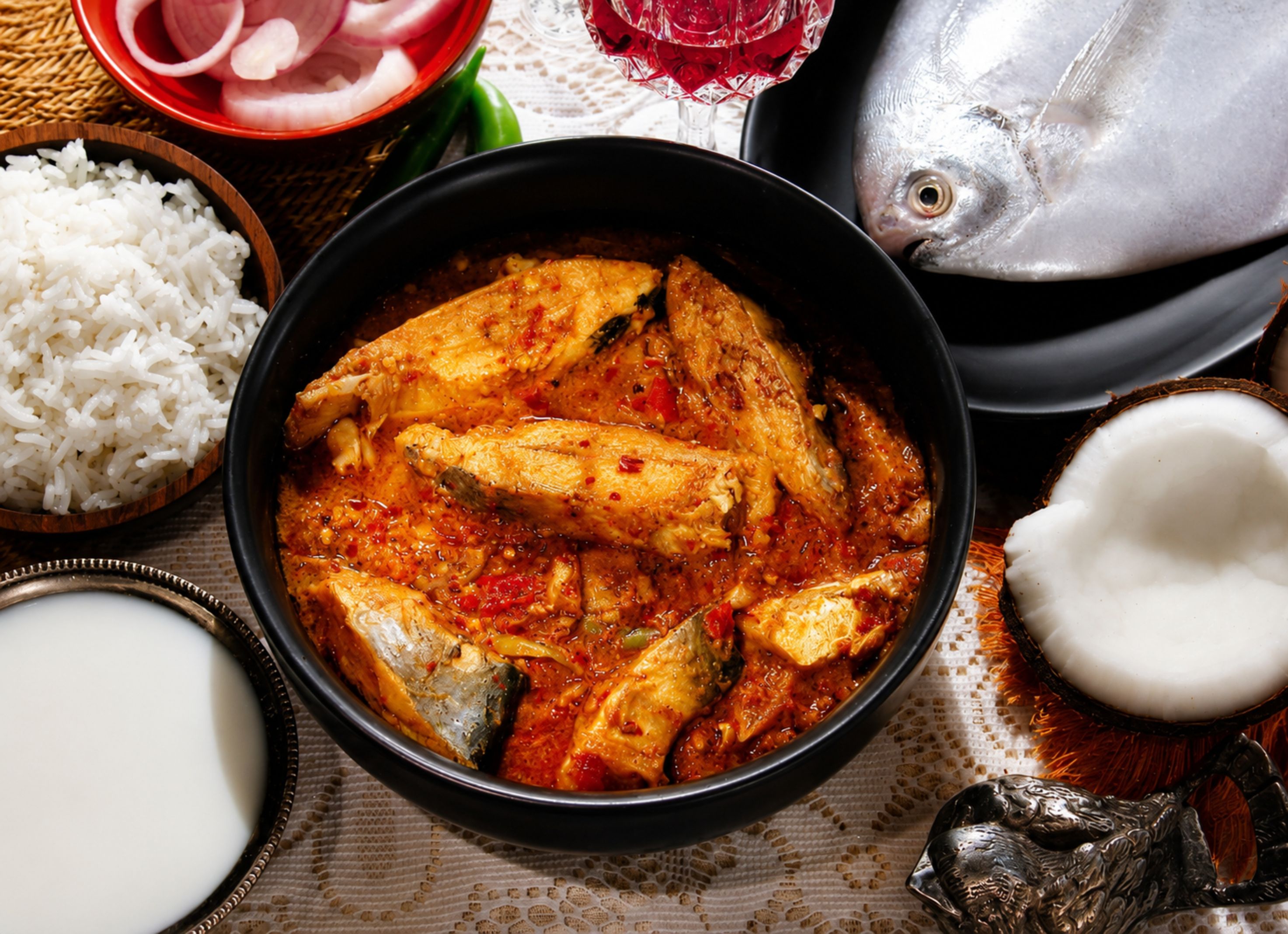
Goan Fish Curry
The diets react (see scores below)
Common Ingredients
- white fish
- coconut milk
- Kashmiri chili
- tamarind
- kokum
- ginger
- garlic
- turmeric
Specific recipes may vary.
Incompatible with 3 of 11 diets
Diet Ratings
Goan Fish Curry is largely keto-compatible in its core components — white fish is a lean, zero-carb protein, and full-fat coconut milk provides healthy fats with minimal net carbs (~2-3g per serving). Spices like turmeric, ginger, garlic, and Kashmiri chili add negligible carbs in typical cooking quantities. The concern lies with tamarind and kokum, both of which are sour acidic fruits used as souring agents. Tamarind in particular can carry 5-10g net carbs per tablespoon depending on quantity used, and kokum adds additional carbohydrate load. Traditional Goan fish curry recipes can vary widely in how much tamarind is used — a light-handed preparation may stay well within keto limits, while a heavily soured version could push a serving toward or past the 10-15g net carb mark. Garlic also contributes small amounts of carbs. With careful portion control and reduced tamarind, this dish can fit a keto day, but as prepared traditionally it sits in the caution zone.
Some lazy keto and moderate keto practitioners would approve this dish outright, arguing that the tamarind and kokum quantities used in a single serving are modest enough (often under 5g net carbs total) to comfortably fit within a 20-50g daily budget alongside an otherwise strict keto day. Strict keto and clinical protocols, however, may flag any use of tamarind as a sugar-containing fruit derivative to avoid.
Goan Fish Curry contains white fish as its primary protein, which is an animal product and explicitly excluded under all vegan definitions. Fish is unambiguously non-vegan regardless of how it is prepared. The remaining ingredients — coconut milk, Kashmiri chili, tamarind, kokum, ginger, garlic, and turmeric — are all plant-based and would be fully vegan-compliant on their own, but the presence of fish makes the dish entirely unsuitable for a vegan diet.
Goan Fish Curry is an excellent paleo dish. White fish is a cornerstone paleo protein — wild-caught fish was a primary food source for hunter-gatherers. Coconut milk is a whole-food fat source fully embraced by paleo. All aromatics and spices — Kashmiri chili, ginger, garlic, and turmeric — are unprocessed plant foods with no paleo objections. Tamarind and kokum are natural sour fruits used in their whole or minimally processed forms, consistent with paleo principles. There are no grains, legumes, dairy, refined sugars, seed oils, or processed additives in this dish. This is one of the cleaner examples of a traditional ethnic dish that aligns almost perfectly with paleo eating.
Goan Fish Curry has a strong Mediterranean-compatible foundation — white fish is an excellent lean protein encouraged 2-3 times weekly, and the spice base (garlic, ginger, turmeric, chili, tamarind) aligns with the diet's emphasis on aromatic, anti-inflammatory ingredients. However, the primary fat source is coconut milk rather than extra virgin olive oil, which is the canonical fat in Mediterranean eating. Coconut milk is high in saturated fat and is not part of traditional Mediterranean culinary practice, which distinguishes this dish from a straightforward approval. The dish is nonetheless whole-food, minimally processed, and plant-forward in its supporting ingredients, preventing a lower score.
Some modern integrative Mediterranean diet interpretations are more permissive about coconut milk as a plant-derived fat, particularly when the overall dish context is rich in fish, vegetables, and spices. Traditional South Indian coastal cuisines share ecological parallels with Mediterranean fishing communities, and certain flexible clinical adaptations of the diet acknowledge coconut-based fish preparations as broadly consistent with the diet's spirit.
Goan Fish Curry is overwhelmingly plant-based in its flavor and sauce components. While white fish is a carnivore-approved protein, it is a minor part of the overall dish composition. The base is coconut milk (plant-derived), and the dish includes multiple plant-derived ingredients: Kashmiri chili, tamarind, kokum, ginger, garlic, and turmeric. Tamarind and kokum are fruit-derived souring agents, and all spices and aromatics are strictly plant foods. The carnivore diet excludes all plant foods without exception — this dish would require removing nearly every ingredient except the fish itself to be compliant, leaving nothing resembling the original dish.
Goan Fish Curry as described contains entirely Whole30-compliant ingredients. White fish is an approved protein, coconut milk (unsweetened, no additives) is a natural fat source, and all flavor components — Kashmiri chili, tamarind, kokum, ginger, garlic, and turmeric — are whole spices, herbs, or natural souring agents with no excluded ingredients. Tamarind and kokum are fruit-derived souring agents used in cooking, analogous to other whole-food flavor ingredients. There are no grains, legumes, dairy, added sugars, alcohol, or other excluded substances in this dish as listed.
Goan Fish Curry as described contains two high-FODMAP ingredients that make it unsuitable for the elimination phase: garlic and tamarind. Garlic is one of the highest-FODMAP foods tested by Monash University, rich in fructans, and is a significant trigger even in small amounts. Tamarind paste/concentrate is high in excess fructose and is rated high-FODMAP by Monash. Coconut milk can be low-FODMAP at a controlled serving (up to 1/2 cup per Monash), but in a curry dish it's often used in larger quantities. The remaining ingredients — white fish, Kashmiri chili, kokum (a souring agent, generally low-FODMAP at culinary doses), ginger, and turmeric — are all low-FODMAP. However, the combination of garlic and tamarind makes this dish a clear avoid during the elimination phase. A modified version using garlic-infused oil instead of garlic, and limiting or substituting tamarind, could make it low-FODMAP.
Goan Fish Curry has several DASH-positive components — white fish is an excellent lean protein source encouraged by DASH, and the spice base (ginger, garlic, turmeric, tamarind, kokum) adds flavor without sodium, supporting the DASH goal of reducing salt reliance. However, the dish is built on full-fat coconut milk, a tropical oil-derived ingredient high in saturated fat, which DASH guidelines explicitly limit. A typical serving of coconut milk curry can deliver 10–15g of saturated fat, well above what DASH recommends per meal. The overall dish is not inherently high in sodium (no processed ingredients), which is a clear positive. The tension between an otherwise DASH-friendly protein and spice profile versus the saturated fat load from coconut milk places this firmly in caution territory rather than avoid, especially if portion-controlled or if light coconut milk is substituted.
NIH DASH guidelines explicitly limit saturated fat and call out tropical oils including coconut as problematic. However, updated clinical interpretations note that the saturated fat in coconut milk is predominantly medium-chain triglycerides (MCTs), and some DASH-oriented nutritionists argue that occasional use of coconut milk in a dish rich in anti-inflammatory spices and lean protein does not meaningfully undermine cardiovascular outcomes — particularly when overall daily saturated fat targets are met.
Goan Fish Curry has a strong Zone foundation — white fish is an excellent lean protein source, and the spices (turmeric, ginger, garlic, Kashmiri chili) are polyphenol-rich and highly anti-inflammatory, aligning well with Sears' later omega-3/polyphenol emphasis. Tamarind and kokum add low-glycemic acidic balance with minimal carbohydrate load. The primary Zone concern is coconut milk, which is high in saturated fat (lauric acid) and calorie-dense. A typical serving of full-fat coconut milk in a curry portion can deliver 10-20g of saturated fat, significantly skewing the fat block profile away from the preferred monounsaturated sources. However, the 40/30/30 ratio can be preserved by using light coconut milk, controlling portion size of the curry sauce, and pairing with low-glycemic vegetables (e.g., spinach, cauliflower) rather than white rice. With careful portioning, this dish is workable in the Zone — but full-fat coconut milk in generous quantities tips it toward a caution rating rather than an approval.
In Sears' earlier Zone books, coconut milk would be flagged as unfavorable due to its saturated fat content. However, in his later anti-inflammatory work (notably 'The Anti-Inflammation Zone' and 'Toxic Fat'), Sears acknowledges that medium-chain triglycerides (MCTs) in coconut fat have a different metabolic profile than long-chain saturated fats and are less pro-inflammatory than originally assumed. Some Zone practitioners therefore treat moderate coconut milk use as acceptable, which could push this dish toward a score of 7, especially given the exceptional polyphenol and omega-3 profile of the other ingredients.
Goan Fish Curry is built around a strong anti-inflammatory foundation. White fish (lean protein, low in saturated fat, some omega-3s depending on species) is preferred over red meat in anti-inflammatory frameworks. The spice base is a standout: turmeric (curcumin), ginger (gingerols), and garlic (allicin) are among the most researched anti-inflammatory culinary ingredients and are explicitly emphasized in anti-inflammatory diet guidance. Kashmiri chili adds capsaicin with antioxidant properties. Tamarind and kokum are polyphenol-rich souring agents with emerging evidence of antioxidant and anti-inflammatory activity. The main area of consideration is coconut milk: its high saturated fat content (primarily lauric acid from medium-chain triglycerides) is where credible disagreement exists. Most anti-inflammatory protocols caution against full-fat coconut milk used generously due to saturated fat load, though MCT proponents argue lauric acid behaves differently metabolically than long-chain saturated fats. On balance, the powerful anti-inflammatory spice profile, lean fish protein, and polyphenol-rich souring agents substantially outweigh the coconut milk concern, especially if consumed in moderate portions. This dish exemplifies the pattern of traditional South Asian cuisines that epidemiologically correlate with lower inflammatory disease burden.
Most anti-inflammatory frameworks (including Dr. Weil's pyramid) advise limiting saturated fat and full-fat coconut milk, which is used generously in Goan curries — this could partially offset the benefits of the anti-inflammatory spices. However, a growing camp, including proponents of whole-food plant-based and traditional diet frameworks, argues that the MCTs in coconut milk (particularly lauric acid) are metabolized differently from animal saturated fats and do not promote inflammation in the same way, particularly when paired with fiber-rich and polyphenol-rich ingredients as in this dish.
Goan Fish Curry has real strengths for GLP-1 patients — white fish is a lean, high-quality protein source that is easy to digest and nutrient-dense per calorie. Turmeric, ginger, and garlic offer anti-inflammatory benefits and support digestion. Tamarind and kokum add flavor with minimal fat or caloric cost. The primary concern is coconut milk, which is high in saturated fat and can worsen GLP-1 side effects including nausea, bloating, and reflux. Traditional Goan recipes use full-fat coconut milk in generous quantities, pushing the fat content of a single serving into a range that is problematic for GLP-1 patients. Kashmiri chili is notably milder than most red chilies and primarily used for color, so spice is a lesser concern here — though individual sensitivity still applies. Overall, the dish is conditionally acceptable if prepared with light or reduced coconut milk and served in a moderate portion over a high-fiber base such as brown rice or with a side of vegetables.
Some GLP-1-focused dietitians accept coconut milk-based curries in moderation, noting that the medium-chain triglycerides in coconut fat may be somewhat easier to metabolize than other saturated fats, and that the lean protein from white fish partially offsets the fat concern. Others flag full-fat coconut milk as a reliable trigger for nausea and delayed gastric emptying symptoms and recommend avoiding it entirely, substituting low-fat coconut milk or a small amount of coconut cream for flavor.
*See how scores were generated at our methodology page.
Nutritional profile
Six traits that cut across every diet.
Fiber & Plants
How much whole-plant food and fiber it delivers.
Healthy Fats
The quality of its fats (unsaturated, omega-3).
Whole / Unprocessed
How close it is to its natural, unprocessed form.
Gut Gentle
How easy it is on digestion (low FODMAP, few irritants).
Low Glycemic
How little it spikes your blood sugar.
Protein Density
How much protein it packs per calorie.
Controversy Index
Higher controversy = more disagreement between diets.
Diet-Specific Tips
 Keto — 5/10
View tips
- White fish is zero net carbs and clean protein
- Full-fat coconut milk adds healthy saturated fat with low net carbs
- Tamarind is the primary carb concern — can contribute 5-10g+ net carbs depending on quantity
- Kokum adds additional minor carb load as a fruit-based souring agent
- Garlic contributes small but non-zero carbs
- Dish is keto-friendly with reduced tamarind; traditional recipes may be borderline
- Spices (turmeric, Kashmiri chili, ginger) are negligible carb contributors at cooking quantities
 Paleo — 9/10
View tips
- White fish is a paleo-approved primary protein
- Coconut milk is a whole-food fat fully endorsed in paleo
- Kashmiri chili, ginger, garlic, and turmeric are all unprocessed spices and aromatics
- Tamarind and kokum are natural fruit-based souring agents — no paleo concerns
- No grains, legumes, dairy, seed oils, or refined sugar present
- Dish is naturally free of processed additives or preservatives
 Mediterranean — 6/10
View tips
- White fish is a core Mediterranean protein encouraged multiple times weekly
- Coconut milk replaces olive oil as the primary fat — high in saturated fat and not traditional to Mediterranean cuisine
- All other ingredients (garlic, ginger, turmeric, tamarind, chili) are whole-food, plant-based aromatics consistent with Mediterranean principles
- No processed ingredients, refined grains, or added sugars
- Non-Mediterranean cuisine of origin introduces interpretive ambiguity around fat sources
 Whole30 — 9/10
View tips
- White fish is explicitly allowed as a protein on Whole30
- Coconut milk is Whole30-compliant (unsweetened, additive-free versions)
- Tamarind is a whole fruit-derived souring agent — compliant
- Kokum is a natural fruit-based souring agent — compliant
- Kashmiri chili, ginger, garlic, and turmeric are all compliant spices
- No grains, legumes, dairy, or added sugars present
- Label-reading advised for coconut milk to ensure no non-compliant additives
 DASH — 5/10
View tips
- White fish is a DASH-approved lean protein source
- Full-fat coconut milk is high in saturated fat from a tropical oil — explicitly limited by DASH
- No processed or high-sodium ingredients in the ingredient list — sodium profile is favorable
- Anti-inflammatory spice base (turmeric, ginger, garlic) aligns with DASH's broader cardiovascular goals
- Tamarind and kokum add acidity and flavor without sodium, supporting salt reduction
- Substituting light coconut milk would significantly improve the DASH score
- Portion size of coconut milk per serving matters — smaller portions may keep saturated fat within limits
 Zone — 6/10
View tips
- White fish is an ideal Zone lean protein with anti-inflammatory omega-3 fatty acids
- Coconut milk contributes significant saturated fat, conflicting with Zone's monounsaturated fat preference
- Turmeric, ginger, garlic, and Kashmiri chili are high-polyphenol ingredients strongly favored in Sears' anti-inflammatory framework
- Tamarind and kokum are low-glycemic, low-carb souring agents that add minimal carbohydrate load
- Dish has no unfavorable carbohydrates but lacks a favorable carb component — typically served with white rice, which would need to be substituted
- Light coconut milk or reduced sauce portion can bring fat profile closer to Zone targets
- Overall macro balance is achievable with portioning adjustments but not effortless
 Anti-Inflammatory — 8/10
View tips
- White fish: lean protein, moderate omega-3s, low saturated fat — anti-inflammatory preferred protein
- Turmeric: curcumin is among the most evidence-backed anti-inflammatory culinary compounds
- Ginger and garlic: gingerols and allicin reduce inflammatory cytokines in research
- Kashmiri chili: capsaicin with antioxidant and mild anti-inflammatory properties
- Tamarind and kokum: polyphenol-rich sour agents with antioxidant activity
- Coconut milk: high saturated fat (lauric acid) is a caution point — moderated by MCT debate
 GLP-1 Friendly — 5/10
View tips
- White fish is an excellent lean protein source well-suited to GLP-1 dietary needs
- Full-fat coconut milk is high in saturated fat and may worsen nausea, bloating, and reflux on GLP-1 medications
- Kashmiri chili is mild and primarily colorant — lower spice risk than many Indian curries
- Ginger, turmeric, and garlic support digestion and add anti-inflammatory value
- Tamarind and kokum contribute acidity and flavor with negligible fat
- Dish scores higher if prepared with light coconut milk and served in a small portion
- Protein content is strong but total meal macros are fat-heavy in the traditional preparation