Chinese
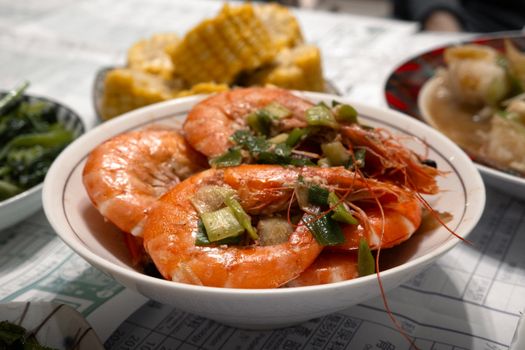
Gong Bao Shrimp
The diets react (see scores below)
Common Ingredients
- shrimp
- dried red chiles
- Sichuan peppercorns
- peanuts
- scallions
- soy sauce
- black vinegar
- sugar
Specific recipes may vary.
Incompatible with 4 of 11 diets
Diet Ratings
Gong Bao Shrimp has a keto-friendly protein base (shrimp) and beneficial additions like peanuts and Sichuan peppercorns, but the classic sauce contains sugar and black vinegar, which add meaningful net carbs. Soy sauce contributes minor carbs. The dish as traditionally prepared is not keto-compatible due to added sugar, but with sugar omitted or replaced with a keto sweetener, it becomes manageable. A standard restaurant serving likely contains 8-15g net carbs primarily from sugar in the sauce, sitting at the edge of a single meal's carb budget on a strict 20g/day limit. Portion-controlled or modified home preparation can bring it within range.
Some lazy keto or flexible keto practitioners allow this dish in small portions, arguing the sugar content is distributed across the whole dish and a half-portion stays within a liberal 50g daily carb limit. Strict keto and carnivore-adjacent keto adherents would avoid it entirely due to the intentional addition of sugar and the insulin-spiking potential of the sauce.
Gong Bao Shrimp contains shrimp as its primary protein, which is a shellfish and therefore an animal product. This is an unambiguous disqualifier under any vegan framework. No meaningful debate exists within the vegan community regarding whether shrimp qualifies as an animal product to be excluded.
Gong Bao Shrimp contains several clear paleo violations. Soy sauce is a fermented soy and wheat product — both legumes and grains are strictly excluded from paleo. Black vinegar is grain-derived (typically from glutinous rice or sorghum), making it another grain-based ingredient. Refined sugar is explicitly prohibited. Peanuts are legumes, not nuts, and are firmly excluded from paleo. While the base protein (shrimp), dried red chiles, Sichuan peppercorns, and scallions are all paleo-compliant, the dish as traditionally prepared is disqualified by four separate non-paleo ingredients. A paleo adaptation would require substituting coconut aminos for soy sauce, omitting sugar or using a small amount of honey, replacing black vinegar with apple cider vinegar, and swapping peanuts for cashews or macadamia nuts.
Gong Bao Shrimp centers on shrimp, an excellent Mediterranean-compatible protein encouraged 2-3 times weekly. The peanuts, scallions, dried chiles, and Sichuan peppercorns are all plant-based and broadly acceptable. However, the dish diverges from Mediterranean principles in a few ways: soy sauce is a high-sodium processed condiment not traditional to the diet, black vinegar is a minor concern (vinegar is acceptable but this is a non-traditional variety), and the added sugar introduces refined sweetener. The dish is not cooked in olive oil as the primary fat, and the overall flavor profile and preparation style are non-Mediterranean. That said, the protein source is ideal, no red meat is present, and the ingredient list is largely whole foods. This dish can fit into a Mediterranean-inspired eating pattern with modest adaptation (reducing sugar, using less soy sauce, adding olive oil), but as prepared it sits in the moderation zone.
Some modern Mediterranean diet interpreters take a broader 'whole foods, seafood-forward' stance and would approve this dish based on its shrimp-and-nut core, arguing that occasional non-Mediterranean condiments like soy sauce are acceptable within a predominantly plant-forward, seafood-rich dietary pattern. Stricter traditionalists, however, would note that the sugar and sodium-heavy sauce push it away from the diet's principles.
Gong Bao Shrimp is fundamentally incompatible with the carnivore diet. While shrimp is an approved animal protein, the dish is built around multiple plant-derived and processed ingredients that are entirely excluded. Dried red chiles, Sichuan peppercorns, peanuts (a legume), and scallions are all plant foods. Soy sauce is a fermented grain and legume product, black vinegar is plant-derived and contains carbohydrates, and sugar is a processed carbohydrate. The only carnivore-compatible element is the shrimp itself. This dish represents virtually everything the carnivore diet excludes, and there is universal consensus across all carnivore camps on avoiding dishes like this.
Gong Bao Shrimp as described contains three excluded ingredients: (1) soy sauce, which is a soy-based product and therefore excluded as a legume derivative; (2) sugar, which is an added sugar explicitly banned on Whole30; and (3) peanuts, which are legumes and explicitly excluded. Black vinegar is generally compliant (it is a rice-based vinegar, and rice vinegar is explicitly allowed per Whole30 guidelines). The shrimp, dried red chiles, Sichuan peppercorns, and scallions are all compliant. However, the presence of soy sauce, sugar, and peanuts — three separate excluded ingredients — makes this dish clearly non-compliant in its standard form.
Gong Bao Shrimp contains mostly low-FODMAP ingredients — shrimp, dried red chiles, Sichuan peppercorns, peanuts, and soy sauce are all low-FODMAP at standard servings. However, scallions (green onions) require attention: the green tops are low-FODMAP but the white bulb portions are high in fructans and must be avoided. Traditional recipes often use both parts. Additionally, standard soy sauce contains small amounts of wheat (fructans), which may be a concern for sensitive individuals — tamari is the low-FODMAP alternative. Sugar and black vinegar are low-FODMAP at typical culinary amounts. The dish is conditionally safe but preparation specifics matter significantly.
Monash University rates scallion green tops as low-FODMAP, but clinical FODMAP practitioners often flag restaurant preparations of Chinese dishes because the white parts of scallions are routinely used and difficult to control for, and because soy sauce varieties vary — many FODMAP dietitians recommend requesting tamari-based sauces or confirming ingredients when ordering out, making this dish reliably safe only when home-prepared with strict ingredient control.
Gong Bao Shrimp has several DASH-friendly elements — shrimp is a lean protein low in saturated fat, peanuts provide healthy unsaturated fats and magnesium, and the dish is rich in spices and aromatics with no tropical oils or red meat. However, the soy sauce is the central concern: a typical serving of this dish can deliver 600–1,000mg of sodium from soy sauce alone, pushing it toward or beyond DASH daily limits depending on portion size. Sugar adds modest amounts of added sweetener, and black vinegar is negligible nutritionally. The overall dish is acceptable in moderation — especially if low-sodium soy sauce is substituted — but as commonly prepared with standard soy sauce, it requires meaningful portion control and mindful daily sodium budgeting to fit within DASH guidelines.
NIH DASH guidelines flag soy sauce as a high-sodium condiment to limit, making dishes built around it inherently cautious. However, updated clinical interpretations note that shrimp-based dishes with vegetables, healthy fats from peanuts, and anti-inflammatory spices align well with DASH nutrient targets (potassium, magnesium, lean protein), and with low-sodium soy sauce substitution, some DASH practitioners would consider this dish fully approvable.
Gong Bao Shrimp has a solid Zone foundation — shrimp is an excellent lean protein source, the aromatics (dried chiles, Sichuan peppercorns, scallions) are low-glycemic and anti-inflammatory, and the dish is generally lower in carbohydrates than many Chinese restaurant dishes. However, several elements push it into 'caution' territory. The added sugar in the sauce introduces a glycemic concern, though the quantity is typically small. Peanuts, while a legitimate Zone fat source, are high in omega-6 fatty acids, which conflicts with Sears' anti-inflammatory emphasis on monounsaturated and omega-3 fats. Black vinegar and soy sauce add minimal macronutrient concern but contribute sodium. The dish is also typically served over white rice in restaurant contexts, which would be a significant Zone problem — though the dish itself, absent the rice, can fit a Zone block structure reasonably well. At home, sugar can be minimized or replaced, and peanut quantity controlled. The 40/30/30 ratio is achievable with careful portioning: shrimp provides the protein block cleanly, peanuts provide fat blocks (with omega-6 caveats), and vegetables/sauce provide minimal carb blocks that may need supplementing with additional low-GI vegetables to hit the 40% carb target.
Some Zone practitioners would score this higher (7) because the dish, stripped of white rice, is actually quite macro-friendly — lean protein, moderate fat, low net carbs — and the small amount of sugar in a stir-fry sauce is negligible across a meal. Dr. Sears' later writings in 'The Zone Diet' emphasize polyphenols and anti-inflammatory spices, and Sichuan peppercorns and dried chiles are potent polyphenol sources that would earn positive marks. Conversely, stricter Zone adherents focused on omega-6 balance might score it lower (5) due to peanuts being an omega-6-heavy fat source.
Gong Bao Shrimp has a genuinely mixed anti-inflammatory profile. On the positive side, shrimp provides lean protein and some omega-3 fatty acids (though lower in omega-3s than fatty fish), and is a reasonable seafood choice. Dried red chiles and Sichuan peppercorns are potent anti-inflammatory spices — capsaicin in chiles reduces inflammatory markers like NF-κB, and Sichuan peppercorns contain anti-inflammatory hydroxy-alpha-sanshool and other polyphenols. Scallions and black vinegar add polyphenols and antioxidants. Peanuts offer monounsaturated fats, resveratrol, and some anti-inflammatory flavonoids. However, the added sugar is a moderate concern — even a small amount in stir-fry sauces contributes to glycemic load. Soy sauce is typically high in sodium, which at excess levels can promote inflammation, and most commercially available soy sauce is processed. The dish is also typically cooked in a high-heat stir-fry method, often in vegetable or seed oils not listed here, which could introduce oxidized omega-6 fats — a significant variable. If cooked in a quality oil like avocado or light olive oil, this dish tilts more favorably. Overall, the strong spice profile and lean protein are genuine positives that prevent a full 'avoid,' but the sugar and processing concerns keep this from a clear 'approve.'
Most anti-inflammatory diet frameworks (including Dr. Weil's pyramid) would view this dish fairly positively given its spice-forward profile and seafood base. However, stricter anti-inflammatory practitioners following protocols like the AIP or low-sugar approaches would flag the added sugar and processed soy sauce as problematic, and would note that restaurant versions often use significant quantities of refined seed oils at high heat, substantially worsening the omega-6 and oxidation burden.
Gong Bao Shrimp has a genuinely mixed profile for GLP-1 patients. On the positive side, shrimp is an excellent lean protein source — high protein density, very low fat, and easy to digest. The dish is stir-fried rather than deep-fried, which is meaningfully better than typical fried preparations. However, several ingredients raise caution flags: dried red chiles and Sichuan peppercorns create significant spice intensity that can worsen GLP-1-related nausea, reflux, and GI irritation, especially given slowed gastric emptying. The sugar in the sauce adds empty calories in a context where every calorie needs to count. Peanuts add healthy unsaturated fat but also increase overall fat content per serving. Soy sauce contributes high sodium, which can worsen water retention and mask dehydration — a real concern given that GLP-1s blunt thirst sensation. Black vinegar is generally well-tolerated and may even support digestion. The dish is portion-sensitive: a small serving over a modest base could work reasonably well, but a larger restaurant portion amplifies all the drawback factors simultaneously.
Some GLP-1-focused RDs would rate spice tolerance as highly individual — patients without pre-existing reflux or nausea may tolerate this dish well, particularly early in treatment before side effects peak. Others specifically flag Sichuan peppercorns and dried chiles as a consistent GI irritant category for patients with delayed gastric emptying and would rate this dish lower regardless of individual history.
*See how scores were generated at our methodology page.
Nutritional profile
Six traits that cut across every diet.
Fiber & Plants
How much whole-plant food and fiber it delivers.
Healthy Fats
The quality of its fats (unsaturated, omega-3).
Whole / Unprocessed
How close it is to its natural, unprocessed form.
Gut Gentle
How easy it is on digestion (low FODMAP, few irritants).
Low Glycemic
How little it spikes your blood sugar.
Protein Density
How much protein it packs per calorie.
Controversy Index
Higher controversy = more disagreement between diets.
Diet-Specific Tips
 Keto — 4/10
View tips
- Sugar is a listed ingredient — a direct keto violation in standard preparation
- Black vinegar adds minor but non-trivial carbs
- Shrimp is an excellent lean keto protein source
- Peanuts add healthy fats but also moderate carbs — portion sensitivity applies
- Soy sauce contributes small amounts of net carbs
- Dish is easily modified at home by omitting sugar or using erythritol
- Restaurant versions are likely incompatible without modification
 Mediterranean — 5/10
View tips
- Shrimp is an ideal Mediterranean protein source, encouraged 2-3 times per week
- Peanuts add healthy plant-based fats and protein, consistent with Mediterranean principles
- Added sugar contradicts Mediterranean diet guidance on minimal refined sweeteners
- Soy sauce is a high-sodium processed condiment not part of traditional Mediterranean cuisine
- Dish is not prepared with olive oil as the primary fat
- Overall ingredient list is largely whole foods with no red meat or refined grains
 Low-FODMAP — 5/10
View tips
- Shrimp is low-FODMAP and safe as primary protein
- Scallion green tops are low-FODMAP but white bulb portions are high-fructan — preparation matters
- Standard soy sauce contains wheat (fructans); tamari is the low-FODMAP substitute
- Peanuts are low-FODMAP at a standard serving (~32g)
- Dried red chiles and Sichuan peppercorns are low-FODMAP at typical culinary amounts
- Sugar and black vinegar are low-FODMAP at small culinary quantities
- Restaurant versions are unreliable due to unknown scallion parts used and soy sauce type
 DASH — 5/10
View tips
- Shrimp is a DASH-approved lean protein source
- Soy sauce contributes high sodium — standard soy sauce can add 600–1,000mg per serving, challenging DASH limits
- Peanuts provide heart-healthy unsaturated fats, magnesium, and protein aligned with DASH
- Sugar adds small amounts of added sweetener, acceptable in moderation
- No saturated fat, red meat, or tropical oils — positives for DASH
- Low-sodium soy sauce substitution would significantly improve DASH compatibility
- Portion control critical to manage sodium intake within daily DASH budget
 Zone — 6/10
View tips
- Shrimp is an ideal Zone lean protein — low fat, high protein, fits cleanly into protein blocks
- Added sugar in sauce is a glycemic concern, though small quantity limits impact
- Peanuts provide fat blocks but are omega-6 heavy, conflicting with Zone's anti-inflammatory fat preferences
- Dried chiles and Sichuan peppercorns are polyphenol-rich, aligning with Sears' anti-inflammatory focus
- Dish is typically served with white rice in restaurants — avoiding rice is essential for Zone compliance
- Carbohydrate content of the dish itself is low, requiring supplemental low-GI vegetables to hit 40% carb target
- Sodium from soy sauce is a non-Zone concern but doesn't affect macronutrient ratios
 Anti-Inflammatory — 6/10
View tips
- Shrimp: lean protein with modest omega-3 content — better than red meat, below fatty fish
- Dried red chiles and Sichuan peppercorns: strong anti-inflammatory spices with capsaicin and polyphenols
- Peanuts: source of monounsaturated fats and resveratrol, modest anti-inflammatory benefit
- Added sugar: pro-inflammatory concern, even at stir-fry quantities
- Soy sauce: high sodium and processed — moderate concern
- Black vinegar and scallions: antioxidant and polyphenol contributors
- Cooking oil not specified — a critical variable; seed oils at high heat would worsen the profile significantly
 GLP-1 Friendly — 5/10
View tips
- Shrimp is a high-quality lean protein — positive for muscle preservation and easy digestibility
- Dried red chiles and Sichuan peppercorns introduce significant spice load — risk of worsening nausea and reflux given slowed gastric emptying
- Peanuts add healthy unsaturated fat but increase total fat per serving — portion-sensitive
- Sugar in sauce contributes empty calories — problematic given reduced caloric intake context
- High sodium from soy sauce may worsen dehydration risk on GLP-1 medications
- Stir-fried preparation preferred over deep-fried — lower fat than typical fried dishes
- Low fiber content — does not support the 25-30g daily fiber target