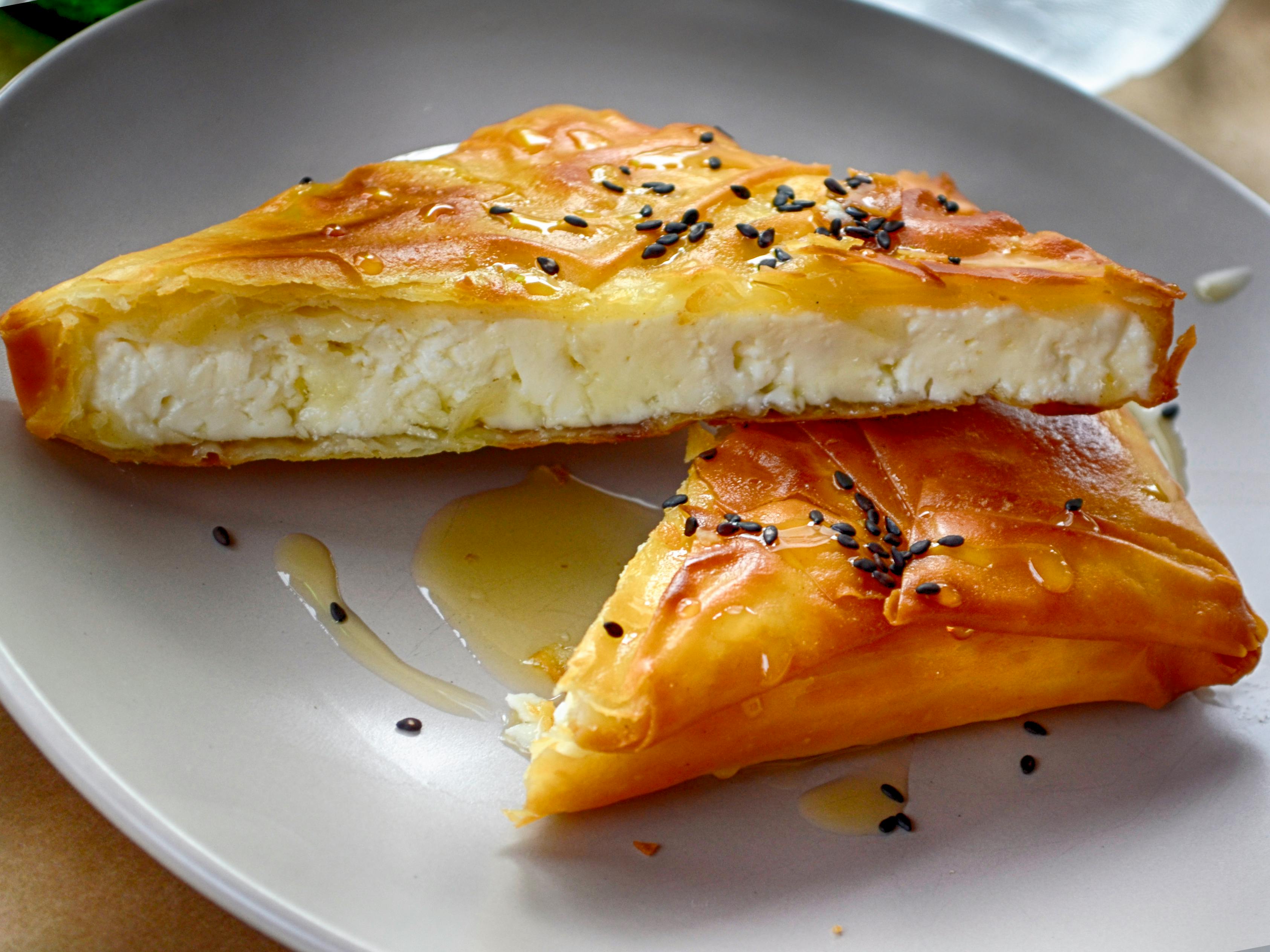
Photo: Daniela Elena Tentis / Pexels
Mediterranean
Baked Feta with Tomatoes
The diets react (see scores below)
Common Ingredients
- feta cheese
- cherry tomatoes
- olive oil
- oregano
- red pepper flakes
- garlic
- basil
Specific recipes may vary.
Incompatible with 5 of 11 diets
Diet Ratings
Baked Feta with Tomatoes is largely keto-friendly but requires portion awareness. Feta cheese is a high-fat, moderate-protein dairy with minimal carbs (~1g net per oz). Olive oil is an excellent keto fat. Cherry tomatoes are the main carb concern — a typical serving (1 cup/150g) contributes roughly 5-6g net carbs, and baked dishes often use generous amounts. Garlic adds a small carb load as well. The dish as a whole can fit within keto macros in a controlled portion, but it's easy to overconsume tomatoes in a baked/roasted preparation where they become sweet and concentrated. The herbs and spices are negligible. Overall, a reasonable keto snack in modest portions.
Some strict keto practitioners flag all nightshades including tomatoes due to their natural sugars and potential inflammatory properties, recommending elimination especially during induction phases. Additionally, a minority of keto advocates avoid feta and other dairy cheeses due to concerns about dairy-triggered insulin response and potential stalling.
Baked Feta with Tomatoes is not vegan. The primary and defining ingredient is feta cheese, a dairy product made from sheep's milk (or a blend of sheep's and goat's milk). Dairy is unambiguously excluded under all vegan frameworks. The remaining ingredients — cherry tomatoes, olive oil, oregano, red pepper flakes, garlic, and basil — are all fully plant-based, but the dish cannot be considered vegan as long as feta cheese is present. A vegan adaptation could substitute feta with a plant-based feta alternative (made from tofu or cashews), which is widely available.
Feta cheese is a dairy product and is explicitly excluded from the Paleo diet. While the remaining ingredients — cherry tomatoes, olive oil, oregano, red pepper flakes, garlic, and basil — are all Paleo-approved, feta cheese is the central, defining ingredient of this dish. Its removal would fundamentally change the dish entirely. The Paleo diet excludes all dairy, including cheese, on the basis that dairy consumption was not part of the Paleolithic human diet and may contribute to inflammation and digestive issues for many people. There is strong consensus among leading paleo authorities (Loren Cordain, Robb Wolf, Mark Sisson) that cheese of any kind is non-compliant.
Baked Feta with Tomatoes is a dish rooted in Mediterranean tradition, combining several strongly approved ingredients (extra virgin olive oil, cherry tomatoes, garlic, oregano, basil, red pepper flakes) with feta cheese, which falls into the 'moderate' dairy category. The plant-based components and liberal use of olive oil align excellently with Mediterranean principles. Feta is one of the most traditional Mediterranean cheeses — particularly in Greek cuisine — and is lower in fat than many other cheeses, but dairy is still classified as a moderate rather than daily staple. The dish is wholesome, minimally processed, and herb-forward, making it a very respectable Mediterranean choice, but the feta as a primary ingredient (rather than a condiment) places it firmly in the 'caution/moderation' tier rather than a full 'approve.'
Some Mediterranean diet authorities, particularly those reflecting traditional Greek dietary patterns, would argue that feta cheese is such a culturally integral and nutritionally favorable dairy product — being lower in calories and rich in calcium and probiotics — that dishes featuring it as a centerpiece fully merit approval, especially when paired with abundant vegetables and olive oil as seen here.
Baked Feta with Tomatoes is almost entirely incompatible with the carnivore diet. The dish is dominated by plant foods: cherry tomatoes, olive oil, oregano, red pepper flakes, garlic, and basil are all strictly excluded on any version of the carnivore diet. Feta cheese is the only animal-derived ingredient, and even that is a debated item within the carnivore community due to its dairy and lactose content. The overwhelming presence of plant-based ingredients — vegetables, plant oils, and spices — makes this dish a clear avoid with high confidence. There is no carnivore framework, including the more lenient 'animal-based' approach advocated by Paul Saladino, that would endorse a dish where plant foods are the primary components and the sole animal ingredient is a side player.
Feta cheese is a dairy product, and dairy is explicitly excluded on the Whole30 program. The only dairy exception permitted is ghee and clarified butter. All other dairy — including feta and all cheeses — is off-limits for the full 30 days. The remaining ingredients (cherry tomatoes, olive oil, oregano, red pepper flakes, garlic, basil) are all fully compliant, but the feta alone disqualifies this dish entirely.
This dish contains two significant high-FODMAP ingredients that make it problematic during the elimination phase. First, garlic is one of the highest-FODMAP foods tested by Monash University, rich in fructans, and must be completely avoided during elimination — even small amounts can trigger symptoms. Second, feta cheese contains lactose at a level that Monash rates as moderate to high-FODMAP at a typical serving (around 40g or more), which is easily exceeded in a baked feta dish where feta is the star ingredient. The remaining ingredients are low-FODMAP: cherry tomatoes are safe at standard servings (up to ~75g), olive oil is fully safe, oregano and basil are safe in culinary amounts, and red pepper flakes are low-FODMAP at small quantities. However, the presence of garlic alone is sufficient to disqualify this dish during elimination, and the lactose load from a typical feta serving compounds the problem significantly.
Baked Feta with Tomatoes presents a mixed DASH profile. The dish has significant positives: cherry tomatoes are an excellent DASH food (rich in potassium, fiber, and antioxidants), olive oil is the recommended vegetable oil under DASH, and herbs like oregano, basil, garlic, and red pepper flakes add flavor without sodium. However, feta cheese is the primary concern — it is a full-fat dairy product (DASH emphasizes low-fat or fat-free dairy) and is notably high in sodium, typically containing 300–400mg per ounce. A standard serving of this dish might use 2–4 oz of feta, contributing 600–1,600mg sodium, which is a substantial portion of the DASH daily sodium limit (1,500–2,300mg). The saturated fat content from full-fat feta also works against DASH principles. The dish is not categorically incompatible with DASH — portion control and the strong vegetable component keep it from the 'avoid' category — but it requires moderation and mindful portioning, particularly for those on the stricter 1,500mg sodium DASH variant.
NIH DASH guidelines specify low-fat dairy and sodium limits that feta cheese clearly strains; however, updated clinical interpretations increasingly recognize that traditional Mediterranean dietary patterns — which feature small amounts of full-fat cheeses like feta alongside abundant vegetables and olive oil — show favorable cardiovascular outcomes, leading some DASH-aligned clinicians to allow modest portions of feta when overall dietary sodium and saturated fat targets are otherwise met.
Baked Feta with Tomatoes is a Mediterranean dish with some Zone-friendly elements but notable imbalances. The olive oil is an ideal Zone fat source (monounsaturated), and cherry tomatoes are low-glycemic, polyphenol-rich carbohydrates that Sears would favor. The herbs (oregano, basil, garlic) add anti-inflammatory polyphenols with negligible macronutrient impact. However, feta cheese is a moderate-to-high saturated fat protein source — not a lean protein by Zone standards. Feta provides protein but it comes bundled with significant saturated fat, which early Zone writings discouraged. The dish also lacks a clearly lean protein component, making the 30% protein target harder to hit without additions. As a snack, the carb load from tomatoes is modest and manageable. The fat profile is mixed: olive oil is excellent, but feta's saturated fat content dilutes the monounsaturated advantage. With careful portioning — limiting feta to about 1 oz (roughly 1 protein block providing ~4g protein with notable sat fat), pairing with ample tomatoes for carb blocks, and using olive oil as the primary fat — this dish can be worked into a Zone framework, but it requires attention. It is better suited as a snack component than a standalone Zone-balanced meal.
Early Zone writings (Enter the Zone) strictly limited saturated fat sources like full-fat cheese, placing feta in the 'unfavorable' protein category. However, Sears' later anti-inflammatory work (The OmegaRx Zone, The Zone Diet) adopted a more nuanced view of dairy fat, acknowledging that not all saturated fats are equally inflammatory, and that full-fat dairy in moderation can fit within an overall anti-inflammatory dietary pattern. Some Zone practitioners therefore treat small portions of feta as acceptable, particularly given its relatively low lactose content and high satiety value per calorie.
Baked Feta with Tomatoes is a dish with genuinely mixed anti-inflammatory properties. On the positive side, cherry tomatoes are rich in lycopene (a powerful carotenoid antioxidant), especially when cooked — baking actually increases lycopene bioavailability. Extra virgin olive oil is one of the top anti-inflammatory foods, containing oleocanthal (a COX-inhibitor analogous to ibuprofen) and oleic acid. Garlic, oregano, basil, and red pepper flakes are all anti-inflammatory herbs and spices with documented polyphenol and sulfur compound content. The combination is classically Mediterranean. However, feta cheese is a full-fat dairy product — high in saturated fat — which falls under the 'limit' category in anti-inflammatory frameworks. While feta is lower in fat than many aged cheeses and contains some beneficial conjugated linoleic acid (CLA), it is not emphasized as a health-forward food. The dish is not heavily processed and contains no refined carbohydrates, trans fats, or added sugars, which keeps it out of the 'avoid' territory. Overall, the anti-inflammatory benefits of the tomatoes, EVOO, and spices are real, but the feta as the dominant ingredient introduces meaningful saturated fat content that tempers the verdict.
Some anti-inflammatory practitioners, including those aligned with the Mediterranean Diet literature, view moderate full-fat dairy from sheep or goat milk (like feta) more favorably than cow dairy, citing different fatty acid profiles and fermentation benefits — Dr. Weil's framework does not specifically exclude feta and dairy in moderate amounts is categorized as acceptable. Conversely, stricter anti-inflammatory and AIP-adjacent protocols flag all full-fat dairy as potentially pro-inflammatory, particularly for individuals with autoimmune conditions or elevated inflammatory markers.
Baked feta with tomatoes is a Mediterranean dish with some redeeming nutritional qualities but notable drawbacks for GLP-1 patients. Feta provides modest protein (around 4g per oz) but is relatively high in saturated fat and sodium, and a typical baked feta serving is generous in olive oil, increasing total fat load significantly. High-fat meals worsen GLP-1 side effects including nausea, bloating, and reflux. Cherry tomatoes contribute lycopene, some fiber, and hydration-supportive water content, which are positives. Olive oil provides beneficial unsaturated fats but adds caloric density with little satiety protein. The dish is not fried and is easy to digest in small portions, which helps. Red pepper flakes in more than trace amounts could aggravate reflux or nausea in sensitive patients. As a snack, this dish does not deliver meaningful protein (the primary GLP-1 dietary priority) and the fat content from cheese plus olive oil together may trigger GI discomfort. It is best consumed as a small-portion accompaniment rather than a standalone snack, and ideally paired with a lean protein source to improve the meal's overall nutritional profile.
Some GLP-1-focused dietitians view feta favorably because it is lower in fat than many other cheeses and provides calcium and protein in a satisfying small portion; they argue the Mediterranean dietary pattern it belongs to aligns well with anti-inflammatory goals during weight loss. Others caution that the combined saturated fat from feta and the added olive oil volume typical in this preparation frequently triggers nausea and delayed gastric emptying symptoms, making it a poor snack choice specifically for GLP-1 patients regardless of its general healthfulness.
*See how scores were generated at our methodology page.
Nutritional profile
Six traits that cut across every diet.
Fiber & Plants
How much whole-plant food and fiber it delivers.
Healthy Fats
The quality of its fats (unsaturated, omega-3).
Whole / Unprocessed
How close it is to its natural, unprocessed form.
Gut Gentle
How easy it is on digestion (low FODMAP, few irritants).
Low Glycemic
How little it spikes your blood sugar.
Protein Density
How much protein it packs per calorie.
Controversy Index
Higher controversy = more disagreement between diets.
Diet-Specific Tips
 Keto — 6/10
View tips
- Feta cheese is low-carb and high-fat — keto staple
- Cherry tomatoes add 5-6g net carbs per cup — portion control critical
- Olive oil strongly supports keto fat macros
- Garlic contributes minor additional carbs (~1g per clove)
- Baked/roasted tomatoes concentrate natural sugars, increasing palatability and risk of overeating
- No grains, added sugars, or high-carb fillers present
- Herbs and spices are keto-neutral
 Mediterranean — 6/10
View tips
- Feta cheese is a moderate dairy food per Mediterranean guidelines
- Cherry tomatoes, olive oil, garlic, and herbs are strongly approved Mediterranean staples
- Dish is entirely whole, unprocessed, and plant-forward apart from the cheese
- Feta is one of the most traditional Mediterranean cheeses, particularly in Greek cuisine
- No red meat, refined grains, or added sugars present
- Portion size of feta matters — as a snack it may be consumed in larger relative quantities
 DASH — 5/10
View tips
- Feta cheese is high in sodium (300–400mg/oz), conflicting with DASH sodium limits
- Feta is a full-fat dairy; DASH emphasizes low-fat or fat-free dairy
- Cherry tomatoes are a core DASH food — rich in potassium, fiber, and antioxidants
- Olive oil aligns perfectly with DASH vegetable oil recommendations
- Herbs and garlic add flavor without added sodium, supporting DASH's flavor strategy
- Portion size is critical — small amounts of feta can fit within DASH; larger servings may exceed daily sodium budget
- Low-sodium feta, if available, would significantly improve the DASH compatibility of this dish
 Zone — 5/10
View tips
- Olive oil is an ideal Zone monounsaturated fat source — strong positive
- Cherry tomatoes are low-glycemic, polyphenol-rich Zone-favorable carbohydrates
- Feta cheese is a moderate protein source but high in saturated fat — unfavorable by strict Zone criteria
- No lean protein present; the dish falls short of Zone's 30% protein target as a standalone snack
- Herbs (oregano, basil, garlic) contribute anti-inflammatory polyphenols aligned with Sears' later writings
- As a snack, smaller portions make the saturated fat load more manageable within daily Zone blocks
- Dish can be Zone-compatible if feta is portioned to ~1 oz and paired with a lean protein add-on
 Anti-Inflammatory — 6/10
View tips
- Cherry tomatoes: rich in lycopene, especially bioavailable when baked — strong anti-inflammatory antioxidant
- Extra virgin olive oil: oleocanthal and oleic acid provide well-documented anti-inflammatory effects
- Garlic, oregano, basil, red pepper flakes: anti-inflammatory spices and herbs with polyphenols and sulfur compounds
- Feta cheese: full-fat dairy, categorized as 'limit' in anti-inflammatory frameworks due to saturated fat content
- No refined carbohydrates, trans fats, added sugars, or artificial additives — a clean ingredient list
- Baking increases lycopene bioavailability from tomatoes, enhancing antioxidant benefit
 GLP-1 Friendly — 4/10
View tips
- Low protein density — feta provides only modest protein, insufficient to meet per-snack protein targets of 15-30g
- High combined fat load from feta (saturated) plus olive oil (unsaturated) may worsen nausea and bloating on GLP-1 medications
- Cherry tomatoes add hydration-supportive water content and micronutrients, a genuine positive
- Red pepper flakes are a potential reflux and nausea trigger in GLP-1 patients
- Olive oil fat is unsaturated and preferred over saturated sources, but volume matters in this preparation
- Small-portion friendly in principle, but typical serving sizes of this dish tend to be generous in both cheese and oil
- No fiber-rich ingredients beyond tomatoes — fiber contribution is minimal
- Best role is as a small accompaniment paired with a lean protein, not as a standalone snack