Mediterranean
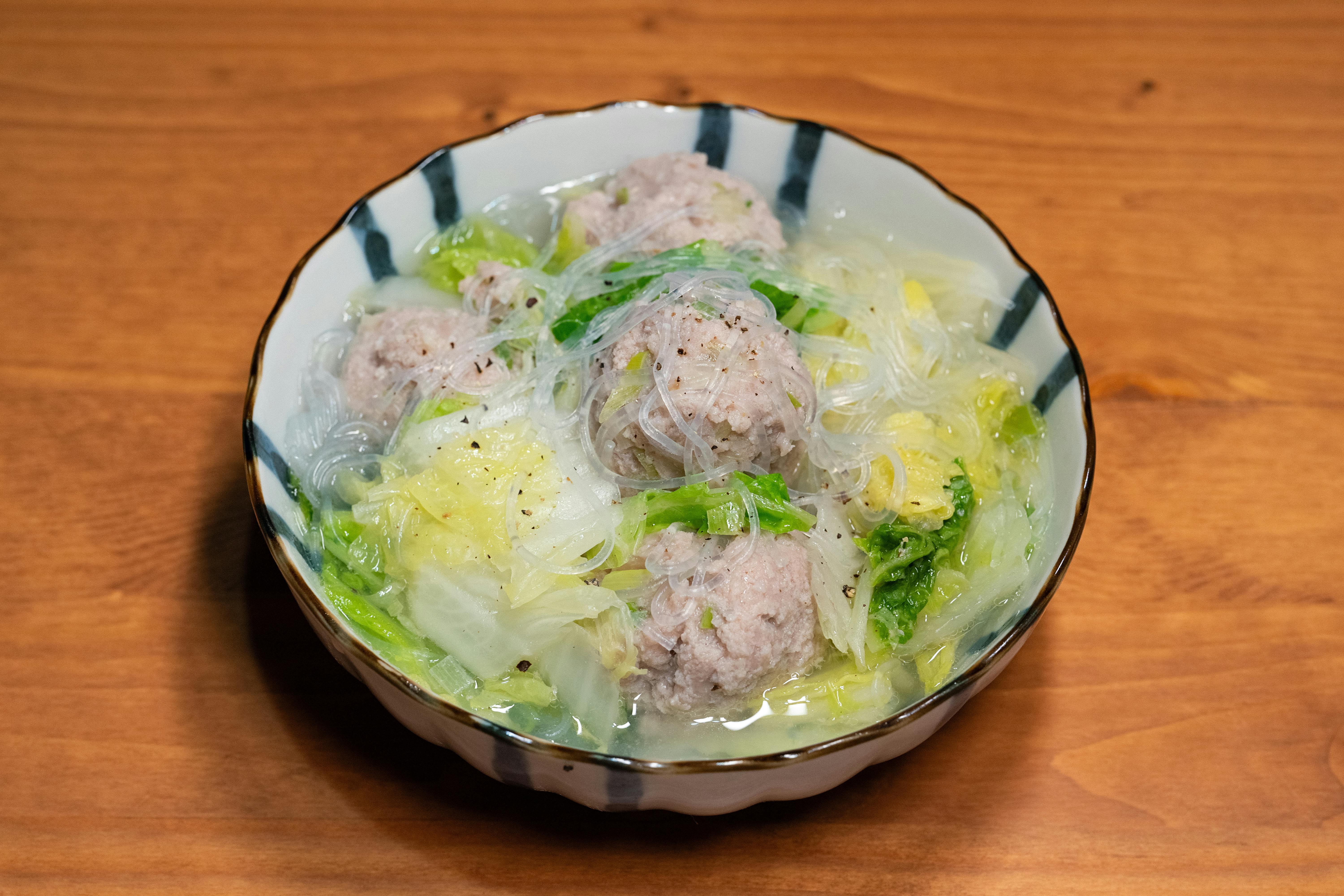
Greek Meatball Soup (Youvarlakia)
The diets react (see scores below)
Common Ingredients
- ground beef
- rice
- eggs
- lemon juice
- chicken broth
- onion
- dill
- parsley
Specific recipes may vary.
Incompatible with 6 of 11 diets
Diet Ratings
Greek Meatball Soup (Youvarlakia) is fundamentally incompatible with ketogenic eating due to the inclusion of rice mixed directly into the meatballs. Rice is a high-glycemic grain with approximately 45g of net carbs per cooked cup, and since it is incorporated into the meatballs themselves, it cannot simply be omitted or portioned around — it is structural to the dish. Even a modest serving of this soup would likely exceed the entire daily net carb allowance of 20-50g. The remaining ingredients (ground beef, eggs, lemon juice, chicken broth, onion, dill, parsley) are largely keto-compatible, but the rice is a dealbreaker. The avgolemono-style lemon-egg broth is fine, and the beef provides good fat and protein, but the dish as traditionally prepared cannot be made keto without fundamentally altering the recipe.
Greek Meatball Soup (Youvarlakia) contains multiple animal products that are categorically excluded from a vegan diet. Ground beef is a direct animal flesh product, eggs are an animal by-product used in the meatball mixture and the classic avgolemono (egg-lemon) sauce, and chicken broth is derived from poultry. This dish is fundamentally built around animal ingredients and is entirely incompatible with vegan dietary standards.
Greek Meatball Soup (Youvarlakia) contains rice, which is a grain and a clear paleo exclusion. Rice is a staple grain that was not part of the Paleolithic diet and is explicitly excluded under all mainstream paleo frameworks. While many other ingredients are paleo-approved — ground beef, eggs, lemon juice, chicken broth, onion, dill, and parsley are all compatible — the inclusion of rice in the meatballs is a disqualifying factor. The dish cannot be rated above 'avoid' as long as rice remains a core structural ingredient.
Youvarlakia is a traditional Greek dish with deep roots in Mediterranean cuisine, which lends it cultural authenticity. However, ground beef is the primary protein, and red meat is meant to be consumed only a few times per month under Mediterranean diet principles. The dish is partly redeemed by its egg-lemon (avgolemono) base, fresh herbs (dill, parsley), onion, and lemon juice — all Mediterranean staples. The rice is a refined grain used in moderation here. Overall, this is an occasional, culturally legitimate dish rather than a dietary staple.
Some Mediterranean diet authorities acknowledge that traditional regional dishes like Youvarlakia, consumed occasionally and in moderate portions, fit within the broader cultural pattern of Mediterranean eating — particularly when the overall dietary pattern is plant-forward. Greek culinary tradition does include modest amounts of red meat in festive or family dishes, and the holistic dietary context matters more than any single ingredient.
Greek Meatball Soup (Youvarlakia) contains multiple plant-based ingredients that are strictly excluded on the carnivore diet. Rice is a grain and a primary filler in the meatballs. Lemon juice is a fruit-derived ingredient. Onion is a vegetable. Dill and parsley are plant-based herbs. The avgolemono base (eggs + lemon) is partially acceptable in its egg component, but the lemon juice disqualifies it. While ground beef, eggs, and chicken broth are carnivore-approved ingredients, the dish as a whole is fundamentally incompatible with carnivore principles due to the grain (rice), vegetable (onion), citrus (lemon juice), and herbs (dill, parsley).
Greek Meatball Soup (Youvarlakia) contains rice, which is an explicitly excluded grain on the Whole30 program. Rice is listed among the grains that must be eliminated for the full 30 days, with no exceptions. The meatballs in this dish are traditionally made with rice mixed directly into the ground beef, making it a core structural ingredient rather than an optional addition. All other ingredients — ground beef, eggs, lemon juice, chicken broth, onion, dill, and parsley — are Whole30-compliant on their own, but the presence of rice disqualifies the dish entirely as traditionally prepared.
Greek Meatball Soup (Youvarlakia) contains onion as a primary ingredient, which is high-FODMAP due to fructans and must be avoided during the elimination phase at any reasonable serving size. Onion is one of the most concentrated sources of fructans and cannot be made safe simply by reducing portions — even small amounts cooked into a soup infuse the broth with fructans, making the entire dish high-FODMAP. The remaining ingredients are largely low-FODMAP: ground beef is safe, rice is low-FODMAP, eggs are safe, lemon juice is low-FODMAP in standard amounts (up to 125ml), chicken broth (homemade or low-FODMAP certified) can be safe, dill is low-FODMAP, and parsley is low-FODMAP. However, the presence of onion — cooked directly into the meatballs and/or broth — disqualifies this dish during the elimination phase. The dish could potentially be modified by substituting the green tops of scallions or omitting onion entirely, but as traditionally prepared it is not suitable.
Greek Meatball Soup (Youvarlakia) has several DASH-friendly elements — eggs, lemon juice, onion, dill, and parsley are all acceptable or beneficial ingredients, and the avgolemono-style preparation uses whole foods without heavy processing. However, the primary protein is ground beef, which DASH explicitly limits due to its saturated fat content. The fat content depends heavily on the leanness of the beef used (80/20 vs. 93/7 lean is a significant difference). Standard chicken broth also contributes moderate sodium, which must be managed for DASH compliance. Rice adds refined carbohydrates, though in soup it is portion-controlled. Overall, this dish sits in moderate territory — acceptable occasionally and improvable with lean beef (≥93% lean) and low-sodium broth, but not a core DASH staple due to red meat as the primary protein.
NIH DASH guidelines categorize red meat as a food to limit, recommending lean poultry or fish as preferred protein sources. However, some updated clinical interpretations note that lean ground beef (≥93% lean) in moderate portions can fit within DASH's broader saturated fat limits (~6% of calories), particularly when paired with sodium-controlled broth, making this dish conditionally acceptable rather than discouraged.
Greek Meatball Soup (Youvarlakia) has several Zone-compatible elements but requires careful management to fit the 40/30/30 framework. The protein source (ground beef) is acceptable but not ideal — it tends to be higher in saturated fat than Zone-preferred lean proteins like skinless chicken or fish. The eggs add protein and some fat. The broth base is essentially free in Zone terms, and the lemon juice, onion, dill, and parsley are all favorable low-glycemic, polyphenol-rich ingredients that Sears would applaud. The main concern is the rice incorporated into the meatballs — white rice is a high-glycemic 'unfavorable' carb in Zone terminology and the rice is structurally embedded in the meatballs rather than a side dish, making it difficult to reduce. The classic avgolemono (egg-lemon) thickening, if present, adds modest protein and fat without disrupting ratios significantly. To make this more Zone-compatible, one would use lean ground beef (93%+ lean), minimize the rice quantity, and serve alongside non-starchy vegetables to shift the carb balance toward favorable sources. As served traditionally, the dish skews higher in glycemic carbs and saturated fat than Zone ideals, but it is far from impossible to incorporate.
Some Zone practitioners following Sears' later anti-inflammatory writings (The Anti-Inflammation Zone, Zone Perfect Meals in Minutes) would note that the lemon juice and fresh herbs (dill, parsley) contribute meaningful polyphenols, partially offsetting the unfavorable rice component. Additionally, if ground beef is lean (93%+ lean), the saturated fat concern diminishes considerably. A strict early-Zone interpretation would rate the rice more harshly; later Zone frameworks are more flexible about small amounts of 'unfavorable' carbs within a balanced meal context.
Youvarlakia sits in a mixed position on the anti-inflammatory spectrum. The primary protein is ground beef, which is classified as 'limit' in anti-inflammatory guidelines due to saturated fat content and potential to raise pro-inflammatory markers like arachidonic acid — though the impact depends heavily on the fat percentage of the beef used. The soup format is favorable: the broth dilutes fat content, and the avgolemono base (egg-lemon) adds vitamin C from lemon juice (which supports antioxidant activity) and eggs (which provide choline and selenium, with mixed but not strongly negative inflammatory profiles). Rice is a refined-ish grain — white rice has a moderate glycemic index and limited fiber, though it's not as pro-inflammatory as refined flour products. The herb profile is a genuine positive: dill and parsley are rich in flavonoids, chlorophyll, and antioxidants (apigenin in parsley, kaempferol in dill), and onion contributes quercetin, a well-studied anti-inflammatory polyphenol. Chicken broth adds minerals without significant inflammatory load. Overall, this is a Mediterranean dish with real anti-inflammatory elements (herbs, lemon, eggs, broth) offset by the red meat component. A leaner ground beef or substitution with ground turkey would shift this toward a clear 'approve.' As prepared with standard ground beef, it's a reasonable moderate-frequency dish rather than a dietary staple.
Dr. Weil's Anti-Inflammatory Food Pyramid places red meat in the 'limit' category but does not prohibit it, and the Mediterranean diet — which forms much of the anti-inflammatory framework — has traditionally included small amounts of red meat in dishes like this without negative outcomes in population studies. However, stricter anti-inflammatory protocols (e.g., those targeting autoimmune conditions or elevated CRP) would flag the beef and white rice as meaningful concerns and recommend substitution.
Greek Meatball Soup (Youvarlakia) has meaningful nutritional strengths but a key drawback for GLP-1 patients centered on the ground beef. The dish delivers moderate-to-good protein from ground beef and eggs, and the egg-lemon (avgolemono) base adds further protein with easy digestibility. The broth base is gentle on a slowed digestive system, the high water content of the soup format supports hydration, and herbs like dill and parsley contribute micronutrients. However, the primary protein source — ground beef — is typically 15–20% fat by weight in standard supermarket versions, introducing meaningful saturated fat that can worsen GLP-1 side effects such as nausea, bloating, and reflux. The rice component adds starchy refined carbohydrate with limited fiber. The dish is not high-fat in the way a fried or heavily sauced food is, and the soup format mitigates some concerns, but it falls short of approve-tier due to the saturated fat load and low fiber density. With a lean ground beef swap (93–95% lean) or a ground turkey or chicken substitution, this dish would score considerably higher.
Some GLP-1-focused dietitians accept moderate saturated fat from whole-food sources like lean beef, particularly in a broth-based format where the overall fat per serving is diluted, and would rate this dish more favorably given its protein density and digestibility. Others are stricter about saturated fat given its known tendency to slow gastric emptying further and exacerbate nausea in GLP-1 patients, especially in the early dose-escalation phase.
*See how scores were generated at our methodology page.
Nutritional profile
Six traits that cut across every diet.
Fiber & Plants
How much whole-plant food and fiber it delivers.
Healthy Fats
The quality of its fats (unsaturated, omega-3).
Whole / Unprocessed
How close it is to its natural, unprocessed form.
Gut Gentle
How easy it is on digestion (low FODMAP, few irritants).
Low Glycemic
How little it spikes your blood sugar.
Protein Density
How much protein it packs per calorie.
Controversy Index
Higher controversy = more disagreement between diets.
Diet-Specific Tips
 Mediterranean — 5/10
View tips
- Ground beef is a red meat, limited to a few times per month in Mediterranean guidelines
- Authentic traditional Greek recipe with strong cultural Mediterranean roots
- Egg-lemon base and fresh herbs (dill, parsley, lemon) are Mediterranean diet staples
- White rice is a refined grain, though used in small amounts as a binder
- No processed ingredients, added sugars, or unhealthy fats
- Acceptable as an occasional dish, not a dietary staple
 DASH — 5/10
View tips
- Ground beef is a red meat limited by DASH guidelines due to saturated fat; leanness (≥93% lean) significantly affects compatibility
- Standard chicken broth contributes sodium — low-sodium broth is strongly recommended for DASH compliance
- Eggs are used in avgolemono base; moderate confidence given evolving cholesterol guidance
- Lemon juice, onion, dill, and parsley are all DASH-positive ingredients adding flavor without sodium
- White rice is a refined grain; substituting brown rice would improve DASH alignment
- No added saturated fats, tropical oils, heavy cream, or high-sodium processed ingredients
- Portion control is key — a single moderate serving can fit within DASH sodium and saturated fat limits
 Zone — 5/10
View tips
- White rice in meatballs is a high-glycemic 'unfavorable' carb that is structurally difficult to reduce
- Ground beef contains more saturated fat than Zone-preferred lean proteins (chicken, fish)
- Broth base, lemon juice, onion, dill, and parsley are all Zone-favorable and anti-inflammatory
- Egg content supports protein block construction
- Portion control is key — traditional serving size likely overshoots Zone carb blocks from the rice
- Using 93%+ lean ground beef and reducing rice quantity can bring the dish closer to Zone ratios
- No processed ingredients, refined sugars, or trans fats — fundamentally a whole-food preparation
 Anti-Inflammatory — 5/10
View tips
- Ground beef is a 'limit' food due to saturated fat and arachidonic acid content
- Lemon juice provides vitamin C and supports antioxidant activity in the dish
- Parsley and dill contribute meaningful anti-inflammatory flavonoids (apigenin, kaempferol, quercetin)
- Onion is a good source of quercetin, a well-researched anti-inflammatory polyphenol
- White rice has limited fiber and a moderate glycemic index — neutral at best
- Soup preparation reduces overall fat concentration relative to other cooking methods
- Eggs are a moderate-confidence ingredient with mixed but not strongly pro-inflammatory profile
- Mediterranean context and herb density are genuine mitigating factors
 GLP-1 Friendly — 5/10
View tips
- Ground beef introduces saturated fat — standard 80/20 or 85/15 grind is a concern for GLP-1 GI side effects
- Broth-based soup format supports hydration and easy digestibility, both GLP-1 priorities
- Eggs contribute additional protein and are well-tolerated on GLP-1 medications
- Rice adds refined starch with negligible fiber, limiting nutrient density per calorie
- Lemon juice, dill, and parsley are mild and unlikely to worsen nausea or reflux
- Dish can be significantly improved by substituting 93%+ lean ground beef or ground turkey/chicken
- Moderate protein per serving — adequate but not exceptional compared to leaner protein sources
- Small-portion friendly as a soup; works well in 4–5 small meal structure