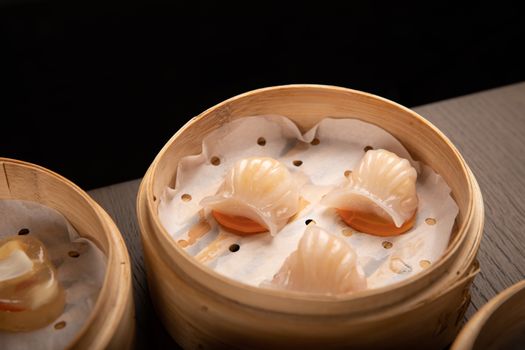
Photo: Change C.C / Pexels
Chinese
Har Gow (Shrimp Dumplings)
The diets react (see scores below)
Common Ingredients
- wheat starch
- shrimp
- bamboo shoots
- sesame oil
- white pepper
- ginger
- Shaoxing wine
- tapioca starch
Specific recipes may vary.
Incompatible with 5 of 11 diets
Diet Ratings
Har Gow wrappers are made from wheat starch and tapioca starch, both of which are high-carbohydrate ingredients that are fundamentally incompatible with ketogenic eating. A standard serving of 3-4 dumplings can contain 20-30g of net carbs almost entirely from the starch-based wrapper, which alone could exhaust or exceed the daily keto carb budget. While the shrimp filling is inherently keto-friendly (high protein, negligible carbs), the dominant component of this dish is the starchy wrapper. The Shaoxing wine also adds minor sugars. There is no realistic portion size that makes this dish compatible with maintaining ketosis.
Har Gow contains shrimp as its primary protein and defining ingredient. Shrimp is seafood — an animal product — and is unambiguously excluded from a vegan diet. There is no meaningful debate within the vegan community on this point. The remaining ingredients (wheat starch, bamboo shoots, sesame oil, white pepper, ginger, Shaoxing wine, tapioca starch) are all plant-based, but the presence of shrimp makes this dish entirely incompatible with veganism.
Har Gow is fundamentally incompatible with the paleo diet. The wrapper is made from wheat starch and tapioca starch — wheat starch is a grain derivative, which is a clear paleo exclusion. While tapioca starch (derived from cassava) is more of a gray area, it cannot redeem a dish whose primary structural component is wheat-based. Sesame oil is a seed oil, which is also excluded under paleo guidelines. Shaoxing wine is a processed, grain-fermented alcohol adding further incompatibility. The shrimp, bamboo shoots, ginger, and white pepper are paleo-friendly, but the non-compliant ingredients (wheat starch, sesame oil, Shaoxing wine) are core to the dish's identity and cannot be easily removed — this is not a dish that can be made paleo without being fundamentally reconstructed.
Har Gow features shrimp as the primary protein, which aligns well with Mediterranean diet encouragement of seafood 2-3 times weekly. However, the wrapper is made from wheat starch and tapioca starch — both refined starches with little fiber or nutritional value — rather than whole grains. Sesame oil, while a plant-based fat, is not the preferred fat in Mediterranean eating (extra virgin olive oil is canonical). The dish is not processed in an industrial sense and contains no added sugars or red meat, but the refined starch wrapper and non-olive oil fat source place it outside the core Mediterranean pattern. Bamboo shoots, ginger, and the modest portion size of a snack work in its favor. Overall, the shrimp is a genuine positive, but the refined wrappers and non-Mediterranean preparation style moderate the score.
Some contemporary Mediterranean diet practitioners argue that any minimally processed seafood preparation is broadly compatible, and that the small quantity of refined starch in a dim sum wrapper is comparable to white rice used in traditional Mediterranean regions like Greece and Spain — acceptable in moderation. From this view, the shrimp-forward filling could push the rating closer to approve.
Har Gow is fundamentally incompatible with the carnivore diet. While shrimp is a carnivore-approved animal protein, it represents only a minor component of this dish. The dominant ingredients are wheat starch and tapioca starch — plant-derived carbohydrates that form the dumpling wrapper. Additional plant-based ingredients include bamboo shoots (a vegetable), sesame oil (a plant oil), white pepper (a spice), ginger (a root vegetable), and Shaoxing wine (a grain-based alcohol). The only carnivore-compatible ingredient is the shrimp itself. This dish is essentially a plant-starch vehicle with a shrimp filling, making it a clear avoid across all tiers of carnivore practice.
Har Gow contains wheat starch, which is derived from wheat — a grain explicitly excluded on the Whole30 program. Even though wheat starch has most of the gluten removed, it is still a grain-based ingredient and is not permitted. Additionally, Shaoxing wine is an alcoholic rice wine, which is doubly excluded as both alcohol and a grain-derived product. The dumpling format itself would also fall under the 'no recreating baked goods/junk food' rule (pasta/noodle-type wrappers and dumplings are in the spirit of excluded foods). Multiple clear violations make this a definitive avoid.
Har Gow is a nuanced case for low-FODMAP assessment. The wrapper is made from wheat starch (not regular wheat flour), which is critically important: wheat starch is the residue after gluten and most fructans have been extracted, making it significantly lower in FODMAPs than standard wheat flour. Tapioca starch is also inherently low-FODMAP. Shrimp is a protein with no FODMAPs. Sesame oil, white pepper, and ginger (in typical cooking amounts) are low-FODMAP. Bamboo shoots are low-FODMAP per Monash at standard servings (~1/2 cup). Shaoxing wine contains trace amounts but at cooking quantities used in dumplings is generally considered safe. The main concern is portion size — eating 3-4 pieces of Har Gow may be acceptable, but a standard dim sum serving of 6+ pieces increases FODMAP load from wheat starch accumulation. Additionally, restaurant preparation may involve minor garlic or onion additions not listed, which is a practical risk. The dish is not inherently high-FODMAP by ingredient design, but real-world portion sizes and potential undisclosed ingredients create meaningful uncertainty.
Monash University has not specifically tested Har Gow wrappers, and while wheat starch is theoretically low-FODMAP, many clinical FODMAP practitioners advise caution with any wheat-derived ingredient during strict elimination due to variable fructan content depending on processing quality. Restaurant versions may also contain hidden onion or garlic seasonings that make elimination-phase approval unreliable.
Har Gow is a relatively clean dim sum dumpling with shrimp as the primary protein — a lean seafood source well-aligned with DASH principles. The wrapper uses refined wheat starch and tapioca starch rather than whole grain flour, which limits fiber and nutrient density compared to DASH-preferred whole grains. Shrimp is low in saturated fat and rich in protein, but is naturally moderate in sodium and cholesterol. The small amounts of sesame oil, white pepper, ginger, and Shaoxing wine are unlikely to significantly impact sodium or saturated fat at typical serving sizes, though Shaoxing wine and restaurant-prepared versions often add more sodium than home recipes suggest. Bamboo shoots are a DASH-friendly vegetable. The main concerns are the refined starch wrapper (not a whole grain), the moderate natural sodium in shrimp, and that restaurant dim sum servings are frequently higher in sodium than ingredient lists imply. Overall, Har Gow is one of the better dim sum choices — lean protein, minimal added fat, no heavy sauces — but falls short of a full DASH approval due to refined starch and variable sodium in commercial preparation.
NIH DASH guidelines emphasize whole grains over refined starches and lean seafood is strongly endorsed; some DASH-oriented clinicians would rate this more favorably given that the saturated fat and added sugar are negligible, arguing the refined wrapper is a minor concern at typical 3-4 piece servings. However, others flag that restaurant dim sum sodium can range 400–700mg per serving, pushing cautious assessment under the standard 2,300mg/day DASH sodium limit.
Har Gow presents a mixed Zone Diet profile. The shrimp filling is an excellent lean protein source — low fat, high protein, fitting neatly into Zone protein blocks. Bamboo shoots are a favorable low-glycemic vegetable, and the aromatics (ginger, white pepper, Shaoxing wine) are negligible macro contributors. However, the wrapper is the central concern: wheat starch and tapioca starch are both high-glycemic, refined carbohydrates with very little fiber, meaning net carbs equal total carbs. This is an 'unfavorable' Zone carbohydrate source. The ratio is also problematic — the dumpling as constructed is carb-heavy relative to protein, meaning it skews the 40/30/30 balance toward excessive refined carbs. Sesame oil adds some fat but is omega-6 dominant rather than the preferred monounsaturated fats. A portion-controlled serving (2-3 pieces) alongside a fiber-rich vegetable side could help balance the Zone blocks, but the dish alone doesn't achieve Zone ratios. It's workable in moderation with careful pairing, but not a natural Zone fit.
Some Zone practitioners and Sears' later writings emphasize that refined starch wrappers in dim sum are similar to bread or pasta — technically usable in very small amounts as carb blocks, but the low fiber content means the glycemic impact is disproportionate per block. A stricter Zone interpretation would treat wheat starch and tapioca starch as 'unfavorable' carbs equivalent to white bread, pushing the score lower (toward 3-4). A more flexible interpretation counts the shrimp protein value and allows the wrapper as a limited carb block in a mixed meal context.
Har Gow presents a mixed anti-inflammatory profile. On the positive side, shrimp is a lean, low-saturated-fat protein with some omega-3 content (though far less than fatty fish), and ginger is a well-established anti-inflammatory spice containing gingerols. Bamboo shoots provide modest fiber. Sesame oil, used in small amounts as a flavoring, contains sesamin and sesamol — lignans with some antioxidant activity — though it is moderately high in omega-6. The negatives center on the refined starch wrapper: wheat starch and tapioca starch are highly refined carbohydrates with minimal fiber or nutritional value, and they form the bulk of the dish by weight. These refined starches offer little anti-inflammatory benefit and may modestly raise blood glucose. White pepper is neutral to mildly beneficial. Shaoxing wine contributes negligible alcohol at cooking quantities. The dish is not pro-inflammatory in the way processed foods or trans fat-laden items are, but its refined starch-heavy wrapper prevents a clear approval. As a dim sum snack consumed occasionally, it sits comfortably in the moderate/caution zone — acceptable in moderation within an otherwise anti-inflammatory dietary pattern.
Some anti-inflammatory practitioners following stricter protocols (e.g., AIP-adjacent or grain-free frameworks) would flag refined wheat starch as a notable concern due to its glycemic impact and lack of fiber, potentially pushing this to a low score. Conversely, practitioners focused on overall dietary pattern rather than individual foods would note that shrimp dumplings with ginger in a generally healthy diet pose minimal inflammatory concern.
Har gow is a relatively clean dim sum option centered on shrimp, a lean high-quality protein source. A standard serving of 3-4 pieces provides roughly 10-14g of protein at moderate calories, making it portion-friendly for GLP-1 patients with reduced appetite. The wheat starch and tapioca starch wrapper is low in fiber and essentially a refined carbohydrate with little nutritional value beyond energy, which is a meaningful drawback given the priority on nutrient density per calorie. Sesame oil is an unsaturated fat used in small amounts and is generally well-tolerated. White pepper and ginger are mild digestive aids at typical dim sum quantities and are unlikely to trigger reflux. Shaoxing wine contributes negligible alcohol in a cooked dish. The main concerns are the low-fiber refined starch wrapper, modest protein per piece (requiring multiple servings to hit protein targets), and the steamed preparation which — while far better than fried — means the wrapper can sit heavy in a slowed gastric emptying context. On the positive side, steaming makes this significantly easier to digest than fried dumplings, and shrimp is an excellent lean protein. This is an acceptable occasional choice, especially compared to fried dim sum options, but should not anchor a meal given the protein and fiber limitations.
Some GLP-1-focused dietitians are more permissive with har gow as a social eating option, noting that steamed dumplings are among the best dim sum choices available and that shrimp's protein quality partially offsets the low fiber wrapper. Others are more cautious, flagging that wheat starch wrappers offer even less nutritional value than standard wheat flour wrappers, and that patients eating in a dim sum context may inadvertently consume large quantities of refined starch across multiple dishes.
*See how scores were generated at our methodology page.
Nutritional profile
Six traits that cut across every diet.
Fiber & Plants
How much whole-plant food and fiber it delivers.
Healthy Fats
The quality of its fats (unsaturated, omega-3).
Whole / Unprocessed
How close it is to its natural, unprocessed form.
Gut Gentle
How easy it is on digestion (low FODMAP, few irritants).
Low Glycemic
How little it spikes your blood sugar.
Protein Density
How much protein it packs per calorie.
Controversy Index
Higher controversy = more disagreement between diets.
Diet-Specific Tips
 Mediterranean — 5/10
View tips
- Shrimp is a Mediterranean-approved protein (seafood 2-3x/week encouraged)
- Wrapper uses refined wheat starch and tapioca starch — not whole grain
- Sesame oil used instead of extra virgin olive oil as primary fat
- No added sugars, no red meat, no industrial processing
- Bamboo shoots and ginger are plant-based, low-calorie additions
- Small snack portion limits impact of refined starch wrapper
 Low-FODMAP — 5/10
View tips
- Wheat starch wrapper is low-FODMAP unlike regular wheat flour, as fructans are largely removed during gluten extraction
- Tapioca starch is inherently low-FODMAP
- Shrimp contains no FODMAPs — safe protein source
- Bamboo shoots are low-FODMAP at standard serving sizes per Monash
- Portion size is critical — FODMAP load from wheat starch accumulates with multiple dumplings
- Shaoxing wine in small cooking quantities is generally tolerated
- Risk of undisclosed garlic or onion in restaurant preparation
- Ginger and sesame oil are low-FODMAP at culinary quantities
 DASH — 5/10
View tips
- Shrimp is a DASH-approved lean seafood protein
- Refined wheat starch and tapioca starch wrappers lack fiber and whole grain status
- Bamboo shoots are a DASH-friendly low-calorie vegetable
- Sesame oil used in small amounts; minimal saturated fat
- Shaoxing wine and restaurant preparation can meaningfully increase sodium content
- No heavy sauces or added sugar in traditional recipe
- Moderate natural sodium in shrimp; portion control matters in dim sum context
 Zone — 5/10
View tips
- Shrimp is an excellent lean protein — ideal Zone protein block
- Wheat starch and tapioca starch are high-glycemic, low-fiber refined carbs — 'unfavorable' Zone carbohydrates
- Bamboo shoots are a favorable low-glycemic vegetable carb source
- Sesame oil is omega-6 dominant, not the preferred monounsaturated fat (olive oil, avocado)
- Macronutrient ratio skews carb-heavy — wrapper dominates over protein filling
- Small portion (2-3 pieces) with vegetable accompaniments can partially balance Zone ratios
- No significant saturated fat or trans fat concerns
 Anti-Inflammatory — 5/10
View tips
- Shrimp provides lean protein with moderate omega-3 content
- Ginger (gingerols) is a recognized anti-inflammatory ingredient
- Refined wheat starch and tapioca starch wrapper is low in fiber and high glycemic
- Sesame oil contributes omega-6 but is used in small flavoring quantities
- Bamboo shoots add modest fiber
- No trans fats, added sugars, artificial additives, or highly processed components
- Acceptable as an occasional food within an anti-inflammatory dietary pattern
 GLP-1 Friendly — 6/10
View tips
- Shrimp is a lean high-quality protein — positive
- Steamed preparation significantly better than fried for GLP-1 digestibility
- Wheat starch and tapioca starch wrapper is low-fiber refined carbohydrate with low nutrient density
- Modest protein per piece — 3-4 pieces needed to approach 10-14g protein
- Sesame oil is unsaturated fat in small amounts — acceptable
- White pepper and ginger mild and generally well-tolerated
- No significant fat load — unlikely to worsen nausea or reflux
- Portion-sensitive: a small serving is reasonable, but multiple rounds at dim sum can add up in refined starch