Caribbean
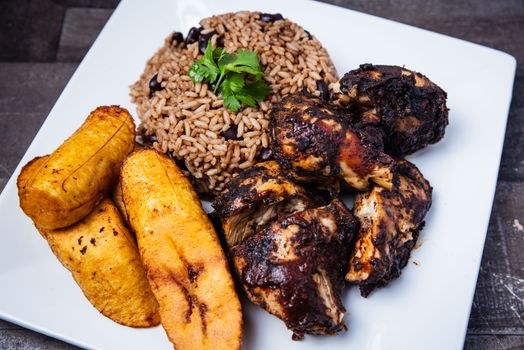
Jamaican Jerk Pork
The diets react (see scores below)
Common Ingredients
- pork shoulder
- Scotch bonnet
- allspice
- thyme
- scallions
- garlic
- brown sugar
- ginger
Specific recipes may vary.
Incompatible with 7 of 11 diets
Diet Ratings
Jamaican Jerk Pork is built on a keto-friendly base — pork shoulder is a high-fat, high-protein cut that fits keto well. The spices (allspice, thyme, ginger, Scotch bonnet, garlic, scallions) add minimal net carbs individually. However, the inclusion of brown sugar in the jerk marinade is the critical problem. Traditional jerk recipes use a meaningful amount of brown sugar, which directly adds net carbs and can disrupt ketosis depending on quantity per serving. The dish lands in 'caution' territory: the pork itself is ideal, but the marinade as traditionally prepared introduces enough sugar to warrant concern. A keto-adapted version substituting a sugar-free sweetener would push this to 'approve.'
Some lazy keto and flexible keto practitioners argue that the brown sugar quantity per serving, once distributed across a large pork shoulder, is small enough (possibly 2-4g net carbs per serving) to remain within daily limits and would rate this an approve with modest portions. Strict keto adherents counter that any added sugar has no place in a ketogenic diet regardless of quantity.
Jamaican Jerk Pork is fundamentally incompatible with a vegan diet. The primary protein is pork shoulder, a direct animal product (mammalian flesh), which is categorically excluded under all vegan standards. The remaining ingredients — Scotch bonnet, allspice, thyme, scallions, garlic, brown sugar, ginger — are all plant-based, but the presence of pork alone disqualifies this dish entirely. There is no ambiguity here.
Jamaican Jerk Pork is largely paleo-compatible, with pork shoulder, Scotch bonnet peppers, allspice, thyme, scallions, garlic, and ginger all being approved paleo ingredients. The single disqualifying ingredient is brown sugar, which is a refined sugar and explicitly excluded from the paleo diet. Without the brown sugar, this dish would score highly. Because the recipe as listed contains a non-paleo ingredient, it lands in the caution zone — paleo practitioners would typically substitute with a small amount of honey or omit the sweetener entirely.
Jamaican Jerk Pork is built around pork shoulder, a red meat high in saturated fat that the Mediterranean diet restricts to only a few times per month. While many of the spices and aromatics (garlic, thyme, scallions, ginger, allspice, Scotch bonnet) are plant-based and compatible with Mediterranean principles, the dish is fundamentally centered on a large portion of fatty red meat. The addition of brown sugar adds unnecessary refined sugar. The dish is also entirely outside the Mediterranean culinary tradition. The spice profile does not redeem the core protein choice, which directly contradicts the diet's red meat limitation guidelines.
Jamaican Jerk Pork is fundamentally incompatible with the carnivore diet. While pork shoulder is an approved animal protein, the dish is defined by its jerk marinade, which consists almost entirely of plant-based ingredients: Scotch bonnet peppers, allspice, thyme, scallions, garlic, and ginger. Critically, brown sugar is also included, which is a processed plant-derived sweetener explicitly excluded from carnivore. The pork itself is the only carnivore-compliant component, but the preparation method makes this dish a non-starter. You cannot simply 'eat around' a marinade — the plant compounds and sugar are embedded into the meat during cooking.
This Jamaican Jerk Pork recipe contains brown sugar, which is an added sugar explicitly excluded on the Whole30 program. All other ingredients — pork shoulder, Scotch bonnet pepper, allspice, thyme, scallions, garlic, and ginger — are fully compliant whole foods. However, brown sugar is a disqualifying ingredient with no ambiguity. The dish could be made Whole30-compliant by omitting the brown sugar or substituting with compliant sweeteners like fruit juice, but as listed, it must be avoided.
Jamaican Jerk Pork contains two significant high-FODMAP ingredients that make it unsuitable during the elimination phase: garlic (high in fructans at any culinary amount) and scallions/green onions (the white bulb portion is high in fructans). Pork shoulder itself is a safe, low-FODMAP protein. Scotch bonnet pepper, allspice, thyme, ginger, and brown sugar in typical cooking quantities are low-FODMAP. However, garlic is a cornerstone of jerk seasoning and cannot be omitted in any meaningful quantity without fundamentally changing the dish. Scallions are also a defining ingredient. Both are used in quantities that will reliably deliver high FODMAP loads. This dish is not suitable during the elimination phase as traditionally prepared.
Jamaican Jerk Pork is primarily problematic for the DASH diet due to its use of pork shoulder, a high-fat, high-saturated-fat cut of red meat that DASH explicitly limits. Pork shoulder contains significant amounts of saturated fat and cholesterol, placing it in the category of foods DASH discourages. Beyond the protein source, traditional jerk preparations typically involve substantial sodium from seasoning blends and soy sauce (if used), and the brown sugar adds unnecessary calories from added sugar. While many of the spice and aromatics — Scotch bonnet, allspice, thyme, scallions, garlic, ginger — are DASH-friendly and even beneficial, they cannot offset the core issue of a high-saturated-fat red meat. DASH guidelines specifically recommend limiting red meat to small portions infrequently (no more than 1–2 servings/week of lean cuts), and pork shoulder is not a lean cut. If prepared with pork tenderloin or lean pork loin instead, the score would be significantly higher (caution range), and reducing or eliminating added sodium would further improve compatibility.
Jamaican Jerk Pork presents a mixed Zone Diet profile. The primary concern is the protein source: pork shoulder is a fatty cut with significant saturated fat, making it less ideal than leaner Zone-approved proteins like skinless chicken or fish. However, it still provides substantial protein and can be portioned to meet the ~25g protein per meal target. The jerk seasoning ingredients — Scotch bonnet, allspice, thyme, scallions, garlic, and ginger — are all Zone-favorable: aromatic vegetables and spices are low-glycemic, anti-inflammatory, and polyphenol-rich, which aligns well with Sears' anti-inflammatory emphasis. The brown sugar is a minor concern as a high-glycemic ingredient, but in the small amounts typical of a jerk marinade it contributes negligible carbohydrate blocks. The dish lacks an accompanying carbohydrate source and fat source to complete the 40/30/30 ratio, so it would need to be paired with low-glycemic vegetables and a monounsaturated fat to form a complete Zone meal. The main downside is the fatty pork shoulder cut rather than a leaner pork option like tenderloin.
Some Zone practitioners and Sears' later anti-inflammatory writings (e.g., 'The Zone Diet') show some softening toward moderate saturated fat intake when the overall meal is anti-inflammatory and omega-3 balanced. The polyphenol-rich spice profile of jerk seasoning (allspice, ginger, garlic, Scotch bonnet) is strongly pro-Zone in Sears' later framework, and could partially offset concerns about pork shoulder's fat content. A strict interpretation of early Zone (Enter the Zone) would rate this lower due to the fatty cut and the saturated fat content.
Jamaican Jerk Pork presents a genuinely mixed anti-inflammatory profile. The spice blend is a significant bright spot: allspice contains eugenol (a potent anti-inflammatory compound comparable to clove), thyme provides rosmarinic acid and flavonoids, ginger offers gingerols with well-documented anti-inflammatory effects, garlic delivers allicin and organosulfur compounds, and Scotch bonnet peppers are rich in capsaicin, which has strong anti-inflammatory properties. Scallions add quercetin and prebiotic fiber. However, the primary protein — pork shoulder — is a fatty cut of red meat high in saturated fat and arachidonic acid, both of which are pro-inflammatory when consumed in excess. Pork shoulder is not leanly trimmed like tenderloin; it's one of the higher-fat pork cuts. Brown sugar, while modest in typical jerk quantities, represents added sugar and offers no anti-inflammatory benefit. The anti-inflammatory framework limits red meat and flags saturated fat as a concern. The dish is not categorically avoidable — the spice marinade is genuinely therapeutic in composition — but the foundation protein and fat profile prevent an 'approve' verdict. Occasional consumption is acceptable; regular inclusion would not align with anti-inflammatory principles.
Some anti-inflammatory practitioners, including those following more permissive Mediterranean-adjacent frameworks, would view this dish more favorably, arguing that the dense anti-inflammatory spice load (eugenol, capsaicin, gingerols, allicin) meaningfully offsets the saturated fat from pork shoulder, especially if portions are moderate. Conversely, stricter AIP and autoimmune-focused protocols would push this toward 'avoid' given pork's arachidonic acid content and saturated fat load, recommending substitution with chicken or fish if the jerk spice profile is desired.
Jamaican Jerk Pork made with pork shoulder is a poor fit for GLP-1 patients on multiple fronts. Pork shoulder is a high-fat, fatty cut — typically 20-30g of fat per serving, heavily saturated — which directly worsens GLP-1 side effects including nausea, bloating, and reflux due to slowed gastric emptying. Scotch bonnet peppers are among the hottest chili peppers used in cooking and are very likely to aggravate GI discomfort, reflux, and nausea, which are already elevated risks on GLP-1 medications. Brown sugar adds empty calories with no nutritional benefit. The dish is often grilled or smoked in large cuts, meaning high fat content is baked in regardless of preparation method. While pork shoulder does provide protein, the fat-to-protein ratio is unfavorable compared to leaner alternatives, and the spice level alone would warrant caution even if the protein source were better.
Some GLP-1-aware dietitians note that jerk seasoning itself (allspice, thyme, garlic, ginger, scallions) is nutritionally neutral or mildly beneficial, and that individual tolerance to spicy food varies — patients who tolerated Scotch bonnet well before starting GLP-1 medications may still tolerate it. The primary concern driving disagreement is whether the fat content of pork shoulder is the decisive factor or whether a lean pork loin prepared with jerk spices could redeem the dish — most clinicians would approve a lean-cut jerk pork adaptation but not the traditional pork shoulder version.
*See how scores were generated at our methodology page.
Nutritional profile
Six traits that cut across every diet.
Fiber & Plants
How much whole-plant food and fiber it delivers.
Healthy Fats
The quality of its fats (unsaturated, omega-3).
Whole / Unprocessed
How close it is to its natural, unprocessed form.
Gut Gentle
How easy it is on digestion (low FODMAP, few irritants).
Low Glycemic
How little it spikes your blood sugar.
Protein Density
How much protein it packs per calorie.
Controversy Index
Higher controversy = more disagreement between diets.
Diet-Specific Tips
 Keto — 5/10
View tips
- Pork shoulder is high-fat and ideal for keto
- Brown sugar in the marinade introduces added sugar — the primary concern
- Sugar quantity per serving may be small when distributed across a large cut, making it portion-dependent
- Spices and aromatics (Scotch bonnet, allspice, thyme, garlic, scallions, ginger) contribute negligible net carbs
- Easy to make keto-compliant by substituting brown sugar with erythritol or monk fruit
 Paleo — 5/10
View tips
- Pork shoulder is an unprocessed, paleo-approved protein
- Scotch bonnet, allspice, thyme, scallions, garlic, and ginger are all paleo-approved herbs, spices, and aromatics
- Brown sugar is a refined sugar and is excluded from the paleo diet — this is the sole disqualifying ingredient
- A simple swap to honey or date paste would make this dish fully paleo-compliant
- No grains, legumes, dairy, or seed oils present in the ingredient list
 Zone — 5/10
View tips
- Pork shoulder is a high-fat, high-saturated-fat cut — less ideal than Zone-preferred lean proteins; pork tenderloin would score higher
- Jerk spices (allspice, ginger, garlic, Scotch bonnet, thyme) are anti-inflammatory and polyphenol-rich, strongly aligned with Zone principles
- Brown sugar adds small amounts of high-glycemic carbohydrate, but in marinade quantities is unlikely to significantly disrupt Zone blocks
- Scallions and garlic contribute favorable low-glycemic carbohydrate blocks
- Dish is protein/fat-heavy and needs low-glycemic vegetable sides to complete the 40/30/30 Zone meal ratio
- Portion control critical: limiting to ~3 oz serving keeps protein in Zone range while managing saturated fat intake
 Anti-Inflammatory — 4/10
View tips
- Pork shoulder is a high-fat red meat cut — elevated saturated fat and arachidonic acid are pro-inflammatory
- Allspice contains eugenol, a potent anti-inflammatory phenolic compound
- Ginger provides gingerols with well-documented anti-inflammatory and COX-inhibiting effects
- Scotch bonnet peppers are rich in capsaicin, which suppresses NF-κB inflammatory signaling
- Garlic delivers organosulfur compounds (allicin) that reduce CRP and inflammatory cytokines
- Thyme contributes rosmarinic acid and thymol with antioxidant and anti-inflammatory properties
- Brown sugar adds minimal but unnecessary pro-inflammatory refined sugar
- Overall dish is limited by its protein base but partially redeemed by one of the most anti-inflammatory spice blends in world cuisine