Korean
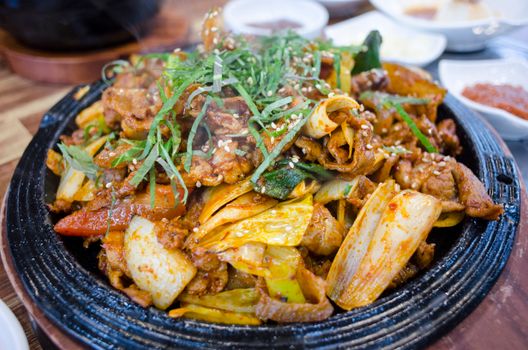
Jeyuk Bokkeum (Spicy Pork)
The diets react (see scores below)
Common Ingredients
- pork
- gochujang
- gochugaru
- soy sauce
- onion
- garlic
- ginger
- sesame oil
Specific recipes may vary.
Incompatible with 8 of 11 diets
Diet Ratings
Jeyuk Bokkeum is built on a keto-friendly base of pork, garlic, ginger, and sesame oil, but gochujang is the primary concern. Gochujang is a fermented chili paste that typically contains rice (glutinous rice flour) and added sugar as core ingredients, contributing meaningful net carbs — a standard 1-2 tablespoon serving adds roughly 8-14g net carbs. Gochugaru (chili flakes) and soy sauce add minimal carbs. Onion contributes a small amount of carbs but is manageable in limited quantities. The dish can be made keto-compatible with strict portion control, substituting gochujang with a DIY low-carb alternative (gochugaru + a keto sweetener + miso), or using a very small amount of gochujang to flavor without exceeding daily carb limits. In its traditional restaurant-style preparation, the carb load from gochujang is likely to challenge daily keto limits, especially if combined with other carb sources throughout the day.
Lazy keto practitioners who track only rough carb totals may approve small home-cooked portions as acceptable, arguing that the high protein and fat from pork and sesame oil outweigh the modest gochujang contribution when portion-controlled. Strict clinical keto protocols, however, would flag any grain-containing paste (gochujang's rice base) as categorically off-limits regardless of quantity.
Jeyuk Bokkeum is a Korean spicy stir-fried pork dish. Pork is the primary protein and a core, non-negotiable component of this dish. As a mammalian meat, pork is an animal product that is categorically excluded from a vegan diet. The remaining ingredients — gochujang, gochugaru, soy sauce, onion, garlic, ginger, and sesame oil — are all plant-based, but the presence of pork makes this dish entirely incompatible with veganism. There is no meaningful debate within the vegan community on this point.
Jeyuk Bokkeum contains multiple non-paleo ingredients that disqualify it. Gochujang is a fermented paste made from glutinous rice and soybeans — both grains and legumes are strictly excluded from the paleo diet. Soy sauce contains wheat (a grain) and soy (a legume), making it doubly non-compliant. Sesame oil is a seed oil, which is excluded in favor of paleo-approved fats. While pork, onion, garlic, ginger, and gochugaru (pure chili flakes) are individually paleo-compatible, the foundational sauces and oils that define this dish's flavor profile are firmly off-limits. The dish cannot be considered paleo without a fundamental reformulation.
Jeyuk Bokkeum is centered on pork, a red meat that the Mediterranean diet limits to only a few times per month. The dish is also a non-Mediterranean preparation with no olive oil, instead using sesame oil as the primary fat. While aromatics like onion, garlic, and ginger are Mediterranean-friendly, and gochujang/gochugaru add flavor without being inherently harmful, the core ingredient — pork as a frequent main protein — directly contradicts Mediterranean diet principles. The dish also contains soy sauce, a processed, high-sodium condiment not part of Mediterranean tradition. There are no compensating plant-forward elements sufficient to elevate the rating.
Jeyuk Bokkeum is fundamentally incompatible with the carnivore diet despite its pork base. The marinade and sauce are packed with plant-derived and processed ingredients: gochujang (fermented chili paste, typically containing rice/wheat, sugar, and chili), gochugaru (dried chili flakes), soy sauce (fermented soy and wheat — both legume and grain), onion, garlic, ginger (all plant vegetables/aromatics), and sesame oil (plant-derived oil). While pork itself is fully approved on carnivore, the overwhelming majority of this dish's flavor profile comes from plant-based ingredients. Only the pork is carnivore-compliant; every other ingredient violates core carnivore rules. This is not a borderline case — it is a heavily plant-seasoned dish with multiple disqualifying components.
Jeyuk Bokkeum contains two critical non-compliant ingredients. First, soy sauce is a soy-based product and soy is explicitly excluded on the Whole30 (legume family). Second, gochujang (Korean fermented chili paste) almost universally contains glutinous rice (a grain) and is often sweetened with sugar — both excluded categories. Pork, gochugaru, onion, garlic, ginger, and sesame oil are all Whole30-compliant, but the dish as traditionally prepared cannot be made compliant without substituting two key flavor components. Coconut aminos can replace soy sauce, and a homemade gochujang-style paste using compliant ingredients could theoretically substitute for gochujang, but those would be significant reformulations of the traditional dish.
Jeyuk Bokkeum contains multiple high-FODMAP ingredients that make it unsuitable during the elimination phase. Garlic is one of the highest-FODMAP foods tested by Monash University, rich in fructans, and is a core flavoring in this dish. Onion is similarly high in fructans and is used in significant quantities. Gochujang (Korean fermented chili paste) typically contains wheat and/or garlic and onion powder, adding further fructan load. Even without gochujang, the combination of garlic and onion alone is sufficient to classify this dish as high-FODMAP. Pork itself, gochugaru (pure chili flakes), soy sauce (in small amounts, gluten-free versions), and sesame oil are individually low-FODMAP, but the dish as a whole cannot be considered safe during elimination due to its foundational aromatics.
Jeyuk Bokkeum is problematic for the DASH diet on multiple fronts. Pork (especially belly or shoulder cuts commonly used) is a red meat high in saturated fat, which DASH explicitly limits. The marinade is sodium-dense: gochujang (fermented chili paste) and soy sauce are both very high in sodium, with a typical serving of this dish easily exceeding 800–1,200mg of sodium — a substantial portion of even the standard DASH daily limit of 2,300mg, and well over half the low-sodium DASH limit of 1,500mg. While garlic, ginger, and onion are DASH-friendly aromatics, and gochugaru itself is relatively benign, the overall sodium load and saturated fat content from the pork and sesame oil combination make this dish incompatible with DASH principles as commonly prepared. Sesame oil adds additional fat, though it is unsaturated. The dish as a whole reflects a high-sodium, high-fat profile that DASH guidelines explicitly discourage.
Jeyuk Bokkeum is a spicy stir-fried pork dish that presents a mixed Zone profile. The protein source (pork) is acceptable in Zone but leans toward the unfavorable side depending on the cut — belly or shoulder are common choices and carry higher saturated fat than lean Zone-preferred proteins like chicken breast or fish. The flavor base — gochujang, gochugaru, soy sauce, garlic, ginger, and onion — is largely Zone-friendly in terms of glycemic load, though gochujang contains added sugar and fermented rice, contributing some higher-glycemic carbohydrates that must be accounted for in blocks. Sesame oil, while a seed oil with some omega-6 content, is present in small quantities and contains monounsaturated fats, making it marginally acceptable. The dish is not built around processed carbs or refined sugars in large amounts, but the pork fat content and gochujang's sugar load prevent a clean approval. With careful portioning — using a lean pork cut like tenderloin, limiting gochujang quantity, and pairing with non-starchy vegetables to round out the 40/30/30 ratio — this dish can fit a Zone meal. It requires more management than ideal Zone proteins, placing it firmly in the 'caution' range.
Some Zone practitioners and Sears' later anti-inflammatory writings (e.g., Toxic Fat, The Mediterranean Zone) are less rigid about saturated fat from whole-food animal sources, acknowledging that the inflammatory context matters more than fat type alone. Under this view, if the pork is lean and gochujang is used sparingly, Jeyuk Bokkeum could be nudged toward a low approve (6-7), especially given the polyphenol content from garlic, ginger, and chili compounds. Conversely, if made with pork belly, the saturated fat load would push it toward a harder caution or low avoid.
Jeyuk Bokkeum presents a genuinely mixed anti-inflammatory profile. On the positive side, the dish is rich in anti-inflammatory spices and aromatics: garlic and ginger are well-supported as anti-inflammatory agents, gochujang and gochugaru provide capsaicin (which has demonstrated anti-inflammatory properties via NF-κB pathway inhibition), and sesame oil contains sesamol and sesamin with antioxidant activity. Onions contribute quercetin, a potent flavonoid. Fermented gochujang also adds beneficial probiotic and bioactive compounds. However, the primary protein — pork — is a red meat and falls into the 'limit' category under anti-inflammatory frameworks due to saturated fat content and arachidonic acid, particularly in fattier cuts commonly used in this dish (pork belly or shoulder). Soy sauce, while fermented, contributes significant sodium, which some research links to inflammatory pathways at high intake. The overall dish is not categorically pro-inflammatory, but the pork base prevents an 'approve' rating. Lean pork cuts would improve the profile. This dish is acceptable in moderation, especially if paired with vegetables and whole grains as is typical in Korean meal contexts.
Dr. Weil's framework places red meat in the 'limit' category but does not ban it outright, and some anti-inflammatory researchers note that pork is lower in saturated fat than beef and contains selenium and B vitamins with anti-inflammatory relevance. Conversely, strict anti-inflammatory and AIP protocols would rate this lower due to pork's arachidonic acid content and the high sodium load from gochujang and soy sauce, which can exacerbate inflammation in autoimmune-sensitive individuals.
Jeyuk Bokkeum is a spicy stir-fried pork dish that presents multiple concerns for GLP-1 patients. Pork belly is the traditional cut used, which is high in saturated fat and can significantly worsen GLP-1 side effects including nausea, bloating, and reflux due to slowed gastric emptying. The dish is heavily spiced with both gochujang and gochugaru, two concentrated chili-based ingredients that are likely to aggravate reflux and nausea — already common GLP-1 side effects. Sesame oil adds additional fat. While pork does provide meaningful protein, the high fat content and intense spice level make this a poor fit for most GLP-1 patients, especially those in early treatment or experiencing active GI symptoms. If made with pork tenderloin or lean pork loin instead of belly, and with a significantly reduced amount of chili, the rating could shift to caution territory.
Some GLP-1-experienced clinicians and dietitians note that individual spice tolerance varies considerably — patients who were eating spicy food regularly before starting medication sometimes tolerate moderate spice without worsened GI symptoms. The disagreement centers on whether spice level alone is disqualifying versus the fat content of the cut being the primary concern; a lean-cut, reduced-spice version of this dish would divide expert opinion on whether it warrants caution or avoid.
*See how scores were generated at our methodology page.
Nutritional profile
Six traits that cut across every diet.
Fiber & Plants
How much whole-plant food and fiber it delivers.
Healthy Fats
The quality of its fats (unsaturated, omega-3).
Whole / Unprocessed
How close it is to its natural, unprocessed form.
Gut Gentle
How easy it is on digestion (low FODMAP, few irritants).
Low Glycemic
How little it spikes your blood sugar.
Protein Density
How much protein it packs per calorie.
Controversy Index
Higher controversy = more disagreement between diets.
Diet-Specific Tips
 Keto — 5/10
View tips
- Gochujang contains glutinous rice and added sugar — primary carb concern
- Standard serving of gochujang adds ~8-14g net carbs, stressing daily limits
- Pork is an excellent keto protein and fat source
- Sesame oil, garlic, ginger are fully keto-compatible
- Gochugaru alone is low-carb and a viable gochujang substitute
- Dish can be adapted to keto with ingredient substitutions
- Traditional restaurant preparation likely exceeds comfortable keto carb budget
 Zone — 5/10
View tips
- Pork is an acceptable Zone protein but fat content varies significantly by cut — lean cuts (tenderloin, loin) are preferable to belly or shoulder
- Gochujang contains added sugar and fermented rice, contributing unfavorable higher-glycemic carbohydrates that must be measured in blocks
- Sesame oil is a seed oil with omega-6 content, not ideal in Zone's anti-inflammatory framework, though quantities used are typically small
- Garlic, ginger, and onion are favorable low-glycemic Zone carbohydrate sources with anti-inflammatory properties
- Gochugaru (Korean chili flakes) is a polyphenol-rich spice with negligible caloric impact — favorable from an anti-inflammatory standpoint
- Dish lacks a built-in carbohydrate balance — must be paired with non-starchy vegetables to achieve the 40/30/30 Zone ratio
- No grain-based carbs or refined sugars dominate the dish, which is a positive structural feature
 Anti-Inflammatory — 5/10
View tips
- Pork is a red meat — 'limit' under anti-inflammatory guidelines due to saturated fat and arachidonic acid
- Garlic and ginger are well-established anti-inflammatory aromatics
- Gochujang and gochugaru provide capsaicin with demonstrated anti-inflammatory effects
- Fermented gochujang adds beneficial bioactive compounds
- Sesame oil contains sesamol/sesamin with antioxidant properties
- Onion contributes quercetin (anti-inflammatory flavonoid)
- High sodium from soy sauce and gochujang is a concern at excessive intake
- Cut of pork matters significantly — lean cuts are meaningfully better than fatty cuts like pork belly