Photo: Betül Üstün / Pexels
Italian
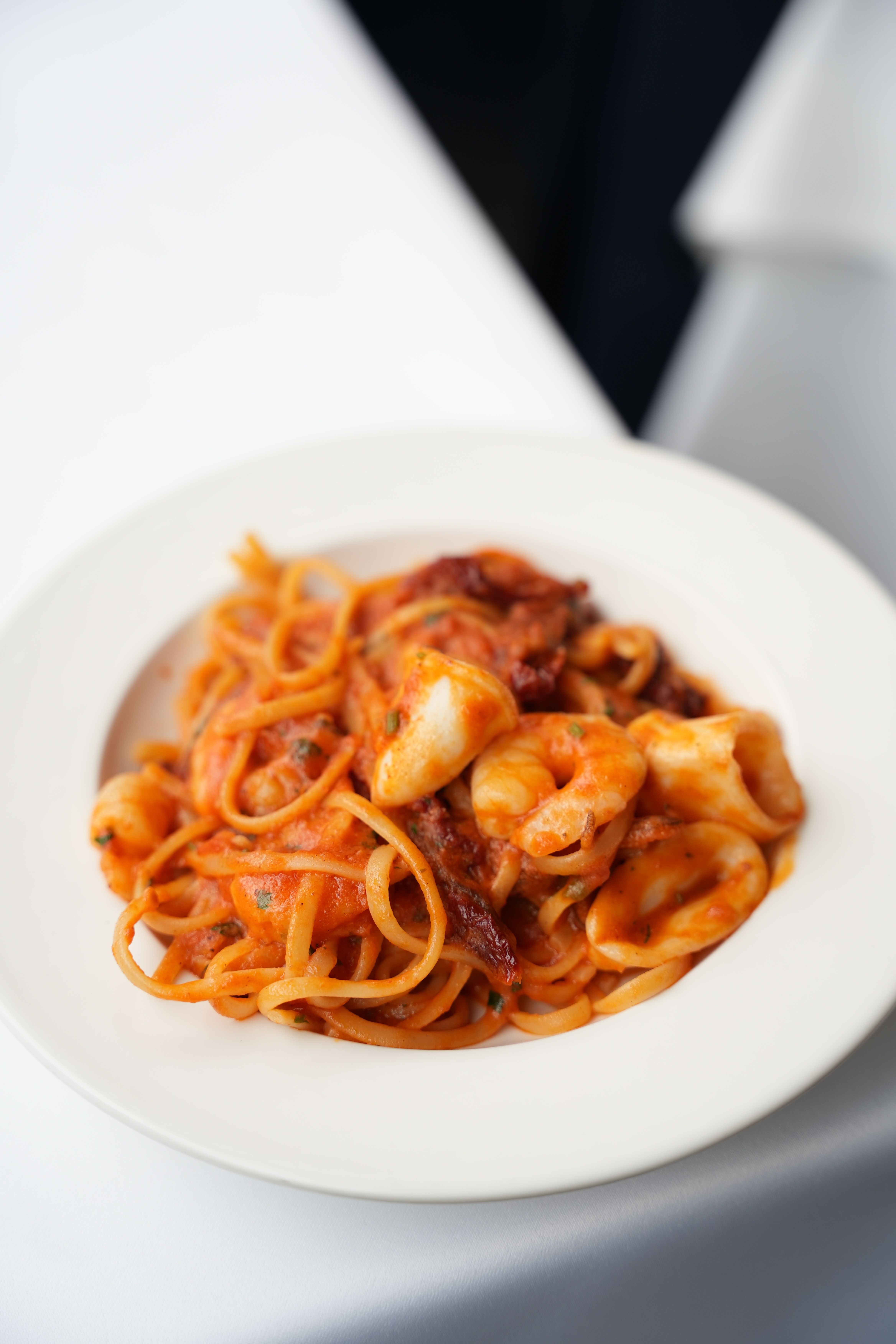
Lobster Fra Diavolo
The diets react (see scores below)
Common Ingredients
- lobster
- linguine
- tomatoes
- white wine
- red pepper flakes
- garlic
- parsley
- olive oil
Specific recipes may vary.
Incompatible with 6 of 11 diets
Diet Ratings
Lobster Fra Diavolo is fundamentally incompatible with a ketogenic diet primarily due to linguine, a wheat-based pasta that contributes roughly 40-45g of net carbs per standard serving — already exceeding the entire daily keto carb budget. The dish's other ingredients (lobster, olive oil, garlic, tomatoes, white wine, red pepper flakes, parsley) are largely keto-friendly or low-carb in typical quantities, but linguine is a non-negotiable disqualifier. White wine also adds a small amount of residual sugar and carbs. The dish as traditionally prepared cannot be made keto-compatible without fundamentally replacing the pasta with a substitute like zucchini noodles or shirataki noodles, which would make it a different dish entirely.
Lobster Fra Diavolo is entirely incompatible with a vegan diet. The primary protein — lobster — is an animal (a crustacean), making this dish a clear violation of the foundational vegan principle of excluding all animal products. All remaining ingredients (linguine, tomatoes, white wine, red pepper flakes, garlic, parsley, olive oil) are plant-based, but the presence of lobster as the central, defining ingredient renders the dish non-vegan beyond any debate.
Lobster Fra Diavolo is disqualified by a single non-negotiable ingredient: linguine, a wheat-based pasta. Grains are among the most clearly excluded foods in the paleo framework, rejected by every major paleo authority (Cordain, Sisson, Wolf) due to their anti-nutrients, lectins, and absence from the Paleolithic diet. The remaining ingredients — lobster, tomatoes, garlic, parsley, olive oil, red pepper flakes — are largely paleo-approved or acceptable in moderation. White wine falls into a gray area (alcohol is debated), but it does not affect the overall verdict. Without the linguine, this dish would rate highly; with it, the dish cannot be considered paleo-compatible in its traditional form.
Lobster Fra Diavolo is largely Mediterranean-friendly: it features seafood as the protein, extra virgin olive oil as the fat, tomatoes, garlic, and herbs as aromatics, and white wine — all hallmarks of the Mediterranean pattern. However, the pasta base is linguine, which is a refined grain rather than a whole grain, nudging the dish away from the ideal. Lobster itself is a shellfish rather than a fatty fish like sardines or salmon, so it provides less omega-3 benefit, though it is still a lean, clean seafood source. The dish is minimally processed and low in saturated fat, which is positive. Overall it is a reasonable occasional choice but falls short of a core staple due to the refined pasta and the relative infrequency with which shellfish-heavy, restaurant-style dishes would realistically be consumed.
Some Mediterranean diet practitioners, particularly those drawing on southern Italian and coastal traditions, would argue that shellfish pasta dishes like this are entirely authentic and appropriate several times per week — refined pasta included — as part of a varied seafood-forward diet. Traditional Italian Mediterranean eating often includes white pasta with seafood without concern, and the overall nutrient profile of this dish is far closer to Mediterranean ideals than its refined-grain base might suggest.
Lobster Fra Diavolo is fundamentally incompatible with the carnivore diet. While lobster itself is a carnivore-approved animal protein, this dish is built around a framework of entirely plant-based and processed ingredients. Linguine is a grain-based pasta and a hard exclusion. Tomatoes, garlic, parsley, red pepper flakes, and olive oil are all plant-derived and strictly forbidden. White wine is a fermented plant product also excluded. The lobster is the only carnivore-compatible element, but it is completely outnumbered and embedded in a plant-heavy sauce and pasta base that makes this dish a clear avoid with high confidence across all carnivore frameworks.
Lobster Fra Diavolo contains linguine, which is a pasta made from wheat — a grain explicitly excluded on the Whole30. While nearly all other ingredients (lobster, tomatoes, white wine, red pepper flakes, garlic, parsley, olive oil) are Whole30-compatible, the pasta alone disqualifies the dish as traditionally prepared. Additionally, even if the pasta were swapped out, pasta/noodles are explicitly listed among the 'no recreating' junk food/comfort food items, so a compliant noodle substitute (e.g., zucchini noodles) would be needed to make the dish acceptable.
Lobster Fra Diavolo contains two major high-FODMAP ingredients that make it unsuitable during the elimination phase. First, linguine is a wheat-based pasta, which is high in fructans and must be avoided during elimination (gluten-free pasta would be a substitute). Second, and most critically, garlic is one of the highest-FODMAP foods tested by Monash University, containing significant fructans even in very small quantities. These two ingredients alone are sufficient to classify the dish as high-FODMAP. The remaining ingredients — lobster, tomatoes (in standard servings), white wine (small amounts), red pepper flakes, parsley, and olive oil — are generally low-FODMAP and unproblematic. However, the combination of wheat pasta and garlic makes the dish as traditionally prepared a clear avoid during elimination phase.
Lobster Fra Diavolo has several DASH-positive elements: tomatoes provide potassium and lycopene, olive oil is a heart-healthy unsaturated fat, garlic and herbs add flavor without sodium, and white wine is used in modest culinary quantities. Lobster itself is a lean, low-fat seafood with good protein. However, lobster is naturally moderately high in sodium (roughly 400-500mg per 3oz serving) and cholesterol, which places it outside the 'core' DASH foods like fish or poultry. Linguine, if made from refined wheat, is not a whole grain, which DASH emphasizes. The dish is not inherently high in saturated fat or added sodium from processed ingredients, but preparation choices (added salt, butter finish common in restaurant versions) can push sodium significantly higher. As prepared here with olive oil rather than butter and no added salt listed, this version is more DASH-compatible than typical restaurant renditions. Portion size of pasta is also a factor for DASH's refined grain limits.
NIH DASH guidelines emphasize lean poultry and fish over shellfish partly due to shellfish's naturally higher sodium and cholesterol content. However, updated clinical interpretations note that lobster's fat profile is favorable (low saturated fat), and the 2020-2025 Dietary Guidelines no longer cap dietary cholesterol — some DASH-oriented clinicians now include shellfish like lobster in moderation as acceptable lean protein sources.
Lobster Fra Diavolo has genuine Zone-friendly elements but is unbalanced as traditionally prepared. Lobster is an excellent lean protein — low in fat, high in quality protein, and fits cleanly into Zone protein blocks. Olive oil is an ideal monounsaturated fat source, and tomatoes, garlic, parsley, and red pepper flakes are all favorable low-glycemic Zone carbohydrates with strong polyphenol and anti-inflammatory profiles. The major Zone problem is the linguine: refined white pasta is a high-glycemic carbohydrate that Sears classifies as 'unfavorable,' capable of triggering insulin spikes that disrupt the Zone hormonal balance. In a traditional Fra Diavolo serving, pasta dominates the carbohydrate load and would easily push the meal far beyond the Zone's 40% carb ceiling while crowding out the favorable vegetable carbohydrates Sears prioritizes. The dish can be brought into Zone compliance with significant modification: dramatically reduce the linguine portion (or substitute with zucchini noodles or spaghetti squash), increase the tomato-vegetable base, and carefully portion the lobster to approximately 3 oz cooked (roughly 3 protein blocks). With these adjustments, the dish becomes quite Zone-friendly given the quality of its core ingredients.
Lobster Fra Diavolo has a genuinely mixed anti-inflammatory profile. On the positive side, olive oil is one of the most celebrated anti-inflammatory fats (oleocanthal mimics ibuprofen's mechanism), tomatoes provide lycopene and vitamin C, garlic has well-documented anti-inflammatory properties (allicin), red pepper flakes contain capsaicin which reduces inflammatory cytokines, and parsley offers flavonoids and vitamin K. White wine in cooking (where most alcohol cooks off) is a minor concern. The main limiting factor is the refined pasta (linguine), which is a processed carbohydrate that can spike blood sugar and mildly promote inflammatory markers — though it is not as damaging as ultra-processed foods. Lobster itself is a lean shellfish with some omega-3s, though it contains arachidonic acid and is high in cholesterol; however, dietary cholesterol's inflammatory impact is debated and lobster provides selenium and zinc, which are anti-inflammatory minerals. Overall, this dish is substantially better than a typical pasta dish due to its anti-inflammatory spice profile and olive oil base, but the refined pasta keeps it from a full approval.
Dr. Weil's anti-inflammatory pyramid and mainstream Mediterranean diet research would view this dish quite favorably — it is essentially a Mediterranean-style preparation with olive oil, tomatoes, garlic, and seafood, and might score closer to 7. However, stricter anti-inflammatory and glycemic-focused practitioners would flag the refined white pasta as a meaningful concern, and some autoimmune protocol (AIP) approaches would also raise caution about nightshades (tomatoes, chili flakes) for sensitive individuals.
Lobster Fra Diavolo has genuine strengths for GLP-1 patients — lobster is a lean, high-quality protein (roughly 20-25g protein per 3.5oz serving, low in fat), and the tomato-based sauce with olive oil provides lycopene, healthy unsaturated fats, and some fiber. However, several factors pull this dish toward caution rather than approval. The linguine is a refined grain contributing simple carbohydrates with limited fiber and protein density — a whole grain pasta substitution would meaningfully improve the profile. Most significantly, red pepper flakes are a known GLP-1 side effect trigger — spicy foods can worsen reflux, nausea, and GI discomfort in patients with already-slowed gastric emptying. Portion size is also critical: a standard restaurant serving of pasta is far too large for a GLP-1 patient. A small, protein-forward portion (extra lobster, reduced pasta) eaten slowly would significantly improve the rating in practice.
Some GLP-1-focused RDs would rate this higher, emphasizing lobster's exceptional protein-to-fat ratio and the Mediterranean-style olive oil base as positives that outweigh the refined pasta concern — particularly if the patient controls portion size. Others flag the spice level as a hard disqualifier for patients experiencing active GI side effects, regardless of the protein quality.
*See how scores were generated at our methodology page.
Nutritional profile
Six traits that cut across every diet.
Fiber & Plants
How much whole-plant food and fiber it delivers.
Healthy Fats
The quality of its fats (unsaturated, omega-3).
Whole / Unprocessed
How close it is to its natural, unprocessed form.
Gut Gentle
How easy it is on digestion (low FODMAP, few irritants).
Low Glycemic
How little it spikes your blood sugar.
Protein Density
How much protein it packs per calorie.
Controversy Index
Higher controversy = more disagreement between diets.
Diet-Specific Tips
 Mediterranean — 6/10
View tips
- Lobster is a lean seafood protein, consistent with Mediterranean emphasis on fish and shellfish
- Olive oil is the primary fat — fully aligned with Mediterranean principles
- Tomatoes, garlic, parsley, and red pepper flakes are classic Mediterranean aromatics
- Linguine is a refined grain; whole-grain pasta would be preferred by modern Mediterranean diet guidelines
- Dish is minimally processed with no added sugars or saturated fat concerns
- White wine is a traditional Mediterranean cooking ingredient
- Shellfish provides less omega-3 than oily fish, reducing the cardiovascular benefit somewhat
 DASH — 6/10
View tips
- Lobster is a lean protein but naturally moderate-to-high in sodium (~400-500mg/3oz) and dietary cholesterol
- Olive oil provides heart-healthy monounsaturated fats aligned with DASH principles
- Tomatoes contribute potassium and antioxidants, consistent with DASH vegetable emphasis
- Linguine is likely refined grain, not whole grain as DASH recommends
- No processed high-sodium ingredients listed, but restaurant or home preparation often adds significant salt or butter
- White wine used in small culinary amounts poses minimal concern
- Portion control of pasta is important to stay within DASH refined grain limits
 Zone — 5/10
View tips
- Lobster is a lean, low-fat protein that fits Zone protein blocks well
- Linguine is a high-glycemic 'unfavorable' carbohydrate per Sears' classification — the primary Zone concern
- Olive oil is an ideal monounsaturated fat source fully aligned with Zone fat guidelines
- Tomatoes, garlic, and parsley are favorable low-glycemic Zone carbohydrates with anti-inflammatory polyphenols
- White wine adds minimal carbohydrates after cooking and is not a significant Zone concern
- Traditional restaurant portions of pasta would severely skew the 40/30/30 macro ratio
- Dish is highly Zone-adaptable by reducing pasta and expanding the vegetable/tomato component
 Anti-Inflammatory — 6/10
View tips
- Extra virgin olive oil: strongly anti-inflammatory (oleocanthal, monounsaturated fats)
- Garlic: anti-inflammatory allicin compounds
- Red pepper flakes: capsaicin reduces inflammatory cytokines
- Tomatoes: lycopene, vitamin C antioxidants (nightshade caveat for autoimmune)
- Lobster: lean protein with omega-3s and selenium, but contains arachidonic acid
- Linguine (refined pasta): pro-inflammatory refined carbohydrate, raises glycemic load
- White wine: small residual alcohol after cooking, minor concern
- Parsley: flavonoids, vitamin K anti-inflammatory support
 GLP-1 Friendly — 5/10
View tips
- Lobster is a lean, high-protein seafood well-suited to GLP-1 dietary needs
- Refined linguine pasta adds low-fiber, low-protein calories — a meaningful drawback
- Red pepper flakes may worsen nausea, reflux, or GI discomfort common with GLP-1 medications
- Olive oil provides unsaturated fat in moderate amounts — acceptable but adds caloric density
- White wine used in cooking — most alcohol burns off but remains a minor consideration
- Standard restaurant portion size is far too large; portion control is essential
- Tomato base adds hydration, micronutrients, and modest fiber