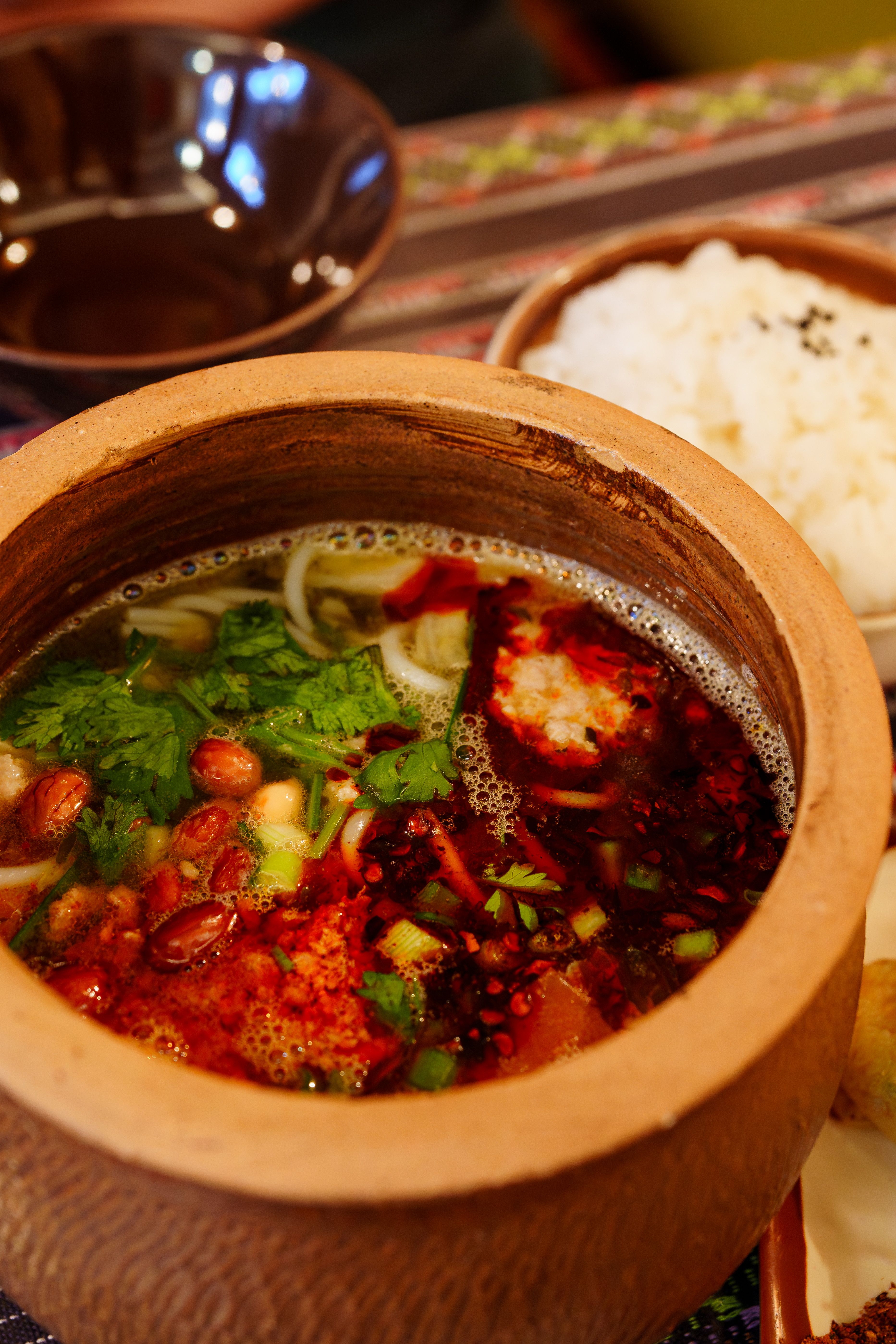
The diets react (see scores below)
Common Ingredients
- Sichuan chili broth
- Sichuan peppercorns
- tofu
- mushrooms
- Napa cabbage
- glass noodles
- beef
- quail eggs
Specific recipes may vary.
Incompatible with 6 of 11 diets
Diet Ratings
Ma La Tang as traditionally served is a mixed bag for keto. The Sichuan chili broth, peppercorns, tofu, mushrooms, Napa cabbage, beef, and quail eggs are largely keto-compatible — low net carbs, good fat and protein content. The critical problem is the glass noodles (mung bean or sweet potato starch), which are high in net carbs and can single-handedly push the dish over the daily limit. A standard serving of glass noodles contributes roughly 25-35g net carbs. Without the noodles, this dish would likely earn an 'approve' rating. The broth may also contain hidden sugars or starches common in restaurant preparations. With modifications (omit glass noodles, verify broth ingredients), this becomes a solid keto meal. As served traditionally, it requires significant caution.
Some lazy keto practitioners argue that a small portion of glass noodles (half serving or less) can fit within a 50g daily carb ceiling if the rest of the day's intake is tightly controlled, and would not automatically disqualify the dish. Strict keto adherents counter that restaurant broths often contain unknown sugar additives making the dish too unpredictable regardless of noodle quantity.
This Ma La Tang contains two clear animal products: beef (animal flesh) and quail eggs (animal-derived). Both are unambiguous disqualifiers under any vegan framework. The dish also contains several excellent plant-based components — Sichuan chili broth, Sichuan peppercorns, tofu, mushrooms, Napa cabbage, and glass noodles — which are all vegan-friendly. However, the presence of beef and quail eggs makes the dish as described incompatible with a vegan diet. A vegan version of Ma La Tang is entirely achievable by omitting the beef and eggs and using a vegetable-based broth.
Ma La Tang contains multiple non-paleo ingredients that disqualify it outright. Tofu is a soy-based legume product, which is strictly excluded from the paleo diet. Glass noodles are typically made from mung bean starch or sweet potato starch — mung beans are legumes, and even sweet potato-based glass noodles are a heavily processed starch product. The Sichuan chili broth almost certainly contains added salt, and commercial broth preparations frequently include MSG, preservatives, and other additives. The paleo-compliant elements — beef, quail eggs, mushrooms, Napa cabbage, and Sichuan peppercorns — are all individually approved, but the dish as a whole cannot be considered paleo due to the tofu and glass noodles forming core structural components, along with a processed broth base.
Ma La Tang is a complex dish that sits uncomfortably within Mediterranean diet principles. On the positive side, it contains several Mediterranean-friendly components: tofu (plant protein), mushrooms, Napa cabbage, and glass noodles (though the latter are refined). However, the dish also includes beef (a red meat that should be limited to a few times per month), and a Sichuan chili broth built on chili oil rather than extra virgin olive oil, which departs from the Mediterranean fat framework. Quail eggs are acceptable in moderation. The spice profile — Sichuan peppercorns and chili broth — is not inherently problematic, but the broth base likely contains significant sodium and possibly processed flavor components. The mixed protein nature, combining beef with tofu and eggs, pulls the dish into moderate territory. If the beef portion is small and the dish is vegetable-forward, it can be an occasional acceptable meal, but it is not a Mediterranean staple.
Some Mediterranean diet interpreters would focus on the abundance of vegetables, tofu, and mushrooms and rate this more favorably, arguing that the plant-forward bowl format aligns with Mediterranean eating patterns regardless of culinary origin. However, stricter clinical guidelines (e.g., PREDIMED-based frameworks) would flag the red meat content and non-olive-oil fat base as meaningful departures.
Ma La Tang is fundamentally incompatible with the carnivore diet. While it contains some carnivore-approved ingredients (beef and quail eggs), the dish is dominated by plant-based components: tofu (soy-based), mushrooms, Napa cabbage, glass noodles (starch-based), and a Sichuan chili broth built on plant spices and peppercorns. The Sichuan chili broth itself is a plant-derived base loaded with Sichuan peppercorns and chili — both explicitly excluded plant foods. Glass noodles are pure starch. Tofu is a processed soy product. This dish cannot be modified into a carnivore meal without essentially replacing the entire recipe. The beef and quail eggs are the only salvageable components, representing a small fraction of the overall dish.
Ma La Tang contains multiple Whole30-excluded ingredients. Tofu is a soy-based product, which falls squarely in the excluded legumes/soy category. Glass noodles (also called cellophane noodles) are typically made from mung bean starch or sweet potato starch — the mung bean variety would be a legume-derived product, and even sweet potato glass noodles function as a grain-like starch noodle that would fall under the 'no noodles/pasta' rule per the program's junk food recreation clause. Additionally, traditional Sichuan chili broth almost always contains doubanjiang (fermented bean paste, a soy/legume product), and often includes soy sauce — both excluded. The dish as commonly prepared cannot be made Whole30-compliant without fundamentally altering its core components.
Ma La Tang contains multiple high-FODMAP ingredients that make it unsuitable during the elimination phase. The Sichuan chili broth almost certainly contains garlic and onion (fructans) as base aromatics — these are fundamental to the dish and cannot be assumed absent. Mushrooms are high-FODMAP due to polyols (mannitol), with even small servings (e.g., shiitake, button) exceeding safe thresholds. Napa cabbage becomes high-FODMAP at typical serving sizes due to fructans. The combination of these ingredients in a shared broth compounds the FODMAP load significantly, as water-soluble FODMAPs (fructans, mannitol) leach into the broth itself, meaning even avoiding the solid mushrooms and onion/garlic pieces does not make the broth safe. Tofu (firm) is low-FODMAP in moderate servings, glass noodles (mung bean) are low-FODMAP, beef is low-FODMAP, quail eggs are low-FODMAP, and Sichuan peppercorns are low-FODMAP — but the problematic ingredients dominate and the broth is the vehicle for concentrated FODMAPs.
Some FODMAP practitioners note that if the broth were made without onion/garlic (substituting garlic-infused oil) and mushrooms were omitted, a modified version could be cautiously low-FODMAP. However, as traditionally prepared and served in restaurants, the broth invariably contains high-FODMAP aromatics, making safe consumption during elimination phase essentially impossible without full ingredient control.
Ma La Tang is a Sichuan spicy broth-based dish whose primary component — the chili broth — is extremely high in sodium, typically delivering 1,500–3,000mg or more per serving from the seasoning base alone, well exceeding even the standard DASH daily sodium ceiling of 2,300mg in a single dish. The broth also contains substantial amounts of chili oil and likely saturated fat from the beef and the richly seasoned base. While several individual ingredients (tofu, mushrooms, Napa cabbage, glass noodles, quail eggs) are DASH-compatible or neutral on their own, the dish as commonly consumed is dominated by a high-sodium, high-fat spiced broth that fundamentally conflicts with DASH principles. The red beef component adds saturated fat, which DASH limits. The overall sodium load is the disqualifying factor regardless of the beneficial vegetables and plant proteins present.
Ma La Tang is a customizable Sichuan hot pot soup with a mixed macro profile that requires careful management to fit Zone ratios. On the positive side, it contains several Zone-favorable ingredients: tofu (lean vegetarian protein), mushrooms and Napa cabbage (low-glycemic, polyphenol-rich vegetables), and beef (moderate lean protein source). Quail eggs add protein and fat. The Sichuan chili broth and peppercorns are low-calorie flavor contributors with potential anti-inflammatory polyphenol benefits. The main Zone challenges are: (1) Glass noodles — these are a moderate-to-high glycemic carbohydrate source (made from starch, typically mung bean or potato starch) that can spike blood sugar, though they have a lower GI than wheat noodles; they count as 'unfavorable' carbs in Zone terminology and need to be portioned to no more than a small serving. (2) The protein mix (beef + tofu + quail eggs) is not inherently problematic but requires portioning to hit the ~25g protein target without excess. (3) The broth may contain significant sodium and potentially seed oils (chili oil often uses omega-6-heavy oils like soybean oil), which conflicts with Zone's anti-inflammatory emphasis. With judicious customization — heavy on vegetables and tofu, light on glass noodles, moderate beef portion, and awareness of the oil base — this dish can be Zone-adapted reasonably well. As typically served in restaurants, the noodle portion tends to be generous and the oil content high, making it a caution rather than an approve.
Some Zone practitioners may rate this higher (6-7) because the dish is highly customizable and the vegetable and tofu base genuinely aligns with Zone principles. Dr. Sears' later anti-inflammatory work (The Zone Diet and Inflammation) emphasizes polyphenol-rich foods, and Sichuan peppercorns and chili peppers are notable polyphenol sources. The glass noodles, while unfavorable, are a relatively small glycemic load compared to other noodle soups if portions are controlled. Conversely, stricter Zone adherents may push this toward avoid (3-4) citing the likely omega-6-heavy chili oil base and high sodium content of restaurant preparations.
Ma La Tang is a Sichuan hot pot-style soup with a genuinely mixed anti-inflammatory profile. On the positive side, the dish contains several standout anti-inflammatory ingredients: tofu (whole soy food, emphasized in anti-inflammatory protocols), Asian mushrooms (strongly anti-inflammatory, immune-modulating beta-glucans), Napa cabbage (cruciferous vegetable with antioxidants and fiber), Sichuan peppercorns (contain hydroxyl-alpha-sanshool and antioxidant compounds), and chili peppers in the broth (capsaicin has demonstrated anti-inflammatory effects). Glass noodles (mung bean starch) are relatively neutral — a refined carbohydrate but lower glycemic than wheat noodles and without gluten. On the cautionary side, beef is a red meat with saturated fat and arachidonic acid, placing it in the 'limit' category. Quail eggs are nutritionally similar to chicken eggs — a debated moderate food. The Sichuan chili broth in restaurant versions is often prepared with substantial amounts of chili oil made from seed oils (typically rapeseed or soybean oil in China), which are high in omega-6 fatty acids and a concern in anti-inflammatory frameworks, though cold-pressed rapeseed oil is less problematic. Sodium content in the broth can also be very high. The dish is also sodium-heavy by nature. Overall, the anti-inflammatory stars (tofu, mushrooms, cabbage, chili spices) are meaningful but offset by beef and likely pro-inflammatory cooking oils in the broth base, landing this dish in 'caution' territory — acceptable occasionally, but not a regular anti-inflammatory staple unless modified (e.g., reducing beef, using a lighter broth base).
Some anti-inflammatory practitioners, particularly those following AIP or autoimmune-focused protocols, would flag the chili peppers and Sichuan peppercorns as potential nightshade/irritant concerns for sensitive individuals, and would push this dish toward 'avoid' due to the chili oil base and red meat. Conversely, practitioners aligned with Dr. Weil's framework would likely view the spice-forward, vegetable- and tofu-rich profile more favorably, noting that capsaicin and polyphenol-rich spices are net anti-inflammatory for the general population.
Ma La Tang offers a genuinely mixed nutritional profile for GLP-1 patients. On the positive side, it contains multiple protein sources (tofu, beef, quail eggs) and high-fiber, easy-to-digest vegetables (Napa cabbage, mushrooms), with a broth base that supports hydration. However, several features create meaningful concerns. The Sichuan chili broth is intensely spicy and built on Sichuan peppercorns — both are known GI irritants that can worsen nausea, reflux, and bloating, which are already common GLP-1 side effects. The broth is also typically very high in sodium, which can cause water retention and negatively affect patients tracking metabolic health markers. Glass noodles are low in protein and fiber — essentially refined starch with minimal nutritional density, which is counterproductive given the reduced calorie budget. Beef, depending on the cut used (often fatty cuts in this dish), adds saturated fat. The cumulative spice load is the primary disqualifier from a higher score — GLP-1 patients with slowed gastric emptying are more vulnerable to prolonged GI irritation from spicy foods than the general population.
Some GLP-1-focused dietitians would rate this more favorably, arguing that the dish can be customized — requesting a milder broth, leaner beef, and more tofu — making it a reasonable high-protein, vegetable-forward meal. The disagreement centers on individual spice tolerance and whether the dish should be rated as typically prepared versus its modifiable potential.
*See how scores were generated at our methodology page.
Nutritional profile
Six traits that cut across every diet.
Fiber & Plants
How much whole-plant food and fiber it delivers.
Healthy Fats
The quality of its fats (unsaturated, omega-3).
Whole / Unprocessed
How close it is to its natural, unprocessed form.
Gut Gentle
How easy it is on digestion (low FODMAP, few irritants).
Low Glycemic
How little it spikes your blood sugar.
Protein Density
How much protein it packs per calorie.
Controversy Index
Higher controversy = more disagreement between diets.
Diet-Specific Tips
 Keto — 4/10
View tips
- Glass noodles are high net-carb (25-35g per serving) and are the primary disqualifying ingredient
- Broth may contain hidden sugars or starch thickeners common in restaurant-style preparations
- Beef, quail eggs, and tofu provide solid keto-friendly protein and fat
- Napa cabbage and mushrooms are low net-carb vegetables suitable for keto
- Dish is highly modifiable — omitting noodles and verifying broth makes it keto-approachable
- Sichuan peppercorns and chili are keto-neutral spices
 Mediterranean — 4/10
View tips
- Contains beef (red meat), which should be limited to a few times per month
- Tofu, mushrooms, and Napa cabbage are Mediterranean-compatible plant foods
- Broth base uses chili oil, not extra virgin olive oil — deviates from primary fat guideline
- Glass noodles are refined carbohydrates with minimal nutritional benefit
- Quail eggs are acceptable in moderation
- High sodium content likely from the spiced broth
- Overall dish is vegetable-inclusive but not plant-forward by design
 Zone — 5/10
View tips
- Glass noodles are 'unfavorable' high-starch carbs that raise glycemic load — must be minimized
- Tofu and mushrooms are Zone-favorable protein and vegetable components
- Napa cabbage is an excellent low-glycemic colorful vegetable aligned with Zone's 8 vegetable servings goal
- Chili oil base likely uses omega-6 seed oils (soybean/vegetable oil), conflicting with Zone's anti-inflammatory fat guidelines
- Mixed protein sources (beef, tofu, quail eggs) are manageable but require portioning discipline to hit ~25g protein target
- Sichuan peppercorns and chili peppers provide polyphenols consistent with Sears' anti-inflammatory focus
- High sodium content in restaurant broth is a practical concern though not directly a Zone macro issue
- Highly customizable dish — Zone compatibility depends heavily on ingredient ratios chosen
 Anti-Inflammatory — 5/10
View tips
- POSITIVE: Tofu — whole soy food, emphasized in anti-inflammatory protocols
- POSITIVE: Asian mushrooms — beta-glucans, immune-modulating, strongly anti-inflammatory
- POSITIVE: Napa cabbage — cruciferous vegetable, antioxidants, fiber
- POSITIVE: Sichuan peppercorns and chili — capsaicin and polyphenols with anti-inflammatory effects
- CAUTION: Beef — red meat, saturated fat, limit per anti-inflammatory guidelines
- CAUTION: Quail eggs — moderate, mixed evidence similar to chicken eggs
- CAUTION: Broth/chili oil base — likely made with seed oils (high omega-6) in restaurant versions
- CAUTION: High sodium content typical in commercial Ma La Tang broth
 GLP-1 Friendly — 5/10
View tips
- High spice load from Sichuan chili broth and peppercorns — significant GI irritant risk on GLP-1
- Very high sodium content typical of this broth style
- Good protein variety: tofu, beef, and quail eggs contribute meaningful protein
- High-fiber, easy-to-digest vegetables (Napa cabbage, mushrooms) are GLP-1-friendly
- Glass noodles are low-protein, low-fiber refined starch — poor nutritional density
- Beef cut is typically unspecified and may be fatty, adding saturated fat
- Broth base supports hydration goals
- Dish is highly customizable, which improves or worsens the rating depending on preparation