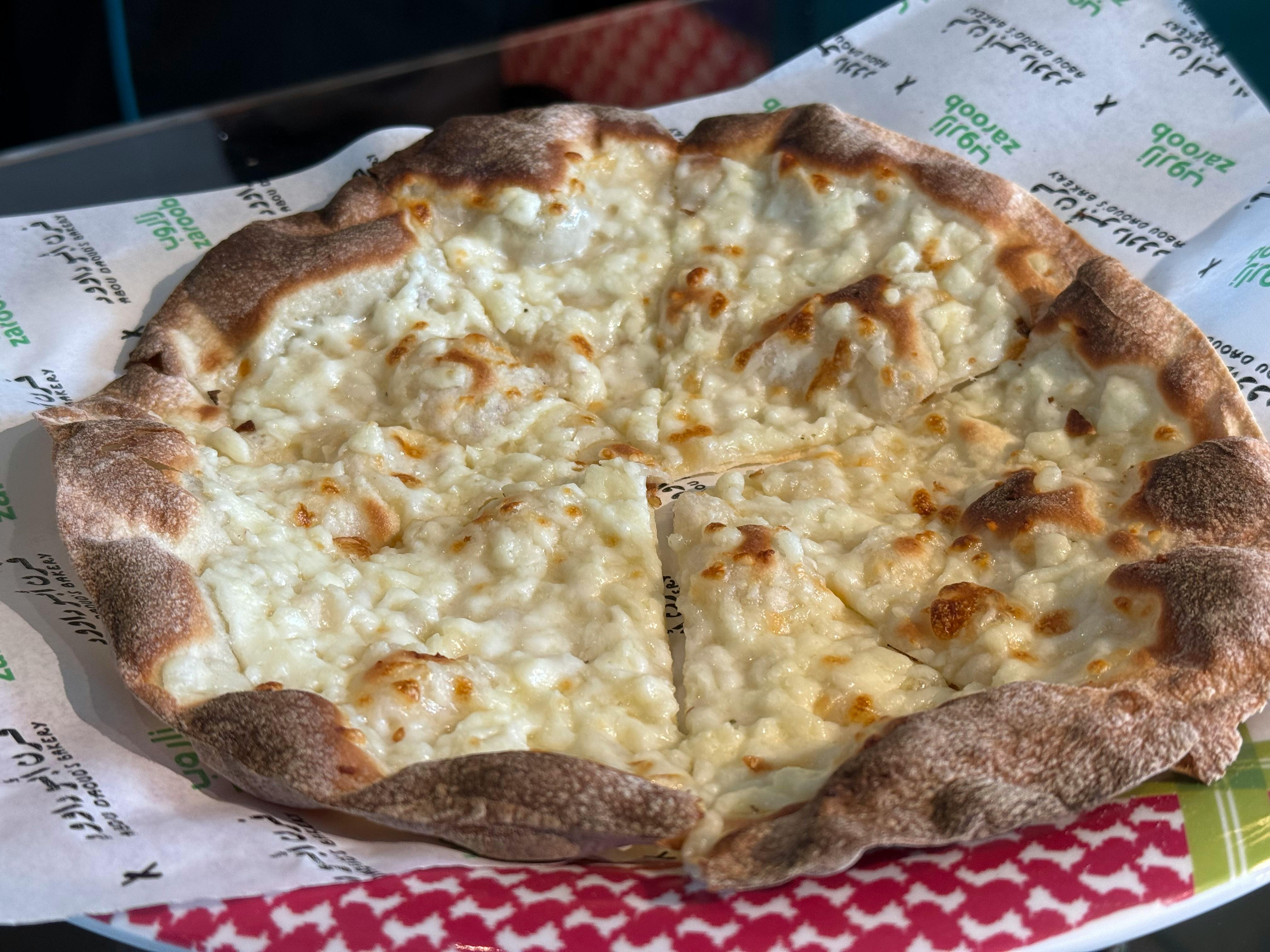
Photo: Anthony Rahayel / Pexels
Middle-Eastern
Manakish Cheese
The diets react (see scores below)
Common Ingredients
- bread dough
- akkawi
- mozzarella
- olive oil
- nigella seeds
- yogurt
- salt
- sesame seeds
Specific recipes may vary.
Incompatible with 6 of 11 diets
Diet Ratings
Manakish Cheese is fundamentally built on bread dough, a grain-based, high-carbohydrate base that is entirely incompatible with ketogenic eating. A single piece of manakish can contain 30-50g or more of net carbs from the dough alone, easily exceeding the entire daily keto carb allowance. While some ingredients — akkawi cheese, mozzarella, olive oil, yogurt, nigella seeds, and sesame seeds — are keto-friendly or at least neutral, the bread dough is a non-negotiable disqualifier. There is no portion size small enough to make this dish keto-compatible while still consuming a meaningful serving.
Manakish Cheese contains multiple animal-derived dairy products that are strictly excluded from a vegan diet. Akkawi is a brined white cheese made from cow's or sheep's milk, mozzarella is a dairy cheese, and yogurt is a fermented dairy product. All three are direct animal products with no ambiguity in vegan classification. The remaining ingredients — bread dough, olive oil, nigella seeds, sesame seeds, and salt — are all plant-based, but the presence of three distinct dairy ingredients makes this dish clearly non-vegan. Vegan versions could theoretically be made using plant-based cheese alternatives and dairy-free yogurt.
Manakish Cheese is fundamentally incompatible with the Paleolithic diet. The dish is built on bread dough, which is a grain-based product — one of the clearest 'avoid' categories in paleo. Beyond the dough, it contains multiple dairy ingredients (akkawi cheese, mozzarella, and yogurt), all of which are excluded from paleo as post-agricultural, processed animal products. Added salt is also a paleo exclusion. The only paleo-compliant ingredients in this dish are olive oil, nigella seeds, and sesame seeds. With the majority of ingredients being hard disqualifiers — grains and dairy — this dish scores at the very bottom of the rating scale.
Manakish cheese is a traditional Levantine flatbread topped with cheese (akkawi and mozzarella), olive oil, sesame and nigella seeds, and yogurt. The olive oil, sesame seeds, nigella seeds, and yogurt are all Mediterranean-friendly ingredients. However, the dish is built on refined bread dough (likely white flour), which is a refined grain not emphasized in Mediterranean diet guidelines. The dairy component (akkawi and mozzarella) is moderate and acceptable occasionally, but combined with the refined grain base, this dish doesn't qualify as a staple. It sits in the 'caution' zone — enjoyable occasionally, especially given its whole-food ingredients and absence of processed additives, but not ideal as a frequent snack due to the refined grain base and relatively high cheese content.
Some traditional Levantine and Eastern Mediterranean dietary patterns regularly include flatbreads like manakish as part of a balanced diet rich in vegetables and legumes, and regional authorities may view such dishes as culturally appropriate and acceptable when consumed alongside plant-forward meals. Modern clinical guidelines, however, consistently recommend limiting refined grain products in favor of whole grain alternatives.
Manakish Cheese is fundamentally incompatible with the carnivore diet. The dish is built on bread dough (a grain-based food), which is one of the most excluded items on any carnivore protocol. Olive oil is a plant-derived fat, strictly forbidden. Nigella seeds and sesame seeds are plant seeds, also excluded. While akkawi cheese, mozzarella, and yogurt are animal-derived dairy products that some carnivore practitioners debate, they are entirely overshadowed here by the dominant plant-based ingredients. This dish is essentially a flatbread — a carbohydrate-heavy, plant-heavy snack with only minor dairy components. There is unanimous consensus across all carnivore tiers that bread, grains, plant oils, and seeds must be avoided.
Manakish Cheese contains multiple excluded ingredients that make it clearly non-compliant with Whole30. First, bread dough is a grain-based product (typically wheat flour), which is explicitly excluded. Second, akkawi and mozzarella are both dairy cheeses, which are excluded (only ghee and clarified butter are allowed as dairy exceptions). Third, yogurt is an excluded dairy product. Even setting aside the dairy violations, the bread dough alone disqualifies this dish as a grain-containing food, and the resulting flatbread would also fall under the 'no recreating baked goods' rule (Rule 4). This dish has no pathway to compliance.
Manakish Cheese contains multiple high-FODMAP ingredients that make it unsuitable during the elimination phase. The primary concern is the bread dough, which is almost certainly wheat-based — wheat is high-FODMAP due to fructans, and a standard flatbread serving would exceed safe fructan thresholds. Akkawi cheese is a brined, fresh-style cheese similar to halloumi or feta in texture, and while some hard/aged cheeses are low-FODMAP due to minimal lactose, akkawi is a soft fresh cheese with meaningful lactose content, making it a concern. Yogurt is also a lactose-containing dairy product that is high-FODMAP at standard quantities. Together, the wheat dough + soft fresh cheese + yogurt create a triple FODMAP load (fructans + lactose + lactose). Mozzarella in small amounts can be low-FODMAP (it is relatively low in lactose), and olive oil, nigella seeds, sesame seeds, and salt are all low-FODMAP. However, the problematic ingredients — wheat dough and the two lactose sources — are structural to the dish and cannot be avoided at any reasonable serving size.
Some FODMAP practitioners note that long-fermented or sourdough-style flatbreads may have reduced fructan content, and if akkawi and yogurt are used in small quantities, the lactose load could theoretically be lower. However, Monash University testing consistently flags wheat-based bread and fresh soft cheeses as high-FODMAP at standard servings, making this dish a clear avoid during strict elimination for most individuals.
Manakish Cheese presents a mixed DASH diet profile. On the positive side, olive oil is a heart-healthy unsaturated fat endorsed by DASH principles, and sesame and nigella seeds contribute beneficial minerals and fiber. However, the dish has several DASH concerns: Akkawi cheese is a brined Middle Eastern cheese that is notably high in sodium — a direct conflict with DASH's core sodium-reduction goal. Mozzarella adds moderate saturated fat and additional sodium. The bread dough, unless made from whole grain flour, contributes refined carbohydrates rather than the whole grains DASH emphasizes. The combination of two cheeses also raises the saturated fat load, which DASH limits. Yogurt is a DASH-friendly ingredient if low-fat, but its role here is minor. Overall, this is an occasional food that can fit into a DASH pattern in small portions if low-sodium cheese variants and whole-grain dough are used, but as commonly prepared it requires meaningful caution.
NIH DASH guidelines explicitly limit high-sodium cheeses and refined grains, making standard manakish cheese a cautious choice at best. However, some DASH-oriented clinicians note that Mediterranean-style eating patterns — which overlap significantly with DASH — accommodate modest amounts of traditional cheese dishes like manakish when sodium is managed through preparation (e.g., soaking akkawi to reduce salt content, using whole-grain dough), and that the olive oil and seed components provide meaningful cardiovascular benefit.
Manakish Cheese is a Middle Eastern flatbread topped with cheese (akkawi and mozzarella), olive oil, sesame seeds, nigella seeds, and yogurt. From a Zone perspective, this dish presents a mixed macro profile. The bread dough base is a high-glycemic refined carbohydrate — exactly the type Zone labels 'unfavorable' — and it dominates the carbohydrate load, making blood sugar control challenging. The cheeses (akkawi and mozzarella) provide protein and fat but are relatively high in saturated fat, which Zone traditionally limits in favor of lean proteins. On the positive side, olive oil is an ideal Zone monounsaturated fat, sesame seeds add some beneficial fats and micronutrients, yogurt contributes modest protein, and nigella seeds have anti-inflammatory polyphenol value Sears would appreciate. The macro ratio skews heavily toward carbs (from bread) and fat (from cheese + oil) with insufficient lean protein to achieve the 40/30/30 Zone balance. As a snack, it would be difficult to portion into proper Zone blocks without meaningfully reducing the bread component. A small portion with a controlled bread amount, paired with extra lean protein on the side, could approximate Zone balance, but as typically prepared and consumed it does not align well with Zone principles.
Some Zone practitioners argue that small portions of full-fat dairy like mozzarella can be accommodated in a Zone meal framework, particularly in the context of Sears' later anti-inflammatory writing which softened the strict low-saturated-fat stance. The yogurt ingredient also adds a fermented dairy benefit. If made with whole-grain or thin flatbread and consumed in a very small portion (half a piece) alongside a lean protein source, a case could be made for a score of 5-6.
Manakish Cheese presents a mixed anti-inflammatory profile. On the positive side, olive oil is a cornerstone anti-inflammatory fat rich in oleocanthal and oleic acid, and both sesame seeds and nigella seeds (black seed) carry notable anti-inflammatory properties — nigella sativa in particular has been studied for its thymoquinone content, which has demonstrated anti-inflammatory activity. Yogurt provides beneficial probiotics that can support gut health and modulate inflammatory pathways. However, the dish is built on a refined bread dough base, which is a refined carbohydrate and a meaningful pro-inflammatory element. The cheese component — a combination of akkawi (a brined, full-fat white cheese) and mozzarella — introduces saturated fat and full-fat dairy, both of which fall in the 'limit' category under anti-inflammatory guidelines. The overall dish is not a nutritional disaster, but the refined dough and full-fat cheese prevent it from earning an 'approve' rating. The positive contributions of olive oil, nigella seeds, sesame seeds, and yogurt keep it solidly in the moderate/caution range rather than pushing it toward 'avoid.' Portion size matters significantly here — as an occasional snack with meaningful spice and fat quality benefits, it is acceptable in moderation.
Some anti-inflammatory practitioners (including those aligned with Mediterranean diet principles, which overlaps substantially with Dr. Weil's framework) would be more permissive here, noting that the combination of olive oil, fermented dairy (yogurt), and anti-inflammatory seeds in a traditional whole-food preparation is preferable to ultra-processed snack foods. Others following stricter anti-inflammatory or autoimmune protocols would rate this more negatively due to refined grain content and full-fat dairy.
Manakish cheese is a flatbread topped with melted akkawi and mozzarella cheeses, olive oil, and seeds. It provides a moderate amount of protein from the dairy cheeses and contains beneficial unsaturated fats from olive oil, plus small amounts of fiber and micronutrients from sesame and nigella seeds. However, the foundation is refined bread dough — a low-fiber, high-glycemic refined carbohydrate that offers poor nutrient density per calorie, which is particularly problematic for GLP-1 patients eating smaller volumes. The fat content from two cheeses plus olive oil is meaningful and may worsen nausea, bloating, or reflux given GLP-1-slowed gastric emptying. The yogurt component, if used as a base or side, adds a positive protein and probiotic element. Overall, this is not an ideal GLP-1 snack due to its refined carb base, moderate-to-high fat load, and modest protein-per-calorie ratio, but it is not categorically harmful if consumed as a small portion and paired with a higher-protein side. The seeds add minimal but real nutritional value.
Some GLP-1-focused dietitians would allow cheese-based dishes in moderation because dairy provides bioavailable protein and calcium, and total fat intake matters more than fat per item when overall meal volume is already reduced. Others flag that the refined dough base and combined fat load from two cheeses and oil make this a poor choice given the limited caloric budget of GLP-1 patients, and would recommend avoiding it in favor of higher protein-to-calorie options.
*See how scores were generated at our methodology page.
Nutritional profile
Six traits that cut across every diet.
Fiber & Plants
How much whole-plant food and fiber it delivers.
Healthy Fats
The quality of its fats (unsaturated, omega-3).
Whole / Unprocessed
How close it is to its natural, unprocessed form.
Gut Gentle
How easy it is on digestion (low FODMAP, few irritants).
Low Glycemic
How little it spikes your blood sugar.
Protein Density
How much protein it packs per calorie.
Controversy Index
Higher controversy = more disagreement between diets.
Diet-Specific Tips
 Mediterranean — 5/10
View tips
- Refined bread dough is a refined grain, not aligned with Mediterranean whole grain emphasis
- Olive oil is a core Mediterranean ingredient and used here as primary fat
- Akkawi and mozzarella are dairy — acceptable in moderation per Mediterranean guidelines
- Sesame seeds and nigella seeds are nutritious, Mediterranean-compatible additions
- Yogurt adds a fermented dairy element, modest Mediterranean approval
- No processed ingredients, added sugars, or red meat — a relatively clean snack
- Traditional Levantine dish, culturally adjacent to Mediterranean cuisine
 DASH — 4/10
View tips
- Akkawi cheese is a high-sodium brined cheese, conflicting with DASH sodium limits (<2,300mg/day)
- Two-cheese combination (akkawi + mozzarella) elevates saturated fat content beyond DASH ideals
- Olive oil aligns well with DASH heart-healthy fat recommendations
- Bread dough is likely refined flour — DASH emphasizes whole grains
- Sesame and nigella seeds contribute fiber, magnesium, and calcium consistent with DASH
- Yogurt is DASH-compatible if low-fat
- Soaking akkawi in water can substantially reduce sodium and improve DASH compatibility
- Portion size is critical — a small serving is more compatible than a full manakish
 Zone — 4/10
View tips
- Refined wheat bread dough is a high-glycemic 'unfavorable' carbohydrate in Zone terminology
- Akkawi and mozzarella are moderate protein sources but high in saturated fat — not the lean protein Zone prefers
- Olive oil is an ideal Zone monounsaturated fat — a positive factor
- Macro ratio skews carb-heavy and fat-heavy with insufficient lean protein for 40/30/30 balance
- Yogurt contributes some protein and fits Zone dairy allowances
- Sesame and nigella seeds add polyphenols and beneficial fats consistent with Zone anti-inflammatory principles
- As a snack, typical portion sizes make Zone-block compliance very difficult without significant modification
 Anti-Inflammatory — 5/10
View tips
- Olive oil: strong anti-inflammatory fat (oleocanthal, oleic acid) — positive
- Nigella seeds: contain thymoquinone, studied for anti-inflammatory properties — positive
- Sesame seeds: contain sesamin and sesamol with antioxidant activity — positive
- Yogurt: probiotic content supports gut-immune axis — mildly positive
- Refined bread dough: high glycemic load, pro-inflammatory refined carbohydrate — negative
- Akkawi + mozzarella: full-fat dairy with saturated fat — falls in 'limit' category
- No significant omega-3 sources, no vegetables or fruits — missed anti-inflammatory opportunity
 GLP-1 Friendly — 4/10
View tips
- Refined bread dough base is low in fiber and high in rapidly digestible carbohydrates — poor nutrient density per calorie
- Combined fat from akkawi, mozzarella, and olive oil may worsen GLP-1 side effects including nausea and bloating
- Moderate protein from two dairy cheeses, but protein-per-calorie ratio is low compared to GLP-1 priorities
- Olive oil provides beneficial unsaturated fats, but adds to overall fat load
- Sesame and nigella seeds contribute small amounts of fiber, healthy fats, and micronutrients
- Yogurt ingredient is a positive addition if present in meaningful quantity — adds protein and probiotics
- Slowed gastric emptying on GLP-1s means the combined fat and refined carb load may cause prolonged discomfort
- Small portion could make this acceptable occasionally, but poor snack choice for meeting daily protein and fiber targets