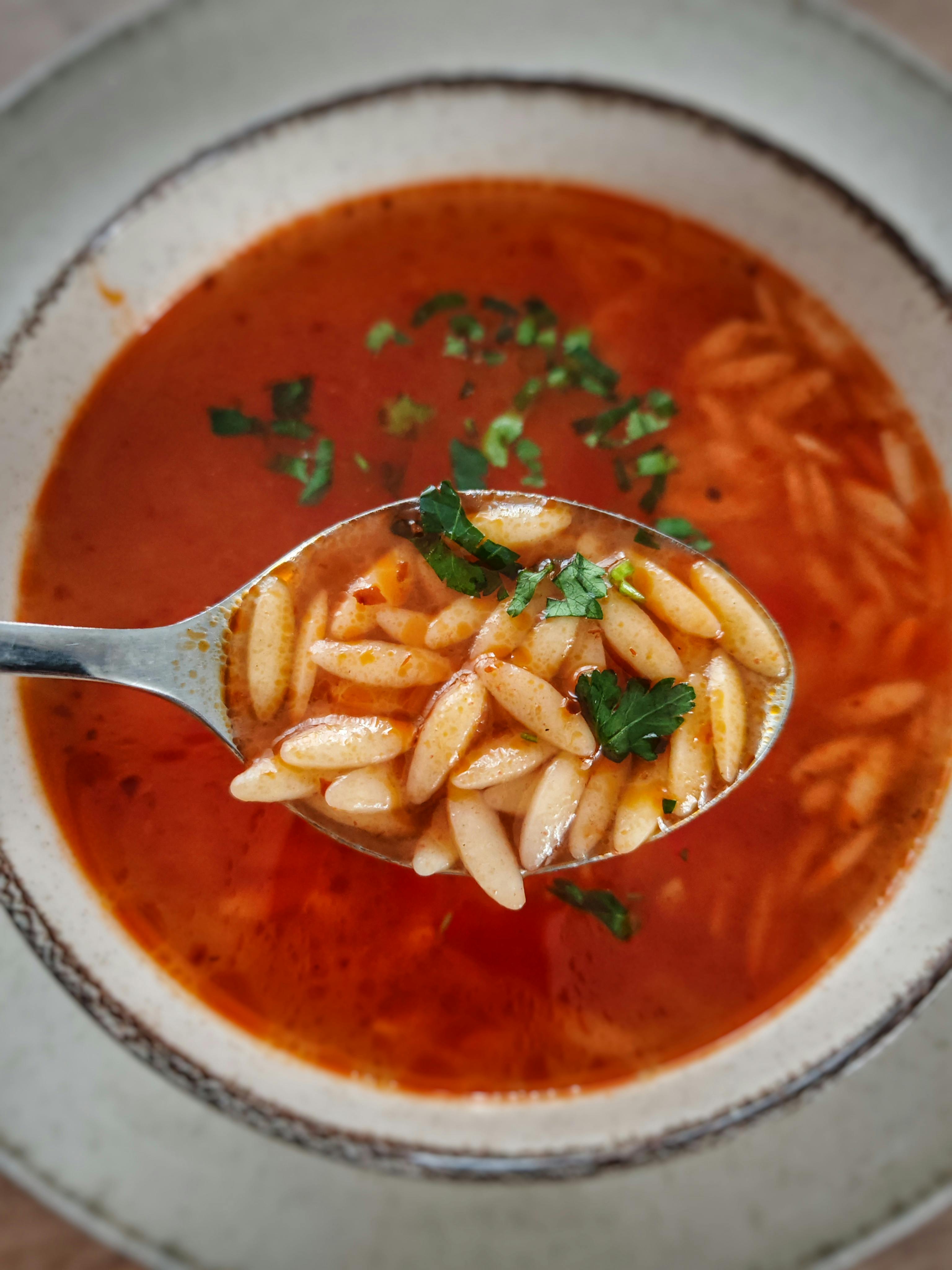
Mediterranean
Mediterranean White Bean Soup
The diets react (see scores below)
Common Ingredients
- cannellini beans
- tomatoes
- carrots
- celery
- garlic
- rosemary
- olive oil
- vegetable broth
Specific recipes may vary.
Incompatible with 5 of 11 diets
Diet Ratings
Mediterranean White Bean Soup is fundamentally incompatible with a ketogenic diet. Cannellini beans are the primary ingredient and are extremely high in net carbs — a single cup of cooked cannellini beans contains roughly 35-40g of net carbs, which alone would exhaust or exceed the entire daily keto carb allowance. The other ingredients (carrots, tomatoes) add additional net carbs. While olive oil and vegetable broth are keto-friendly, they cannot offset the carbohydrate load from the beans. This dish cannot be made keto-compliant without fundamentally replacing the primary ingredient.
Mediterranean White Bean Soup is entirely plant-based. Every ingredient — cannellini beans, tomatoes, carrots, celery, garlic, rosemary, olive oil, and vegetable broth — is derived from plants with no animal products or animal-derived additives. The dish is built around whole foods with cannellini beans providing a substantial protein and fiber source, supported by nutrient-dense vegetables and aromatic herbs. The use of vegetable broth (rather than chicken or bone broth) confirms full vegan compliance. This is precisely the kind of whole-food, plant-based meal that vegan advocates across all camps — ethical, health-focused, and environmental — would enthusiastically endorse.
Mediterranean White Bean Soup is incompatible with the Paleo diet primarily due to cannellini beans, a legume that is explicitly excluded from Paleo eating. Legumes contain lectins, phytates, and other anti-nutrients that Paleo advocates argue impair digestion and nutrient absorption — and were not a staple of Paleolithic diets in their cultivated form. The remaining ingredients (tomatoes, carrots, celery, garlic, rosemary, olive oil) are all Paleo-compliant, but the cannellini beans are a non-negotiable disqualifier. Vegetable broth may also contain added salt or preservatives depending on preparation, which would be a secondary concern.
Mediterranean White Bean Soup is a quintessential Mediterranean dish. Every ingredient aligns perfectly with core Mediterranean diet principles: cannellini beans provide plant-based protein and fiber, tomatoes, carrots, celery, and garlic deliver vegetables and phytonutrients, rosemary is a traditional Mediterranean herb, and extra virgin olive oil serves as the primary fat. The vegetable broth base keeps it light and whole-food focused. There are no processed ingredients, refined grains, added sugars, or animal products that would reduce its rating. This dish could be eaten daily as part of an ideal Mediterranean eating pattern.
Mediterranean White Bean Soup is entirely plant-based and contains zero animal products. Every single ingredient — cannellini beans, tomatoes, carrots, celery, garlic, rosemary, olive oil, and vegetable broth — is explicitly excluded on the carnivore diet. Legumes like cannellini beans are among the most anti-carnivore foods due to their plant protein, antinutrients (lectins, phytates), and high carbohydrate content. The vegetable broth replaces the only broth acceptable on carnivore (bone broth). Olive oil is a plant-derived fat, excluded in favor of tallow or lard. This dish is incompatible with carnivore principles at every level.
Cannellini beans are legumes, which are explicitly excluded from the Whole30 program. Unlike green beans, sugar snap peas, and snow peas — which are specifically excepted — cannellini beans (white kidney beans) fall squarely in the excluded legume category. All other ingredients (tomatoes, carrots, celery, garlic, rosemary, olive oil, vegetable broth) are Whole30-compliant, but the primary protein and namesake ingredient of this dish is a clear disqualifier.
This soup contains multiple high-FODMAP ingredients that make it unsuitable during the elimination phase. Cannellini beans are high in GOS (galacto-oligosaccharides) and are high-FODMAP at any realistic serving size for a soup — a standard soup portion would far exceed the Monash-tested low-FODMAP threshold of around 40g (canned, drained). Garlic is one of the highest-FODMAP foods tested by Monash, rich in fructans, and is high-FODMAP at even trace amounts when cooked into a dish. Vegetable broth commonly contains onion and/or garlic as base ingredients, adding further fructan load. Celery becomes high-FODMAP at portions above ~75g (one stalk) due to polyols (mannitol), which is easily exceeded in a soup. The remaining ingredients (tomatoes at standard amounts, carrots, rosemary, olive oil) are low-FODMAP, but the combination of beans, garlic, and likely onion-containing broth makes this dish a high-FODMAP meal overall.
Mediterranean White Bean Soup is strongly aligned with DASH diet principles. Cannellini beans provide plant-based protein, fiber, potassium, and magnesium — all core DASH nutrients. The vegetable base (tomatoes, carrots, celery, garlic) contributes additional potassium, fiber, and antioxidants. Olive oil is a heart-healthy unsaturated fat consistent with DASH guidelines on vegetable oils. The primary concern is the vegetable broth, which in its standard commercial form can contain 500–900mg sodium per cup, potentially pushing the dish into a high-sodium range. Homemade or low-sodium broth would elevate this dish to a near-ideal DASH meal. Rated as 'medium' confidence because the sodium content is highly preparation-dependent, and the dish as described could range from DASH-excellent to borderline depending on broth choice.
NIH DASH guidelines strongly support this dish's ingredient profile (legumes, vegetables, olive oil), but updated clinical interpretation flags that commercial vegetable broths often contain 600–900mg sodium per cup — a single bowl could approach or exceed half the daily sodium budget. Some DASH clinicians would rate this 'caution' unless low-sodium broth is specified, while others accept it given the otherwise exceptional nutrient density and the ability to dilute or substitute broth easily.
Mediterranean White Bean Soup is a nutritionally solid dish that aligns well with several Zone principles but requires careful portioning due to the dual protein/carbohydrate nature of beans. Cannellini beans are a vegetarian protein source but are also relatively high in carbohydrates (net carbs after fiber), meaning they simultaneously count toward both protein and carb blocks. This makes macro balancing trickier than with pure lean protein sources. The Zone block math for vegetarian protein uses a larger fat block (3g fat per block vs 1.5g for animal protein), and olive oil in this soup is an excellent monounsaturated fat source that fits perfectly. The supporting vegetables — tomatoes, carrots, celery, garlic — are low-glycemic and Zone-favorable, though carrots are moderately glycemic and should be noted. The dish lacks a concentrated lean protein source, so achieving the 30% protein target from beans alone requires a large serving, which would simultaneously push carbohydrates too high unless the soup is a modest portion supplemented by additional lean protein. Overall, this soup is a Zone-compatible meal component with proper portioning — approximately 1 cup of soup alongside added lean protein (fish, chicken, egg whites) would better complete the macro balance.
Zone practitioners who follow Sears' vegetarian Zone protocols may rate this more favorably, as beans are explicitly acknowledged as a valid vegetarian protein-carb combo source. In 'The Anti-Inflammation Zone,' Sears also highlights polyphenol-rich Mediterranean diets positively, which this soup exemplifies. Some Zone coaches would approve this as a complete light meal at a controlled 1-cup serving, counting beans as the protein-carb combo block without requiring additional protein supplementation.
Mediterranean White Bean Soup is an exemplary anti-inflammatory dish. Cannellini beans provide fiber, plant protein, and polyphenols that support a healthy gut microbiome and reduce inflammatory markers like CRP. Tomatoes contribute lycopene (a potent carotenoid antioxidant, especially bioavailable when cooked), while carrots add beta-carotene and celery provides apigenin and luteolin — both flavonoids with anti-inflammatory properties. Garlic contains allicin and organosulfur compounds well-documented for reducing inflammatory cytokines. Rosemary is rich in rosmarinic acid and carnosol, which inhibit COX-2 inflammatory pathways. Extra virgin olive oil is a cornerstone of the anti-inflammatory diet, providing oleocanthal (a natural COX inhibitor similar to ibuprofen) and oleic acid. Vegetable broth adds depth without introducing pro-inflammatory ingredients. The entire ingredient list aligns with Dr. Weil's Anti-Inflammatory Food Pyramid — legumes, colorful vegetables, herbs, and EVOO are all explicitly emphasized. No refined carbohydrates, added sugars, seed oils, or processed ingredients are present. This dish represents the Mediterranean dietary pattern, which has the most robust research base linking it to reduced systemic inflammation.
Mediterranean White Bean Soup is a strong GLP-1-friendly choice. Cannellini beans deliver both solid plant-based protein (roughly 15g per cup) and high fiber (about 12g per cup), directly addressing the top two nutritional priorities for GLP-1 patients. The broth base keeps fat low and makes the dish easy to digest, while also contributing meaningful hydration — important given reduced thirst sensation on GLP-1 medications. Tomatoes, carrots, and celery add micronutrients, additional fiber, and water content with minimal caloric load. Olive oil is a preferred unsaturated fat and is likely used in modest amounts for sautéing aromatics. Garlic and rosemary are well-tolerated flavor enhancers. The soup format is inherently small-portion-friendly and gentle on a slowed digestive system. The primary limitation is that beans alone may not meet the 15-30g protein-per-meal target for all patients — pairing with a lean protein (e.g., a small portion of shredded chicken or a side of Greek yogurt) would optimize the meal for muscle preservation.
Some GLP-1-focused dietitians flag legume-heavy meals as a potential gas and bloating trigger in patients already experiencing GI side effects from slowed gastric emptying, and may recommend limiting portion size or ensuring beans are thoroughly cooked and well-rinsed. Others consider beans an ideal GLP-1 food precisely because their fiber and resistant starch support the gut microbiome and glycemic stability, and accept mild GI adjustment as transient.
*See how scores were generated at our methodology page.
Nutritional profile
Six traits that cut across every diet.
Fiber & Plants
How much whole-plant food and fiber it delivers.
Healthy Fats
The quality of its fats (unsaturated, omega-3).
Whole / Unprocessed
How close it is to its natural, unprocessed form.
Gut Gentle
How easy it is on digestion (low FODMAP, few irritants).
Low Glycemic
How little it spikes your blood sugar.
Protein Density
How much protein it packs per calorie.
Controversy Index
Higher controversy = more disagreement between diets.
Diet-Specific Tips
 Vegan — 9/10
View tips
- All ingredients are whole plant foods — no processing concerns
- Cannellini beans provide complete nutritional protein and fiber
- Vegetable broth confirmed — no animal-based stock used
- Olive oil is plant-derived and uncontested in vegan ethics
- No hidden animal-derived ingredients (e.g., no dairy, no gelatin, no egg-based thickeners)
- Scores 9/10 rather than 10 only because olive oil is a refined fat rather than a whole food, a minor concern for strict whole-food plant-based advocates
 Mediterranean — 10/10
View tips
- Cannellini beans are a staple legume in Mediterranean cuisine, providing plant-based protein and fiber
- All vegetables (tomatoes, carrots, celery, garlic) are core Mediterranean diet components
- Extra virgin olive oil is used as the primary fat, exactly as prescribed
- No processed ingredients, refined grains, or added sugars
- Rosemary is a traditional Mediterranean herb widely used in Italian and Southern European cooking
- Vegetable broth keeps the dish entirely plant-based
- Dish closely mirrors traditional Italian ribollita and fagioli-style soups
 DASH — 8/10
View tips
- Cannellini beans are an ideal DASH food: high fiber, potassium, magnesium, and plant protein
- No saturated fat, no red meat, no full-fat dairy — fully consistent with DASH fat guidelines
- Olive oil aligns with DASH emphasis on unsaturated vegetable oils
- Tomatoes and carrots contribute potassium and antioxidants supporting cardiovascular health
- Standard commercial vegetable broth is the key sodium risk — can contribute 600–900mg+ per serving
- Low-sodium or homemade broth would raise this score to 9–10
- Rosemary and garlic add flavor without sodium, supporting DASH's herb-over-salt approach
- Portion control still applies — beans are calorie-dense and count toward legume/protein servings
 Zone — 6/10
View tips
- Cannellini beans serve as both protein and carbohydrate blocks simultaneously — harder to balance macros than pure protein sources
- Olive oil provides ideal monounsaturated fat — Zone-perfect fat source
- Tomatoes, celery, garlic are low-glycemic Zone-favorable vegetables
- Carrots are moderately glycemic and should be portioned carefully
- No concentrated lean animal protein present — achieving 30% protein calorie target from beans alone is challenging without large portions that overshoot carb blocks
- High polyphenol and anti-inflammatory profile aligns with Sears' later Zone Anti-Inflammation work
- Vegetable broth is neutral and Zone-compatible
- Best used as a component of a Zone meal, supplemented with lean protein, or consumed in controlled ~1 cup portions
 Anti-Inflammatory — 9/10
View tips
- Cannellini beans: high-fiber legume, reduces CRP and supports anti-inflammatory gut microbiome
- Extra virgin olive oil: oleocanthal inhibits COX-1 and COX-2 inflammatory enzymes
- Tomatoes: rich in lycopene, bioavailability enhanced by cooking
- Garlic: organosulfur compounds (allicin) suppress pro-inflammatory cytokines TNF-α and IL-6
- Rosemary: rosmarinic acid and carnosol inhibit COX-2 pathways
- Carrots and celery: carotenoids and flavonoids (beta-carotene, apigenin, luteolin) with antioxidant activity
- No pro-inflammatory ingredients: no refined carbs, seed oils, added sugar, or processed additives
- Aligns fully with Mediterranean dietary pattern linked to reduced systemic inflammation in large cohort studies
 GLP-1 Friendly — 8/10
View tips
- High fiber from cannellini beans supports digestion and prevents constipation
- Moderate plant protein (~15g/cup beans) addresses muscle preservation priority
- Broth base is low fat and hydrating — well-suited to GLP-1 digestive slowing
- Olive oil provides preferred unsaturated fat in likely modest amounts
- Easy to digest in soup form; gentle on slowed gastric emptying
- May fall short of 15-30g protein-per-meal target without a supplemental protein source
- No high-fat, fried, spicy, or high-sugar ingredients — no GLP-1 side effect triggers