Photo: Ali Dashti / Pexels
Mediterranean
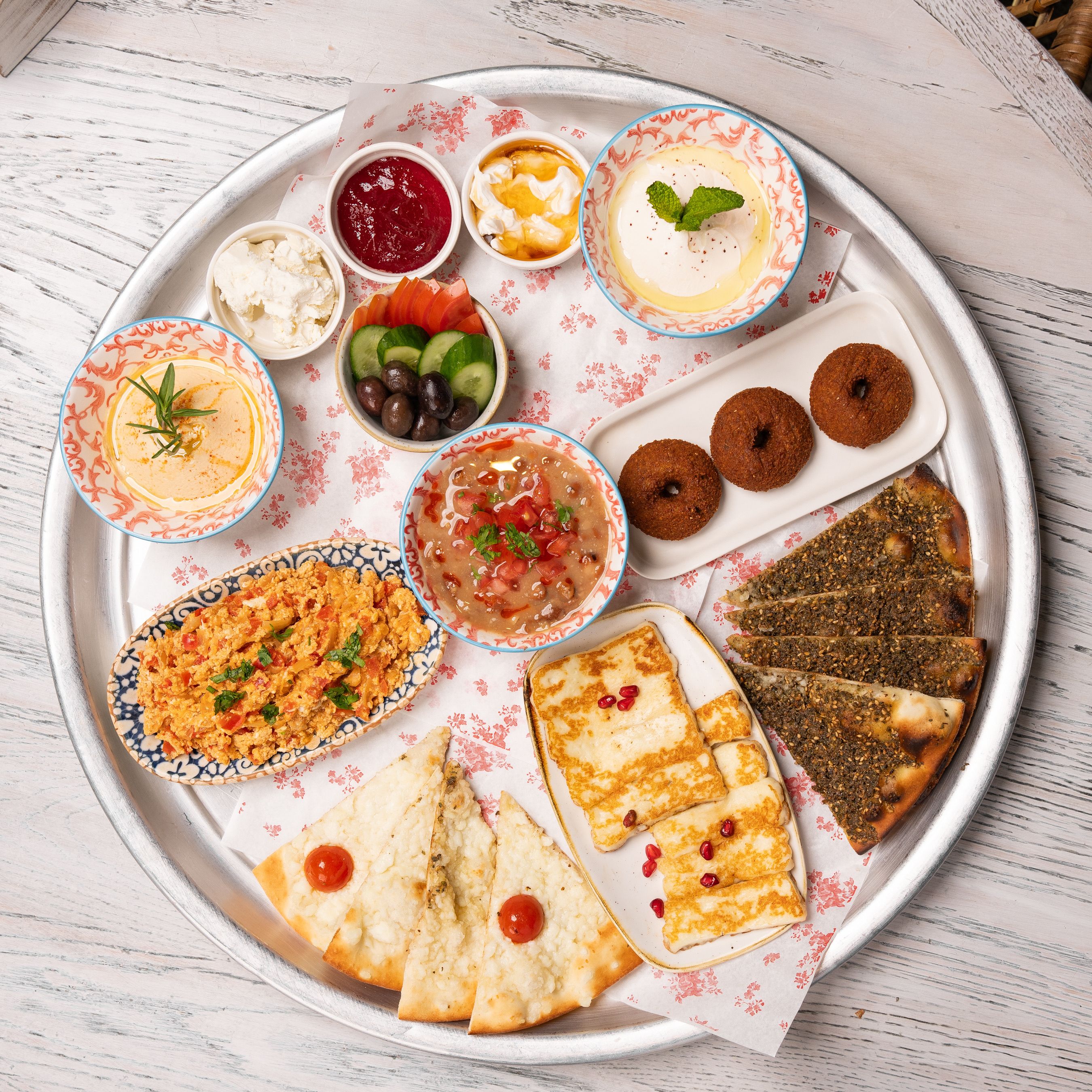
Mezze Platter
The diets react (see scores below)
Common Ingredients
- hummus
- baba ganoush
- tzatziki
- Kalamata olives
- pita bread
- feta cheese
- dolmades
- cucumber
Specific recipes may vary.
Incompatible with 6 of 11 diets
Diet Ratings
The Mezze Platter as traditionally assembled is largely incompatible with ketogenic eating. Pita bread alone is a hard disqualifier — a single piece contains 30-35g net carbs, immediately threatening the daily limit. Hummus, while made from chickpeas, adds another 6-8g net carbs per typical serving. Dolmades (stuffed grape leaves) typically contain rice, adding further significant carbs. These three components alone can easily push a single snack serving well past the 20-50g daily keto ceiling. The platter does contain several keto-friendly elements: tzatziki (low carb, high fat), Kalamata olives (high healthy fat, near-zero net carbs), feta cheese (high fat, low carb), and cucumber (low carb vegetable). However, as a unified dish served together, the problematic high-carb components dominate and make the platter as a whole incompatible with ketosis. A heavily modified version omitting pita, hummus, and dolmades could work, but that would no longer constitute a traditional Mezze Platter.
This Mezze Platter contains multiple animal-derived ingredients that disqualify it from vegan compliance. Tzatziki is a yogurt-based dip (dairy), and feta cheese is a dairy product made from sheep's or goat's milk — both are clear animal products. Dolmades in their traditional form are often made with meat filling, though vegetarian versions exist; even the rice-stuffed variety may use butter or be served with yogurt. The remaining ingredients — hummus, baba ganoush, Kalamata olives, pita bread, and cucumber — are fully plant-based and vegan-friendly. However, the presence of tzatziki and feta cheese alone is sufficient to render this dish non-vegan. A vegan version of this platter could be assembled by substituting tzatziki with a cashew- or coconut-based alternative, omitting feta or using a plant-based feta, and confirming dolmades are meat- and butter-free.
This Mezze Platter is heavily incompatible with the Paleo diet. The majority of its components are explicitly excluded: hummus is made from chickpeas (a legume); pita bread is a grain-based food; feta cheese is dairy; tzatziki is yogurt-based (dairy); dolmades are typically wrapped in rice and often contain grains. Kalamata olives and cucumber are the only fully Paleo-compliant ingredients. Baba ganoush (roasted eggplant with tahini, lemon, garlic) is largely Paleo-friendly though sometimes contains added salt. With 5 out of 8 ingredients being clear Paleo violations spanning three major excluded food groups — legumes, grains, and dairy — this dish earns the lowest possible rating.
A mezze platter is a quintessentially Mediterranean spread with a strong plant-forward foundation. Hummus (chickpeas, olive oil, tahini), baba ganoush (eggplant, olive oil), Kalamata olives, dolmades (grape leaves, rice, herbs), and cucumber are all core Mediterranean staples earning high marks. Tzatziki (yogurt, cucumber, garlic) and feta cheese are dairy components that fit comfortably within moderate Mediterranean dairy consumption. The main concern is pita bread — if made from refined white flour, it represents a refined grain, which modern Mediterranean diet guidelines discourage in favor of whole grain alternatives. Overall, this platter is an exemplary representation of traditional Mediterranean eating patterns and earns a strong approval.
Strict modern clinical interpretations of the Mediterranean diet (e.g., PREDIMED-based guidelines) would flag the refined white flour pita bread and suggest substituting whole grain pita or sourdough. Some authorities also note that commercially prepared hummus and baba ganoush may contain excess sodium or seed oils rather than olive oil, reducing their alignment with traditional preparations.
The Mezze Platter is almost entirely plant-based and completely incompatible with the carnivore diet. Hummus is made from chickpeas and tahini (legume and seed), baba ganoush from eggplant (vegetable), pita bread is a grain product, Kalamata olives are a plant fruit, dolmades are stuffed grape leaves (plant), and cucumber is a vegetable. The only potentially carnivore-adjacent ingredient is tzatziki (which contains dairy) and feta cheese (dairy), but both are mixed with plant ingredients — tzatziki contains cucumber, garlic, and herbs, and feta is often served with plant accompaniments. Even setting aside the plant ingredients, neither tzatziki nor feta alone would save this dish. This platter represents the antithesis of carnivore eating: it is centered on legumes, grains, vegetables, and plant oils with virtually no animal protein as a primary component.
This Mezze Platter contains multiple Whole30-excluded ingredients, making it clearly non-compliant. Hummus is made from chickpeas (legumes), which are explicitly excluded. Tzatziki is a dairy-based yogurt dip, and feta cheese is dairy — both excluded. Pita bread is made from wheat (grains), which are excluded. Dolmades typically contain rice (grains), also excluded. The combination of legumes, dairy, and grains in a single dish results in a definitive avoid rating.
This Mezze Platter contains multiple high-FODMAP ingredients that make it unsuitable during the elimination phase. Hummus is made from chickpeas (high GOS) and garlic (high fructans) — high-FODMAP even at small servings. Pita bread is wheat-based, making it high in fructans. Dolmades typically contain rice wrapped in grape leaves with onion and garlic seasoning, adding more fructans. Tzatziki contains yogurt (lactose) and often garlic (fructans). Feta cheese is borderline — it is lower in lactose than soft cheeses but still contains moderate lactose in typical serving sizes. Baba ganoush (roasted eggplant) can be low-FODMAP in small portions but is often made with garlic. The only clearly safe items on this platter are Kalamata olives and cucumber, both of which are low-FODMAP. The cumulative FODMAP load from hummus, pita, dolmades, and tzatziki alone makes this platter a high-risk combination that should be avoided entirely during the elimination phase.
A Mezze Platter contains a mix of DASH-friendly and DASH-problematic components. On the positive side, hummus (chickpeas, olive oil) provides fiber, plant protein, and magnesium; baba ganoush (eggplant) is a nutrient-dense vegetable-based dip; tzatziki with low-fat yogurt aligns with DASH dairy guidance; and cucumber is an ideal DASH vegetable. However, several components raise concern: Kalamata olives are high in sodium and saturated fat; feta cheese is high in sodium (~316mg per oz) and saturated fat, conflicting with DASH's low-fat dairy emphasis; dolmades (stuffed grape leaves) are typically high in sodium; and commercial hummus and baba ganoush can be sodium-dense. Pita bread, if made from refined flour, offers limited fiber value compared to whole-grain alternatives. The cumulative sodium load across all components — particularly olives, feta, dolmades, and prepared dips — can easily exceed DASH's 2,300mg/day target in a single snack. The Mediterranean diet overlap lends some cardiovascular credibility, but DASH specifically targets sodium and saturated fat limits that several of these ingredients challenge. Acceptable occasionally in controlled portions, but not a DASH staple.
NIH DASH guidelines specifically flag high-sodium foods like olives, feta, and cured/brined ingredients as items to limit. However, some DASH-oriented clinicians note the strong overlap between the Mediterranean diet and DASH — both emphasizing plant foods, healthy fats, and lean proteins — and argue that the overall dietary pattern of a Mezze Platter (heavy in legumes, vegetables, and olive oil) aligns with DASH's spirit, provided sodium-heavy components like feta and olives are consumed in small quantities.
A Mediterranean mezze platter contains a mix of Zone-friendly and Zone-unfavorable components. On the positive side, cucumber is an ideal low-glycemic vegetable, Kalamata olives provide excellent monounsaturated fat (a Zone-approved fat source), tzatziki offers modest protein and low-glycemic carbs, and baba ganoush and hummus provide reasonable legume-based nutrition with fiber-rich net carbs. However, this platter has notable Zone challenges: pita bread is a high-glycemic refined grain carb that Sears classifies as 'unfavorable'; hummus and dolmades are calorie-dense with moderate carb loads that require careful block counting; feta cheese adds saturated fat; and critically, there is no lean protein anchor, which is a core Zone meal requirement. As a snack, the protein deficit is especially problematic — the Zone requires balanced 40/30/30 ratios even in snacks (typically a 1-block mini-meal). The fat profile is largely favorable (olive oil in hummus/baba ganoush, olives), but carbs skew high-glycemic via pita, and protein is inadequate without intentional adjustment. To improve Zone compatibility, skip the pita, double down on cucumber, add a lean protein source (e.g., a few slices of turkey or a small portion of grilled chicken), and keep olive and hummus portions moderate.
Some Zone practitioners and later Sears materials (Zone Perfect Meals in Minutes) include Mediterranean-style snack platters as acceptable Zone meals when pita is minimized or replaced with vegetables for dipping, and when a protein source is added. The anti-inflammatory focus of Sears' later work (The Anti-Inflammation Zone) would view the olive oil, olives, and polyphenol-rich eggplant and chickpeas favorably. Context matters: if pita is treated as the sole carb block and portions are tightly controlled, this platter can approximate Zone balance better than the standard version suggests.
A Mediterranean mezze platter is largely aligned with anti-inflammatory principles, drawing from one of the most well-studied anti-inflammatory dietary patterns in the world. Hummus (chickpeas + olive oil + tahini) provides fiber, plant protein, and healthy fats. Baba ganoush (roasted eggplant + olive oil) offers antioxidants including nasunin and polyphenols. Kalamata olives are rich in oleic acid and polyphenols with established anti-inflammatory effects. Cucumber is a low-calorie hydrating vegetable with anti-inflammatory flavonoids. Tzatziki (Greek yogurt + cucumber + garlic) brings probiotic potential and the anti-inflammatory compound allicin from garlic. Dolmades typically contain rice, herbs, and olive oil — contributing polyphenols from herbs and healthy fat. The two less favorable components are pita bread (refined white flour = a refined carbohydrate that can spike blood glucose and modestly raise inflammatory markers) and feta cheese (full-fat dairy, which is on the 'limit' list due to saturated fat content, though it is a traditional part of Mediterranean eating and consumed in relatively small quantities here). Overall, the platter is dominated by anti-inflammatory components and reflects the spirit of Mediterranean eating, but the refined pita and feta prevent a top-tier score.
Most anti-inflammatory authorities including Dr. Weil and the Mediterranean Diet model would approve this platter enthusiastically as a paradigmatic example of the eating pattern they advocate. A dissenting view comes from stricter protocols like AIP or low-lectin frameworks (e.g., Dr. Gundry), which would flag chickpeas (lectins), eggplant (nightshade/solanine), and pita (gluten) as potentially pro-inflammatory — particularly for individuals with autoimmune conditions or gut permeability issues.
A mezze platter as a snack category presents a mixed nutritional profile for GLP-1 patients. On the positive side, hummus and tzatziki offer modest plant-based protein and fiber (from chickpeas), cucumber provides excellent hydration and easy digestibility, and baba ganoush contributes fiber with relatively low calories. The Mediterranean fat profile (olive oil in hummus and baba ganoush, olives) is largely unsaturated, which is preferable to saturated fat. However, the platter falls short as a GLP-1-friendly snack primarily because protein density is low — no primary protein source is listed, and the combined protein from hummus, tzatziki, and feta is modest. Pita bread is a refined carbohydrate with limited fiber and nutrient density unless whole wheat. Kalamata olives are high in fat per small serving. Feta is a high-sodium, moderate-saturated-fat cheese. Dolmades (stuffed grape leaves) are typically made with white rice and olive oil — calorie-dense and low in protein per piece. The overall fat load across the platter (olives, feta, olive oil in hummus and baba ganoush) could worsen GLP-1 GI side effects such as nausea and bloating if portions are not carefully controlled. As a snack without a deliberate protein anchor, this platter risks using limited appetite capacity on low-protein, moderate-fat foods. It can be made more GLP-1-appropriate by emphasizing tzatziki and hummus, loading up on cucumber, minimizing olives, feta, and dolmades, and swapping pita for a whole-grain or lower-carb alternative.
Some GLP-1-focused dietitians view the Mediterranean fat profile and plant-based fiber here as genuinely beneficial — particularly hummus and tzatziki as protein-adjacent snack components — and would rate this platter more favorably if portions of olives, feta, and dolmades are small. Others are more cautious, noting that the cumulative fat load across all components simultaneously may trigger nausea or reflux given slowed gastric emptying, and that the absence of a high-protein anchor makes this a poor use of limited caloric bandwidth on GLP-1 medications.
*See how scores were generated at our methodology page.
Nutritional profile
Six traits that cut across every diet.
Fiber & Plants
How much whole-plant food and fiber it delivers.
Healthy Fats
The quality of its fats (unsaturated, omega-3).
Whole / Unprocessed
How close it is to its natural, unprocessed form.
Gut Gentle
How easy it is on digestion (low FODMAP, few irritants).
Low Glycemic
How little it spikes your blood sugar.
Protein Density
How much protein it packs per calorie.
Controversy Index
Higher controversy = more disagreement between diets.
Diet-Specific Tips
 Mediterranean — 8/10
View tips
- Hummus and baba ganoush are legume- and vegetable-based with olive oil — core Mediterranean staples
- Kalamata olives provide healthy monounsaturated fats and are a hallmark of the diet
- Dolmades and cucumber add plant diversity and whole food value
- Tzatziki and feta are moderate-consumption dairy items, acceptable within Mediterranean guidelines
- Pita bread is typically made from refined white flour, a mild concern under modern guidelines
- No red meat, processed meats, or added sugars present
- Dish is authentically rooted in Eastern Mediterranean culinary tradition
 DASH — 5/10
View tips
- High sodium burden from feta cheese, Kalamata olives, and dolmades
- Hummus and baba ganoush provide DASH-friendly fiber, plant protein, and magnesium
- Tzatziki aligns with DASH if made with low-fat yogurt
- Cucumber is an ideal DASH vegetable — low sodium, hydrating
- Pita bread ideally replaced with whole-grain version for better DASH alignment
- Cumulative sodium across all components can exceed DASH daily limit in one snack
- Olive oil base in several components supports DASH's vegetable oil recommendation
- Feta is full-fat, high-sodium dairy — not aligned with DASH low-fat dairy emphasis
 Zone — 5/10
View tips
- Pita bread is a high-glycemic 'unfavorable' carb in Zone terminology — a primary concern
- No primary lean protein source; tzatziki and feta provide only minimal protein, falling far short of the ~7g/block target
- Kalamata olives and olive oil base in hummus/baba ganoush are excellent monounsaturated fat sources — Zone-approved
- Cucumber is an ideal low-glycemic Zone vegetable
- Hummus and dolmades add carb density that requires careful block counting
- Feta cheese contributes saturated fat, which Sears has historically limited
- Overall fat profile is favorable but protein-to-carb ratio is imbalanced without intentional modification
- Mediterranean ingredient base aligns well with Zone anti-inflammatory principles when portioned correctly
 Anti-Inflammatory — 7/10
View tips
- Hummus: chickpeas + olive oil + tahini — fiber, plant protein, polyphenols (approve)
- Kalamata olives: rich in oleic acid and anti-inflammatory polyphenols (approve)
- Baba ganoush: roasted eggplant + EVOO — antioxidants, nightshade caveat for autoimmune (approve for general population)
- Tzatziki: probiotic yogurt + garlic — allicin and gut-health benefits (approve/caution — dairy)
- Feta cheese: full-fat dairy, traditional Mediterranean but on 'limit' list (caution)
- Pita bread: refined white flour — raises blood glucose, modest pro-inflammatory effect (caution)
- Cucumber: hydrating, flavonoids, low glycemic (approve)
- Dolmades: herbs + olive oil + rice — generally neutral to positive (approve/caution)
 GLP-1 Friendly — 5/10
View tips
- Low overall protein density — no primary protein source; combined protein from hummus, tzatziki, and feta is insufficient for a meaningful GLP-1 snack
- Pita bread is typically refined grain — low fiber, low nutrient density per calorie
- Kalamata olives and feta add saturated fat and sodium; high cumulative fat load across platter components risks GI side effects
- Hummus provides plant-based protein and fiber from chickpeas — a positive component
- Tzatziki is a good low-fat, probiotic-adjacent component with modest protein
- Cucumber is high in water content — supports hydration, which is important on GLP-1
- Baba ganoush is relatively low-calorie and fiber-rich but adds to fat load
- Dolmades are typically white rice-based — calorie-dense, low protein, low fiber
- Portion control is critical — individually several components are acceptable but combined fat and calorie load becomes problematic
- Mediterranean unsaturated fat profile is preferable to saturated fat, but total fat quantity still matters for GLP-1 tolerability