Mediterranean
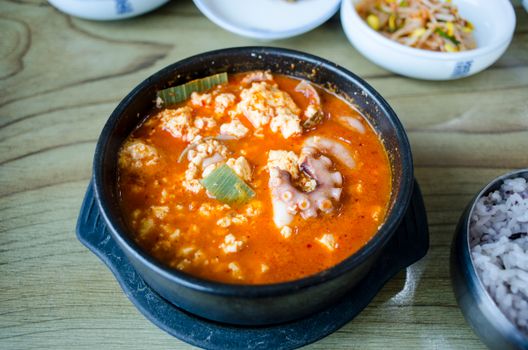
Octopus Stew
The diets react (see scores below)
Common Ingredients
- octopus
- red wine
- tomatoes
- onion
- garlic
- bay leaf
- cinnamon
- olive oil
Specific recipes may vary.
Incompatible with 4 of 11 diets
Diet Ratings
Octopus itself is a lean, low-carb protein that is keto-compatible. However, this stew introduces several moderate-to-high carb contributors: red wine adds residual sugars (though much reduces with cooking, a typical serving still contributes 3-5g net carbs), tomatoes add 3-5g net carbs per serving, and onion adds another 3-5g. Combined in a stew with generous portions, total net carbs per serving can easily reach 10-20g, which is manageable on keto but requires careful portioning. Olive oil and the Mediterranean fat profile are positive. The dish is not inherently incompatible with keto but demands portion discipline, particularly regarding tomatoes and onion quantity, and awareness of wine-derived residual carbs.
Stricter keto practitioners would flag the red wine as a hard exclude regardless of cooking reduction, and argue that tomatoes and onion together push this dish toward incompatibility without significant recipe modification (e.g., eliminating wine entirely, halving tomatoes and onion). Lazy keto adherents who track only rough daily totals may approve it freely in normal portions.
Octopus Stew is definitively not vegan. The primary protein is octopus, a cephalopod mollusk and therefore an animal product. This alone disqualifies the dish entirely under all vegan frameworks. No amount of plant-based accompaniments (tomatoes, onion, garlic, olive oil, spices) can offset the inclusion of an animal-derived main ingredient.
Most ingredients in this dish are fully paleo-compliant: octopus (wild seafood), tomatoes, onion, garlic, bay leaf, cinnamon, and olive oil are all approved. The sticking point is red wine. Alcohol is generally considered a gray area in the paleo community — it was not a staple of Paleolithic life, and wine is a processed, fermented product. However, dry red wine used as a cooking ingredient (where much of the alcohol burns off) is widely tolerated by mainstream paleo practitioners, placing this dish in caution territory rather than avoid. No grains, legumes, dairy, seed oils, or refined sugars are present. The dish is otherwise a clean, nutrient-dense Mediterranean preparation.
Strict paleo authorities, including Loren Cordain, exclude alcohol entirely as a non-Paleolithic processed product with potential gut-irritating and blood sugar effects. From this perspective, the red wine — even used in cooking — disqualifies the dish, and a compliant version would substitute with water, bone broth, or tomato juice.
Octopus stew is a quintessential Mediterranean dish, particularly celebrated in Greek, Portuguese, and Italian coastal cuisines. Octopus is a lean seafood that fully satisfies the Mediterranean diet's recommendation to eat fish and seafood 2-3 times per week. The ingredient list is exemplary: extra virgin olive oil as the primary fat, tomatoes, onion, and garlic providing plant-based nutrition, and aromatic spices like bay leaf and cinnamon adding flavor without unhealthy additions. Red wine used in cooking is a traditional Mediterranean technique that adds depth while largely cooking off the alcohol. There are no processed ingredients, refined grains, added sugars, or saturated fat concerns. This dish is a textbook Mediterranean main course.
While octopus is an animal-derived seafood that would be carnivore-approved on its own, this stew is heavily laden with plant-based ingredients that make it entirely incompatible with the carnivore diet. Tomatoes, onion, garlic, bay leaf, cinnamon, and olive oil are all plant-derived and explicitly excluded. Red wine is a fermented plant product also excluded. The dish is fundamentally a plant-based stew with octopus added — the majority of its flavor profile and volume comes from prohibited ingredients. No meaningful adaptation is possible without reconstructing the entire dish.
This stew contains red wine, which is alcohol — a categorically excluded ingredient on the Whole30. While all other ingredients are fully compliant (octopus/seafood, tomatoes, onion, garlic, bay leaf, cinnamon, and olive oil are all approved whole foods), the inclusion of red wine disqualifies the dish as written. Note that red wine vinegar would be acceptable as a substitute, but red wine itself is not. The dish could easily be made Whole30-compliant by omitting the wine or replacing it with compliant red wine vinegar diluted in broth.
This Mediterranean octopus stew contains two high-FODMAP ingredients that are dealbreakers during the elimination phase: onion and garlic. Both are among the highest-fructan foods tested by Monash University and are problematic at any standard culinary quantity. Even small amounts of onion and garlic cooked into a stew will leach fructans into the braising liquid, making the entire dish high-FODMAP — there is no safe serving size when these aromatics are cooked into a sauce or stew base. The remaining ingredients are generally low-FODMAP: octopus (seafood, FODMAP-free), tomatoes (low-FODMAP at standard serving ~65g), bay leaf (low-FODMAP as a seasoning), cinnamon (low-FODMAP in small culinary amounts), and olive oil (FODMAP-free). Red wine is low-FODMAP at 150ml per Monash. However, the presence of onion and garlic cooked into the stew renders the dish unsuitable for the elimination phase regardless of the octopus or other benign ingredients.
Octopus stew contains several DASH-friendly ingredients: tomatoes, onion, and garlic provide potassium, fiber, and antioxidants; olive oil is a recommended healthy fat; and octopus is a lean seafood protein relatively low in saturated fat. However, octopus is moderately high in sodium naturally (approximately 300-400mg per 100g raw), and the addition of red wine, while used in cooking with alcohol largely evaporating, adds minimal nutritional concern. The dish as a whole is far better than red meat stews and avoids problematic saturated fats, but the inherent sodium content of octopus means this dish requires portion awareness for DASH adherence, particularly for those on the stricter 1,500mg/day sodium target. No added salt is listed, which is a positive sign, but sodium from the octopus itself remains a consideration.
NIH DASH guidelines emphasize lean seafood broadly without specifically addressing cephalopods like octopus; some DASH-oriented clinicians would approve this dish more readily given its Mediterranean profile, low saturated fat, and vegetable-rich base, noting that the natural sodium in octopus is offset by the potassium-rich tomatoes and onions. Others following stricter low-sodium DASH protocols would flag octopus as a higher-sodium protein choice compared to white fish or chicken.
Octopus Stew aligns well with Zone Diet principles. Octopus is an excellent lean protein source — very low in fat, high in protein, making it easy to portion into Zone blocks (~7g protein per block). The vegetable base (tomatoes, onion, garlic) provides low-glycemic carbohydrate blocks rich in polyphenols, which Sears strongly endorses for their anti-inflammatory properties. Olive oil supplies the ideal monounsaturated fat component. Red wine introduces a small amount of carbohydrate and alcohol, but in cooking quantities used in a stew (much of the alcohol burns off), it contributes negligibly to the macro balance while adding polyphenols. Cinnamon, bay leaf, and garlic are all anti-inflammatory spices that Sears would view favorably. The main balancing task is ensuring sufficient olive oil is used to hit the 30% fat target, since octopus is so lean — this is easily managed. This dish is a near-ideal Zone meal template from a Mediterranean cuisine that Sears consistently cites as aligned with Zone principles.
Octopus stew is a Mediterranean dish with a strongly anti-inflammatory ingredient profile. Octopus is a lean seafood with a favorable omega-3 to omega-6 ratio, low in saturated fat, and rich in minerals like selenium and zinc. The dish is anchored by extra virgin olive oil (oleocanthal, a natural COX inhibitor), tomatoes (lycopene, antioxidants), garlic (allicin, anti-inflammatory sulfur compounds), onion (quercetin), cinnamon (cinnamaldehyde, potent anti-inflammatory spice), and bay leaf (linalool, eugenol). Red wine adds resveratrol and polyphenols in cooking context, where most alcohol evaporates — Dr. Weil's pyramid explicitly includes moderate red wine for its anti-inflammatory phytochemicals. The overall dish aligns closely with the Mediterranean dietary pattern, which has the strongest body of evidence among all dietary patterns for reducing systemic inflammation and CRP levels.
The inclusion of red wine is accepted in Dr. Weil's Anti-Inflammatory Pyramid for its resveratrol content, but updated anti-inflammatory guidelines and organizations like the WHO increasingly recommend avoiding alcohol in any amount due to carcinogenic risk and systemic effects; some practitioners would prefer the dish prepared without wine. Additionally, a minority of autoimmune-protocol advocates flag tomatoes as potentially problematic due to solanine alkaloids and lectins, though mainstream anti-inflammatory nutrition strongly supports tomatoes for their lycopene and antioxidant content.
Octopus stew has strong GLP-1-friendly elements: octopus is a very lean, high-protein seafood (roughly 25-30g protein per 100g cooked, very low fat), and the tomato-onion-garlic base adds fiber, micronutrients, and high water content consistent with easy digestibility and nutrient density. Olive oil is a preferred unsaturated fat. However, the recipe includes red wine, which introduces alcohol — a category flagged as 'avoid' due to empty calories and dehydration risk. In slow-cooked stews, much of the alcohol cooks off, meaningfully reducing but not eliminating the concern. Cinnamon is GI-friendly and may support blood sugar stability. The dish is generally easy to digest when slow-cooked to tenderness. The alcohol content from red wine is the primary drawback pulling the score down from the 'approve' range.
Some GLP-1-focused RDs and obesity medicine clinicians are comfortable with red wine used as a cooking ingredient in slow-braised dishes, arguing that residual alcohol after extended cooking is negligible and the overall nutritional profile of the dish warrants approval. Others maintain that any alcohol-containing ingredient should be flagged given heightened alcohol sensitivity reported in some GLP-1 patients, and would recommend substituting the red wine with low-sodium broth or grape juice to achieve a clean approval rating.
*See how scores were generated at our methodology page.
Nutritional profile
Six traits that cut across every diet.
Fiber & Plants
How much whole-plant food and fiber it delivers.
Healthy Fats
The quality of its fats (unsaturated, omega-3).
Whole / Unprocessed
How close it is to its natural, unprocessed form.
Gut Gentle
How easy it is on digestion (low FODMAP, few irritants).
Low Glycemic
How little it spikes your blood sugar.
Protein Density
How much protein it packs per calorie.
Controversy Index
Higher controversy = more disagreement between diets.
Diet-Specific Tips
 Keto — 5/10
View tips
- Octopus is a lean, keto-friendly protein with negligible carbs
- Red wine contributes residual sugars even after cooking reduction
- Tomatoes and onion combined add meaningful net carbs (6-10g per serving)
- Olive oil provides healthy fat in line with keto macros
- Cinnamon and bay leaf are negligible carb contributors
- Total net carbs per serving likely 10-18g depending on recipe ratios — requires portioning
- No grains or added sugars in the ingredient list
 Paleo — 6/10
View tips
- Octopus is an approved wild seafood with high nutrient density
- Olive oil is a paleo-preferred fat source
- Tomatoes, onion, garlic, cinnamon, and bay leaf are all fully paleo-compliant
- Red wine is the sole gray-area ingredient — alcohol is debated in the paleo community
- Wine as a cooking liquid (partially evaporated) is more accepted than drinking alcohol, but still not strictly paleo
- No grains, legumes, dairy, seed oils, or refined sugars present
 Mediterranean — 9/10
View tips
- Octopus is a lean, nutrient-dense seafood fully aligned with Mediterranean fish/seafood guidelines
- Extra virgin olive oil is the sole fat source, consistent with Mediterranean principles
- All ingredients are whole and unprocessed — tomatoes, onion, garlic, herbs, spices
- Red wine used as a cooking ingredient is a traditional Mediterranean technique
- Dish is rooted in authentic Greek and broader Mediterranean coastal culinary tradition
- No refined grains, added sugars, or saturated fats present
- High in protein and omega-3 fatty acids with minimal caloric density
 DASH — 6/10
View tips
- Octopus is a lean protein low in saturated fat, consistent with DASH principles
- Natural sodium content of octopus (~300-400mg/100g) requires portion awareness, especially on 1,500mg/day DASH target
- Olive oil aligns with DASH healthy fat recommendations
- Tomatoes, onion, and garlic contribute potassium, fiber, and beneficial plant compounds
- No added salt listed, which is favorable
- Red wine adds minimal concern; alcohol cooks off and no sugar is added
- Overall Mediterranean profile is compatible with DASH but octopus sodium prevents a full 'approve'
 Zone — 8/10
View tips
- Octopus is a very lean, high-quality protein — ideal for Zone protein blocks
- Tomatoes, onion, and garlic provide low-glycemic carb blocks rich in polyphenols
- Olive oil delivers the required monounsaturated fat component
- Red wine in cooking quantities contributes minimal carbohydrates and adds polyphenols
- Cinnamon and garlic are anti-inflammatory, consistent with Zone's broader focus
- Fat content may need slight adjustment (extra olive oil) since octopus is extremely low-fat
- Mediterranean cuisine profile is strongly aligned with Sears' dietary recommendations
 Anti-Inflammatory — 8/10
View tips
- Octopus: lean seafood with favorable omega-3 profile and low saturated fat
- Extra virgin olive oil: oleocanthal with COX-inhibiting anti-inflammatory activity
- Tomatoes: lycopene and antioxidants (mainstream anti-inflammatory positive)
- Garlic: allicin and organosulfur compounds reduce inflammatory markers
- Cinnamon: cinnamaldehyde shown to reduce NF-κB and pro-inflammatory cytokines
- Onion: quercetin flavonoid with demonstrated anti-inflammatory effects
- Red wine: resveratrol and polyphenols, but alcohol content is debated
- Overall Mediterranean dietary pattern: strongest evidence base for reducing CRP and systemic inflammation
 GLP-1 Friendly — 6/10
View tips
- Octopus is very lean and high in protein — strong GLP-1 alignment
- Red wine introduces alcohol, an 'avoid' ingredient; cooking reduces but does not eliminate alcohol content
- Tomato base adds fiber, lycopene, and water content — supports digestion and hydration
- Olive oil is a preferred unsaturated fat in moderate amounts
- Garlic and onion are nutrient-dense, low-calorie aromatics
- Cinnamon may support blood sugar regulation
- Dish is slow-cooked, improving digestibility and small-portion friendliness
- No fried components, no refined grains, no added sugar