Middle-Eastern
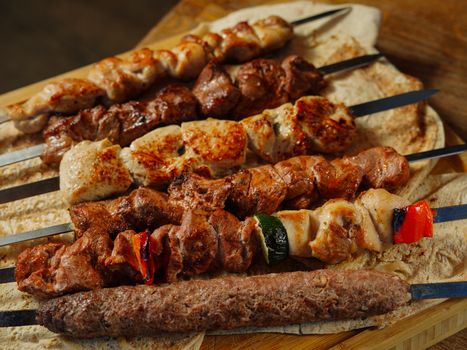
Middle Eastern Chicken Kebab
The diets react (see scores below)
Common Ingredients
- chicken
- yogurt
- garlic
- cumin
- paprika
- lemon juice
- olive oil
- sumac
Specific recipes may vary.
Incompatible with 4 of 11 diets
Diet Ratings
Middle Eastern Chicken Kebab is largely keto-compatible. Chicken provides quality protein, olive oil adds healthy fat, and the spices (cumin, paprika, sumac) contribute negligible carbs. Lemon juice in marinade quantities adds minimal net carbs. The main consideration is yogurt: in typical marinade amounts (2-4 tbsp per serving), full-fat yogurt adds only 2-4g net carbs, keeping the dish well within keto limits. Overall net carbs per serving are likely 3-6g, making this a solid keto meal when paired with low-carb sides.
Strict keto and carnivore-leaning practitioners may flag the yogurt entirely, as some protocols avoid all dairy fermented products due to potential insulin response concerns, and sumac is occasionally questioned for carb content in larger quantities.
Middle Eastern Chicken Kebab contains two clear animal products: chicken (poultry/meat) and yogurt (dairy). Both are explicitly excluded under all vegan definitions. The remaining ingredients — garlic, cumin, paprika, lemon juice, olive oil, and sumac — are fully plant-based, but they cannot offset the presence of animal-derived components. This dish is unambiguously non-vegan.
This dish is largely paleo-compliant — chicken, garlic, cumin, paprika, lemon juice, olive oil, and sumac are all unprocessed, hunter-gatherer-accessible ingredients that would earn a strong approval on their own. The single problematic ingredient is yogurt, a dairy product excluded under strict paleo rules. Yogurt contains both casein and lactose, making it more dairy-problematic than ghee (which removes those components). It is commonly used as a marinade in Middle Eastern kebabs, so it is not incidental. The dish can easily be made paleo by omitting the yogurt or substituting coconut milk or lemon juice for tenderizing, but as traditionally prepared it earns a caution rating.
Some paleo-adjacent frameworks, such as the Primal Blueprint (Mark Sisson), permit full-fat fermented dairy like yogurt on the grounds that fermentation reduces lactose and improves digestibility. Sisson argues that high-quality, full-fat fermented dairy fits within an ancestral eating pattern for those who tolerate it.
Middle Eastern Chicken Kebab is a well-balanced dish that aligns reasonably well with Mediterranean diet principles, but falls into the 'caution' category primarily because chicken is a moderate-consumption protein rather than a daily staple. The ingredient profile is largely exemplary: olive oil as the fat source, yogurt as a moderate dairy component, and an array of anti-inflammatory spices (cumin, paprika, sumac) with garlic and lemon juice. There are no processed ingredients, refined grains, or added sugars. The dish shares strong culinary overlap with Levantine and Eastern Mediterranean traditions, which are closely related to the canonical Mediterranean diet. The main limiting factor is that poultry should be consumed only a few times per week rather than as a daily protein anchor.
This dish is heavily incompatible with the carnivore diet. While chicken itself is an acceptable animal protein, the marinade is laden with multiple plant-based ingredients: cumin and paprika are plant spices, lemon juice is fruit-derived, olive oil is a plant oil, and sumac is a plant-based spice. Garlic is a plant. Yogurt, while animal-derived, adds another layer of complexity. The sheer volume of plant-based additives disqualifies this dish entirely — it is essentially a plant-seasoned preparation with chicken as the base, not a carnivore-compliant meal.
This dish contains yogurt, which is a dairy product explicitly excluded on the Whole30 program. Yogurt is commonly used as a marinade base in Middle Eastern chicken kebabs, and dairy (with the sole exception of ghee and clarified butter) is not permitted. All other ingredients — chicken, garlic, cumin, paprika, lemon juice, olive oil, and sumac — are fully Whole30-compliant. However, the presence of yogurt makes this dish non-compliant as written. A compliant version could be made by substituting the yogurt marinade with coconut milk or simply using olive oil, lemon juice, and spices as the marinade base.
This dish contains two significant high-FODMAP ingredients that make it unsuitable during the elimination phase. Garlic is one of the highest-FODMAP foods known, rich in fructans, and is problematic even in very small amounts. Yogurt (standard dairy yogurt) is high in lactose and is a clear avoid during elimination. The remaining ingredients — chicken, cumin, paprika, lemon juice, olive oil, and sumac — are all low-FODMAP and safe. However, the combination of garlic and yogurt in the marinade makes this dish a definitive avoid during the elimination phase. A low-FODMAP adaptation would require replacing garlic with garlic-infused oil and swapping standard yogurt for lactose-free yogurt.
Middle Eastern Chicken Kebab aligns well with DASH diet principles. Chicken is a lean protein explicitly encouraged by DASH guidelines. The marinade ingredients — yogurt (low-fat dairy providing calcium), garlic, cumin, paprika, lemon juice, olive oil, and sumac — are all DASH-friendly. Olive oil is a recommended vegetable oil, lemon juice adds flavor without sodium, and the spices allow seasoning without salt. The dish is naturally low in sodium (no added salt, processed ingredients, or high-sodium sauces), low in saturated fat, and free from added sugars. It provides quality protein, and if yogurt used is low-fat, it contributes calcium and magnesium. The primary concern is portion control and ensuring the yogurt is low-fat rather than full-fat.
Middle Eastern Chicken Kebab is an excellent Zone Diet meal component. The primary protein is chicken, a quintessential Zone lean protein that maps cleanly to protein blocks (~7g per block). The marinade ingredients are all Zone-favorable: olive oil provides monounsaturated fat (the preferred Zone fat source), yogurt adds a small amount of protein and minimal carbohydrate, lemon juice contributes negligible carbs, and the spices (cumin, paprika, sumac) are polyphenol-rich anti-inflammatory agents that Sears specifically endorses in his anti-inflammatory dietary framework. Sumac in particular is a potent polyphenol source. There are no high-glycemic carbohydrates, no added sugars, no seed oils, and no processed ingredients. The only consideration is portion control on the olive oil to hit the 1.5g fat block target for animal protein meals, but this is easily managed. Paired with low-glycemic vegetables (grilled peppers, onions, zucchini), this dish naturally approaches a complete Zone meal with minimal adjustment needed.
This Middle Eastern chicken kebab features a strong lineup of anti-inflammatory ingredients. Chicken (lean poultry) is a 'moderate' category protein — a good choice compared to red meat. The marinade is where this dish truly shines from an anti-inflammatory perspective: olive oil provides oleocanthal and polyphenols with well-documented anti-inflammatory effects; garlic contains allicin and organosulfur compounds that suppress NF-κB inflammatory pathways; cumin and paprika are rich in antioxidants and phytochemicals; lemon juice contributes vitamin C and flavonoids; and sumac is exceptionally high in polyphenols and anthocyanins, with emerging research supporting its anti-inflammatory and antioxidant activity. Yogurt contributes probiotics that support gut health and may modulate systemic inflammation — low-fat dairy falls in the 'moderate' category and is acceptable here. There are no pro-inflammatory ingredients: no refined carbohydrates, seed oils, added sugars, trans fats, or processed additives. The combination of multiple anti-inflammatory spices, EVOO, and lean protein makes this a well-rounded anti-inflammatory meal. The only minor consideration is that full-fat yogurt would be preferable to use in moderation, but it doesn't significantly detract from the overall profile.
Middle Eastern chicken kebab is an excellent choice for GLP-1 patients. Chicken (typically breast or thigh) is a high-quality lean protein source delivering 25-35g protein per standard serving, directly supporting the top dietary priority of muscle preservation during rapid weight loss. The yogurt marinade adds a small additional protein boost and supports tender, easily digestible meat. Olive oil is used in small amounts as a marinade, providing unsaturated fat without excess. The spice blend — cumin, paprika, sumac, garlic — is flavorful but not aggressively spicy, making it well-tolerated by most GLP-1 patients who are sensitive to strong flavors. Lemon juice and sumac add brightness without any GI burden. Grilling or broiling (the standard preparation) avoids added fat from frying and keeps the dish light and easy to digest. The dish is naturally low in refined carbohydrates and empty calories, making every calorie nutrient-dense. It pairs well with fiber-rich sides (tabbouleh, roasted vegetables, legumes) to meet fiber targets. Portion flexibility is also a strength — a small serving is satisfying and protein-complete.
*See how scores were generated at our methodology page.
Nutritional profile
Six traits that cut across every diet.
Fiber & Plants
How much whole-plant food and fiber it delivers.
Healthy Fats
The quality of its fats (unsaturated, omega-3).
Whole / Unprocessed
How close it is to its natural, unprocessed form.
Gut Gentle
How easy it is on digestion (low FODMAP, few irritants).
Low Glycemic
How little it spikes your blood sugar.
Protein Density
How much protein it packs per calorie.
Controversy Index
Higher controversy = more disagreement between diets.
Diet-Specific Tips
 Keto — 8/10
View tips
- Chicken is a lean, zero-carb protein — keto-friendly primary ingredient
- Olive oil adds healthy monounsaturated fat, boosting fat macros
- Yogurt in marinade quantities (2-4 tbsp) contributes only ~2-4g net carbs — manageable on keto
- Spices (cumin, paprika, sumac) add negligible net carbs at culinary doses
- Lemon juice in marinade amounts contributes minimal carbs (~0.5-1g)
- Total estimated net carbs per serving: 3-6g — comfortably within daily keto limits
- No grains, added sugars, or high-carb ingredients present
 Paleo — 5/10
View tips
- Yogurt is a dairy product excluded under strict paleo guidelines
- All other ingredients — chicken, garlic, cumin, paprika, lemon juice, olive oil, sumac — are fully paleo-approved
- Olive oil is a preferred paleo fat source
- Spices and aromatics are unprocessed and ancestrally available
- Dish can be made fully paleo by substituting or omitting the yogurt marinade
- Mark Sisson's Primal Blueprint diverges from Cordain-school paleo by permitting fermented full-fat dairy
 Mediterranean — 6/10
View tips
- Chicken is a permitted but moderate-frequency protein (a few times per week, not daily)
- Olive oil used as primary fat — fully aligned with Mediterranean principles
- Yogurt marinade is an acceptable moderate dairy component
- Garlic, lemon juice, and spices (cumin, paprika, sumac) are anti-inflammatory and diet-compatible
- No processed ingredients, refined grains, or added sugars
- Strong culinary overlap with Levantine/Eastern Mediterranean food traditions
- Would score higher if served alongside whole grains and vegetables
 DASH — 8/10
View tips
- Lean chicken protein — core DASH food
- No high-sodium ingredients; seasoned with spices and lemon juice instead of salt
- Olive oil is a DASH-approved vegetable oil
- Yogurt contributes calcium and probiotics; low-fat version preferred per DASH
- Sumac, cumin, and paprika add flavor complexity without sodium penalty
- No added sugars, trans fats, or processed components
- Low saturated fat profile overall
- Portion size of chicken should be kept to 3 oz cooked per DASH serving guidelines
 Zone — 8/10
View tips
- Chicken is a top-tier Zone lean protein source, ideal for hitting 25g protein per meal
- Olive oil provides the preferred monounsaturated fat — just monitor portion to ~1 tsp per serving
- Yogurt contributes minor carbs and protein; use plain low-fat yogurt to stay Zone-favorable
- No high-glycemic carbohydrates in the dish — naturally low-glycemic profile
- Spices (sumac, cumin, paprika) are polyphenol-rich, supporting Sears' anti-inflammatory Zone principles
- Lemon juice adds negligible carbs while boosting flavor and polyphenol content
- Needs a low-glycemic carb side (grilled vegetables, tabbouleh without bulgur) to complete the 40/30/30 ratio
 Anti-Inflammatory — 8/10
View tips
- Olive oil provides oleocanthal and anti-inflammatory polyphenols
- Sumac is exceptionally rich in polyphenols and anthocyanins
- Garlic contains allicin with well-documented anti-inflammatory properties
- Cumin and paprika contribute antioxidants and phytonutrients
- Lean chicken preferred over red meat in anti-inflammatory frameworks
- Yogurt provides probiotics supporting gut-immune axis
- Lemon juice adds vitamin C and flavonoids
- No pro-inflammatory ingredients (no seed oils, refined carbs, added sugars, or additives)
 GLP-1 Friendly — 9/10
View tips
- High lean protein (25-35g per serving) — directly supports muscle preservation priority
- Yogurt marinade adds protein and aids digestibility
- Olive oil used minimally as marinade — unsaturated fat, GLP-1 friendly
- Spice profile (cumin, paprika, sumac) is flavorful but not aggressively spicy — generally well tolerated
- Grilled/broiled preparation avoids fried fat load
- Naturally low in refined carbs and empty calories
- Small portions remain satisfying and protein-dense
- Pairs well with high-fiber sides to meet fiber targets