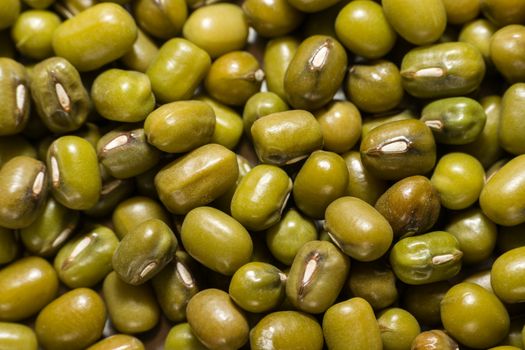
Photo: Sonika Agarwal / Pexels
Indian
Moong Dal
The diets react (see scores below)
Common Ingredients
- yellow moong dal
- ghee
- cumin seeds
- garlic
- ginger
- turmeric
- green chilies
- cilantro
Specific recipes may vary.
Incompatible with 6 of 11 diets
Diet Ratings
Yellow moong dal (split mung lentils) is a legume with very high net carbohydrate content. A standard serving of cooked moong dal (approximately 1 cup / 200g) contains roughly 35-40g of net carbs, which can single-handedly exceed or nearly exhaust an entire day's keto carb budget. Lentils in general are fundamentally incompatible with ketogenic eating due to their starch content. While the other ingredients — ghee, cumin, garlic, ginger, turmeric, green chilies, and cilantro — are all keto-friendly, the primary ingredient (moong dal) makes this dish a keto disqualifier. Even a half-serving would be risky for maintaining ketosis.
Moong dal itself — yellow split mung lentils with spices — is a wholesome, fully plant-based dish. However, this recipe explicitly lists ghee (clarified butter) as an ingredient. Ghee is a dairy product derived from cow's milk, making it a clear animal product excluded under all vegan frameworks. The dish as described is therefore not vegan. A vegan version is easily achievable by substituting ghee with a plant-based oil such as coconut oil, mustard oil, or vegan butter, which is a common adaptation.
Moong Dal is fundamentally a legume-based dish, and yellow moong dal (split mung beans) is explicitly excluded from the Paleo diet. Legumes are avoided due to their lectin and phytic acid content, which are considered anti-nutrients that impair mineral absorption and gut integrity — a core concern in Paleo nutritional philosophy. While the supporting ingredients are largely Paleo-compliant (cumin seeds, garlic, ginger, turmeric, green chilies, cilantro are all approved), and ghee occupies a debated-but-widely-accepted position, the primary protein and structural base of this dish is a legume. No amount of compliant garnishes can offset a non-compliant foundation ingredient. The dish cannot be made Paleo without removing the dal itself, at which point it is no longer Moong Dal.
Moong dal is an excellent legume-based dish, and legumes are a cornerstone of the Mediterranean diet. The yellow split mung lentils provide plant-based protein, fiber, and complex carbohydrates fully consistent with Mediterranean principles. The spices (turmeric, cumin, garlic, ginger, green chilies, cilantro) are all whole, plant-based aromatics that align well. The one moderating factor is ghee — a clarified butter and animal-derived saturated fat — which replaces the canonical Mediterranean fat, extra virgin olive oil. Ghee is not a Mediterranean ingredient and contradicts the diet's emphasis on olive oil as the primary fat. The dish is otherwise highly compatible, and a simple swap of ghee for olive oil would elevate it to a clear 'approve.' As prepared, it earns a solid caution-to-approve borderline score.
Some modern Mediterranean diet practitioners take a broader view of plant-forward, legume-centered dishes regardless of cultural origin, arguing that the small amount of ghee used for tempering is functionally similar to the moderate dairy allowance in the diet. Traditional Indian Ayurvedic and regional cooking also treats ghee as a health-promoting fat, and a minority of Mediterranean diet interpreters may accept it in small quantities within the dairy moderation allowance.
Moong Dal is fundamentally incompatible with the carnivore diet. The primary protein source is yellow moong dal, which is a legume — a plant food explicitly excluded from all tiers of carnivore eating. The dish contains multiple additional plant-based ingredients: cumin seeds, garlic, ginger, turmeric, green chilies, and cilantro are all plant-derived spices and aromatics. The only animal-derived ingredient is ghee, which is a minor cooking fat here. There is universal consensus across all carnivore authorities and protocols that legumes are off-limits. This dish scores at the absolute floor of compatibility.
Yellow moong dal (split mung beans) are lentils/legumes, which are explicitly excluded on the Whole30 program. While the program carves out specific exceptions for green beans, sugar snap peas, and snow peas, mung beans and their split form (moong dal) receive no such exception. All other ingredients — ghee (the one allowed dairy exception), cumin seeds, garlic, ginger, turmeric, green chilies, and cilantro — are fully compliant. However, the primary protein and base of this dish is a prohibited legume, making the entire dish non-compliant.
Moong Dal as described contains two significant high-FODMAP ingredients that make it problematic during the elimination phase. First, garlic is one of the highest-FODMAP foods tested by Monash University, containing large amounts of fructans even in small quantities — it must be avoided entirely during elimination. Second, yellow moong dal (split mung beans) itself is a legume with GOS content; while Monash does rate canned/well-cooked split mung dal as low-FODMAP at around 1/4 cup (45g) cooked, the standard serving of dal as a main dish is typically much larger (150-200g), pushing it into high-FODMAP territory. The ghee is fine (fat-soluble, no FODMAPs), cumin seeds are low-FODMAP at culinary doses, ginger and turmeric are low-FODMAP, green chilies are generally low-FODMAP in small amounts, and cilantro is safe. However, the garlic alone makes this dish a clear avoid during elimination, regardless of serving size.
Some clinical FODMAP practitioners suggest that garlic can be replaced with garlic-infused oil to make this dish elimination-safe, and Monash University does rate small servings of split yellow mung dal as low-FODMAP — so a modified version of Moong Dal without garlic cloves and with controlled dal portions could potentially be approved. The verdict here reflects the dish as described with whole garlic included.
Moong dal is an excellent DASH-compatible dish at its core. Yellow moong lentils are a DASH-emphasized food: high in plant-based protein, dietary fiber, potassium, magnesium, and folate — all nutrients DASH actively promotes. The spices (cumin, turmeric, garlic, ginger, green chilies, cilantro) are low-sodium, anti-inflammatory flavor enhancers that contribute micronutrients without adding saturated fat or sodium. The main concern is ghee, a clarified butter high in saturated fat, which DASH limits. However, ghee is typically used in modest amounts (1-2 teaspoons as a tadka/tempering) in home preparation, which keeps saturated fat at a manageable level. The dish is naturally low in sodium (no added salt is listed), making it suitable even for the stricter 1,500mg/day DASH target. Overall, the lentil base strongly aligns with DASH principles, and the ghee quantity in traditional preparation is unlikely to disqualify the dish, though substituting a vegetable oil (canola, olive) would improve the score.
NIH DASH guidelines recommend limiting saturated fat and favor vegetable oils over animal fats like ghee. However, some updated clinical interpretations note that ghee used in small tadka quantities contributes minimal saturated fat per serving, and some DASH-oriented dietitians in South Asian dietary contexts accept ghee in teaspoon-level amounts rather than categorically excluding it.
Moong dal is a legume-based dish that sits at an interesting intersection in Zone Diet methodology. Yellow moong dal provides both protein and carbohydrates simultaneously, making it challenging to balance as a pure block — it functions as both a carb and protein source (roughly 14g protein and 38g net carbs per 100g cooked), meaning it contributes heavily to carb blocks while delivering moderate protein. In Zone terms, it's treated primarily as a carbohydrate source with some protein credit, similar to other legumes. The carbohydrate load is moderate-glycemic (GI ~35-40 for moong dal), which is more favorable than white rice or bread, but the carb-to-protein ratio still skews heavily carb-dominant. The ghee is the more significant concern: ghee is pure saturated fat, which Sears traditionally limited in the Zone framework, preferring monounsaturated fats like olive oil. The anti-inflammatory spices (turmeric, ginger, garlic, green chilies) are genuinely positive — these are polyphenol-rich and align well with Sears' later anti-inflammatory Zone work. To make this Zone-compatible, one would need to limit portion size of the dal (to control carb blocks), add a lean protein source (chicken, fish, egg whites) to hit the 25g protein target, reduce or substitute the ghee with olive oil, and pair with non-starchy vegetables. As a standalone main, it lacks sufficient lean protein and has too many carb-heavy calories relative to protein and fat.
In Sears' later writings (particularly 'The Zone Diet' updates focused on anti-inflammatory protocols), legumes like moong dal are viewed more favorably than grains because of their fiber content, lower glycemic impact compared to processed carbs, and polyphenol content. Some Zone practitioners classify moong dal as an 'unfavorable but usable' carb that can anchor a Zone meal if paired correctly with lean protein. The ghee question also evolved — later Sears materials acknowledge that not all saturated fat is equally problematic, and small amounts of ghee (1-2 tsp) may be acceptable within a balanced Zone meal, especially given ghee's butyrate content and lack of inflammatory dairy proteins.
Moong dal is a highly regarded anti-inflammatory dish. Yellow moong dal (split mung beans) is a legume rich in plant protein, fiber, and antioxidants including flavonoids and phenolic acids that help reduce inflammatory markers. The spice profile is exceptional from an anti-inflammatory standpoint: turmeric provides curcumin (one of the most researched anti-inflammatory compounds), ginger contributes gingerols and shogaols, garlic provides allicin and organosulfur compounds, and green chilies deliver capsaicin — all of which have demonstrated reductions in CRP and IL-6 in research. Cumin adds additional antioxidant polyphenols. Cilantro contributes quercetin and other anti-inflammatory flavonoids. The one ingredient warranting nuance is ghee (clarified butter), which is a saturated fat and falls in the 'limit' category of anti-inflammatory guidelines. However, the quantity of ghee used as a tarka/tadka (tempering fat) is typically modest — 1-2 teaspoons for a full pot — which limits its inflammatory impact and is used primarily as a flavor carrier for the fat-soluble spice compounds. Overall, the strong anti-inflammatory spice matrix and legume base easily outweigh the modest ghee content for a general healthy population.
The ghee in this dish creates meaningful debate. Dr. Weil's anti-inflammatory framework discourages saturated fat and suggests olive or canola oil as preferred cooking fats. A strict anti-inflammatory interpretation would recommend substituting ghee with extra virgin olive oil for better fatty acid profile. Conversely, Ayurvedic and some functional medicine practitioners (including those influenced by the GAPS protocol) argue that ghee from grass-fed sources is actually anti-inflammatory due to butyrate content and fat-soluble vitamin delivery, and that it enhances absorption of curcumin and other fat-soluble anti-inflammatory compounds in the spices.
Moong dal is a strong GLP-1-friendly dish overall. Yellow split moong dal is one of the most digestible legumes available, making it well-suited for patients dealing with slowed gastric emptying. A standard serving (~1 cup cooked) provides roughly 12-14g of plant-based protein and 7-9g of fiber, supporting both muscle preservation and gut health priorities. The spice base of turmeric, cumin, ginger, and garlic offers anti-inflammatory benefits and aids digestion without being aggressively spicy. The primary concern is the ghee: traditional recipes use 1-2 tablespoons per serving, which adds saturated fat and increases caloric density in a context where every calorie needs to count. Green chilies are mild enough for most patients but could aggravate reflux or nausea in sensitive individuals. Protein per serving is meaningful but falls short of the 15-30g per meal target, so pairing with additional protein (e.g., a side of cottage cheese or a small portion of chicken) is advisable. Overall, this is a nutrient-dense, easy-to-digest, fiber-rich dish that fits well into a GLP-1 dietary pattern when ghee is used sparingly.
Some GLP-1-focused RDs flag ghee categorically due to its saturated fat content and the heightened GI sensitivity many patients experience, recommending substitution with a small amount of olive oil or complete omission during the early medication adjustment phase. Others consider moderate ghee acceptable given its short-chain fatty acid profile and the cultural importance of the ingredient, prioritizing overall dietary adherence over strict fat minimization.
*See how scores were generated at our methodology page.
Nutritional profile
Six traits that cut across every diet.
Fiber & Plants
How much whole-plant food and fiber it delivers.
Healthy Fats
The quality of its fats (unsaturated, omega-3).
Whole / Unprocessed
How close it is to its natural, unprocessed form.
Gut Gentle
How easy it is on digestion (low FODMAP, few irritants).
Low Glycemic
How little it spikes your blood sugar.
Protein Density
How much protein it packs per calorie.
Controversy Index
Higher controversy = more disagreement between diets.
Diet-Specific Tips
 Mediterranean — 6/10
View tips
- Yellow moong dal is a legume — a Mediterranean diet staple strongly encouraged daily
- All spices and aromatics are whole, plant-based ingredients with no nutritional concerns
- Ghee is a saturated animal fat that contradicts the Mediterranean diet's emphasis on olive oil as primary fat
- No refined grains, added sugars, or processed ingredients present
- Dish is otherwise plant-forward and protein-rich from legumes
- Substituting ghee with extra virgin olive oil would make this a strong 'approve'
 DASH — 8/10
View tips
- Yellow moong lentils are high in plant protein, fiber, potassium, and magnesium — core DASH nutrients
- Naturally low sodium — no added salt listed, aligns with both standard and low-sodium DASH targets
- Ghee is high in saturated fat, which DASH limits — traditional small-quantity tadka use (1-2 tsp) mitigates but does not eliminate this concern
- Substituting ghee with canola or olive oil would make this dish a near-perfect DASH meal
- Spice profile adds flavor without sodium, supporting DASH's low-sodium cooking approach
- Lentils are explicitly included in the DASH beans and legumes group (4-5 servings/week recommended)
 Zone — 6/10
View tips
- Moong dal functions primarily as a carb source in Zone blocks — high carb-to-protein ratio requires pairing with additional lean protein
- Moderate glycemic index (~35-40) is more favorable than high-GI carbs like white rice or bread
- Ghee is saturated fat, not the preferred monounsaturated fat of the Zone Diet; substituting olive oil would improve Zone compatibility
- Anti-inflammatory spices (turmeric, ginger, garlic) align strongly with Sears' polyphenol and anti-inflammatory focus
- As a vegetarian protein, fat block calculations change (3g fat per fat block vs 1.5g for animal protein), affecting overall macro balance
- Standalone dish lacks sufficient lean protein to meet Zone's ~25g protein per meal target without supplementation
- Portion control is critical — a small serving (~1/2 cup cooked) can fit within Zone carb blocks more comfortably
 Anti-Inflammatory — 8/10
View tips
- Yellow moong dal: high-fiber legume with antioxidant flavonoids and plant protein
- Turmeric: curcumin is among the most researched anti-inflammatory compounds
- Ginger: gingerols and shogaols inhibit NF-κB and reduce inflammatory cytokines
- Garlic: allicin and organosulfur compounds reduce CRP and IL-6
- Green chilies: capsaicin has demonstrated anti-inflammatory and antioxidant effects
- Ghee: saturated fat in the 'limit' category, but used in small tarka quantities — modest concern
- Cumin and cilantro: additional anti-inflammatory polyphenols and antioxidants
- Overall dish: whole food, minimally processed, fiber-rich, and spice-dense anti-inflammatory profile
 GLP-1 Friendly — 8/10
View tips
- High digestibility — split moong dal is among the gentlest legumes on the GI tract, well-matched to slowed gastric emptying
- Good plant-based protein (~12-14g per cup cooked) but falls below the 15-30g per meal target without a complementary protein source
- Meaningful fiber content (~7-9g per serving) supports constipation prevention and blood sugar stabilization
- Ghee adds saturated fat — amount used per serving is the primary variable; recommend minimizing to 1 tsp or substituting olive oil
- Anti-inflammatory spice base (turmeric, ginger, cumin, garlic) supports digestion and offers micronutrient value
- Green chilies are a mild heat source but may worsen reflux or nausea in GLP-1-sensitive patients; easily reduced or omitted
- Nutrient-dense per calorie when ghee is controlled — fits the small-portion, high-nutrient-density requirement well
- Pairs well with additional lean protein to meet per-meal protein targets