Photo: Victor Barbosa / Pexels
Italian
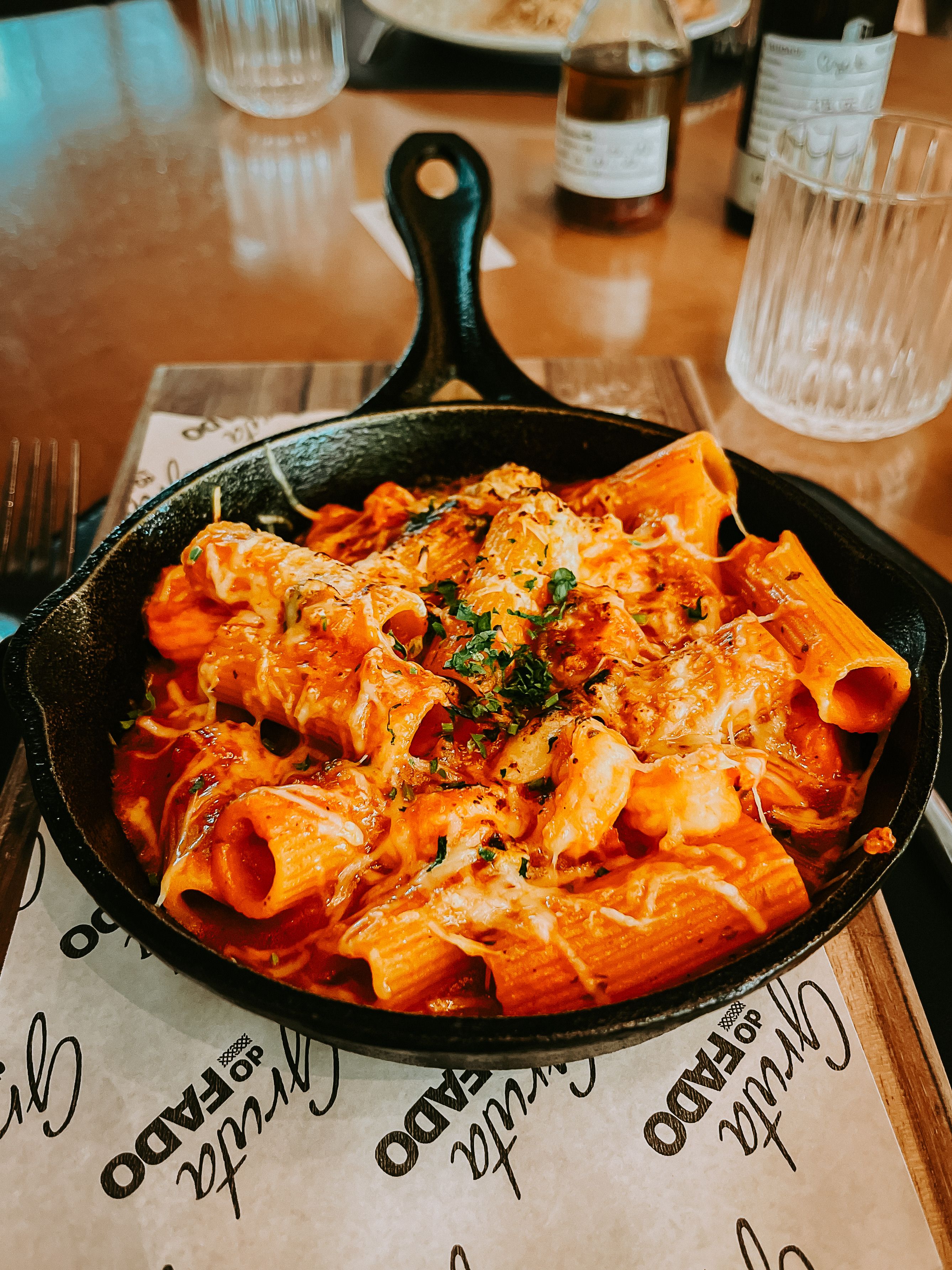
Pasta al Forno
The diets react (see scores below)
Common Ingredients
- penne pasta
- ground beef
- tomato sauce
- mozzarella
- Parmesan
- hard-boiled eggs
- onion
- basil
Specific recipes may vary.
Incompatible with 7 of 11 diets
Diet Ratings
Pasta al Forno is fundamentally incompatible with ketogenic eating. The primary ingredient, penne pasta, is a high-carb grain-based food delivering roughly 40-45g of net carbs per 100g (cooked). A typical serving of this baked pasta dish would contain well over 50-80g of net carbs from the pasta alone, instantly breaking ketosis and blowing past the entire daily carb budget. The tomato sauce adds additional sugars and carbs. While some ingredients — ground beef, mozzarella, Parmesan, hard-boiled eggs, basil — are individually keto-friendly, they cannot offset the massive carbohydrate load from the pasta base. This dish cannot be made keto-compatible without fundamentally replacing the pasta with a low-carb alternative (e.g., zucchini noodles, shirataki), which would make it an entirely different dish.
Pasta al Forno contains multiple animal products, making it entirely incompatible with a vegan diet. Ground beef is animal flesh, mozzarella and Parmesan are dairy cheeses, and hard-boiled eggs are an animal product. All three categories are unambiguously excluded under vegan principles. The dish is essentially defined by these non-vegan ingredients, with only the pasta, tomato sauce, onion, and basil being plant-based.
Pasta al Forno is fundamentally incompatible with the Paleo diet. Penne pasta is a grain-based food (wheat), which is explicitly excluded under core Paleo principles. Mozzarella and Parmesan are both dairy products, also excluded. The dish's entire structural foundation — pasta and melted cheese — consists of non-Paleo ingredients. While a few components are Paleo-compliant (ground beef, tomato sauce, hard-boiled eggs, onion, basil), they are minority ingredients in a dish that cannot be meaningfully adapted without ceasing to be Pasta al Forno. There is universal consensus in the paleo community on excluding wheat-based pasta and dairy cheeses.
Pasta al Forno as described combines several elements that conflict with Mediterranean diet principles. Ground beef is the primary protein, which is red meat — limited to a few times per month in Mediterranean guidelines. The pasta is refined (penne, not whole grain), which represents an empty refined carbohydrate. The dish also includes significant amounts of mozzarella and Parmesan, pushing dairy beyond moderate levels. While tomato sauce, onion, basil, and eggs are compatible ingredients, the overall profile is dominated by red meat, refined grains, and heavy cheese — a combination more characteristic of calorie-dense Italian-American cooking than traditional Mediterranean eating patterns. The lack of olive oil as a featured fat and the absence of vegetables beyond onion and tomato further weaken the dish's Mediterranean credentials.
In southern Italian tradition (particularly Sicily and Calabria), baked pasta dishes like pasta al forno are authentic regional staples enjoyed on feast days and Sundays. Some Mediterranean diet frameworks acknowledge that occasional celebratory meals featuring red meat and cheese are culturally embedded and acceptable within an otherwise plant-forward weekly pattern, provided portion sizes are moderate.
Pasta al Forno is fundamentally incompatible with the carnivore diet. The dish is built around penne pasta, a grain-based food that is entirely excluded on carnivore. Tomato sauce is a plant-derived ingredient, onion is a vegetable, and basil is an herb — all strictly forbidden. While ground beef, mozzarella, Parmesan, and hard-boiled eggs are animal-derived and acceptable on their own, they cannot redeem a dish whose structural foundation and sauce are plant-based. This is a classic Italian baked pasta dish and represents exactly the type of carbohydrate-heavy, plant-laden meal the carnivore diet eliminates entirely.
Pasta al Forno contains multiple excluded ingredients that make it clearly non-compliant with Whole30. Penne pasta is a grain-based food (wheat) and is explicitly excluded. Mozzarella and Parmesan are both dairy products, which are excluded (only ghee and clarified butter are permitted as dairy exceptions). These are not edge cases or ambiguous ingredients — grains and dairy are two of the most fundamental exclusions in the Whole30 program. The remaining ingredients (ground beef, tomato sauce, hard-boiled eggs, onion, basil) could individually be compliant, but the dish as a whole cannot be made Whole30-compatible without fundamentally changing its nature.
Pasta al Forno contains multiple high-FODMAP ingredients that make it unsuitable during the elimination phase. The two primary offenders are penne pasta (wheat-based, high in fructans) and onion (one of the highest fructan-containing foods per Monash University). These alone are sufficient to classify this dish as high-FODMAP at any standard serving. Even if the pasta were replaced with a gluten-free alternative, the onion would still make the dish a clear avoid. Tomato sauce is often low-FODMAP in small quantities but commercial versions frequently contain onion and garlic as ingredients, adding further FODMAP load. Mozzarella (fresh) contains moderate lactose and is rated caution by Monash; Parmesan, being a hard aged cheese, is low-FODMAP due to minimal residual lactose. Ground beef, hard-boiled eggs, and basil are all low-FODMAP. However, the combination of wheat-based pasta and onion makes this dish definitively high-FODMAP regardless of the safe ingredients present.
Pasta al Forno sits in a gray zone for DASH compliance. On the positive side, it contains vegetables (onion, basil), tomato sauce (a source of potassium and lycopene), and eggs (a lean protein source). However, several factors push it toward caution: (1) Ground beef is a red meat, which DASH explicitly limits due to saturated fat content — leaner ground beef (≥90% lean) is more acceptable but still not emphasized. (2) Mozzarella and Parmesan are full-fat cheeses that contribute saturated fat and significant sodium — Parmesan in particular is very high in sodium. (3) Penne pasta, if made from refined white flour, is not a whole grain, which DASH emphasizes; whole wheat penne would score better. (4) Tomato sauce, especially jarred commercial varieties, can be high in sodium. (5) The combination of cheese, red meat, and refined pasta creates a dish with elevated saturated fat, sodium, and limited fiber compared to DASH ideals. The dish is not inherently off-limits but requires significant modification — lean beef, whole wheat pasta, low-sodium tomato sauce, reduced cheese portions, and part-skim mozzarella — to align more closely with DASH principles.
NIH DASH guidelines recommend limiting red meat and full-fat dairy, which would push this dish toward 'avoid'; however, updated clinical interpretations note that moderate portions of lean ground beef and part-skim cheese within an otherwise vegetable- and whole-grain-rich diet can be compatible with DASH goals, particularly for non-hypertensive individuals on the standard 2,300mg sodium threshold.
Pasta al Forno is a carbohydrate-heavy baked pasta dish that presents significant challenges for Zone balance. Penne pasta is a high-glycemic refined carbohydrate that Dr. Sears classifies as 'unfavorable' — it raises insulin quickly and dominates the macro profile of this dish. A typical serving would deliver far more carbohydrate blocks than the 40% target allows, severely skewing the 40/30/30 ratio. The dish does have redeeming Zone elements: ground beef and hard-boiled eggs provide protein, though ground beef may carry more saturated fat than ideal (lean ground beef is preferable). The tomato sauce and basil contribute polyphenols and anti-inflammatory compounds Sears values. Mozzarella and Parmesan add protein and fat but also saturated fat and minimal carb blocks. The onion is a favorable low-glycemic carb. However, the fundamental problem is structural: the dish is pasta-centric, meaning carbs overwhelm the ratio with a high glycemic load. To fit Zone parameters, portions would need to be drastically reduced (a very small pasta serving, roughly 1/3 cup cooked), which contradicts how this dish is typically served. It is technically possible to build a single Zone block meal around a very small portion paired with a large vegetable side to dilute the glycemic load, but this requires significant deviation from the dish's traditional presentation.
Pasta al Forno presents a mixed anti-inflammatory profile. On the positive side, tomato sauce provides lycopene and other antioxidants (especially when cooked), onion contributes quercetin and flavonoids, and basil offers anti-inflammatory polyphenols. These are meaningful contributors. However, the dish has several pro-inflammatory concerns: penne pasta is a refined carbohydrate that spikes blood glucose and promotes inflammatory signaling; ground beef is a red meat moderate-to-high in saturated fat and arachidonic acid; and mozzarella plus Parmesan together represent a significant full-fat dairy load. The hard-boiled eggs are nutritionally neutral-to-mixed in this framework. The overall dish is calorie-dense, refined-carb-heavy, and saturated-fat-loaded — a combination associated with elevated CRP and IL-6 in research. It is not a dish built around anti-inflammatory principles, though it avoids the worst offenders (no trans fats, processed additives, or seed oils are implied). A version made with whole-grain pasta, leaner beef or lentils, and reduced cheese would shift the score meaningfully upward. As written, it sits in caution territory — acceptable occasionally but not a pattern to build on.
Mainstream Mediterranean diet frameworks (on which anti-inflammatory eating is partly based) would view this dish more favorably, as tomatoes, herbs, and modest amounts of cheese are traditional and associated with reduced cardiovascular inflammation in Mediterranean cohort studies. Dr. Weil's pyramid permits moderate cheese and refined grains occasionally, and some researchers argue that the overall dietary pattern matters more than any single dish's macronutrient profile.
Pasta al Forno is a baked pasta dish that presents a mixed nutritional profile for GLP-1 patients. On the positive side, it contains meaningful protein from ground beef, mozzarella, Parmesan, and hard-boiled eggs — a combination that could reach 20-25g protein per serving depending on portion size. The tomato sauce and onion add modest fiber and micronutrients. However, several factors work against it: penne pasta is a refined carbohydrate with low fiber and low protein density per calorie, ground beef carries significant saturated fat depending on the lean ratio used, and the cheese layer adds additional saturated fat. The baked, dense texture of this dish is also heavy and slow to digest, which is problematic given that GLP-1 medications already slow gastric emptying — this combination increases risk of bloating, reflux, and nausea. Portion sensitivity is high: a small serving can be nutritionally reasonable, but the dish encourages larger portions and is calorie-dense per bite. The hard-boiled eggs are a genuine positive, adding clean protein and nutrients. This dish is not ideal but is not an automatic avoid — it depends heavily on preparation choices (lean beef, whole wheat penne, moderate cheese) and portion discipline.
Some GLP-1-focused dietitians would rate this lower, arguing that refined pasta combined with high-saturated-fat ingredients like ground beef and melted cheese reliably worsens nausea and reflux in patients with slowed gastric emptying, and that the low fiber-to-calorie ratio makes it a poor use of limited appetite. Others note that if made with 90%+ lean beef and whole wheat pasta, the protein and fiber profile improves enough to make it an occasional acceptable meal, particularly for patients further along in treatment with stabilized GI tolerance.
*See how scores were generated at our methodology page.
Nutritional profile
Six traits that cut across every diet.
Fiber & Plants
How much whole-plant food and fiber it delivers.
Healthy Fats
The quality of its fats (unsaturated, omega-3).
Whole / Unprocessed
How close it is to its natural, unprocessed form.
Gut Gentle
How easy it is on digestion (low FODMAP, few irritants).
Low Glycemic
How little it spikes your blood sugar.
Protein Density
How much protein it packs per calorie.
Controversy Index
Higher controversy = more disagreement between diets.
Diet-Specific Tips
 DASH — 4/10
View tips
- Ground beef is a DASH-limited red meat due to saturated fat content
- Parmesan is high in sodium and saturated fat; mozzarella adds additional saturated fat
- Refined penne pasta lacks the fiber of whole grain alternatives
- Commercial tomato sauce often contributes significant sodium
- Tomato sauce and onion provide potassium and beneficial phytonutrients
- Hard-boiled eggs add lean protein but also dietary cholesterol
- Dish can be modified (lean beef, whole wheat pasta, low-sodium sauce, reduced/part-skim cheese) to improve DASH compatibility
- Overall sodium load from cheese and sauce combination is likely high
 Zone — 4/10
View tips
- Penne pasta is a high-glycemic 'unfavorable' carbohydrate in Zone terminology — primary concern
- Carbohydrate blocks far exceed protein and fat blocks in typical serving sizes, breaking 40/30/30 ratio
- Ground beef protein source is acceptable but ideally should be lean (90%+ lean) to limit saturated fat
- Hard-boiled eggs contribute favorable lean protein blocks
- Mozzarella and Parmesan add saturated fat, which Zone moderates but does not prohibit
- Tomato sauce, basil, and onion provide polyphenols and favorable low-glycemic carb contributions
- Dish could theoretically fit Zone with extreme portion control (very small pasta serving) plus large vegetable additions, but this is impractical for the dish as normally served
 Anti-Inflammatory — 4/10
View tips
- Refined carbohydrate load from penne pasta raises blood glucose and promotes inflammatory signaling
- Ground beef contributes saturated fat and arachidonic acid, both pro-inflammatory in excess
- Tomato sauce provides lycopene and antioxidants — a meaningful anti-inflammatory benefit
- Onion and basil add quercetin and polyphenols
- Mozzarella and Parmesan together represent substantial full-fat dairy — a category to limit
- No trans fats or processed additives present — avoids worst pro-inflammatory ingredients
- Hard-boiled eggs add mixed-profile nutrition; neither strongly pro- nor anti-inflammatory here
 GLP-1 Friendly — 4/10
View tips
- Refined penne pasta is low in fiber and protein density — whole wheat would meaningfully improve the rating
- Ground beef contributes useful protein but adds saturated fat; lean ratio (90%+) significantly affects suitability
- Mozzarella and Parmesan add protein but also saturated fat, increasing GI side effect risk
- Hard-boiled eggs are a strong protein addition and a genuine positive
- Baked dense texture is slow to digest and may worsen bloating or reflux on GLP-1 medications
- Tomato sauce and onion add some micronutrients but minimal fiber
- High portion sensitivity — small servings are more manageable; dish naturally encourages larger portions
- Not the worst choice but lacks the fiber, lean protein density, and easy digestibility that GLP-1 patients need most