Photo: Polina Tankilevitch / Pexels
Italian
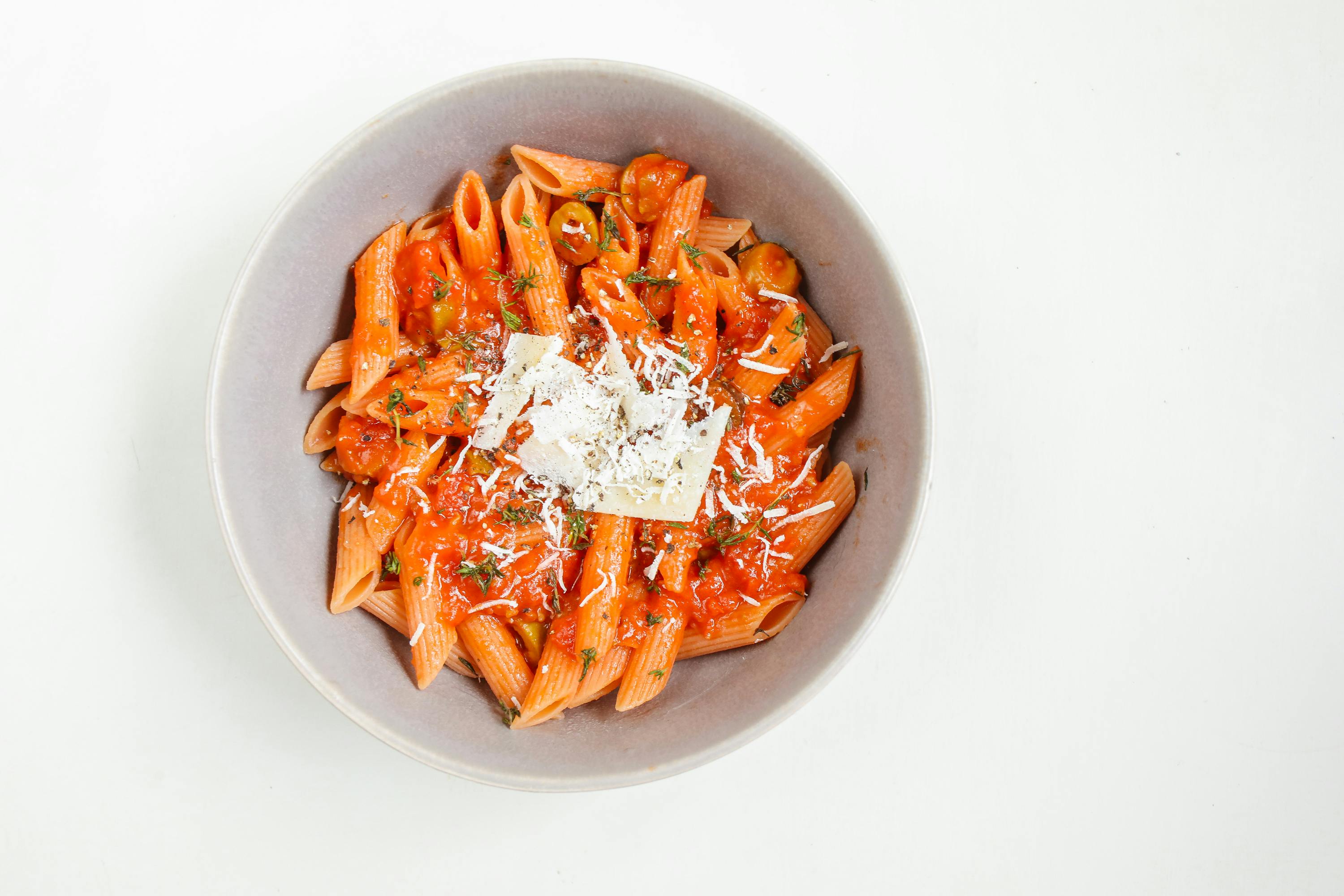
Penne Arrabbiata
The diets react (see scores below)
Common Ingredients
- penne
- crushed tomatoes
- garlic
- red chili pepper
- olive oil
- parsley
- Pecorino Romano
Specific recipes may vary.
Incompatible with 6 of 11 diets
Diet Ratings
Penne Arrabbiata is fundamentally incompatible with a ketogenic diet. The primary ingredient, penne pasta, is a refined grain product with approximately 75g of net carbs per 100g dry weight — a single standard serving (80-100g dry) delivers 55-75g net carbs, which alone exceeds the entire daily keto carb limit. The remaining ingredients (crushed tomatoes, garlic, olive oil, chili, parsley, Pecorino Romano) are largely keto-compatible or neutral, but they are entirely irrelevant given the pasta base. There is no version of traditional penne arrabbiata that fits ketogenic macros without replacing the pasta entirely with a low-carb substitute such as zucchini noodles or shirataki.
Penne Arrabbiata as listed contains Pecorino Romano, which is a hard Italian cheese made from sheep's milk — a clear animal-derived dairy product. All other ingredients (penne pasta, crushed tomatoes, garlic, red chili pepper, olive oil, and parsley) are fully plant-based. The dish fails vegan compliance solely due to the Pecorino Romano. A vegan version is easily achievable by omitting the cheese or substituting a nutritional yeast-based alternative.
Penne Arrabbiata is fundamentally incompatible with the paleo diet. The base ingredient, penne pasta, is a refined wheat grain product — one of the most clearly excluded foods in all paleo frameworks. While several other ingredients are paleo-friendly (crushed tomatoes, garlic, red chili pepper, olive oil, and parsley are all approved), the dish is defined by its pasta foundation, which cannot be substituted away without changing the dish entirely. Additionally, Pecorino Romano is a hard dairy cheese, which is excluded under paleo rules. Two core components violate paleo principles, making this dish a clear avoid.
Penne Arrabbiata is built on fundamentally Mediterranean ingredients — extra virgin olive oil, crushed tomatoes, garlic, chili, and parsley are all diet staples. Pecorino Romano is a traditional sheep's milk cheese used in moderation, consistent with moderate dairy allowances. The main concern is the penne pasta: unless made from whole grain, refined white pasta is a processed grain that modern Mediterranean diet guidelines discourage in favor of whole grain alternatives. Traditional Italian and broader Mediterranean practice, however, has always included refined pasta, typically eaten in moderate portions as part of a balanced meal. The dish has no meat, no added sugars, and is olive-oil based, making it a reasonable choice overall, but the refined grain base prevents a full approval under stricter modern interpretations.
Traditional southern Italian and broader Mediterranean culinary practice routinely includes refined pasta as a vehicle for vegetable-forward sauces, and many regional diet authorities (such as those reflecting the original Ancel Keys Mediterranean diet studies in southern Italy) would consider this dish fully compatible. Modern clinical guidelines, however, increasingly favor whole grain pasta for better glycemic control and fiber intake.
Penne Arrabbiata is almost entirely plant-based and incompatible with the carnivore diet. The dish consists of penne pasta (grain-based), crushed tomatoes (plant), garlic (plant), red chili pepper (plant), olive oil (plant oil), and parsley (plant herb). The only animal-derived ingredient is Pecorino Romano cheese, which itself is a debated dairy product in carnivore circles. Every core component violates the foundational carnivore rule of eating exclusively animal products. There is no meaningful animal protein source, and the dish is built entirely around excluded food categories: grains, nightshades, alliums, and plant oils.
Penne Arrabbiata is disqualified on two independent grounds. First, penne is a pasta made from wheat, which is an excluded grain on Whole30. Second, Pecorino Romano is a hard sheep's milk cheese, which falls squarely within the excluded dairy category (ghee and clarified butter are the only dairy exceptions). The remaining ingredients — crushed tomatoes, garlic, red chili pepper, olive oil, and parsley — are all fully compliant, but the dish cannot be made as described without violating Whole30 rules.
Penne Arrabbiata as traditionally prepared contains two major high-FODMAP ingredients that make it unsuitable during the elimination phase. First, standard penne is made from wheat, which is high in fructans — a key FODMAP that must be avoided. Second, garlic is one of the highest-FODMAP foods tested by Monash University, containing significant fructans even in tiny amounts (a single clove is enough to trigger symptoms). Crushed tomatoes are generally low-FODMAP at around 100g per serving but can become moderate at larger quantities. Red chili pepper is low-FODMAP in small amounts. Olive oil is FODMAP-free. Parsley is low-FODMAP. Pecorino Romano is a hard, aged cheese, which is low-FODMAP as lactose is minimal in aged hard cheeses. However, the combination of wheat-based pasta and garlic makes this dish a clear avoid during elimination phase. The dish could be made low-FODMAP by substituting gluten-free penne (rice or corn-based) and replacing garlic with garlic-infused olive oil, but as traditionally prepared it is not suitable.
Penne Arrabbiata contains several DASH-friendly components — crushed tomatoes provide potassium and lycopene, garlic and chili peppers are encouraged flavor enhancers that reduce the need for salt, olive oil is a recommended unsaturated fat, and parsley adds micronutrients. However, three concerns moderate the score: (1) Penne is likely refined pasta rather than whole grain, missing the whole-grain emphasis of DASH; (2) Pecorino Romano is a high-sodium, high-saturated-fat aged cheese — even a modest 1 oz serving adds ~340–450mg sodium and notable saturated fat, which conflicts with DASH limits; (3) portion size of pasta is critical, as restaurant servings often far exceed the DASH half-cup cooked grain serving. The dish is acceptable in a DASH context if made with whole-grain penne, Pecorino Romano is used sparingly (light dusting rather than a full serving), and sodium is monitored overall.
NIH DASH guidelines emphasize whole grains and low-fat dairy and would flag refined pasta and aged full-fat cheese as concerns. However, some updated DASH-oriented clinicians note that the Mediterranean-style base (olive oil, tomatoes, garlic) aligns well with cardiovascular-protective eating, and that small amounts of flavorful hard cheeses like Pecorino Romano may support dietary adherence without meaningfully exceeding sodium targets when the rest of the meal is low-sodium.
Penne Arrabbiata is carbohydrate-dominant with no meaningful lean protein source, making it structurally difficult to fit into a Zone-balanced meal. Penne pasta is a high-glycemic, refined grain that Sears classifies as an 'unfavorable' carbohydrate — it spikes insulin and would consume the entire carbohydrate block allowance for a meal in a single small serving while contributing minimal fiber. The dish has no listed protein source (no meat, fish, eggs, or legumes), and the fat component — olive oil — is ideal for Zone purposes (monounsaturated), but a fat-only contribution without protein throws off the 40/30/30 ratio severely. Pecorino Romano adds a small amount of protein and fat but is predominantly a saturated fat source. Crushed tomatoes, garlic, red chili, and parsley are all Zone-favorable ingredients with polyphenol and anti-inflammatory value. As served, this dish is essentially carbs + fat with no lean protein, which is the opposite of Zone architecture. It could be made Zone-compatible with major modifications: replacing penne with zucchini noodles or significantly reducing pasta portion, adding a lean protein (chicken, shrimp, tuna), and using only a small measured portion of olive oil.
Penne Arrabbiata has a genuinely mixed anti-inflammatory profile. On the positive side, the dish contains several strongly anti-inflammatory ingredients: garlic (allicin, organosulfur compounds), red chili pepper (capsaicin reduces NF-κB signaling), crushed tomatoes (lycopene, particularly bioavailable when cooked), olive oil (oleocanthal, polyphenols — though the quality matters greatly here), and parsley (flavonoids, apigenin). These ingredients collectively provide meaningful antioxidant and anti-inflammatory benefit. The primary concern is the penne itself — refined white pasta is a refined carbohydrate that raises blood glucose and can promote inflammatory signaling (elevated insulin, AGEs). Whole wheat or legume-based penne would significantly improve the profile. Pecorino Romano is a full-fat aged cheese made from sheep's milk, which contributes saturated fat and is in the 'limit' category, though the typical quantity used as a garnish is modest. Olive oil quality matters: extra virgin olive oil is strongly anti-inflammatory, while regular or light olive oil lacks the polyphenol content. Overall, the anti-inflammatory hero ingredients are real, but the refined pasta base and full-fat cheese keep this in 'caution' territory rather than 'approve.' Swapping refined penne for whole grain or chickpea pasta and using EVOO would elevate this dish considerably.
Some anti-inflammatory practitioners and Mediterranean diet researchers would argue this dish trends closer to 'approve' because the overall dietary pattern matters more than individual ingredients — the tomato-garlic-olive oil base is a cornerstone of the Mediterranean diet, which has among the strongest anti-inflammatory evidence of any eating pattern. The refined pasta concern is also moderated by the low glycemic impact of pasta relative to other refined carbs (pasta has a lower GI than bread due to its dense structure). Conversely, strict anti-inflammatory protocols that emphasize blood sugar regulation (such as those aligned with functional medicine approaches) would flag refined pasta as a meaningful inflammatory driver.
Penne Arrabbiata is a low-protein, moderate-fiber refined carbohydrate dish that poses several challenges for GLP-1 patients. The penne provides minimal protein and is a refined grain, offering limited nutrient density per calorie — a significant concern when total intake is sharply reduced. The crushed tomatoes and parsley add modest fiber and micronutrients, and olive oil provides beneficial unsaturated fat in small amounts. However, the red chili pepper is a meaningful concern: GLP-1 medications slow gastric emptying and sensitize the GI tract, and spicy ingredients like chili pepper can worsen nausea, reflux, and gastric discomfort — common side effects already elevated on these medications. The dish also lacks any primary protein source, making it difficult to approach the 15–30g per meal protein target without significant modification (e.g., adding shrimp, chicken, or white beans). Pecorino Romano contributes a small amount of protein and calcium but is high in saturated fat and sodium, adding limited benefit at typical garnish quantities. As an occasional side dish in a small portion, or substantially modified with a lean protein addition and whole wheat or legume-based pasta, this dish becomes more acceptable. As a standalone main in its standard form, it falls short of GLP-1 dietary priorities.
Some GLP-1-focused dietitians allow dishes like this as part of a Mediterranean-style eating pattern, noting that tomato-based sauces, olive oil, and garlic carry anti-inflammatory benefits and the dish is relatively low in fat and easy to digest when chili heat is mild. Others are more restrictive, flagging refined pasta as a poor calorie investment given reduced appetite, and cautioning that chili pepper tolerance varies significantly among GLP-1 patients — particularly those experiencing active nausea or reflux on injection days.
*See how scores were generated at our methodology page.
Nutritional profile
Six traits that cut across every diet.
Fiber & Plants
How much whole-plant food and fiber it delivers.
Healthy Fats
The quality of its fats (unsaturated, omega-3).
Whole / Unprocessed
How close it is to its natural, unprocessed form.
Gut Gentle
How easy it is on digestion (low FODMAP, few irritants).
Low Glycemic
How little it spikes your blood sugar.
Protein Density
How much protein it packs per calorie.
Controversy Index
Higher controversy = more disagreement between diets.
Diet-Specific Tips
 Mediterranean — 6/10
View tips
- Refined penne pasta is a processed grain — whole grain preferred by modern guidelines
- Extra virgin olive oil is the primary fat, strongly aligned with Mediterranean principles
- Crushed tomatoes, garlic, chili, and parsley are core Mediterranean plant ingredients
- Pecorino Romano is used in moderation, acceptable as a traditional dairy component
- No meat, no added sugars, plant-forward flavor profile
- Portion size matters — traditional Mediterranean servings of pasta are modest
 DASH — 5/10
View tips
- Refined penne lacks the whole-grain fiber DASH emphasizes — whole-grain substitution strongly recommended
- Pecorino Romano is high in sodium (~340–450mg/oz) and saturated fat, conflicting with DASH dairy and sodium guidelines
- Olive oil is a DASH-approved unsaturated fat
- Crushed tomatoes provide potassium and lycopene, supporting cardiovascular health
- Garlic and chili pepper are DASH-friendly flavor enhancers that reduce reliance on salt
- No lean protein included, missing an opportunity to improve nutritional balance
- Portion control is critical — restaurant pasta portions often exceed DASH grain serving guidelines
 Zone — 4/10
View tips
- Penne pasta is a high-glycemic, refined carbohydrate classified as 'unfavorable' in Zone methodology
- No lean protein source listed — critical Zone imbalance, the 30% protein target cannot be met
- Olive oil is an ideal Zone fat (monounsaturated), a genuine positive
- Tomatoes, garlic, chili, and parsley are Zone-favorable low-glycemic ingredients with polyphenol value
- Pecorino Romano provides minimal protein and adds saturated fat
- As written, the dish is carb-and-fat heavy with negligible protein — structurally incompatible with Zone ratios without significant modification
 Anti-Inflammatory — 5/10
View tips
- Garlic: allicin and organosulfur compounds are potently anti-inflammatory (approve)
- Red chili pepper: capsaicin inhibits NF-κB and reduces inflammatory cytokines (approve)
- Crushed tomatoes: cooked lycopene is highly bioavailable, associated with reduced CRP (approve)
- Olive oil: strongly anti-inflammatory if extra virgin; quality is a key variable (approve if EVOO)
- Refined penne: refined carbohydrate raises blood glucose and insulin; pro-inflammatory driver (caution/limit)
- Pecorino Romano: full-fat sheep's milk cheese adds saturated fat; modest quantity mitigates concern (limit)
- Parsley: flavonoids and apigenin provide antioxidant support (approve)
 GLP-1 Friendly — 4/10
View tips
- No primary protein source — falls far short of 15–30g per meal target
- Refined penne pasta offers low nutrient density per calorie
- Red chili pepper may worsen nausea, reflux, and GI discomfort common on GLP-1s
- Olive oil provides healthy unsaturated fat in moderate amounts
- Tomatoes and parsley add modest fiber and micronutrients but insufficient fiber volume
- Pecorino Romano adds saturated fat and sodium at typical serving amounts
- Dish is salvageable with protein addition (shrimp, chicken, white beans) and whole wheat or legume pasta substitution