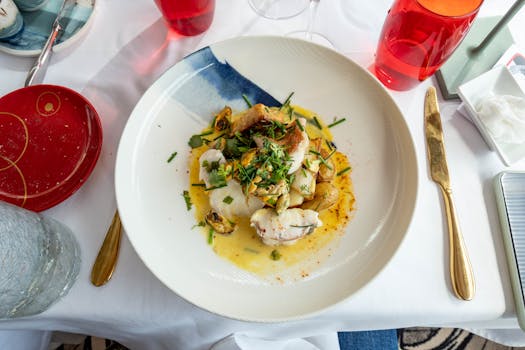
Photo: Bingqian Li / Pexels
Latin-American
Ají de Gallina
The diets react (see scores below)
Common Ingredients
- chicken
- ají amarillo
- walnuts
- bread
- Parmesan
- milk
- onion
- garlic
Specific recipes may vary.
Incompatible with 6 of 11 diets
Diet Ratings
Ají de Gallina is fundamentally incompatible with a ketogenic diet in its traditional form. The dish relies on bread as a primary thickening agent, which introduces significant net carbs from grains. Additionally, milk adds further carbohydrates. Together, these ingredients easily push a single serving well above the 20-50g daily net carb limit, making ketosis difficult to maintain. While the chicken, walnuts, Parmesan, onion, garlic, and ají amarillo are individually acceptable or manageable in keto, the bread and milk are core structural components of the dish, not incidental additions. A heavily modified version replacing bread with a keto thickener (e.g., cream cheese, xanthan gum) and milk with heavy cream could be made keto-friendly, but that would represent a fundamentally different dish.
Ají de Gallina contains multiple animal-derived ingredients that are categorically incompatible with a vegan diet. Chicken is the primary protein and a direct animal product. Milk is a dairy product excluded under all vegan standards. Parmesan cheese is an animal-derived dairy product, and notably traditional Parmigiano-Reggiano is also made with animal rennet, adding a further layer of non-vegan status. There is no ambiguity here — this dish fails vegan criteria on at least three independent counts.
Ají de Gallina contains multiple non-paleo ingredients that are central to the dish, not merely incidental. Bread (a grain product) serves as the primary thickener for the sauce, making it structurally essential and impossible to simply omit. Parmesan cheese and milk are both dairy products, clearly excluded under paleo rules. While chicken, ají amarillo, walnuts, onion, and garlic are all paleo-compliant, the non-paleo components — bread, Parmesan, and milk — are foundational to the dish's identity and texture. This is not a borderline case; the dish fundamentally depends on grains and dairy.
Ají de Gallina features chicken as its primary protein, which is acceptable in moderation under Mediterranean diet guidelines (poultry is a 'caution' category food). The dish includes several Mediterranean-compatible elements: walnuts (excellent, encouraged plant-based fat and protein), onion, garlic, and ají amarillo (a vegetable/pepper). However, the sauce is thickened with white bread soaked in milk, introducing refined grains and dairy in a relatively rich format. Parmesan adds further dairy. The fat base is typically oil or butter depending on preparation, but notably lacks olive oil as a primary fat. Overall, this is a nutrient-dense whole-food dish with no highly processed ingredients or added sugars, but its reliance on refined bread as a thickener and its dairy-heavy sauce push it into moderate territory rather than a Mediterranean staple.
Some Mediterranean diet practitioners would rate this more favorably, noting that the walnut-and-pepper sauce is analogous to Spanish romesco (a recognized Mediterranean preparation), and that moderate dairy and poultry are explicitly permitted. Conversely, stricter interpretations would penalize the refined white bread thickener and suggest substituting whole-grain bread and swapping the milk-heavy sauce for an olive oil base.
Ají de Gallina is fundamentally incompatible with the carnivore diet. While the dish does contain chicken and milk (animal-derived), the majority of its defining ingredients are plant-based or grain-based. Bread serves as the primary thickener, walnuts add plant-based fat and texture, ají amarillo pepper is a plant food, and onion and garlic are vegetables. Parmesan is dairy and debated on carnivore, but it is a minor concern here compared to the overwhelmingly plant-heavy ingredient list. This dish cannot be modified into a carnivore-compatible version without completely changing its character.
Ají de Gallina contains multiple Whole30-excluded ingredients. Bread is a grain product, explicitly excluded from the program. Parmesan is dairy (cheese), explicitly excluded. Milk is dairy, explicitly excluded. These are core, non-negotiable exclusions with no exceptions listed in the Whole30 program. The chicken, ají amarillo, walnuts, onion, and garlic are all compliant, but the dish as traditionally prepared cannot be made Whole30-compatible without fundamentally changing its character.
Ají de Gallina contains multiple high-FODMAP ingredients that make it unsuitable during the elimination phase. Garlic and onion are among the highest-fructan foods in the FODMAP system — both are used as base aromatics in this dish and cannot be reduced to a safe serving size when cooked into a sauce. Bread (standard wheat bread) is high in fructans. Milk used in the sauce contributes lactose. Walnuts become high-FODMAP at typical recipe quantities (above ~10 walnut halves, roughly 30g). Parmesan is actually low-FODMAP due to negligible lactose from aging, and chicken is safe. Ají amarillo pepper in moderate amounts is generally low-FODMAP. However, the combination of garlic, onion, wheat bread, and milk creates an unavoidably high-FODMAP dish in its traditional form.
Ají de Gallina presents a mixed DASH diet profile. On the positive side, it features lean chicken (a DASH-approved protein), ají amarillo (a vegetable/pepper rich in vitamins), onion, and garlic — all consistent with DASH principles. Walnuts are an excellent DASH food, providing heart-healthy unsaturated fats, magnesium, and protein. However, the dish raises concerns in several areas: Parmesan cheese is high in sodium (roughly 450mg per ounce) and saturated fat, which conflicts with DASH's emphasis on low-fat dairy and sodium restriction. Bread used as a thickener adds refined carbohydrates and potentially more sodium depending on the type used. Whole milk, if used, would be a full-fat dairy product that DASH discourages. The dish is also calorie-dense and typically served in generous portions. As commonly prepared in restaurants or traditional recipes, the cumulative sodium from Parmesan, bread, and seasoning can easily push a serving toward 700-1,000mg of sodium. With modifications — using low-sodium bread, reduced Parmesan, low-fat or skim milk, and portion control — this dish can be made more DASH-compatible, but as standardly prepared it warrants caution.
NIH DASH guidelines emphasize limiting sodium and full-fat dairy; however, updated clinical interpretations note that walnuts and lean chicken make this dish nutritionally valuable, and some DASH-oriented dietitians argue that small amounts of aged cheese like Parmesan used as a flavoring ingredient (rather than a main component) do not meaningfully undermine an otherwise balanced DASH meal pattern.
Ají de Gallina is a Peruvian creamy chicken stew with several Zone-compatible elements but requires meaningful modification to fit Zone ratios well. The chicken is an excellent lean protein source — a clear Zone win. Ají amarillo pepper provides polyphenols and low-glycemic carbohydrate. Walnuts offer healthy fat (though higher in omega-6 than ideal Zone fats like macadamia or olive oil). The problematic components are the bread (used as a thickener — a high-glycemic carb that displaces favorable vegetable carbs and pushes the glycemic load up), whole milk (adds saturated fat), and Parmesan (small amounts of saturated fat and sodium). The sauce is dense in carbohydrate-fat calories without the low-glycemic vegetable base the Zone prefers. Traditionally served over white rice and potatoes, which would push this firmly toward 'avoid' territory — but evaluated as a standalone dish, the base stew is workable. Portion control is essential: a modest serving (~3 oz chicken) paired with non-starchy vegetables instead of rice/potatoes can approximate Zone blocks. The walnut-and-bread sauce makes precise block counting difficult. This dish fits the 'unfavorable but usable' Zone carb category — the bread thickener and dairy fat are the main offenders.
Some Zone practitioners would rate this more favorably, noting that walnuts provide anti-inflammatory ALA omega-3s (a focus in Sears' later Zone Omega Rx writings), the ají amarillo is a polyphenol-rich pepper, and the dairy components are modest by volume. In the context of Sears' later anti-inflammatory Zone framework, the polyphenol density from the pepper and the omega-3 contribution from walnuts partially offset the bread-based carbohydrate load — especially if bread quantity is minimized.
Ají de Gallina presents a genuinely mixed anti-inflammatory profile. On the positive side, walnuts are a top-tier anti-inflammatory food — one of the best plant-based sources of omega-3 ALA and polyphenols, and central to anti-inflammatory diet recommendations. Ají amarillo (yellow chili pepper) is rich in capsaicin and carotenoids, both associated with reduced inflammatory markers. Garlic and onion contribute quercetin and organosulfur compounds with documented anti-inflammatory effects. Lean chicken is a 'moderate' protein under most anti-inflammatory frameworks. The problematic elements are the bread (refined carbohydrate used as a thickener, contributing minimal fiber), milk, and Parmesan cheese. The dairy components introduce saturated fat, and full-fat versions of both would be flagged under anti-inflammatory guidelines. The dish is also relatively calorie-dense and sauce-heavy, meaning the bread-milk base is a meaningful portion of the overall dish. However, traditional versions use modest amounts of these ingredients, and none rise to the 'avoid' category individually. The net result is a dish with meaningful anti-inflammatory ingredients offset by a refined-carb-and-dairy sauce base — squarely in 'caution' territory.
Some anti-inflammatory practitioners (aligned with more Mediterranean or Weil-style frameworks) might rate this closer to 'approve' given the prominent role of walnuts, chili pepper, garlic, and lean poultry — arguing that moderate dairy and bread in a whole-food context are acceptable. Conversely, stricter anti-inflammatory or autoimmune protocol (AIP) adherents would push this toward 'avoid' due to the dairy (Parmesan, milk), gluten-containing bread, and nightshade pepper, all of which are excluded under AIP guidelines.
Ají de Gallina is a traditional Peruvian dish built on a solid protein base of shredded chicken breast, which is a GLP-1 ideal protein source. However, the sauce is a rich, calorie-dense blend of walnuts, bread (used as a thickener), whole milk, and Parmesan cheese — all of which add significant fat and refined carbohydrates that work against GLP-1 dietary goals. Walnuts provide beneficial omega-3 unsaturated fats but are calorie-dense and high in total fat, which can worsen nausea and slow digestion further given already delayed gastric emptying. The bread thickener adds refined carbs with minimal fiber or nutritional payoff. Parmesan and milk contribute some protein but also saturated fat. Ají amarillo is a moderately spicy pepper that may trigger reflux or nausea in some GLP-1 patients, particularly those with heightened GI sensitivity. The dish is not fried and does contain meaningful protein from chicken, but the sauce composition makes it portion-sensitive and potentially problematic for GLP-1 side effects. A modified version — using less bread, reduced-fat milk, fewer walnuts, and a smaller portion of sauce — could shift this toward a more favorable rating.
Some GLP-1-focused dietitians may rate this more favorably if the chicken-to-sauce ratio is high and portion size is small, noting that walnuts provide heart-healthy unsaturated fats and the dish is not fried. Others emphasize that the fat density and spice level of the sauce are meaningful side effect risks that outweigh the protein benefit for patients in early or dose-escalation phases.
*See how scores were generated at our methodology page.
Nutritional profile
Six traits that cut across every diet.
Fiber & Plants
How much whole-plant food and fiber it delivers.
Healthy Fats
The quality of its fats (unsaturated, omega-3).
Whole / Unprocessed
How close it is to its natural, unprocessed form.
Gut Gentle
How easy it is on digestion (low FODMAP, few irritants).
Low Glycemic
How little it spikes your blood sugar.
Protein Density
How much protein it packs per calorie.
Controversy Index
Higher controversy = more disagreement between diets.
Diet-Specific Tips
 Mediterranean — 5/10
View tips
- Chicken is an acceptable moderate-frequency protein (poultry category)
- Walnuts are a strongly approved Mediterranean ingredient providing healthy fats
- White bread used as thickener introduces refined grains, a minor concern
- Milk and Parmesan add dairy beyond minimal amounts
- No added sugars or highly processed ingredients
- Onion, garlic, and ají amarillo are plant-based positives
- Olive oil is absent as the primary fat in traditional preparations
 DASH — 5/10
View tips
- Lean chicken is a DASH-approved protein source
- Walnuts provide heart-healthy fats, magnesium, and align well with DASH
- Ají amarillo, onion, and garlic are DASH-friendly vegetables
- Parmesan cheese is high in sodium (~450mg/oz) and saturated fat — conflicts with DASH
- Bread thickener adds refined carbohydrates and potential sodium
- Whole milk (if used) is a full-fat dairy product discouraged by DASH
- Cumulative sodium per serving can approach or exceed 700-1,000mg depending on preparation
- Acceptable with modifications: low-fat milk, reduced Parmesan, low-sodium bread, and portion control
 Zone — 5/10
View tips
- Chicken is a lean Zone-approved protein — positive
- Ají amarillo pepper provides polyphenols and low-glycemic carbs — positive
- Bread thickener adds high-glycemic carbohydrate, displacing favorable Zone carbs — negative
- Walnuts contribute healthy fat but are omega-6 heavy compared to ideal Zone fats (macadamia, olive oil) — mixed
- Whole milk and Parmesan add saturated fat, raising the fat block's saturated content — mildly negative
- Traditionally served with white rice and potatoes — strongly negative if included
- Can be made Zone-compatible by reducing bread, using less milk, and serving with vegetables instead of starchy sides
 Anti-Inflammatory — 5/10
View tips
- Walnuts: strong anti-inflammatory — rich in omega-3 ALA and polyphenols (positive)
- Ají amarillo: capsaicin and carotenoids with anti-inflammatory properties (positive)
- Garlic and onion: quercetin and organosulfur compounds reduce inflammatory markers (positive)
- Lean chicken: acceptable moderate protein under anti-inflammatory guidelines (neutral)
- Bread (refined): refined carbohydrate thickener with low fiber, mildly pro-inflammatory (negative)
- Milk and Parmesan: saturated fat from dairy; full-fat versions are flagged under anti-inflammatory frameworks (mild negative)
- No seed oils or trans fats present (neutral/positive)
 GLP-1 Friendly — 5/10
View tips
- Good protein source from shredded chicken breast
- Sauce is calorie-dense and high in total fat from walnuts and dairy
- Bread thickener adds refined carbs with low fiber and nutrient density
- Walnuts contain beneficial unsaturated fats but are high-fat and calorie-dense per serving
- Milk and Parmesan add saturated fat; may worsen nausea or reflux
- Ají amarillo may trigger GI discomfort in sensitive GLP-1 patients
- Slowed gastric emptying makes high-fat, dense sauces harder to tolerate
- Portion-sensitive: small servings with more chicken than sauce improve the profile significantly