This dish contains raw or undercooked ingredients. Consume at your discretion.
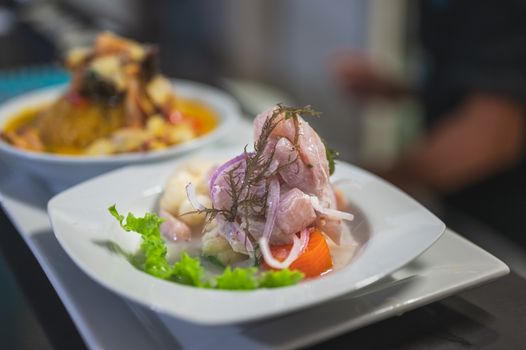
Photo: Thibault Luycx / Pexels
Latin-American
Peruvian Ceviche
The diets react (see scores below)
Common Ingredients
- white fish
- lime juice
- red onion
- ají limo
- cilantro
- sweet potato
- corn
- garlic
Specific recipes may vary.
Incompatible with 6 of 11 diets
Diet Ratings
Traditional Peruvian ceviche contains two major keto-incompatible ingredients: sweet potato and corn. Sweet potato is a starchy root vegetable with roughly 17-20g net carbs per 100g, and corn is a grain-like starchy vegetable with approximately 17g net carbs per 100g. Together, even modest servings of these two ingredients will blow past the 20-50g daily net carb limit in a single dish. The fish, lime juice, red onion, ají limo, cilantro, and garlic are largely keto-friendly (onion and lime juice add minor carbs but are manageable in small amounts), but the authentic inclusion of sweet potato and corn as traditional accompaniments makes this dish fundamentally incompatible with ketosis as served. A modified version stripping out sweet potato and corn could be keto-friendly, but that would no longer be traditional Peruvian ceviche.
Peruvian Ceviche contains white fish as its primary protein, which is an animal product and explicitly excluded under all vegan dietary frameworks. Fish is unambiguously non-vegan regardless of preparation method. The remaining ingredients — lime juice, red onion, ají limo, cilantro, sweet potato, corn, and garlic — are all plant-based, but the presence of fish makes the dish wholly incompatible with a vegan diet.
Peruvian Ceviche contains corn, which is a grain and a clear paleo violation. Corn is explicitly excluded from the paleo diet regardless of preparation method. The remaining ingredients are largely paleo-compliant: white fish is an ideal paleo protein, lime juice, red onion, ají limo (a chili pepper), cilantro, and garlic are all approved vegetables/herbs, and sweet potato is a generally accepted paleo tuber. However, the presence of corn — a staple grain domesticated during the agricultural revolution — is a disqualifying ingredient. Without the corn, this dish would score highly as a paleo-friendly meal.
Peruvian ceviche aligns exceptionally well with Mediterranean diet principles. The primary protein is white fish, which is a core Mediterranean staple recommended 2-3 times weekly. The dish is built around whole, minimally processed ingredients: fresh fish cured in citrus, vegetables (red onion, garlic), herbs (cilantro), and complex carbohydrates from sweet potato and corn. There are no refined grains, added sugars, processed fats, or red meat. The absence of olive oil is the only notable departure from Mediterranean norms, but the dish is otherwise a textbook example of the lean protein, vegetable-forward, whole-food eating pattern the Mediterranean diet champions.
Peruvian Ceviche is fundamentally incompatible with the carnivore diet. While the white fish base is a carnivore-approved animal protein, virtually every other ingredient is plant-derived and strictly excluded: lime juice (citrus fruit), red onion (vegetable), ají limo (pepper/spice), cilantro (herb), sweet potato (starchy vegetable), corn (grain/vegetable), and garlic (vegetable/spice). The dish is dominated by plant foods, with sweet potato and corn being particularly high-carbohydrate offenders. This is not a borderline case — the plant ingredients are structural and essential to the dish, not incidental additives. Stripping the dish to just the fish would no longer constitute ceviche in any recognizable form.
Peruvian Ceviche as traditionally prepared contains corn (choclo/corn on the cob is a classic garnish), which is explicitly excluded on Whole30 as a grain. All other ingredients — white fish, lime juice, red onion, ají limo (a Peruvian hot pepper), cilantro, sweet potato, and garlic — are fully Whole30-compliant. However, the inclusion of corn in the listed ingredients makes this dish non-compliant in its standard form. If corn were simply omitted, the dish would be approved with a high score, as the remaining ingredients are all whole, unprocessed, and explicitly allowed.
Peruvian Ceviche as traditionally prepared contains two high-FODMAP ingredients that make it unsuitable during the elimination phase: red onion and garlic. Red onion is one of the highest-fructan foods tested by Monash University and is high-FODMAP at any meaningful serving size. Garlic is similarly high in fructans and must be avoided entirely during elimination. The remaining ingredients are generally low-FODMAP — white fish is a safe protein, lime juice is low-FODMAP, cilantro is low-FODMAP, sweet potato is low-FODMAP at standard servings (up to ~½ cup), corn on the cob is low-FODMAP at about one cob, and ají limo (a Peruvian chili pepper) is low-FODMAP in typical amounts. However, the presence of both garlic and red onion as core, non-optional components of authentic ceviche makes this dish a clear avoid during the FODMAP elimination phase. A modified version substituting green onion tops (scallion greens) and garlic-infused oil could render it low-FODMAP.
Peruvian ceviche is an excellent fit for the DASH diet. The primary protein is white fish (lean, low in saturated fat, rich in omega-3s), which DASH explicitly endorses. Lime juice provides acidity without sodium. Red onion, cilantro, garlic, and ají limo are low-calorie, low-sodium flavor enhancers rich in beneficial phytonutrients. Sweet potato is a DASH-star food — high in potassium, magnesium, and fiber. Corn adds whole-grain-adjacent complex carbohydrates and fiber. The dish contains no added saturated fat, no processed ingredients, and no significant sodium sources in its traditional homemade form. The main caution is that restaurant preparations may add salt, and some versions include leche de tigre with additional sodium. As prepared with these listed ingredients, this dish aligns strongly with DASH principles across multiple food categories simultaneously.
NIH DASH guidelines do not specifically address ceviche, and traditional home preparation of this dish is straightforwardly DASH-compatible. However, some DASH-oriented clinicians note that restaurant versions can be high in added sodium (from salt in the marinade or leche de tigre), warranting caution for those following the stricter 1,500mg/day low-sodium DASH protocol — requesting low-salt preparation or preparing at home resolves this concern.
Peruvian ceviche has a strong Zone-compatible foundation but is complicated by two traditional accompaniments. The white fish (lean protein) is an excellent Zone protein source — low fat, high quality, omega-3 rich depending on the variety. Lime juice, red onion, ají limo, cilantro, and garlic are all low-glycemic, polyphenol-rich ingredients that Zone strongly favors. However, sweet potato and corn — both standard components of traditional Peruvian ceviche (choclo and camote) — introduce moderate-to-high glycemic carbohydrates. Sweet potato is borderline in Zone (moderate GI, nutrient-dense, acceptable in small portions), but corn/choclo is an unfavorable carb in Zone methodology due to higher starch content and glycemic load. Together, these two sides significantly raise the glycemic index of the dish and can push carb blocks into unfavorable territory if served in traditional portions. With careful portioning — reducing the sweet potato and corn to small garnish amounts — this dish can be Zone-balanced. The protein-to-carb ratio is otherwise favorable, and the dish lacks problematic fats entirely, which is a plus. The dish is best rated as a 'caution' because it requires meaningful modification of traditional serving proportions to fit Zone blocks properly.
Some Zone practitioners would rate this higher (approve, 7) by noting that sweet potato is explicitly listed in Sears' later writings as a favorable carb due to its lower GI relative to white potato, and that corn in small traditional garnish quantities may stay within acceptable block limits. In this view, the dish is mostly Zone-friendly fish protein with low-GI vegetable accompaniments, and the sweet potato/corn are manageable within a 3-block carb allocation. The stricter early Zone methodology, however, classifies corn as an unfavorable carbohydrate akin to grains.
Peruvian ceviche is a nutritionally strong anti-inflammatory dish. White fish (typically flounder, sole, or sea bass) provides lean protein and modest omega-3 fatty acids, though not as rich as fatty fish like salmon. Lime juice delivers vitamin C and flavonoids that support antioxidant activity. Red onion is rich in quercetin, a well-studied anti-inflammatory flavonoid. Garlic contains allicin and organosulfur compounds shown to reduce inflammatory markers like CRP. Ají limo (a Peruvian chili pepper) contributes capsaicin, which has demonstrated anti-inflammatory effects in research. Cilantro offers anti-inflammatory polyphenols. Sweet potato is a nutrient-dense complex carbohydrate with beta-carotene and anthocyanins that actively combat oxidative stress. Corn (choclo, the large-kernel Andean variety used here) is a whole grain component adding fiber and polyphenols. The dish is prepared raw or acid-cooked with no added oils, refined sugars, or processed ingredients, keeping its inflammatory profile very clean. The combination of lean fish, multiple polyphenol-rich vegetables, spicy chili, and allium vegetables creates a genuinely anti-inflammatory meal profile.
Some autoimmune-focused protocols (AIP) would flag the chili pepper (ají limo) and potentially corn as problematic — nightshade peppers contain solanine-related alkaloids and corn contains lectins that AIP practitioners like Dr. Tom O'Bryan associate with gut inflammation in sensitive individuals. Mainstream anti-inflammatory authorities including Dr. Weil, however, consider chili peppers and whole corn acceptable and even beneficial for the general population.
Peruvian ceviche is an excellent GLP-1-compatible dish. White fish (typically corvina, tilapia, or sole) is a lean, high-quality protein source delivering roughly 20-25g protein per standard serving with minimal fat. The lime juice marinade (leche de tigre) is calorie-free and contributes to hydration. Red onion, cilantro, and garlic add micronutrients and fiber at negligible caloric cost. Sweet potato adds complex carbohydrates, fiber, and beta-carotene — a nutrient-dense, easy-to-digest starch. Corn (choclo) contributes additional fiber and carbohydrates. The dish is low in fat, not fried, not heavily processed, and naturally portion-friendly. The main concern is ají limo, a moderately hot Peruvian chili — spicy foods can worsen GLP-1-related nausea and acid reflux in sensitive patients, though the quantity used in a typical serving is small. Overall, this dish aligns strongly with GLP-1 dietary priorities: lean protein, fiber, nutrient density, and easy digestibility.
Some GLP-1 clinicians and dietitians flag any chili-containing dish as a potential GI trigger, particularly in patients experiencing nausea or reflux in the early dose-escalation phase, and would recommend requesting a mild preparation or reducing ají limo. Additionally, the raw fish preparation (acid-cured rather than heat-cooked) raises no standard nutritional concern but a small number of practitioners note individual GI sensitivity to raw proteins in patients with significantly slowed gastric emptying.
*See how scores were generated at our methodology page.
Nutritional profile
Six traits that cut across every diet.
Fiber & Plants
How much whole-plant food and fiber it delivers.
Healthy Fats
The quality of its fats (unsaturated, omega-3).
Whole / Unprocessed
How close it is to its natural, unprocessed form.
Gut Gentle
How easy it is on digestion (low FODMAP, few irritants).
Low Glycemic
How little it spikes your blood sugar.
Protein Density
How much protein it packs per calorie.
Controversy Index
Higher controversy = more disagreement between diets.
Diet-Specific Tips
 Mediterranean — 9/10
View tips
- White fish as primary protein strongly aligns with Mediterranean seafood guidelines
- All ingredients are whole, unprocessed, and plant-forward
- No added sugars, refined grains, or unhealthy fats
- Sweet potato and corn add complex carbohydrates and fiber
- Lime juice replaces olive oil as the fat/acid medium — only minor deviation
- Cilantro, garlic, and onion contribute phytonutrients consistent with Mediterranean eating
 DASH — 8/10
View tips
- White fish is a DASH-recommended lean protein low in saturated fat
- Lime juice provides flavor without sodium
- Sweet potato is a potassium and magnesium powerhouse, core to DASH
- No saturated fat, processed ingredients, or added sugars
- Corn and sweet potato add fiber and complex carbohydrates
- Restaurant versions may contain added salt — home preparation preferred
- Ají limo, garlic, onion, and cilantro are low-sodium flavor enhancers
- Dish naturally rich in potassium, fiber, and lean protein — all DASH priorities
 Zone — 6/10
View tips
- White fish is an ideal Zone lean protein — low fat, high protein, potential omega-3 source
- Lime juice, red onion, cilantro, garlic, and ají limo are all favorable Zone carb/flavor ingredients with low glycemic impact
- Sweet potato is a borderline Zone carb — moderate GI, nutrient-dense, but needs portion control
- Corn (choclo) is an unfavorable carb in Zone methodology due to higher starch/glycemic content
- Traditional serving portions of sweet potato and corn likely exceed Zone-favorable carb block limits
- Dish contains no significant fat source — would need added monounsaturated fat (e.g., avocado) to complete Zone 30% fat target
- Overall macro profile skews protein-and-carb heavy; fat block is missing entirely from traditional preparation
 Anti-Inflammatory — 8/10
View tips
- Lean white fish provides clean protein with modest omega-3 content
- Lime juice delivers vitamin C and flavonoids with antioxidant properties
- Red onion is a significant source of quercetin, a potent anti-inflammatory flavonoid
- Garlic contributes allicin and organosulfur compounds linked to reduced CRP
- Ají limo (chili pepper) provides capsaicin with demonstrated anti-inflammatory effects
- Sweet potato supplies beta-carotene and complex carbohydrates with low glycemic impact
- No added oils, refined sugars, or processed ingredients
- AIP protocols would caution against nightshade peppers and corn for autoimmune-sensitive individuals
 GLP-1 Friendly — 8/10
View tips
- Lean white fish provides 20-25g high-quality protein per serving — strong alignment with protein priority
- Very low fat content — minimizes nausea, bloating, and reflux risk
- Sweet potato and corn add fiber and complex carbohydrates without excessive calories
- Lime juice and raw vegetables support hydration and micronutrient density
- Ají limo is a moderate-heat chili — may worsen nausea or reflux in sensitive GLP-1 patients, especially during dose escalation
- Not fried, not processed, not high-sugar — avoids all major GLP-1 dietary pitfalls
- Naturally small, portion-friendly serving typical of traditional Peruvian presentation