This dish contains raw or undercooked ingredients. Consume at your discretion.
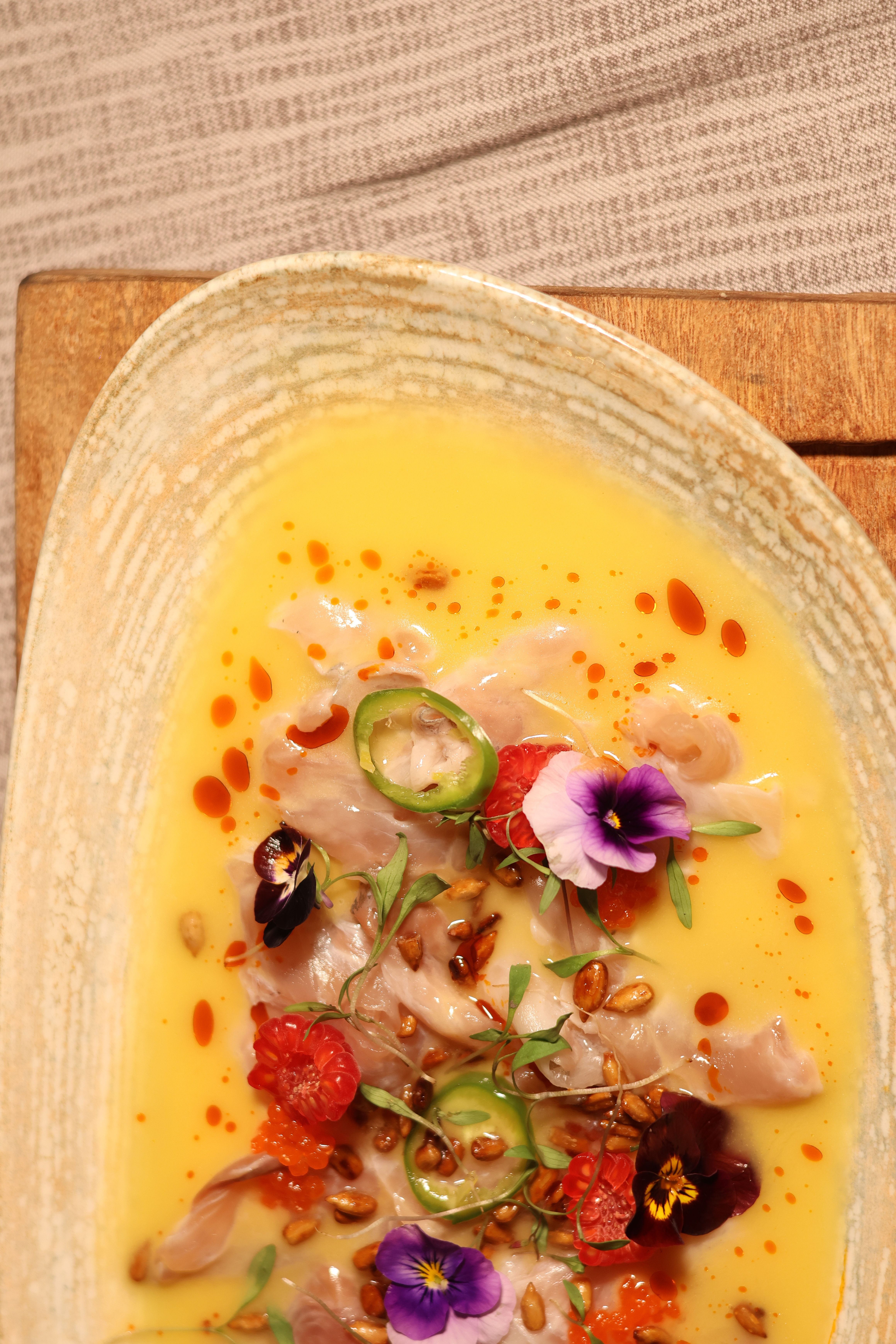
Photo: Kuiyibo Campos / Pexels
Latin-American
Tiradito
The diets react (see scores below)
Common Ingredients
- white fish
- lime juice
- ají amarillo
- ginger
- garlic
- cilantro
- sesame oil
- soy sauce
Specific recipes may vary.
Incompatible with 5 of 11 diets
Diet Ratings
Tiradito is a Peruvian-Japanese fusion dish of thinly sliced raw white fish in a citrus-chili sauce. The core ingredients are highly keto-compatible: white fish is lean high-quality protein with essentially zero carbs, lime juice adds minimal carbs in typical serving amounts, garlic and ginger contribute trace carbs, cilantro is negligible, and sesame oil adds healthy fat. Ají amarillo (yellow chili pepper) is a fresh pepper used in small sauce quantities, contributing minimal net carbs per serving. Soy sauce carries a small carb load but is used in modest amounts as a condiment. Overall net carbs for a standard serving remain well within keto limits, and the dish is whole, unprocessed, and free of grains or added sugars.
Some strict keto practitioners flag traditional soy sauce for containing wheat (making it non-keto-compliant) and would recommend substituting tamari or coconut aminos; purists may also note that ají amarillo paste versions sometimes contain added sugar, which would downgrade the dish.
Tiradito contains white fish as its primary protein, which is an animal product and therefore incompatible with a vegan diet. Fish is explicitly excluded under vegan principles regardless of how it is prepared or what plant-based accompaniments are used. The remaining ingredients — lime juice, ají amarillo, ginger, garlic, cilantro, sesame oil, and soy sauce — are all plant-derived, but the presence of fish alone renders this dish non-vegan.
Tiradito contains two clear paleo violations: soy sauce (a soy-based, grain-fermented condiment — both a legume and a processed food) and sesame oil (a seed oil explicitly excluded from paleo). These are not minor or debated ingredients; both are unambiguous violations with strong consensus across all major paleo authorities. The base ingredients — white fish, lime juice, ají amarillo, ginger, garlic, and cilantro — are fully paleo-compliant, but the dish as traditionally prepared cannot be approved or even cautioned due to the severity and clarity of the soy sauce and sesame oil violations.
Tiradito features white fish as the primary protein, which strongly aligns with Mediterranean diet principles emphasizing fish 2-3 times weekly. Lime juice, garlic, cilantro, and ají amarillo are whole, plant-based ingredients consistent with the diet's flavor profile. However, sesame oil and soy sauce are non-traditional elements that deviate from Mediterranean norms: sesame oil replaces extra virgin olive oil as the fat source, and soy sauce introduces significant sodium and a processed condiment not found in Mediterranean cooking. These ingredients don't outright contradict the diet's health principles, but they shift the dish away from its core framework. The dish scores higher than a typical caution item due to the excellent fish base, but the flavoring agents prevent a full approval.
Some Mediterranean diet interpreters focusing on overall dietary patterns rather than strict ingredient provenance might approve this dish, arguing that raw fish with fresh aromatics and a citrus-based preparation closely mirrors Mediterranean crudo or carpaccio traditions, and that small amounts of soy sauce and sesame oil don't meaningfully undermine the diet's health outcomes. The Oldways Mediterranean diet model emphasizes whole-food patterns over rigid ingredient lists.
While white fish is a carnivore-approved protein, Tiradito as prepared here is overwhelmingly non-carnivore. The dish contains multiple plant-derived ingredients: lime juice, ají amarillo (a plant pepper), ginger, garlic, cilantro, sesame oil (a plant oil), and soy sauce (a fermented legume product). Soy sauce and sesame oil are particularly problematic — soy is a legume and one of the most excluded foods on carnivore, and sesame oil is a plant-derived oil. The majority of this dish's flavor profile and marinade are entirely plant-based. Only the white fish itself would be carnivore-compatible. The dish cannot be considered carnivore in any meaningful sense.
Tiradito as listed contains soy sauce, which is a soy-based product and therefore explicitly excluded on the Whole30 (soy is a legume and soy sauce is a direct derivative). This single ingredient disqualifies the dish regardless of how compliant the other components are. White fish, lime juice, ají amarillo, ginger, garlic, and cilantro are all fully Whole30-compliant. Sesame oil is also compliant. However, soy sauce cannot be used. A compliant version of this dish is achievable by substituting coconut aminos for the soy sauce, which is an explicitly approved Whole30 swap.
Tiradito contains two major high-FODMAP ingredients that make it unsuitable during the elimination phase. Garlic is one of the highest-FODMAP foods tested by Monash University, containing significant fructans even in very small amounts — there is no safe serving size during elimination. Soy sauce (traditional wheat-based) also contains fructans from wheat, though gluten-free tamari is a low-FODMAP alternative. The remaining ingredients are generally low-FODMAP: white fish is a safe protein with no FODMAPs, lime juice is low-FODMAP, ají amarillo pepper is low-FODMAP in standard servings, fresh ginger is low-FODMAP at up to 1 teaspoon, cilantro is low-FODMAP as a garnish herb, and sesame oil is fat-based and FODMAP-free. However, garlic alone is sufficient to disqualify this dish during the strict elimination phase — it cannot be reduced to a 'safe' amount as even trace garlic in cooked dishes can trigger symptoms. The dish would need to be significantly reformulated (garlic-infused oil instead of garlic, tamari instead of soy sauce) to become elimination-safe.
Tiradito features white fish as the primary protein, which is an excellent lean protein source strongly endorsed by DASH guidelines. The marinade includes many DASH-friendly ingredients: lime juice, ají amarillo, ginger, garlic, and cilantro are all low-sodium, nutrient-rich additions. However, soy sauce is a significant sodium concern — a single tablespoon contains roughly 900–1,000mg of sodium, which can consume 40–65% of the DASH daily sodium allowance in one dish. Sesame oil is a vegetable oil and acceptable in small amounts, though it adds calories. The overall dish is otherwise aligned with DASH principles (lean fish, anti-inflammatory aromatics, no saturated fat concerns), but the soy sauce component creates a meaningful sodium problem that warrants a caution rating. Using low-sodium soy sauce or tamari could substantially improve the DASH compatibility of this dish.
NIH DASH guidelines explicitly flag high-sodium condiments like soy sauce as incompatible with sodium targets. However, some DASH-oriented clinicians note that when soy sauce is used sparingly as a flavor accent in a dish with otherwise exemplary ingredients (lean fish, fresh aromatics, no added saturated fat), the total sodium burden may remain within limits — particularly for non-hypertensive individuals on the standard 2,300mg threshold rather than the stricter 1,500mg target.
Tiradito is a Peruvian-Japanese fusion dish built around thinly sliced raw white fish (typically flounder, sea bass, or sole), making it an excellent lean protein source ideal for Zone blocks (~7g protein per block). The marinade — lime juice, ají amarillo, ginger, garlic, and cilantro — contributes negligible carbohydrates and adds potent anti-inflammatory polyphenols and capsaicins that align perfectly with Dr. Sears' anti-inflammatory emphasis. The fat profile is the main area requiring attention: sesame oil is predominantly polyunsaturated (omega-6 heavy), which Sears discourages, and the dish lacks a primary monounsaturated fat source. However, sesame oil is used in small quantities as a flavor accent, so its omega-6 load is likely minimal. Soy sauce adds sodium and trace carbohydrates but is used in condiment quantities. As a main course, this dish is essentially a lean protein course that would need to be paired with low-glycemic carbohydrate sides (salad greens, steamed vegetables) and a monounsaturated fat component (avocado, olive oil drizzle) to complete a balanced Zone meal. On its own it skews heavily protein-dominant, but the ingredients themselves are highly Zone-compatible.
The use of sesame oil — an omega-6-rich fat — runs counter to Sears' anti-inflammatory fat hierarchy, which prioritizes monounsaturated fats (olive oil, avocado) and omega-3s. Some Zone practitioners would flag this as a reason to substitute sesame oil with avocado or extra-virgin olive oil, or reduce it further. Additionally, traditional tiradito preparation may include small amounts of leche de tigre (tiger's milk marinade) which could add minimal sugar or starchy thickeners depending on the recipe, introducing slight glycemic variability.
Tiradito is a Peruvian-Japanese fusion dish featuring thinly sliced raw white fish cured in citrus, and this version has a strong anti-inflammatory profile overall. White fish (e.g., flounder, sea bass, sole) is lean, low in saturated fat, and provides high-quality protein; while not as omega-3-rich as fatty fish like salmon, it still contributes beneficial EPA/DHA. Lime juice is rich in vitamin C and flavonoids. Ají amarillo is a colorful Peruvian chili pepper loaded with carotenoids and capsaicin, both of which have documented anti-inflammatory effects. Ginger contains gingerols and shogaols — well-established anti-inflammatory compounds. Garlic provides allicin and organosulfur compounds that reduce inflammatory markers. Cilantro adds antioxidant polyphenols. The two ingredients that introduce nuance are sesame oil and soy sauce. Sesame oil is relatively high in omega-6 linoleic acid, which is a concern in the anti-inflammatory framework when used in large quantities, though it also contains sesamol and sesaminol — lignans with antioxidant properties. Used in small amounts as a flavor accent (typical in this preparation), the omega-6 burden is modest. Soy sauce adds sodium and is a processed ingredient, but the quantities used are small and fermented soy products are generally acceptable in anti-inflammatory eating. On balance, the dish is herb- and spice-forward, uses a lean protein, and avoids red meat, refined carbohydrates, added sugars, or trans fats.
Sesame oil is debated within anti-inflammatory nutrition: many anti-inflammatory protocols flag high-omega-6 seed oils as problematic due to oxidation potential and arachidonic acid conversion, while mainstream nutrition and some anti-inflammatory researchers (including those who distinguish cold-pressed from refined oils) consider small amounts of sesame oil acceptable or even beneficial due to its antioxidant lignans. Additionally, soy sauce is a processed, high-sodium condiment that some stricter anti-inflammatory practitioners (e.g., AIP-influenced approaches) would caution against.
Tiradito is a Peruvian-Japanese fusion dish of thinly sliced raw white fish cured in citrus and dressed with ají amarillo, ginger, garlic, cilantro, sesame oil, and soy sauce. The white fish base is an excellent lean protein source — high protein density, very low fat, easy to digest, and nutrient-dense per calorie, all strongly aligned with GLP-1 dietary priorities. Lime juice aids in light acid curing without adding calories. Sesame oil and soy sauce are present in small amounts; sesame oil adds a modest hit of fat (primarily unsaturated), and soy sauce adds sodium but negligible calories. The main caution flags are: (1) ají amarillo is a moderately spicy chili — not at the extreme heat level of habanero, but enough to potentially worsen reflux or nausea in GLP-1 patients with active GI side effects; (2) the dish is essentially zero fiber, which is a meaningful gap given fiber is a top-two priority; (3) raw fish carries a small food safety consideration, though this is standard for the dish and not GLP-1-specific. Sesame oil and soy sodium are minor concerns at typical tiradito serving sizes. Overall this is a high-quality protein source in a light, easily digestible preparation, but the spice level and fiber gap prevent a full approval.
Most GLP-1-focused dietitians would view the spice level of ají amarillo as a meaningful concern during the early dose-escalation phase when nausea and reflux are most pronounced, and would recommend omitting or reducing it; however, some clinicians consider ají amarillo mild enough at standard tiradito quantities that it poses no practical risk for patients who are past the initial adjustment period and have no active GI complaints.
*See how scores were generated at our methodology page.
Nutritional profile
Six traits that cut across every diet.
Fiber & Plants
How much whole-plant food and fiber it delivers.
Healthy Fats
The quality of its fats (unsaturated, omega-3).
Whole / Unprocessed
How close it is to its natural, unprocessed form.
Gut Gentle
How easy it is on digestion (low FODMAP, few irritants).
Low Glycemic
How little it spikes your blood sugar.
Protein Density
How much protein it packs per calorie.
Controversy Index
Higher controversy = more disagreement between diets.
Diet-Specific Tips
 Keto — 8/10
View tips
- White fish is zero-carb, high-quality protein — ideal for keto
- Sesame oil provides healthy fat content
- Lime juice used in small amounts keeps net carbs minimal
- Ají amarillo adds flavor with low carb impact at typical sauce quantities
- Soy sauce contains wheat and small carbs — a concern for strict keto; tamari is a common substitute
- No grains, starches, or added sugars in the base recipe
- Ginger and garlic contribute negligible net carbs per serving
 Mediterranean — 6/10
View tips
- White fish is an excellent Mediterranean protein source, encouraged 2-3 times weekly
- Lime juice, garlic, cilantro, and ají amarillo are whole, fresh plant-based ingredients
- Sesame oil replaces extra virgin olive oil, the canonical Mediterranean fat source
- Soy sauce is a processed condiment with high sodium, non-traditional in Mediterranean cooking
- No refined grains, added sugars, or red meat present
- Preparation is raw/minimal processing, consistent with Mediterranean whole-food principles
 DASH — 5/10
View tips
- White fish is a lean, DASH-approved protein source
- Soy sauce is a high-sodium condiment that can contribute 900–1,000mg sodium per tablespoon
- Lime juice, ají amarillo, ginger, garlic, and cilantro are DASH-compatible flavor enhancers
- Sesame oil is a vegetable oil acceptable in small quantities under DASH
- No saturated fat, added sugars, or processed ingredients beyond soy sauce
- Low-sodium soy sauce substitution would significantly improve DASH compatibility
- Sodium impact depends heavily on the quantity of soy sauce used in preparation
 Zone — 8/10
View tips
- White fish is an ideal Zone lean protein source, easily portioned in 7g protein blocks
- Lime juice, ají amarillo, ginger, garlic, and cilantro are anti-inflammatory, polyphenol-rich, low-carb flavorings strongly aligned with Zone principles
- Sesame oil is omega-6 dominant, conflicting with Sears' preference for monounsaturated and omega-3 fats
- Soy sauce adds negligible carbs and sodium but is used in trace amounts
- Dish is protein-dominant and requires pairing with low-glycemic carbs and a monounsaturated fat to complete the 40/30/30 Zone ratio
- No high-glycemic carbohydrates, refined sugars, or processed ingredients present
- Strong anti-inflammatory ingredient profile aligns with Sears' later Zone writings emphasizing polyphenols and omega-3s
 Anti-Inflammatory — 8/10
View tips
- White fish provides lean protein with moderate omega-3 fatty acids
- Ají amarillo is rich in carotenoids and capsaicin — anti-inflammatory
- Ginger (gingerols/shogaols) and garlic (allicin) are well-supported anti-inflammatory spices
- Lime juice contributes vitamin C and flavonoids
- Cilantro adds antioxidant polyphenols
- Sesame oil contributes omega-6 fatty acids but is used in small quantities as a flavor accent
- Soy sauce is processed and high in sodium but used in small amounts
- No refined carbohydrates, added sugars, trans fats, or red meat
 GLP-1 Friendly — 6/10
View tips
- High-quality lean protein from white fish — strongly aligned with GLP-1 protein priority
- Zero fiber — notable gap; recommend pairing with a high-fiber side
- Ají amarillo introduces moderate spice risk for GLP-1-related reflux and nausea, especially early in treatment
- Sesame oil adds small amount of unsaturated fat — acceptable at typical serving size
- Soy sauce adds sodium; relevant for patients with hypertension but not a GLP-1-specific concern
- Raw fish preparation is light and easy to digest — favorable for slowed gastric emptying
- Small, elegant portion size is well-suited to reduced appetite on GLP-1 therapy