Photo: Giona Mason / Pexels
Italian
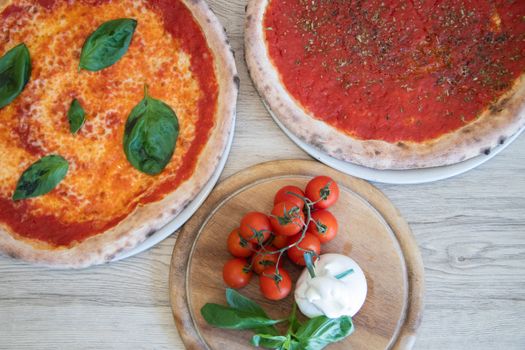
Pizza Marinara
The diets react (see scores below)
Common Ingredients
- pizza dough
- tomatoes
- garlic
- oregano
- olive oil
- salt
Specific recipes may vary.
Incompatible with 5 of 11 diets
Diet Ratings
Pizza Marinara is fundamentally incompatible with a ketogenic diet. The primary ingredient, pizza dough, is made from wheat flour — a grain-based, high-carbohydrate food. A standard slice of pizza crust alone contains 20-30g of net carbs, meaning even a single slice could exhaust or exceed the entire daily carb allowance for ketosis. The tomato sauce adds additional net carbs (3-5g per serving). There are no significant fat sources to offset this, and no protein to speak of. The olive oil and herbs are keto-friendly, but they cannot redeem a dish built on a wheat-flour foundation. No reasonable portion of traditional pizza fits within keto macros.
Pizza Marinara is one of the most naturally vegan pizzas in Italian cuisine. All listed ingredients — pizza dough (flour, water, yeast, salt), tomatoes, garlic, oregano, olive oil, and salt — are entirely plant-based with no animal products involved. Unlike Pizza Margherita, Marinara contains no cheese, making it unambiguously vegan as traditionally prepared. The ingredients are whole or minimally processed foods, which places it toward the higher end of the approval score range. The only minor caveat is that commercial pizza dough occasionally contains milk or eggs, but the traditional and standard recipe does not.
Pizza Marinara is fundamentally incompatible with the paleo diet. The primary component, pizza dough, is made from wheat flour — a grain that is strictly excluded from paleo. Grains are one of the clearest 'avoid' categories due to their gluten content, anti-nutrients (lectins, phytates), and complete absence from the Paleolithic diet. The remaining ingredients — tomatoes, garlic, oregano, and olive oil — are all paleo-compliant, and even salt is a minor concern by comparison. However, the grain-based dough is a non-negotiable disqualifier. No modification short of replacing the dough entirely (e.g., with a cauliflower or almond flour base) would make this dish paleo-compatible.
Pizza Marinara is one of the simplest and most traditional Neapolitan pizzas, featuring whole-food Mediterranean ingredients: tomatoes, garlic, oregano, and extra virgin olive oil. These toppings are exemplary Mediterranean staples. The primary concern is the pizza dough, which is typically made from refined white flour — a refined grain that modern Mediterranean diet guidelines discourage in favor of whole grains. However, traditional Mediterranean cuisine does include white-flour flatbreads and pizzas as part of a balanced diet, and the topping profile is nearly ideal. In moderation, and especially if made with whole wheat or partially whole-grain dough, this dish can fit well within the pattern.
Traditional Southern Italian and Neapolitan dietary patterns have long included white-flour pizza as a culturally authentic component, and some Mediterranean diet researchers (e.g., those drawing on the original Ancel Keys Seven Countries Study observations in Italy) would consider occasional white-flour pizza acceptable, particularly given the highly nutritious olive oil and tomato topping.
Pizza Marinara is entirely plant-based and grain-based with zero animal products. Every single ingredient — pizza dough (wheat grain), tomatoes (fruit/vegetable), garlic (vegetable), oregano (plant spice), and olive oil (plant oil) — is explicitly excluded from the carnivore diet. There is no animal protein, no animal fat, and no animal-derived ingredient whatsoever. This dish is antithetical to carnivore principles at every level.
Pizza Marinara contains pizza dough, which is made from wheat flour — a grain that is explicitly excluded on the Whole30. Beyond the grain violation, the dish itself is pizza, which is explicitly named in the Whole30 'no recreating baked goods/junk food' rule. Rule 4 specifically lists 'pizza crust' and 'pizza' as prohibited even if compliant ingredients were used. This dish fails on two independent grounds: the grain content of the dough and the junk-food recreation rule.
Pizza Marinara contains two major high-FODMAP ingredients that make it unsuitable during the elimination phase. First, standard pizza dough is made from wheat flour, which is high in fructans — a key FODMAP — at any reasonable pizza serving size. Second, garlic is one of the highest-fructan foods tested by Monash University and is a clear 'avoid' at any amount. Even a single clove or traces of cooked garlic are sufficient to trigger symptoms in sensitive individuals. The tomato sauce and oregano are low-FODMAP, and olive oil is fully safe, but the combination of wheat dough and garlic makes this dish incompatible with the FODMAP elimination phase without significant modification (i.e., gluten-free dough and garlic-infused oil instead of garlic cloves).
Pizza Marinara is simpler than most pizzas — no cheese, no processed meats — which removes several major DASH concerns like saturated fat and high sodium from dairy and cured meats. The tomatoes provide potassium and lycopene, garlic has cardiovascular benefits, and olive oil is a heart-healthy fat consistent with DASH principles. However, the pizza dough is typically made with refined white flour (not a whole grain) and contributes significant sodium depending on recipe. Additional salt in the recipe further raises sodium concerns. The overall sodium content of a typical slice can range from 300–600mg, making portion control critical. The absence of vegetables beyond tomato sauce and the refined grain base prevent a full approval, though this is among the more DASH-friendly pizza options available. Using whole wheat dough and limiting added salt would meaningfully improve the DASH score.
NIH DASH guidelines emphasize whole grains and sodium reduction, which standard pizza dough works against. However, some updated clinical interpretations note that Pizza Marinara — with its tomato base, olive oil, garlic, and absence of saturated-fat-heavy cheese or processed meats — aligns reasonably well with a Mediterranean-DASH hybrid approach (MIND diet), and some DASH practitioners consider it acceptable in moderate portions when made with whole wheat dough and minimal salt.
Pizza Marinara presents significant Zone Diet challenges primarily because of its macro imbalance. The dominant ingredient is pizza dough — a refined, high-glycemic carbohydrate that Dr. Sears classifies as an 'unfavorable' carb. A typical serving delivers a large carbohydrate load with negligible protein, making the 40/30/30 ratio nearly impossible to achieve from the dish alone. The olive oil is a genuine Zone positive (monounsaturated fat), and tomatoes, garlic, and oregano are favorable low-glycemic, polyphenol-rich Zone foods. However, the absence of any protein source means this dish cannot stand alone as a Zone meal — it is essentially a fat-carb combination with no protein block. To fit into the Zone framework, a person would need to pair it with a substantial lean protein source, eat only a very small slice, and treat the pizza itself as a partial carb block rather than a full meal. The dish scores in 'caution' rather than 'avoid' because Zone is ratio-based, and technically a small portion could be incorporated with careful protein pairing — but the refined flour base and protein absence make this structurally unfavorable.
Pizza Marinara is one of the cleanest pizza preparations possible, containing no cheese and no processed meats. Its ingredients are largely anti-inflammatory: tomatoes provide lycopene and antioxidants, garlic is a well-documented anti-inflammatory agent, oregano contains rosmarinic acid and other polyphenols, and olive oil (ideally extra virgin) contributes oleocanthal, a potent anti-inflammatory compound comparable in mechanism to ibuprofen. These components align well with anti-inflammatory principles. The limiting factor is the pizza dough: traditional white flour dough is a refined carbohydrate with a high glycemic index, and refined carbs are consistently associated with pro-inflammatory signaling in the research literature. The degree to which this matters depends heavily on portion size and whether the dough is made from whole grain or refined flour. A whole-grain or sourdough base would push this toward a solid 'approve,' but standard white flour dough keeps it in the 'caution' range. Overall, this is one of the more diet-friendly pizza options — better than any cheese-laden or processed-meat version — but the refined carbohydrate base prevents a full approval.
Some anti-inflammatory practitioners, particularly those following Mediterranean diet principles as interpreted by researchers like Dr. Weil, would consider traditional Italian pizza dough (especially naturally leavened or sourdough) as acceptable in moderate portions, given the strong anti-inflammatory profile of the other ingredients and the overall dietary pattern context. The tomato-garlic-olive oil combination is a cornerstone of the Mediterranean diet, which has robust clinical evidence for reducing inflammatory markers. A minority would rate this more favorably at 6–7.
Pizza Marinara is a traditional Italian pizza with no cheese, making it lower in fat and calories than most pizzas, but it still falls short of GLP-1 dietary priorities. The refined wheat dough provides very little protein and is a low-nutrient-density refined carbohydrate that spikes blood sugar without meaningful satiety. Tomato sauce provides some lycopene and modest fiber, and olive oil contributes beneficial unsaturated fat, but these positives don't offset the core problem: this dish is essentially empty calories for a GLP-1 patient eating very small portions. A standard slice delivers roughly 2-4g protein and 1-2g fiber — far below the 15-30g protein per meal target. The absence of cheese or any protein source is the defining weakness. It is not actively harmful the way fried or high-fat foods are, and it is easy to digest, but it occupies stomach space and calorie budget without delivering the protein or fiber GLP-1 patients critically need.
*See how scores were generated at our methodology page.
Nutritional profile
Six traits that cut across every diet.
Fiber & Plants
How much whole-plant food and fiber it delivers.
Healthy Fats
The quality of its fats (unsaturated, omega-3).
Whole / Unprocessed
How close it is to its natural, unprocessed form.
Gut Gentle
How easy it is on digestion (low FODMAP, few irritants).
Low Glycemic
How little it spikes your blood sugar.
Protein Density
How much protein it packs per calorie.
Controversy Index
Higher controversy = more disagreement between diets.
Diet-Specific Tips
 Vegan — 9/10
View tips
- No cheese — distinguishes it from most pizzas and removes the primary vegan concern
- All core ingredients are whole plant foods: tomatoes, garlic, oregano, olive oil
- Traditional pizza dough is plant-based (flour, water, yeast, salt)
- No animal-derived ingredients present or implied by the standard recipe
- One of the oldest documented pizzas, historically made without any animal products
 Mediterranean — 6/10
View tips
- Refined white flour dough is a concern under modern Mediterranean diet guidelines preferring whole grains
- Toppings — tomatoes, garlic, oregano, extra virgin olive oil — are core Mediterranean staples
- No animal products, processed ingredients, or added sugars
- Traditional Neapolitan dish with deep roots in Mediterranean culinary heritage
- Portion size and frequency matter; occasional consumption fits the pattern
 DASH — 5/10
View tips
- No cheese removes saturated fat concern — a significant DASH advantage over standard pizza
- Refined white flour dough is not a whole grain, conflicting with DASH grain recommendations
- Tomatoes provide potassium and lycopene, supporting cardiovascular health
- Olive oil is consistent with DASH-approved healthy fats
- Added salt in dough and sauce raises sodium concerns; a typical slice can contribute 300–600mg sodium
- Portion control is critical — DASH grain servings are limited (6–8 per day, preferably whole grain)
- Whole wheat dough substitution and reduced salt would improve DASH compatibility significantly
 Zone — 4/10
View tips
- Pizza dough is a high-glycemic refined carbohydrate, classified 'unfavorable' in Zone terminology
- No protein source present — the 30% protein target cannot be met from this dish alone
- Olive oil is a positive Zone fat (monounsaturated, anti-inflammatory)
- Tomatoes and garlic are favorable Zone carbs (low-glycemic, polyphenol-rich)
- Macro ratio is heavily skewed toward carbohydrates and fat with zero protein
- Would require very small portion plus a lean protein side to fit any Zone meal structure
 Anti-Inflammatory — 5/10
View tips
- Tomatoes: rich in lycopene and antioxidants — anti-inflammatory
- Garlic: well-established anti-inflammatory and antimicrobial properties
- Oregano: contains rosmarinic acid and polyphenols — anti-inflammatory
- Olive oil: oleocanthal and oleic acid — strongly anti-inflammatory
- Pizza dough (white flour): refined carbohydrate — pro-inflammatory, raises glycemic load
- No cheese or processed meats — avoids saturated fat and sodium concerns
- Whole-grain or sourdough dough substitution would significantly improve the profile
 GLP-1 Friendly — 4/10
View tips
- No meaningful protein source — falls far short of the 15-30g per meal target
- Refined dough is a low-nutrient-density carbohydrate with minimal fiber
- Olive oil provides heart-healthy unsaturated fat, a positive
- Tomatoes contribute lycopene, potassium, and modest fiber
- No cheese means lower fat and easier digestion than standard pizza
- Small portion tolerance is poor — a single slice is unlikely to satisfy nutritional needs
- Better suited as a side or accompaniment than a standalone main dish for GLP-1 patients