Mexican
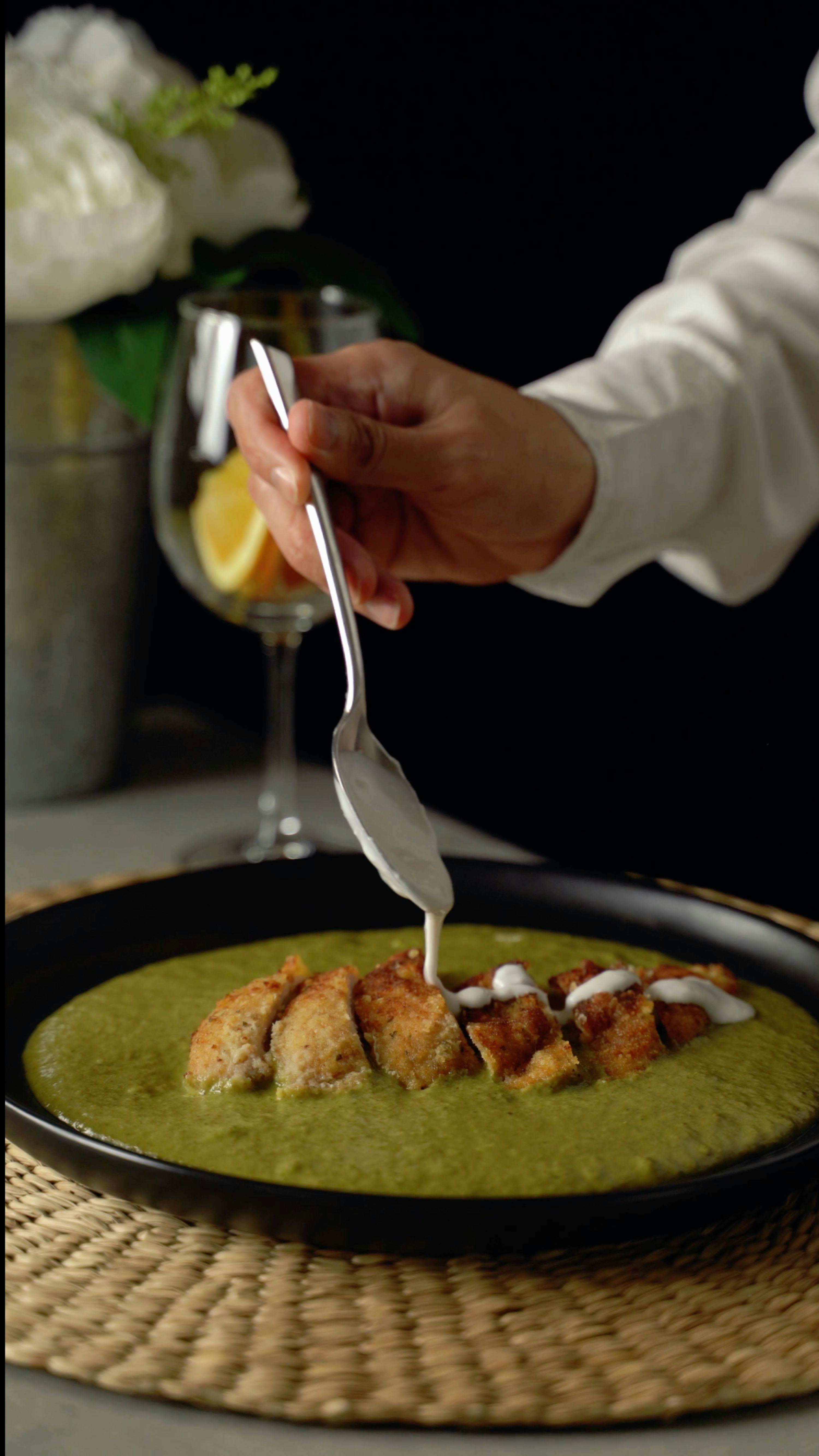
Pollo en Mole Verde
The diets react (see scores below)
Common Ingredients
- chicken
- tomatillos
- pumpkin seeds
- poblano peppers
- cilantro
- onion
- garlic
- epazote
Specific recipes may vary.
Incompatible with 3 of 11 diets
Diet Ratings
Pollo en Mole Verde is a relatively keto-friendly Mexican dish compared to red or dark moles, but requires portion awareness. The base protein (chicken) is ideal for keto. Pumpkin seeds (pepitas) contribute healthy fats and moderate protein. The main carb concern comes from tomatillos (~4g net carbs per 100g) and the onion and poblano peppers, which add up meaningfully across a full serving. A typical mole verde sauce serving may contain 8-15g net carbs depending on tomatillo and onion quantities, which is manageable within a daily keto budget but not negligible. Garlic, cilantro, and epazote are negligible carb contributors. There are no grains, added sugars, or high-starch thickeners (unlike many mole negro/rojo preparations), which is a significant advantage. A standard portion (with sauce) can fit keto if tracked carefully, but liberal servings or restaurant portions could approach or exceed safe thresholds.
Stricter keto practitioners may flag tomatillos as too carb-dense for regular inclusion, arguing that even moderate amounts of the sauce can erode daily carb limits quickly, especially if combined with other vegetable-based ingredients throughout the day. Some strict/clinical keto protocols recommend avoiding any dish where carb content is difficult to precisely control.
Pollo en Mole Verde contains chicken as its primary protein, which is poultry and a direct animal product. This is a clear and unambiguous violation of vegan dietary principles. The remaining ingredients — tomatillos, pumpkin seeds, poblano peppers, cilantro, onion, garlic, and epazote — are all fully plant-based, but the presence of chicken makes the dish incompatible with a vegan diet. There is no debate within the vegan community about whether poultry is excluded.
Pollo en Mole Verde is composed entirely of whole, unprocessed paleo-approved ingredients. Chicken is a clean animal protein fully endorsed by all paleo authorities. Tomatillos are nightshade fruits used as vegetables, naturally available and unprocessed. Pumpkin seeds (pepitas) are seeds — explicitly approved in paleo. Poblano peppers, cilantro, onion, garlic, and epazote are all whole vegetables and herbs with no paleo objections. Unlike mole negro or mole rojo, this green mole contains no chocolate, grains, or legumes as thickeners — the pumpkin seeds serve that role naturally. There are no grains, dairy, seed oils, refined sugars, legumes, or processed additives in this dish. This is an excellent example of a traditionally prepared, nutrient-dense paleo meal.
Pollo en Mole Verde features chicken as the primary protein, which Mediterranean diet guidelines classify as acceptable in moderation (a few servings per week). The supporting ingredients are largely excellent from a Mediterranean perspective: tomatillos and poblano peppers are vegetable-forward, pumpkin seeds (pepitas) are nutrient-dense seeds analogous to the nuts and seeds emphasized in the diet, and aromatics like onion, garlic, and cilantro are staples. The dish is whole-food, minimally processed, and free of refined grains or added sugars. The main limiting factor is the chicken itself, which places this in the 'caution/moderation' category rather than a full approval. The ingredient profile is otherwise very compatible with Mediterranean principles.
Some Mediterranean diet practitioners and researchers would score this higher, noting that the plant-to-protein ratio is favorable and that pumpkin seeds as a primary fat/sauce base closely mirrors the role of nuts in traditional Mediterranean cooking. The vegetable-forward mole verde could be seen as functionally similar to Mediterranean vegetable-based sauces like sofrito or salsa verde.
Pollo en Mole Verde is almost entirely plant-based in its sauce composition. While chicken is a carnivore-compatible protein, it is completely overwhelmed by a sauce built from tomatillos, pumpkin seeds, poblano peppers, cilantro, onion, garlic, and epazote — all strictly excluded plant foods. Tomatillos and peppers are nightshade vegetables, pumpkin seeds are plant seeds, and the aromatics (onion, garlic, cilantro, epazote) are all plant-derived herbs and vegetables. The dish has no redeeming carnivore qualities beyond the chicken itself, and as prepared it is fundamentally incompatible with the carnivore diet.
Pollo en Mole Verde is made entirely of Whole30-compliant ingredients. Chicken is an approved protein. Tomatillos, poblano peppers, cilantro, onion, and garlic are all vegetables/aromatics explicitly allowed on the program. Pumpkin seeds (pepitas) are seeds, not legumes, and are fully compliant. Epazote is an herb used in traditional Mexican cooking and is permitted. There are no grains, legumes, dairy, added sugars, or any other excluded ingredients in this dish. This is a whole-food, minimally processed meal that aligns perfectly with the spirit of the Whole30 program.
Pollo en Mole Verde contains two high-FODMAP ingredients that are problematic even in small amounts during the elimination phase: onion (high in fructans) and garlic (high in fructans). Both are core flavoring ingredients in mole verde and cannot be considered incidental trace amounts — they are foundational to the sauce's flavor profile. Tomatillos are low-FODMAP at a standard serving (approximately 2 medium tomatillos). Pumpkin seeds (pepitas) are low-FODMAP at around 2 tablespoons. Poblano peppers are low-FODMAP in typical serving sizes. Cilantro and epazote are used as herbs in small quantities and are low-FODMAP. Chicken is a plain protein and fully low-FODMAP. However, the combination of onion and garlic — both classic high-FODMAP foods with no safe threshold during elimination — makes this dish as traditionally prepared a clear avoid for the elimination phase of the low-FODMAP diet.
Pollo en Mole Verde is well-aligned with DASH dietary principles. Chicken (presumably skinless) is a lean protein explicitly encouraged by DASH. Tomatillos, poblano peppers, onion, garlic, cilantro, and epazote are all vegetables/herbs that contribute potassium, magnesium, fiber, and antioxidants with negligible sodium in their natural form. Pumpkin seeds (pepitas) are a DASH-friendly nut/seed providing magnesium, potassium, healthy unsaturated fats, and plant-based protein — nuts and seeds are a named DASH food group. Unlike red mole (mole negro/rojo), mole verde contains no chocolate, minimal saturated fat, and is not sodium-dense in its traditional preparation. The dish's overall nutrient profile — lean protein, multiple vegetables, heart-healthy seeds — closely mirrors DASH recommendations. The main caution is that restaurant or commercially prepared versions may add significant sodium via broth or seasoning salt, and portion size of pumpkin seeds should be moderate due to caloric density.
NIH DASH guidelines do not specifically address mole verde, so this rating is inferred from its component ingredients. Some DASH-oriented clinicians may apply caution if the dish is prepared with salted broth or served in large restaurant portions that push sodium and calorie totals higher than intended; they might suggest approving only home-prepared versions where sodium is controlled.
Pollo en Mole Verde is an excellent Zone-compatible dish. The primary protein is chicken, which is a lean, Zone-favorable protein source that aligns perfectly with the ~25g protein per meal target. The carbohydrate base — tomatillos, poblano peppers, onion, and garlic — consists entirely of low-glycemic vegetables that are Zone-favorable and contribute to the recommended 8 vegetable servings per day. Pumpkin seeds (pepitas) serve as the primary fat source and provide predominantly monounsaturated and polyunsaturated fats with a reasonable omega-6 profile, along with some additional protein blocks. Cilantro and epazote add polyphenols and anti-inflammatory compounds that align with Sears' later emphasis on micronutrient density. The dish naturally approximates a Zone-favorable ratio: lean protein from chicken, low-GI carbs from vegetables and tomatillos, and healthy fats from pumpkin seeds. Portion control is straightforward — a standard serving of chicken breast (3 oz) with a modest mole verde sauce achieves near-ideal Zone block ratios. No high-glycemic carbs, no refined sugars, no processed ingredients, and no problematic saturated fats are present. This is the kind of whole-food, traditionally prepared dish that fits naturally into Zone eating.
Pollo en Mole Verde is a strong anti-inflammatory dish overall. Pumpkin seeds (pepitas) are rich in magnesium, zinc, and plant-based omega-3 ALA, and contain antioxidants that help reduce inflammatory markers. Tomatillos are high in withanolides and antioxidants with documented anti-inflammatory properties. Poblano peppers provide capsaicin and vitamin C, both associated with reduced inflammation. Garlic and onion contribute quercetin, allicin, and other polyphenols well-supported in anti-inflammatory research. Cilantro and epazote add antioxidant flavonoids and are traditional medicinal herbs. Lean poultry (chicken) is in the 'moderate' tier — acceptable and far preferable to red meat. The dish as a whole is minimally processed, built from whole ingredients, and free from refined carbohydrates, added sugars, or problematic fats. The primary concern is that tomatillos and poblano peppers are nightshades, which is contested in AIP and autoimmune-focused anti-inflammatory protocols. For the general population, mainstream anti-inflammatory guidance strongly supports these ingredients.
Tomatillos and poblano peppers are nightshade vegetables — mainstream anti-inflammatory nutrition (including Dr. Weil's framework) endorses them for their high antioxidant content, including flavonoids and carotenoids. However, the Autoimmune Protocol (AIP) and practitioners like Dr. Tom O'Bryan argue that solanine and lectins in nightshades can trigger gut permeability and inflammation in genetically susceptible individuals, particularly those with autoimmune conditions.
Pollo en Mole Verde is a strong GLP-1-friendly dish. Chicken provides lean, high-quality protein (roughly 25-30g per standard serving) supporting the critical muscle-preservation goal. Tomatillos and poblano peppers add fiber, vitamins C and K, and high water content that supports hydration. Pumpkin seeds (pepitas) are the main nutritional wildcard — they contribute magnesium, zinc, iron, and additional protein, but also add meaningful unsaturated fat. In typical mole verde proportions, pumpkin seeds are used as a sauce thickener rather than consumed in large quantity, keeping fat per serving moderate rather than high. The remaining ingredients (cilantro, onion, garlic, epazote) are nutrient-dense, easy to digest, and GLP-1-neutral. The dish is not fried, not heavily processed, contains no refined grains or added sugars, and is made from whole ingredients — scoring well on nutrient density per calorie. Poblano peppers are mild-to-medium heat and generally well-tolerated; they are unlikely to trigger GLP-1 reflux or nausea the way hotter chilies would. Overall this is a well-balanced main dish that hits protein, fiber, and micronutrient targets without the fat, sugar, or digestive burden that would lower the score.
Pumpkin seeds are calorie-dense and the fat content of mole verde varies significantly depending on how liberally seeds are used — some RDs working with GLP-1 patients flag seed-thickened sauces as portion-sensitive due to the fat load potentially worsening nausea or slowing gastric emptying further. Individual tolerance to the mild heat of poblanos also varies, with some patients reporting increased reflux sensitivity while on GLP-1 medications.
*See how scores were generated at our methodology page.
Nutritional profile
Six traits that cut across every diet.
Fiber & Plants
How much whole-plant food and fiber it delivers.
Healthy Fats
The quality of its fats (unsaturated, omega-3).
Whole / Unprocessed
How close it is to its natural, unprocessed form.
Gut Gentle
How easy it is on digestion (low FODMAP, few irritants).
Low Glycemic
How little it spikes your blood sugar.
Protein Density
How much protein it packs per calorie.
Controversy Index
Higher controversy = more disagreement between diets.
Diet-Specific Tips
 Keto — 5/10
View tips
- Chicken is a clean, zero-carb protein source
- Pumpkin seeds add healthy fats and are low net-carb
- Tomatillos are the primary carb contributor (~4g net carbs/100g) and can accumulate
- No grains, added sugars, or starchy thickeners — a major advantage over other moles
- Poblano peppers and onion add moderate carbs that require tracking
- Total net carbs per serving estimated at 8-15g depending on sauce volume
- Fits keto with portion control; problematic in large or untracked servings
 Paleo — 9/10
View tips
- Chicken is a fully approved paleo protein source
- Pumpkin seeds are paleo-approved seeds and serve as the natural thickener — no grain or legume flour used
- Tomatillos, poblano peppers, onion, and garlic are all whole, unprocessed paleo vegetables
- Cilantro and epazote are herbs with no paleo restrictions
- No dairy, grains, legumes, seed oils, refined sugar, or processed ingredients present
- This green mole variant avoids the chocolate and chili paste complexities of darker moles
 Mediterranean — 6/10
View tips
- Chicken is a moderate/caution protein — acceptable but not a staple in Mediterranean diet
- Pumpkin seeds are a healthy, plant-based fat source analogous to Mediterranean nuts
- Tomatillos and poblano peppers contribute significant vegetable content
- No refined grains, added sugars, or processed ingredients
- Garlic and onion are Mediterranean staples
- Dish is whole-food and minimally processed overall
 Whole30 — 9/10
View tips
- Chicken is a compliant Whole30 protein
- Tomatillos, poblanos, onion, and garlic are all allowed vegetables/aromatics
- Pumpkin seeds are seeds (not legumes) and are fully compliant
- Epazote is a traditional Mexican herb — permitted
- Cilantro is an allowed fresh herb
- No excluded ingredients present
- Dish honors the whole-food spirit of the program
 DASH — 8/10
View tips
- Lean chicken protein aligns with DASH lean meat/poultry recommendations
- Tomatillos, poblanos, onion, and garlic contribute potassium, fiber, and antioxidants with minimal sodium
- Pumpkin seeds are a DASH-endorsed nut/seed providing magnesium and healthy unsaturated fats
- No red meat, tropical oils, full-fat dairy, or added sugars
- Traditional preparation is naturally low in saturated fat and sodium
- Restaurant/commercial versions may contain elevated sodium from broth or seasoning — home preparation preferred
- Portion control on pumpkin seeds advised due to caloric density
 Zone — 8/10
View tips
- Chicken is a lean, Zone-ideal protein source
- Tomatillos and poblano peppers are low-glycemic Zone-favorable vegetables
- Pumpkin seeds provide monounsaturated/polyunsaturated fats consistent with Zone fat recommendations
- No high-glycemic carbohydrates, refined sugars, or processed ingredients
- Cilantro, epazote, and garlic contribute polyphenols supporting Sears' anti-inflammatory protocol
- Dish can be naturally portioned to achieve 40/30/30 macro ratio without significant modification
- Pumpkin seeds add both fat blocks and supplemental protein blocks, aiding Zone block balancing
 Anti-Inflammatory — 8/10
View tips
- Pumpkin seeds provide anti-inflammatory magnesium, zinc, and plant-based ALA omega-3s
- Tomatillos rich in withanolides and antioxidants with anti-inflammatory properties
- Poblano peppers supply capsaicin and vitamin C, both reducing inflammatory markers
- Garlic and onion deliver quercetin, allicin, and potent anti-inflammatory polyphenols
- Lean chicken is a moderate-tier protein — lower inflammatory load than red meat
- Cilantro and epazote add antioxidant flavonoids and traditional anti-inflammatory compounds
- Nightshade ingredients (tomatillos, poblano) are contested in AIP/autoimmune protocols
- Whole, minimally processed ingredients with no refined sugars or pro-inflammatory fats
 GLP-1 Friendly — 8/10
View tips
- Lean chicken protein supports muscle preservation — approximately 25-30g protein per serving
- Tomatillos and poblano peppers add fiber and high water content for hydration support
- Pumpkin seeds contribute unsaturated fats, magnesium, zinc, and protein — beneficial but calorie-dense
- No frying, no refined grains, no added sugars — whole food ingredient list
- Mild heat from poblanos generally well-tolerated but individual GI sensitivity varies
- Nutrient density per calorie is high across all ingredients
- Portion size of pumpkin seeds in sauce affects fat load — standard recipe proportions keep it moderate