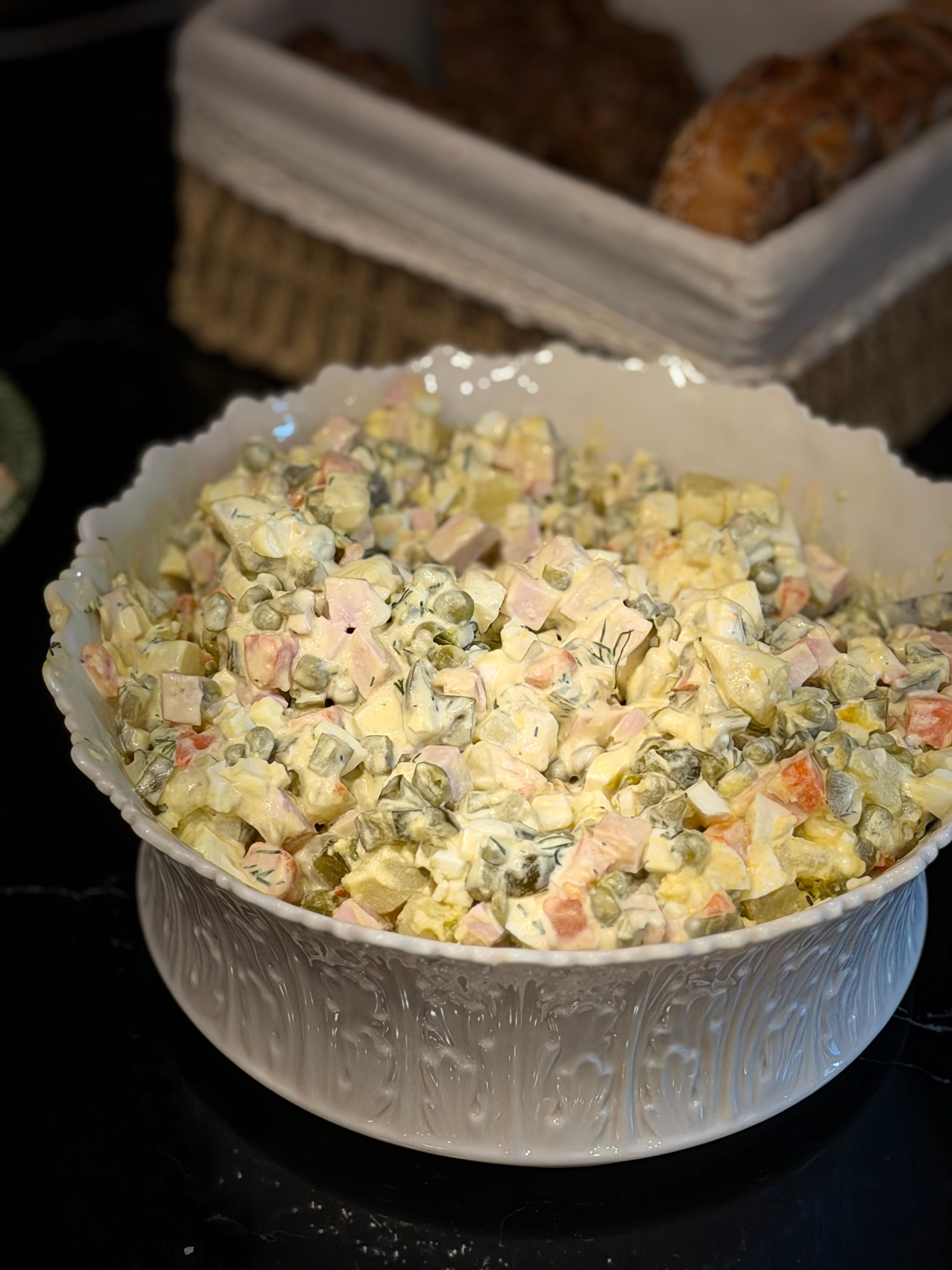
The diets react (see scores below)
Common Ingredients
- russet potatoes
- mayonnaise
- hard-boiled eggs
- celery
- red onion
- yellow mustard
- dill pickles
- paprika
Specific recipes may vary.
Incompatible with 6 of 11 diets
Diet Ratings
Potato salad is fundamentally incompatible with a ketogenic diet due to its primary ingredient: russet potatoes. Russet potatoes are extremely high in starch and net carbs — a single medium potato contains approximately 30-35g of net carbs, which alone can exceed or meet the entire daily keto carb limit. A standard serving of potato salad (approximately 1 cup) typically contains 25-35g of net carbs, making ketosis virtually impossible to maintain. While several other ingredients — mayonnaise, hard-boiled eggs, celery, and dill pickles — are keto-friendly and high in fat/protein, the foundational ingredient (potatoes) is a starchy vegetable that is categorically excluded from ketogenic diets. There is no portion size small enough to make this dish practical within keto macros.
This American potato salad contains two clear animal-derived ingredients: mayonnaise (made from eggs and sometimes includes dairy) and hard-boiled eggs. Both are direct animal products that are unambiguously excluded under vegan dietary rules. The base ingredients — russet potatoes, celery, red onion, yellow mustard, dill pickles, and paprika — are all plant-based and vegan-friendly, but the presence of eggs in two forms (whole hard-boiled eggs and egg-based mayonnaise) makes this dish non-vegan. A vegan version could be made by substituting vegan mayo (e.g., Just Mayo) and omitting the hard-boiled eggs.
This potato salad contains several problematic ingredients from a paleo perspective. Russet (white) potatoes are debated but generally discouraged in strict paleo, particularly by Cordain and The Paleo Diet's official guidelines. More critically, commercial mayonnaise is almost universally made with soybean or canola oil — both seed oils explicitly excluded from paleo — making it a clear violation. Dill pickles typically contain added salt and often preservatives or vinegar additives. Yellow mustard, while mustard seed itself is paleo-friendly, commercial yellow mustard commonly contains added salt, sugar, and additives. The combination of a debated starchy base, seed-oil-laden mayo, and processed condiments pushes this dish firmly into avoid territory. Hard-boiled eggs, celery, red onion, and paprika are paleo-approved, but they cannot redeem the dish given the multiple core violations.
Some modern paleo practitioners (Mark Sisson, Whole30) accept white potatoes as a whole-food starch. If homemade avocado-oil or olive-oil mayo is substituted and clean condiments are used, a modified version of this dish could reach caution territory — but the standard recipe as described does not qualify.
This American-style potato salad departs significantly from Mediterranean diet principles. The primary fat source is mayonnaise, a highly processed condiment typically made from refined vegetable oils rather than extra virgin olive oil. Russet potatoes are a refined, high-glycemic starch with less nutritional value than Mediterranean staples like legumes or whole grains. Hard-boiled eggs are acceptable in moderation, and celery and red onion are positive elements, but they are minor components. The overall dish is built around a heavy mayonnaise dressing, which is the defining characteristic and the main concern. A Mediterranean-style potato salad dressed with olive oil, lemon, herbs, and capers would be a very different dish.
Some Mediterranean diet practitioners argue that eggs and vegetables in a salad format are broadly compatible with the diet's spirit, and that occasional moderate portions of potato salads with some mayo are acceptable as part of a varied diet. Traditional Greek and Turkish cuisines do feature potato-based dishes, though typically dressed with olive oil rather than mayonnaise.
Potato salad is fundamentally incompatible with the carnivore diet. The base ingredient is russet potatoes, a starchy plant food that is entirely excluded from carnivore eating. The dish is further compounded by multiple additional plant-derived ingredients: celery, red onion, dill pickles, yellow mustard, and paprika. While hard-boiled eggs are carnivore-approved, they are a minor component surrounded by plant foods. Mayonnaise may contain plant oils (typically soybean or canola oil), adding another layer of non-compliance. There is no ambiguity here — this dish is plant-dominant and incompatible with any tier of the carnivore diet.
The core ingredients — russet potatoes, hard-boiled eggs, celery, red onion, paprika, and yellow mustard — are all Whole30-compliant. However, two ingredients require careful label-reading: mayonnaise and dill pickles. Most commercial mayonnaises contain soy oil (soy is excluded), canola oil, or added sugar, and many are made with soybean oil or include non-compliant additives. A compliant mayo (e.g., Primal Kitchen avocado oil mayo) must be used. Dill pickles frequently contain added sugar or natural flavors that may include non-compliant ingredients; a sugar-free, compliant version must be verified. Yellow mustard is generally compliant but should be checked for sulfites or other additives (though sulfites are now allowed per 2024 rules). When made with verified compliant mayo and pickles, this dish is Whole30-approved in spirit — it's a whole-food side dish, not a junk food recreation.
Some Whole30 practitioners note that relying heavily on store-bought mayonnaise — even compliant versions — edges toward processed convenience food. Melissa Urban's guidelines technically allow compliant mayo, but the program encourages participants to make homemade versions (e.g., with avocado or olive oil and eggs) to better align with the whole-food philosophy.
This potato salad contains red onion, which is one of the highest-FODMAP ingredients in existence due to its very high fructan content. Even small amounts of raw or lightly dressed red onion (as used in potato salad) are problematic — Monash rates red onion as high-FODMAP at any serving size tested. The other ingredients are mostly low-FODMAP: russet potatoes are low-FODMAP at ~75g per serve, mayonnaise (plain, no HFCS) is low-FODMAP in small amounts, hard-boiled eggs are low-FODMAP, celery is low-FODMAP at up to 1 stalk, yellow mustard is generally low-FODMAP in small amounts, and paprika is fine as a spice. Dill pickles can be a moderate concern depending on additives (garlic in brine is common), but plain dill pickles are typically low-FODMAP. The red onion alone disqualifies this dish during the elimination phase. A low-FODMAP version could substitute green onion (green tops only) for red onion, use garlic-infused oil instead of any garlic in the mayo, and verify pickle ingredients.
Monash University rates red onion as high-FODMAP even at very small servings (as low as 23g), making it a clear avoid. However, some clinical FODMAP practitioners may note that if red onion were omitted or the quantity were trace/negligible, the remaining ingredients could be made compliant — but as the recipe is written with red onion as a standard ingredient, avoidance is appropriate during the elimination phase.
American potato salad sits in a gray zone for DASH. The base — russet potatoes — is a DASH-acceptable vegetable rich in potassium and fiber. Celery and red onion add vegetables and micronutrients. However, the dominant binder is full-fat mayonnaise, which is high in fat (mostly unsaturated but calorie-dense) and contributes meaningful sodium. Dill pickles are a significant sodium concern — even a modest amount can add 200–400mg of sodium per serving. Yellow mustard also contributes sodium. Hard-boiled eggs are a moderate-protein ingredient acceptable in DASH with portion awareness. Overall, the dish is not inherently DASH-hostile (no red meat, no tropical oils, no added sugar), but the mayonnaise volume and especially the pickles push sodium and saturated fat into cautionary territory. Portion control is essential. A DASH-optimized version would use light or olive oil mayonnaise, omit or minimize pickles, and reduce overall mayo quantity.
NIH DASH guidelines explicitly limit sodium and caution against high-fat condiments, placing standard mayo-heavy, pickle-laden potato salad firmly in the caution zone. Some DASH-oriented dietitians argue that when prepared with light mayo and low-sodium pickles (or fresh cucumber substitutes), potato salad can serve as a reasonable DASH side dish given the potassium-rich potato base.
Potato salad presents a mixed Zone profile. Russet potatoes are explicitly listed as 'unfavorable' high-glycemic carbohydrates in Dr. Sears' Zone methodology — they spike insulin and are among the carb sources Zone specifically discourages. Mayonnaise contributes primarily omega-6-heavy fat (from soybean or canola oil), which contradicts Zone's anti-inflammatory emphasis on monounsaturated fats. Hard-boiled eggs provide some protein, but the dish lacks a meaningful lean protein anchor to hit the 30% protein target. Celery and red onion are favorable low-glycemic Zone vegetables, and mustard and pickles are negligible contributors. The macro ratio of this dish skews heavily toward high-glycemic carbs and omega-6 fat with minimal protein — roughly the inverse of what Zone targets. That said, Zone is ratio-based, not exclusion-based: a small portion of potato salad accompanied by lean protein (grilled chicken, tuna) could be worked into a Zone meal as the carb component, though you'd be 'spending' your carb blocks on an unfavorable source. The dish is not categorically eliminated but requires significant portion discipline and meal restructuring to fit Zone parameters.
Some Zone practitioners and later Sears writings place more emphasis on the overall meal ratio than on categorically excluding unfavorable carbs, noting that a modest portion of potatoes — especially chilled/cooked potatoes which have slightly higher resistant starch content — can fit within a Zone block allocation. In this view, a small serving as a side alongside adequate lean protein and with reduced-fat or avocado-based mayo could score closer to a 5-6. However, traditional mayo-heavy potato salad with russet potatoes remains a poor Zone building block compared to vegetable-based sides.
American-style potato salad presents a mixed anti-inflammatory profile. Russet potatoes are a refined-starch dominant carbohydrate with a high glycemic index, offering minimal fiber or antioxidant benefit compared to colorful vegetables — though they do contain some potassium and vitamin C. Mayonnaise is the primary concern: standard commercial mayo is made with soybean or canola oil, which are high in omega-6 fatty acids and associated with a pro-inflammatory fatty acid ratio when consumed regularly. Hard-boiled eggs are nutritionally moderate — they contain choline and selenium with some anti-inflammatory relevance, but also arachidonic acid flagged by some protocols. Celery and red onion provide modest anti-inflammatory benefit through quercetin and antioxidants. Yellow mustard contains turmeric (anti-inflammatory) and vinegar in small amounts. Dill pickles add negligible anti-inflammatory value but also little harm. Paprika contributes capsaicin-related compounds and carotenoids, which are mildly beneficial. Overall, this dish is calorie-dense, low in omega-3s, dominated by high-glycemic starch and omega-6-rich mayo, with no significant anti-inflammatory 'hero' ingredients. It's not strongly pro-inflammatory as a whole dish, but it lacks the properties that define anti-inflammatory eating. Acceptable occasionally but not a dish to emphasize.
The nightshade concern applies mildly here — potatoes are nightshades, and AIP and some autoimmune-focused protocols (Dr. Tom O'Bryan) exclude them due to solanine and lectin content, which could push this dish toward 'avoid' for autoimmune populations. Mainstream anti-inflammatory guidance including Dr. Weil does not exclude potatoes categorically, and the omega-6 debate around mayo depends heavily on whether cold-pressed or refined seed oil is used.
Classic American potato salad presents a mixed nutritional profile for GLP-1 patients. Russet potatoes provide some fiber and potassium but are a refined starch with moderate glycemic impact — especially once cooled, they form resistant starch which slightly improves blood sugar response. Hard-boiled eggs contribute meaningful protein, but the dish lists no primary protein source and the overall protein density per serving is low. The dominant fat source is mayonnaise, which is calorie-dense and high in saturated or omega-6 fat depending on the brand — this is the primary concern for GLP-1 patients, as high-fat foods worsen nausea, bloating, and reflux. Celery adds water content and crunch, red onion and pickles contribute minimal nutrition but are generally well-tolerated in small amounts. Paprika and mustard are fine. The dish is not fried or heavily processed, and the eggs do provide some protein value. The main liabilities are the mayo-driven fat load, low protein density overall, and moderate glycemic index of potatoes — making this a caution rather than an avoid. Portion size is critical: a small serving (half cup) as a side alongside a high-protein main is workable; a large serving as a standalone dish is problematic.
Some GLP-1-focused dietitians would rate this lower (toward avoid) due to the mayo content contributing significant fat that can exacerbate nausea and delayed gastric emptying on medication days — they recommend substituting Greek yogurt for mayo to improve protein and reduce fat. Others accept it as an occasional moderate-portion side, noting the eggs provide real nutrient value and the dish is far preferable to fried or ultra-processed alternatives.
*See how scores were generated at our methodology page.
Nutritional profile
Six traits that cut across every diet.
Fiber & Plants
How much whole-plant food and fiber it delivers.
Healthy Fats
The quality of its fats (unsaturated, omega-3).
Whole / Unprocessed
How close it is to its natural, unprocessed form.
Gut Gentle
How easy it is on digestion (low FODMAP, few irritants).
Low Glycemic
How little it spikes your blood sugar.
Protein Density
How much protein it packs per calorie.
Controversy Index
Higher controversy = more disagreement between diets.
Diet-Specific Tips
 Whole30 — 5/10
View tips
- Mayonnaise must be Whole30-compliant (avocado oil or olive oil based, no soy, no added sugar) — most commercial brands are not
- Dill pickles must be sugar-free and free of non-compliant additives; label-reading required
- Russet potatoes, eggs, celery, red onion, and paprika are fully compliant
- Yellow mustard is generally compliant but verify no non-compliant additives
- This is a legitimate whole-food side dish, not a junk food recreation — no spirit-of-program concerns beyond ingredient sourcing
 DASH — 4/10
View tips
- Dill pickles are a significant sodium contributor (200–400mg+ per serving)
- Full-fat mayonnaise adds calories and fat; not aligned with DASH emphasis on lean, low-fat foods
- Russet potatoes are DASH-friendly: rich in potassium and fiber
- Hard-boiled eggs are acceptable in moderation under updated DASH-aligned guidance
- Yellow mustard adds additional sodium
- No red meat, added sugars, or tropical oils — not categorically DASH-adverse
- Portion size is critical; a large scoop can triple the sodium and fat impact
- Low-sodium pickles and light/olive oil mayo would significantly improve DASH compatibility
 Zone — 4/10
View tips
- Russet potatoes are explicitly 'unfavorable' high-glycemic carbohydrates in Zone methodology
- Standard mayonnaise is omega-6 dominant, contradicting Zone's anti-inflammatory fat priorities
- Dish lacks sufficient lean protein to balance Zone's 30% protein requirement
- Hard-boiled eggs provide some protein but not enough to anchor a Zone meal
- Celery and red onion are favorable Zone vegetables but minor contributors
- Small portions could technically fit as a carb block within a larger balanced Zone meal
- Chilled potatoes have modestly increased resistant starch but remain high-GI overall
 Anti-Inflammatory — 4/10
View tips
- Russet potatoes are high-glycemic with limited antioxidant or fiber value
- Mayonnaise typically contains refined soybean or canola oil — high omega-6, poor omega-3 ratio
- No omega-3 sources present
- Red onion and celery provide modest quercetin and antioxidant content
- Paprika contributes carotenoids — minor positive
- Hard-boiled eggs are nutritionally mixed — moderate per most anti-inflammatory frameworks
- Yellow mustard adds trace turmeric benefit
- No significant anti-inflammatory 'anchor' ingredient in the dish
 GLP-1 Friendly — 4/10
View tips
- High mayonnaise content drives up fat per serving, worsening GLP-1 GI side effects
- Low overall protein density relative to calories — eggs help but not enough for a protein-adequate dish
- Russet potatoes are moderate glycemic index; resistant starch forms when cooled, modestly improving blood sugar response
- Celery adds beneficial water content and fiber
- No fried or ultra-processed ingredients — base ingredients are whole foods
- Portion-sensitive: small side serving alongside lean protein is acceptable; large standalone portion is not recommended
- Greek yogurt substitution for mayo would significantly improve the GLP-1 profile of this dish