Photo: Hugo Poullain / Pexels
American
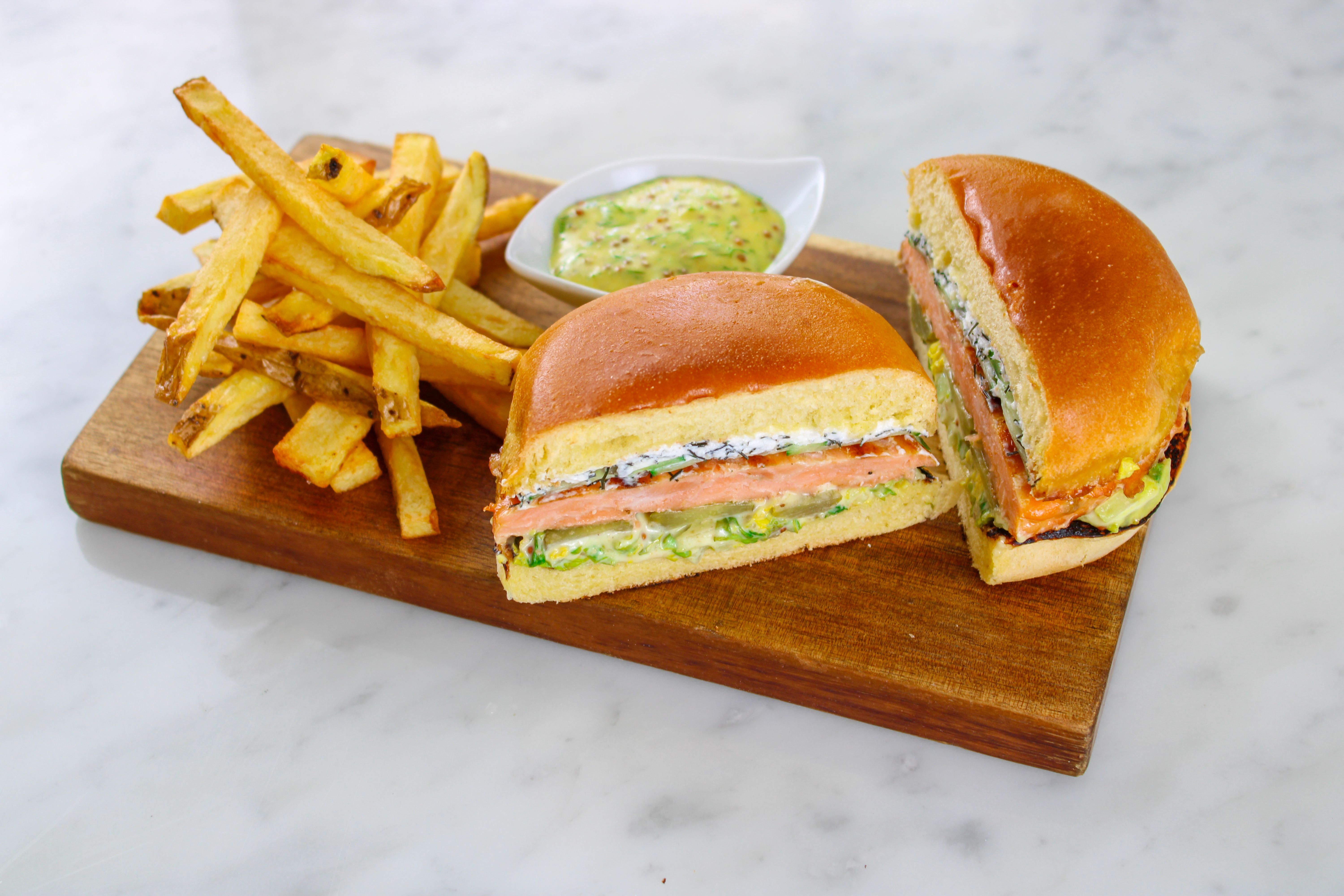
Salmon Burger
The diets react (see scores below)
Common Ingredients
- ground salmon
- mayonnaise
- Dijon mustard
- dill
- brioche bun
- arugula
- tomato
- lemon
Specific recipes may vary.
Incompatible with 6 of 11 diets
Diet Ratings
The salmon burger itself — ground salmon with mayonnaise, Dijon mustard, dill, arugula, tomato, and lemon — is largely keto-friendly. Salmon is an ideal keto protein with high healthy fat content, and the condiments are low-carb. However, the brioche bun is a dealbreaker. Brioche is an enriched white bread roll containing roughly 25-35g of net carbs per bun, which alone can exceed or nearly exhaust the entire daily keto carb budget. As a sandwich in its standard form, this dish is incompatible with ketosis. The verdict would change to 'approve' if the bun were replaced with lettuce wraps or omitted entirely.
Salmon Burger contains multiple animal-derived ingredients that make it entirely incompatible with a vegan diet. Ground salmon is a fish, which is explicitly excluded from veganism. Mayonnaise is made from eggs, another excluded animal product. Brioche buns are traditionally enriched with eggs and butter, adding further animal-derived components. There is no meaningful debate within the vegan community about any of these ingredients — fish, eggs, and dairy are unambiguously non-vegan.
The salmon burger is disqualified primarily by the brioche bun, which is a wheat-based grain product — one of the clearest non-paleo ingredients. Beyond the bun, mayonnaise is typically made with soybean or canola oil (both excluded seed oils), and Dijon mustard often contains white wine and added salt. The salmon, arugula, tomato, dill, and lemon are all paleo-approved, but the foundational components of the dish as served — the bun and likely the condiments — firmly place this in avoid territory. Without the bun and with homemade avocado-oil mayo, the salmon patty itself would be paleo-friendly, but the dish as presented cannot be approved.
The salmon itself is a Mediterranean diet star — fatty fish rich in omega-3s, strongly encouraged 2-3 times weekly. However, the delivery format undermines the dish's alignment: a brioche bun is a refined, enriched bread high in butter and sugar, far from the whole-grain breads traditional to Mediterranean eating. Mayonnaise adds significant saturated fat and is not a Mediterranean-tradition condiment. The positives include arugula, tomato, lemon, dill, and the salmon protein itself. Dijon mustard is neutral. The dish lands in 'caution' territory — the protein is exemplary, but the refined bun and mayo-based binding pull it away from core Mediterranean principles.
Some modern Mediterranean diet practitioners would focus on the salmon as the primary factor and accept the mayonnaise and brioche as minor deviations acceptable in a Western adaptation context, arguing that fish consumption is the more important variable. Traditional Levantine and Greek cuisine does include fish patties (e.g., Greek psarokeftedes), often served with bread, suggesting the overall pattern can be compatible if the bun were whole-grain and the mayo replaced with tzatziki or olive oil.
The Salmon Burger is fundamentally incompatible with the carnivore diet. While ground salmon is a carnivore-approved protein, the dish is built around numerous plant-based and processed ingredients that disqualify it entirely. The brioche bun is a grain-based bread product — a clear violation. Arugula and tomato are plant foods explicitly excluded. Dill is a plant-derived herb/spice. Lemon is a fruit. Dijon mustard contains plant-derived ingredients (mustard seed, vinegar from plant sources). Even mayonnaise, while egg-based, typically contains plant oils (soybean or canola) and is therefore not strictly carnivore. The salmon itself could be repurposed into a carnivore-compliant meal, but as presented, this dish is overwhelmingly plant-forward with only the protein being animal-derived.
The brioche bun is a wheat-based bread product, which contains grains (wheat) — a categorically excluded ingredient on Whole30. Additionally, this dish falls under the 'sandwich' category, and serving a burger patty in a bun is explicitly the kind of recreated comfort food (bread/baked good format) the program prohibits. The salmon patty itself and most other ingredients (mayonnaise made with compliant oils, Dijon mustard without added sugar, dill, arugula, tomato, lemon) could be compliant, but the bun alone disqualifies the dish as presented. To make this Whole30-compatible, the bun would need to be eliminated entirely and the salmon patty served over greens or wrapped in lettuce.
The primary FODMAP concern in this dish is the brioche bun. Brioche is made with wheat flour, which is high in fructans — a key FODMAP group that must be avoided during the elimination phase. A standard brioche bun provides a significant serving of wheat, easily exceeding the low-FODMAP threshold for fructans. The remaining ingredients are generally low-FODMAP: ground salmon is FODMAP-free, mayonnaise (plain, without garlic or onion) is low-FODMAP in standard servings, Dijon mustard is low-FODMAP in small amounts (check for high-fructose corn syrup in some brands), fresh dill is low-FODMAP, arugula is low-FODMAP, tomato is low-FODMAP up to about 65g (roughly one medium tomato), and lemon juice is low-FODMAP. The entire dish is disqualified by the brioche bun, which cannot be reduced to a 'safe' portion — removing the bun entirely or substituting a certified gluten-free/low-FODMAP bun would make this dish approvable.
Salmon is an excellent DASH-approved lean protein rich in omega-3 fatty acids, potassium, and magnesium. Arugula, tomato, and lemon are core DASH vegetables/fruits adding fiber, potassium, and micronutrients. However, several components pull this dish away from full DASH approval: (1) Mayonnaise is high in fat and often contains notable sodium; even small amounts add up quickly. (2) Dijon mustard contributes sodium — a single tablespoon can add 350-400mg. (3) A brioche bun is a refined-grain, higher-fat bread rather than a whole-grain option DASH emphasizes; it also contributes sodium. Together, the condiments and bun can push this sandwich toward 700-900mg+ sodium and meaningful saturated fat. Swapping brioche for a whole-grain bun, using light or avocado-based mayo sparingly, and opting for low-sodium Dijon would meaningfully improve the DASH score. As prepared with standard ingredients, this is a cautionary but reasonable occasional choice — not a core DASH meal.
NIH DASH guidelines recommend whole grains and low-fat preparations, which this sandwich partially violates via brioche and full-fat mayo. However, updated clinical interpretation increasingly emphasizes the exceptional cardiovascular benefit of fatty fish like salmon — some DASH-oriented dietitians would approve this dish as a net positive given its omega-3 content and vegetable additions, provided sodium-heavy condiments are used sparingly.
The salmon burger has strong Zone-friendly elements but is held back by the brioche bun and mayonnaise. Salmon is an excellent Zone protein — lean, rich in omega-3 fatty acids, and anti-inflammatory, which aligns perfectly with Dr. Sears' later emphasis on EPA/DHA. Arugula and tomato are favorable low-glycemic carb sources. However, the brioche bun is a high-glycemic refined carbohydrate — exactly what Zone classifies as 'unfavorable' — and contributes a disproportionate carb block load with minimal fiber. Mayonnaise adds omega-6-heavy fat from soybean or canola oil, conflicting with Zone's anti-inflammatory fat priorities. Dijon mustard, dill, and lemon are essentially negligible macro contributors and Zone-neutral. With modifications — swapping the brioche for a whole-grain or lettuce wrap and replacing mayo with avocado or olive oil-based spread — this dish would score significantly higher. As served, it requires careful portioning of the bun (or elimination) to maintain Zone ratios, and the fat source should ideally be reconsidered.
Some Zone practitioners argue the salmon burger as constructed is workable: the bun can be counted as the meal's carb block allowance and portioned accordingly (half a bun), while small amounts of mayo are tolerable given salmon's strong omega-3 profile offsetting the omega-6 impact. Sears' later writings in 'The Zone Diet' and 'Toxic Fat' place heavy emphasis on omega-3 sourcing, and salmon scores so highly on this metric that moderate fat-quality compromises may be acceptable in context.
The salmon burger has a strong anti-inflammatory core — ground salmon delivers excellent omega-3 fatty acids (EPA and DHA), which are among the most well-supported anti-inflammatory nutrients in the literature. Dill, lemon, arugula (a cruciferous green rich in glucosinolates), and tomato (lycopene, vitamin C) all contribute positively. Dijon mustard is neutral to mildly beneficial. The two elements that pull this dish out of 'approve' territory are the brioche bun and the mayonnaise. Brioche is a refined, enriched white bread made with butter and eggs — it's high in refined carbohydrates and saturated fat, offering little fiber or micronutrient value and spiking blood sugar more than whole grain alternatives. Mayonnaise is typically made with soybean or canola oil (high omega-6 content), which many anti-inflammatory protocols flag as problematic, especially when used in quantity. Salmon burgers with these components are a meaningful step above beef burgers and worth including in an anti-inflammatory eating pattern, but the refined bun and omega-6-heavy mayo moderate the score. Substituting a whole grain bun and avocado or olive oil-based sauce would push this firmly into 'approve' territory.
Most anti-inflammatory authorities (including Dr. Weil) would still view this dish favorably given salmon's omega-3 dominance, and some nutritionists would approve it as a practical, accessible whole-food meal with net anti-inflammatory benefit. However, stricter anti-inflammatory and AIP-adjacent practitioners would flag the refined brioche bun as a significant glycemic concern and the soybean-oil mayo as an excessive omega-6 source, arguing these undercut the salmon's benefits enough to warrant avoidance or significant modification.
Salmon is an excellent omega-3-rich protein source and a GLP-1 friendly food, but this burger has two meaningful drawbacks: mayonnaise adds significant saturated and total fat that can worsen nausea and reflux in GLP-1 patients, and a brioche bun is a refined, low-fiber carbohydrate with minimal nutritional density per calorie. The salmon itself earns high marks for protein and heart-healthy unsaturated fats, and the arugula, tomato, lemon, and dill add micronutrients and hydration with negligible downside. The Dijon mustard is fine. The combination of mayo fat plus brioche's refined carbs and buttery composition brings the overall rating down from what would otherwise be an approve-level protein source. Swapping the brioche for a whole grain bun and using a light or avocado-based spread instead of mayo would move this into approve territory.
Some GLP-1-focused dietitians would rate this higher, arguing that salmon's omega-3 content and protein density outweigh the drawbacks of the bun and condiment, and that small-portion eating naturally limits mayo and bun intake anyway. Others are stricter about refined buns triggering blood sugar spikes and fat content worsening delayed gastric emptying side effects, particularly in patients on higher doses.
*See how scores were generated at our methodology page.
Nutritional profile
Six traits that cut across every diet.
Fiber & Plants
How much whole-plant food and fiber it delivers.
Healthy Fats
The quality of its fats (unsaturated, omega-3).
Whole / Unprocessed
How close it is to its natural, unprocessed form.
Gut Gentle
How easy it is on digestion (low FODMAP, few irritants).
Low Glycemic
How little it spikes your blood sugar.
Protein Density
How much protein it packs per calorie.
Controversy Index
Higher controversy = more disagreement between diets.
Diet-Specific Tips
 Mediterranean — 5/10
View tips
- Salmon is an excellent omega-3-rich fish, core to the Mediterranean diet
- Brioche bun is a refined, butter-enriched grain — not whole grain or traditional Mediterranean bread
- Mayonnaise is not a Mediterranean-tradition fat and adds saturated fat
- Arugula, tomato, lemon, and dill are strongly Mediterranean-aligned ingredients
- Ground salmon format retains full fish nutrition
- Substituting a whole-grain bun and olive oil/herb dressing would significantly improve the score
 DASH — 6/10
View tips
- Salmon is an ideal DASH protein: lean, rich in omega-3s, potassium, and magnesium
- Arugula and tomato add DASH-approved vegetables with potassium and fiber
- Brioche bun is a refined grain high in fat and sodium — not DASH-aligned; whole-grain bun preferred
- Mayonnaise adds saturated fat and sodium; light or avocado-based alternatives are more DASH-compatible
- Dijon mustard contributes significant sodium (~350-400mg per tablespoon)
- Combined sodium from bun, mayo, and mustard can approach or exceed 800-1000mg per serving
- Lemon adds brightness with no sodium penalty — a DASH-friendly flavor enhancer
- Dish is improvable: whole-grain bun + light mayo + low-sodium Dijon could raise score to 7-8
 Zone — 6/10
View tips
- Salmon is an ideal Zone protein: lean, omega-3-rich, anti-inflammatory
- Brioche bun is a high-glycemic refined carb — classified 'unfavorable' in Zone terminology
- Mayonnaise introduces omega-6-heavy fat, conflicting with Zone's monounsaturated fat preference
- Arugula and tomato are favorable low-glycemic carb contributors
- Dish is salvageable with substitutions: whole-grain bun or lettuce wrap, avocado instead of mayo
- As served, carb block is front-loaded with low-fiber refined starch, disrupting 40/30/30 balance
 Anti-Inflammatory — 6/10
View tips
- Salmon is rich in EPA and DHA omega-3 fatty acids — among the most potent anti-inflammatory foods available
- Arugula and tomato provide antioxidants including glucosinolates and lycopene
- Dill and lemon add anti-inflammatory phytonutrients with no downside
- Brioche bun is refined, high-glycemic, enriched bread — a meaningful anti-inflammatory liability
- Mayonnaise typically contains soybean or canola oil, contributing omega-6 fatty acids that can offset omega-3 benefits when consumed regularly
- Net profile is positive but meaningfully compromised by the bun and condiment choices
 GLP-1 Friendly — 5/10
View tips
- Salmon is a high-quality omega-3 and protein source — strongly positive
- Mayonnaise is high in fat and can worsen GLP-1 GI side effects (nausea, reflux, bloating)
- Brioche bun is a refined carbohydrate with low fiber and high caloric density — counterproductive for nutrient density goals
- Arugula and tomato add hydration and micronutrients with minimal downside
- Lemon and dill are beneficial and GI-friendly
- Whole grain bun substitution would significantly improve fiber and nutrient density rating
- Portion sensitivity: mayo quantity matters considerably — even a tablespoon adds meaningful fat load