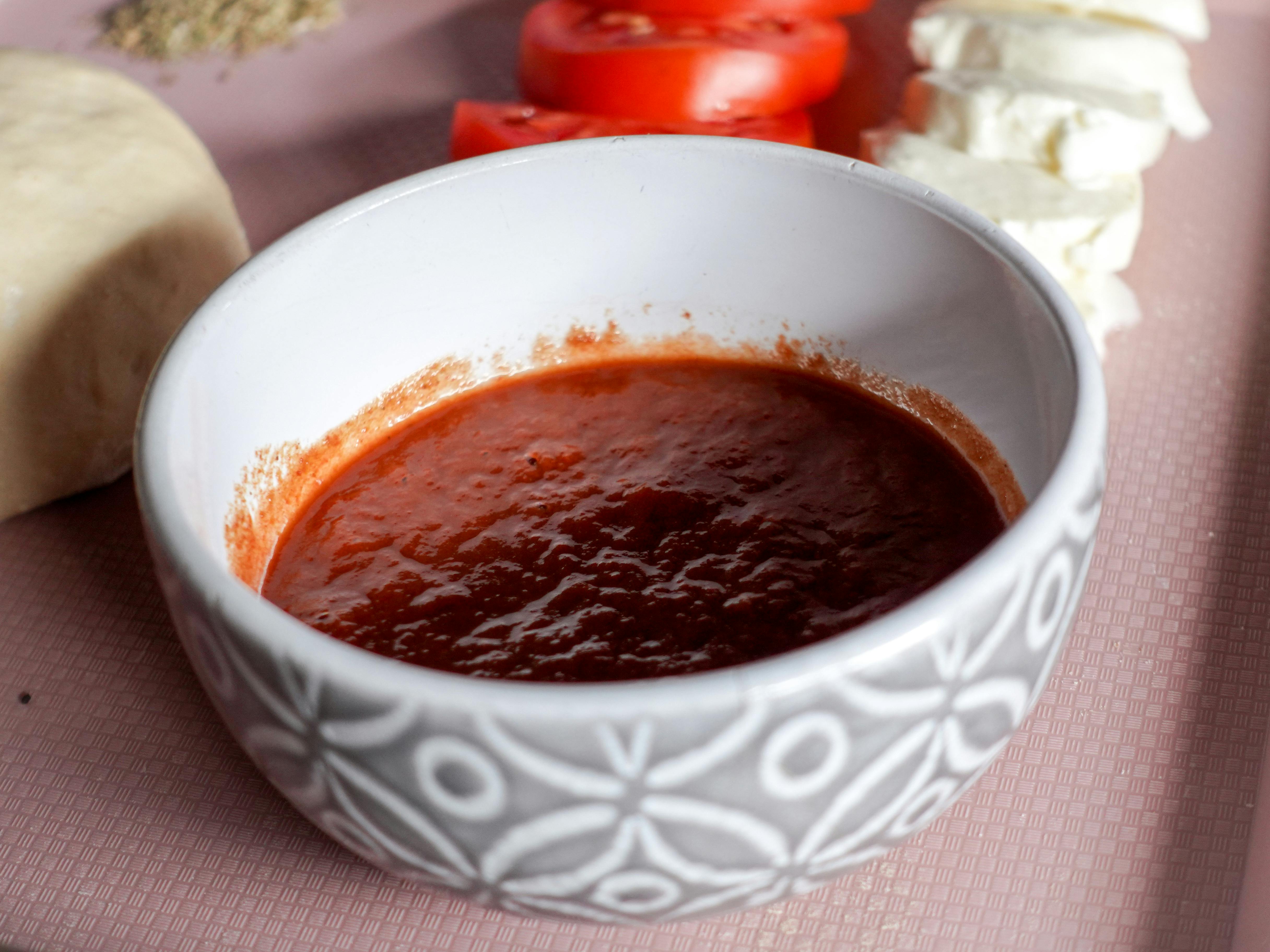
Photo: Gwladys Nicimbikije / Pexels
The diets react (see scores below)
Common Ingredients
- tomatoes
- guajillo chiles
- onion
- garlic
- cumin
- Mexican oregano
- salt
Specific recipes may vary.
Incompatible with 3 of 11 diets
Diet Ratings
Salsa Roja is made from whole, unprocessed ingredients with no added sugar, which is a positive sign. However, tomatoes and guajillo chiles both contribute net carbs. A 2-tablespoon serving of salsa typically contains 1-2g net carbs, which is manageable, but guajillo chiles are notably higher in carbs than fresh chiles (dried chiles concentrate sugars and carbs). A standard serving of this salsa — say 1/4 cup — could reach 3-5g net carbs depending on the chile-to-tomato ratio. Used as a small condiment (1-2 tbsp), it fits keto easily; used as a sauce in larger amounts, it can add up and requires tracking.
Stricter keto practitioners argue that tomatoes should be minimized or avoided due to their natural sugars and moderate carb content, and that dried chiles like guajillo are too carb-dense to use freely even in condiment quantities. They prefer fresh, raw salsas like pico de gallo in controlled amounts or chile-based hot sauces with negligible carbs.
Salsa Roja is composed entirely of whole plant-based ingredients: tomatoes, guajillo chiles, onion, garlic, cumin, Mexican oregano, and salt. There are no animal products, animal-derived ingredients, or ethically contested components present. All ingredients are minimally processed whole foods, placing this firmly in the highest tier of vegan approval. This is a classic, traditional preparation with no ambiguity.
Salsa Roja is disqualified primarily by the inclusion of added salt, which is explicitly excluded under paleo rules regardless of how natural or minimal the other ingredients are. Every other component — tomatoes, guajillo chiles, onion, garlic, cumin, and Mexican oregano — is fully paleo-approved: all are whole, unprocessed plant foods available to hunter-gatherers. Without the salt, this dish would score a strong 8-9 and earn a clear approval. The salt alone drops it to avoid territory per the stated rules. In practice, a home cook making this dish salt-free (or with a trace of naturally occurring mineral salt in a whole-food context) would have a near-perfect paleo condiment.
Salsa Roja is composed entirely of whole, plant-based ingredients — tomatoes, dried chiles, onion, garlic, and herbs — all of which are staples of the Mediterranean diet. Tomatoes are a cornerstone Mediterranean vegetable rich in lycopene and antioxidants. Onion and garlic are foundational aromatics used daily across Mediterranean cuisines. Dried chiles are simply dried peppers, perfectly aligned with the emphasis on vegetables and plant foods. The spices (cumin, oregano, salt) are minimally processed flavor enhancers with no nutritional concerns. There is no added sugar, refined grain, saturated fat, or processed ingredient. While the specific combination reflects Mexican culinary tradition rather than Mediterranean, the ingredient profile is fully compatible with Mediterranean diet principles.
Salsa Roja is composed entirely of plant-derived ingredients: tomatoes, guajillo chiles, onion, garlic, cumin, and Mexican oregano. Not a single component is animal-derived. The carnivore diet excludes all plant foods without exception — vegetables, alliums, nightshades, legumes, seeds, and plant-based spices are all prohibited. This dish contains no protein source and no animal product whatsoever, making it completely incompatible with any tier of the carnivore diet, including the more lenient 'animal-based' approach.
Salsa Roja as described contains only whole, unprocessed, Whole30-compliant ingredients. Tomatoes, guajillo chiles, onion, and garlic are all vegetables. Cumin and Mexican oregano are allowed herbs and spices. Salt is explicitly permitted under Whole30 rules. There are no excluded ingredients — no added sugars, grains, legumes, dairy, or otherwise prohibited additives. This is a clean, traditional condiment fully aligned with the Whole30 program.
Salsa Roja contains two high-FODMAP ingredients that make it unsuitable during the elimination phase at any standard serving size: onion and garlic. Both are among the highest-fructan foods in the Monash system and have no safe serving threshold — even small amounts used in cooking can trigger symptoms. Garlic is one of the highest-FODMAP foods tested by Monash, and onion is similarly problematic with fructans detectable even in trace amounts. Tomatoes are low-FODMAP at a standard serving (up to ~65g canned or 1 medium fresh). Guajillo chiles are not extensively tested by Monash, but dried chiles in small condiment quantities are generally considered low-risk. Cumin and Mexican oregano are spices used in small amounts and are low-FODMAP. Salt is FODMAP-free. The disqualifying ingredients are clearly onion and garlic, which cannot be mitigated by portion control in a standard salsa preparation.
Salsa Roja is made primarily from DASH-friendly whole-food ingredients — tomatoes, chiles, onion, and garlic are all vegetables that align well with DASH principles, providing potassium, fiber, and beneficial phytonutrients. Cumin and Mexican oregano add flavor without sodium concerns. The key variable is added salt: homemade or restaurant-prepared Salsa Roja can range from negligible sodium to quite high depending on how much salt is added. As commonly consumed in Mexican cuisine, a 2-tablespoon serving of restaurant or jarred salsa typically contains 100–250mg sodium, and portions can accumulate quickly. The base ingredients are genuinely DASH-positive, but as a condiment the sodium contribution must be monitored. Homemade versions with minimal or no added salt would score 8–9, while heavily salted versions drift toward caution territory. Rated as commonly consumed with moderate salt added.
NIH DASH guidelines broadly encourage vegetables and vegetable-based preparations, which would support approving this condiment given its whole-food vegetable base. However, updated clinical interpretation emphasizes that condiments — even vegetable-based ones — are a hidden sodium source that DASH practitioners specifically flag for portion awareness, particularly for patients on the stricter 1,500mg/day sodium target.
Salsa Roja is an excellent Zone-compatible condiment. All ingredients are low-glycemic vegetables and spices: tomatoes are a favorable Zone carbohydrate source, guajillo chiles and onion contribute minimal net carbs, and garlic, cumin, Mexican oregano, and salt add negligible macronutrient impact. The overall carbohydrate load per typical serving (2-4 tablespoons) is very low, making it easy to account for as a fraction of a carb block without disrupting Zone ratios. It contains virtually no fat and no protein, functioning almost purely as a low-glycemic carb addition. Tomatoes and chiles are rich in polyphenols and carotenoids (lycopene, capsaicin-related compounds), aligning well with Sears' anti-inflammatory emphasis in his later writings. There is no added sugar, no seed oils, no processed ingredients, and nothing that would push glycemic load upward in practical portion sizes. As a condiment used to add flavor to a Zone-balanced meal of lean protein and monounsaturated fat, it is nearly ideal.
Salsa Roja is composed almost entirely of anti-inflammatory whole foods. Tomatoes are rich in lycopene, a potent antioxidant carotenoid — and cooking tomatoes increases lycopene bioavailability, making cooked salsa particularly beneficial. Guajillo chiles provide capsaicin, which has well-documented anti-inflammatory effects, along with carotenoids and vitamin C. Garlic contains allicin and organosulfur compounds that suppress NF-κB inflammatory signaling and reduce CRP. Onion contributes quercetin, a flavonoid with anti-inflammatory and antioxidant properties. Cumin offers cuminaldehyde and flavonoids with anti-inflammatory activity. Mexican oregano is rich in rosmarinic acid and other polyphenols shared with Mediterranean oregano, which inhibit COX-2 pathways. Salt is the only neutral ingredient here — and at typical condiment serving sizes, sodium load is manageable. No added sugars, no seed oils, no additives, no refined ingredients. This is a minimally processed whole-food condiment that aligns well with anti-inflammatory principles.
Tomatoes are nightshades, and while mainstream anti-inflammatory nutrition (including Dr. Weil's framework) strongly endorses them for their lycopene and antioxidant content, the Autoimmune Protocol (AIP) and practitioners like Dr. Tom O'Bryan flag solanine and lectins in nightshades as potential triggers for gut permeability and inflammation in individuals with autoimmune conditions — making this an 'avoid' for that population despite its otherwise strong profile.
Salsa roja is an excellent condiment for GLP-1 patients. Made from whole-food ingredients — tomatoes, guajillo chiles, onion, garlic, and mild spices — it is virtually fat-free, low in calories, and contributes meaningful micronutrients (lycopene, vitamin C, potassium) and a small amount of dietary fiber. Guajillo chiles are mild-to-moderate in heat (unlike habanero or raw serrano), making this sauce generally well-tolerated without triggering reflux or nausea. The tomato base provides hydration support and antioxidants. As a condiment used in small amounts to add flavor to lean proteins and vegetables, it enhances palatability of nutrient-dense meals without adding fat, sugar, or empty calories. It is a far superior flavoring choice compared to creamy sauces, cheese-based toppings, or high-sugar condiments.
*See how scores were generated at our methodology page.
Nutritional profile
Six traits that cut across every diet.
Fiber & Plants
How much whole-plant food and fiber it delivers.
Healthy Fats
The quality of its fats (unsaturated, omega-3).
Whole / Unprocessed
How close it is to its natural, unprocessed form.
Gut Gentle
How easy it is on digestion (low FODMAP, few irritants).
Low Glycemic
How little it spikes your blood sugar.
Protein Density
How much protein it packs per calorie.
Controversy Index
Higher controversy = more disagreement between diets.
Diet-Specific Tips
 Keto — 5/10
View tips
- Guajillo chiles are dried and more carb-concentrated than fresh chiles — raises net carb density
- Tomatoes contribute natural sugars and moderate net carbs
- No added sugar or grains — all whole, unprocessed ingredients
- Portion size is critical: 1-2 tbsp is keto-friendly, larger sauce portions require tracking
- Spices (cumin, oregano, garlic, salt) are keto-neutral in condiment quantities
 Vegan — 9/10
View tips
- All ingredients are whole plant foods
- No animal products or derivatives of any kind
- Tomatoes and guajillo chiles are the base — both fully vegan
- Aromatics (onion, garlic) and spices (cumin, Mexican oregano) are unambiguously plant-based
- Salt is a mineral, not animal-derived
- Minimal processing — consistent with whole-food plant-based values
 Mediterranean — 8/10
View tips
- All ingredients are whole, minimally processed plant foods
- Tomatoes are a Mediterranean diet staple rich in lycopene
- Garlic and onion are foundational Mediterranean aromatics
- Dried chiles are simply dried vegetables — no concerns
- No added sugars, refined grains, or unhealthy fats
- Cumin and oregano are widely used in Mediterranean cooking
 Whole30 — 9/10
View tips
- Tomatoes: fully compliant vegetable
- Guajillo chiles: compliant dried chile pepper, no additives
- Onion and garlic: compliant aromatics
- Cumin and Mexican oregano: allowed spices
- Salt: explicitly permitted by Whole30
- No added sugar, grains, legumes, or dairy present
- Whole, unprocessed ingredients throughout
 DASH — 6/10
View tips
- Tomatoes, chiles, onion, and garlic are DASH-approved vegetables rich in potassium and fiber
- Added salt is the primary DASH concern — sodium content varies significantly by preparation
- As a condiment, portions can accumulate sodium quickly across a meal
- No saturated fat, no added sugar, no processed ingredients
- Low-sodium or no-salt-added homemade versions would score 8–9
- Guajillo chiles provide antioxidants and are DASH-compatible
 Zone — 8/10
View tips
- All ingredients are whole, unprocessed vegetables and spices — fully Zone-favorable
- Extremely low net carbs per typical serving; easy to account for as a partial carb block
- No added sugar, no seed oils, no trans fats
- Tomatoes and guajillo chiles are polyphenol-rich, supporting Sears' anti-inflammatory framework
- Minimal fat and no protein means it functions as a condiment rather than a macronutrient source — pair with lean protein and monounsaturated fat for a complete Zone meal
- Negligible glycemic impact in realistic serving sizes
 Anti-Inflammatory — 8/10
View tips
- Tomatoes provide lycopene, a powerful anti-inflammatory carotenoid (bioavailability enhanced by cooking)
- Guajillo chiles contribute capsaicin and carotenoids with anti-inflammatory properties
- Garlic suppresses NF-κB inflammatory signaling via allicin and organosulfur compounds
- Onion supplies quercetin, a well-researched anti-inflammatory flavonoid
- Cumin and Mexican oregano add polyphenols and COX-2 inhibiting compounds
- No seed oils, no added sugar, no processed additives — clean whole-food condiment
- Nightshade concern (tomatoes, chiles) relevant for autoimmune-sensitive individuals on AIP protocols
 GLP-1 Friendly — 8/10
View tips
- Near-zero fat content — no risk of worsening nausea or reflux from fat load
- Whole-food ingredients with meaningful micronutrient and antioxidant content
- Guajillo chiles are mild enough for most GLP-1 patients — not in the high-spice avoid category
- Small serving size aligns well with reduced-appetite eating pattern
- Adds flavor variety that supports adherence to a nutrient-dense diet
- No added sugar, no processed ingredients, no carbonation or alcohol concerns
- Tomato base provides hydration support and lycopene