Mexican
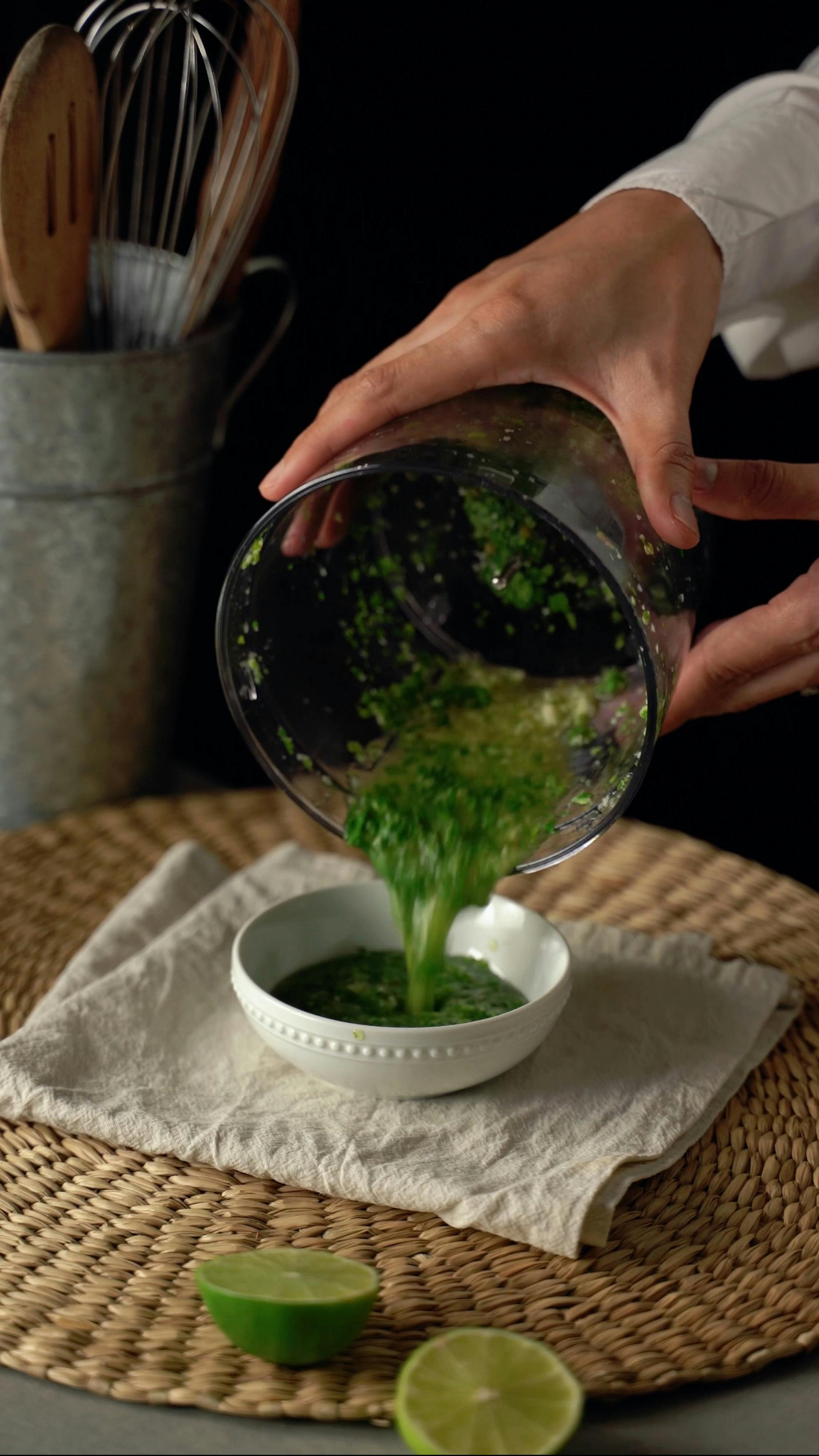
Salsa Verde
The diets react (see scores below)
Common Ingredients
- tomatillos
- serrano chiles
- white onion
- garlic
- cilantro
- lime juice
- salt
Specific recipes may vary.
Incompatible with 3 of 11 diets
Diet Ratings
Salsa verde is made from whole, unprocessed ingredients, which aligns with keto principles. However, tomatillos are moderately higher in carbs than most keto-friendly vegetables — roughly 5-6g net carbs per 100g. A typical 2-tablespoon serving (~30g) contains approximately 1.5-2g net carbs, which is manageable, but salsa verde is often used more liberally as a sauce rather than a small condiment. The white onion and lime juice add minor additional carbs. In small portions it fits comfortably into a keto daily budget, but heavier use (e.g., 1/2 cup as a sauce base) could contribute 6-8g net carbs from this condiment alone, requiring mindful tracking.
Strict keto practitioners who track every gram may flag tomatillos as a borderline vegetable and prefer zero-carb condiments like plain hot sauce or vinegar-based options; they argue that salsas are easy to over-consume, making carb creep a real risk.
Salsa verde is composed entirely of whole plant-based ingredients: tomatillos, serrano chiles, white onion, garlic, cilantro, lime juice, and salt. Every component is a vegetable, allium, herb, or mineral with zero animal-derived content. This is not only vegan-compliant but represents the ideal whole-food, minimally processed category that vegan and whole-food plant-based advocates alike would endorse without reservation.
Salsa verde is made almost entirely from paleo-approved whole foods — tomatillos, serrano chiles, onion, garlic, cilantro, and lime juice are all vegetables, aromatics, and natural acids fully consistent with a Paleolithic diet. However, the inclusion of added salt disqualifies this dish under strict paleo rules. Added/refined salt is excluded from the paleo framework because Paleolithic humans had no access to processed sodium chloride; they obtained sodium naturally through whole foods. Without the salt, this condiment would score a 9 and earn a strong approval. The single non-compliant ingredient is what drives the verdict down.
Salsa verde is composed entirely of whole, plant-based ingredients — tomatillos, serrano chiles, onion, garlic, cilantro, lime juice, and salt. Every component aligns perfectly with Mediterranean diet principles: vegetables and alliums are staples encouraged multiple times daily, herbs and citrus are celebrated flavor enhancers, and there are no processed ingredients, added sugars, refined grains, or unhealthy fats. While this is a Mexican preparation rather than a traditional Mediterranean dish, the ingredient profile is essentially identical to the kinds of fresh vegetable-based condiments and salsas found throughout the Mediterranean (e.g., Italian salsa verde with herbs, capers, and lemon). It adds flavor and nutrition without any dietary drawbacks.
Salsa Verde is composed entirely of plant-derived ingredients: tomatillos, serrano chiles, white onion, garlic, cilantro, and lime juice. Every single ingredient except salt is explicitly excluded on the carnivore diet. There are no animal products whatsoever in this dish. This is a clear and unambiguous avoid with full community consensus — no carnivore authority or protocol would permit this condiment.
Salsa verde made with tomatillos, serrano chiles, white onion, garlic, cilantro, lime juice, and salt is fully Whole30 compliant. Every ingredient is a whole, unprocessed food explicitly permitted on the program: vegetables, aromatics, fresh herbs, citrus juice, and salt. There are no excluded ingredients — no added sugar, grains, legumes, dairy, or any other prohibited substance. This is a clean, whole-food condiment that aligns perfectly with the spirit and rules of Whole30.
This salsa verde contains two high-FODMAP ingredients that make it unsuitable during the elimination phase: garlic (high in fructans at any culinary amount) and white onion (high in fructans even in small quantities). These are among the most potent FODMAP sources and are not safe at any standard serving size used in a condiment like this. Tomatillos are low-FODMAP in moderate servings, serrano chiles are low-FODMAP in small amounts, cilantro and lime juice are low-FODMAP, and salt is FODMAP-free — but garlic and onion disqualify the dish entirely. A low-FODMAP adaptation would require replacing garlic and onion with garlic-infused oil and the green tops of spring onions (scallions), which are low-FODMAP.
Salsa verde is made almost entirely from DASH-friendly vegetables: tomatillos (rich in potassium and fiber), serrano chiles, onion, garlic, and cilantro. Lime juice adds flavor without sodium. The ingredients are low in calories, fat-free, and provide beneficial micronutrients aligned with DASH principles. The main concern is the added salt, which can vary significantly by recipe and chef. A homemade version with minimal added salt is fully DASH-compatible, but restaurant or commercial preparations can contain 150–300mg sodium per 2-tablespoon serving, which adds up with liberal use. Rated as the homemade/fresh form; commercial jarred salsa verde would rate lower (caution, ~5–6) due to higher sodium content.
NIH DASH guidelines broadly encourage vegetables and vegetable-based condiments as replacements for high-sodium sauces; however, some DASH clinicians caution that condiments — even vegetable-based ones — are underestimated sodium sources and recommend patients on the strict 1,500mg/day low-sodium DASH variant track even 'healthy' condiments carefully, particularly restaurant versions where salt content is uncontrolled.
Salsa verde is an excellent Zone-compatible condiment. Tomatillos are low-glycemic vegetables with a modest carbohydrate load, high fiber content, and good polyphenol profile. Serrano chiles, garlic, white onion, cilantro, and lime juice are all low-calorie, low-glycemic, nutrient-dense ingredients that Sears would classify as 'favorable' carbohydrates. The condiment contains virtually no fat or protein, functioning essentially as a flavoring agent that adds Zone-friendly carbohydrate blocks in very small quantities. A typical 2-tablespoon serving contains roughly 5 calories and under 1g net carbs, making it nearly negligible in Zone block calculations. The anti-inflammatory polyphenols from tomatillos and chiles align well with Sears' later emphasis on polyphenol-rich foods. There is no saturated fat, no refined sugar, no high-glycemic starch, and no processed ingredients. This is a clean, whole-food condiment that enhances Zone meals without disrupting the 40/30/30 ratio.
Salsa verde is composed entirely of whole, minimally processed plant foods with a strong collective anti-inflammatory profile. Tomatillos are rich in withanolides and flavonoids with documented anti-inflammatory activity, as well as vitamin C and antioxidants. Serrano chiles provide capsaicin, a well-established anti-inflammatory compound that inhibits NF-κB signaling and reduces pro-inflammatory cytokines. Garlic contains allicin and organosulfur compounds that suppress inflammatory pathways and reduce CRP. White onion contributes quercetin, a potent flavonoid antioxidant. Cilantro offers flavonoids including quercetin and apigenin with antioxidant properties. Lime juice adds vitamin C, which supports antioxidant defense. There are no refined ingredients, seed oils, added sugars, or pro-inflammatory additives. This is essentially a concentrated delivery of polyphenols, antioxidants, and bioactive compounds in a low-calorie, whole-food format — precisely the kind of preparation anti-inflammatory diet frameworks like Dr. Weil's encourage. The main caveat is the nightshade classification of tomatillos and chiles, which applies to some sensitive individuals.
Tomatillos and serrano chiles are both nightshades (Solanaceae family), and the Autoimmune Protocol (AIP) and practitioners like Dr. Tom O'Bryan exclude all nightshades due to solanine, lectins, and capsaicin, which some argue may increase intestinal permeability and trigger inflammation in individuals with autoimmune conditions. Mainstream anti-inflammatory nutrition, including Dr. Weil's framework, considers nightshades beneficial for the general population due to their high antioxidant content, but those following AIP or managing autoimmune disease should treat this dish with caution.
Salsa verde is a low-calorie, nutrient-dense condiment made from whole-food ingredients with no fat, no added sugar, and meaningful fiber and vitamins from tomatillos, onion, and garlic. It supports hydration via high water content and adds flavor without empty calories — both valuable for GLP-1 patients eating small portions. The primary concern is the serrano chiles, which are moderately to significantly spicy and can worsen GLP-1-related nausea, acid reflux, and GI irritation, especially early in treatment or during dose escalation. Used sparingly as a condiment, the heat load is manageable for tolerant individuals, but patients with active GI side effects should be cautious. It provides no protein and negligible fiber per typical serving size, so it does not advance the top two nutritional priorities — its value is flavor enhancement and palatability support rather than macronutrient contribution.
Some GLP-1-focused dietitians encourage salsa verde freely as a flavorful, low-calorie way to make high-protein foods more palatable and increase overall food enjoyment, which supports adherence. Others caution against any chile-based condiments during the first months of treatment due to high individual variability in GI sensitivity to capsaicin while gastric emptying is slowed.
*See how scores were generated at our methodology page.
Nutritional profile
Six traits that cut across every diet.
Fiber & Plants
How much whole-plant food and fiber it delivers.
Healthy Fats
The quality of its fats (unsaturated, omega-3).
Whole / Unprocessed
How close it is to its natural, unprocessed form.
Gut Gentle
How easy it is on digestion (low FODMAP, few irritants).
Low Glycemic
How little it spikes your blood sugar.
Protein Density
How much protein it packs per calorie.
Controversy Index
Higher controversy = more disagreement between diets.
Diet-Specific Tips
 Keto — 5/10
View tips
- Tomatillos contain ~5-6g net carbs per 100g — moderate for keto
- Small 2-tbsp serving is manageable (~1.5-2g net carbs)
- No added sugars, grains, or processed ingredients
- Whole, unprocessed ingredients align with keto food quality standards
- Portion control is essential — heavy use as a sauce can accumulate carbs quickly
- White onion and lime juice add minor but non-trivial carb contributions
 Vegan — 10/10
View tips
- All ingredients are whole plant foods
- No animal products or by-products present
- No processing concerns — fresh, minimal ingredients
- Tomatillos, chiles, onion, garlic, and cilantro are unambiguously plant-based
- Lime juice and salt are non-animal seasonings
- No contested ingredients such as honey or refined sugar
 Mediterranean — 9/10
View tips
- 100% whole, unprocessed plant-based ingredients
- Tomatillos and chiles are vegetables rich in vitamins and antioxidants
- Garlic and onion are Mediterranean diet staples with well-documented health benefits
- Lime juice and cilantro provide micronutrients and flavor without calories or additives
- No added sugars, unhealthy fats, refined grains, or processed components
- Low in calories, fat-free, and nutrient-dense — ideal as a condiment or flavor base
 Whole30 — 9/10
View tips
- Tomatillos are a compliant vegetable
- Serrano chiles, white onion, and garlic are all compliant vegetables/aromatics
- Cilantro is a compliant fresh herb
- Lime juice is a compliant citrus ingredient
- Salt is explicitly allowed on Whole30
- No excluded ingredients present
- Whole, minimally processed condiment that honors the program's spirit
 DASH — 8/10
View tips
- Tomatillos are a DASH-positive vegetable high in potassium and fiber
- No saturated fat, cholesterol, or added sugar
- Lime juice and fresh herbs enhance flavor without sodium — DASH-aligned strategy
- Added salt is the primary variable; homemade with minimal salt scores 8–9, commercial jars may score 4–6
- Excellent replacement for high-sodium sauces, sour cream, or cheese-based condiments
- Portion control still advised on strict 1,500mg/day sodium DASH protocol
 Zone — 8/10
View tips
- Tomatillos are low-glycemic, high-fiber vegetables — favorable Zone carbohydrates
- Negligible caloric density makes this nearly ratio-neutral in block calculations
- No fat, no refined sugar, no processed ingredients — clean macronutrient profile
- Polyphenol-rich ingredients (chiles, garlic, cilantro) support Sears' anti-inflammatory framework
- Lime juice and tomatillos provide modest vitamin C and antioxidants
- White onion is slightly higher glycemic than other alliums but quantity per serving is minimal
 Anti-Inflammatory — 8/10
View tips
- Tomatillos provide withanolides, flavonoids, and vitamin C with antioxidant activity
- Serrano chiles deliver capsaicin, which inhibits NF-κB and reduces pro-inflammatory cytokines
- Garlic contributes allicin and organosulfur compounds shown to lower CRP and inflammatory markers
- White onion is a significant source of quercetin, a well-researched anti-inflammatory flavonoid
- Cilantro and lime juice add additional polyphenols and vitamin C
- No refined oils, added sugars, or processed ingredients
- Nightshade classification (tomatillos, chiles) is a concern for autoimmune-sensitive individuals
 GLP-1 Friendly — 6/10
View tips
- Serrano chiles may worsen nausea, reflux, or GI irritation — a meaningful risk on GLP-1 medications
- High water content supports hydration, which is beneficial given reduced thirst sensation
- Whole-food ingredients with no added fat, sugar, or refined carbohydrates
- Negligible protein and fiber per serving — does not advance top two GLP-1 nutritional priorities
- Low calorie density makes it appropriate for small-portion eating patterns
- Flavor enhancement value supports adherence to high-protein, nutrient-dense meals
- Spice tolerance is highly individual; patients with active GI side effects should limit or avoid