This dish contains raw or undercooked ingredients. Consume at your discretion.
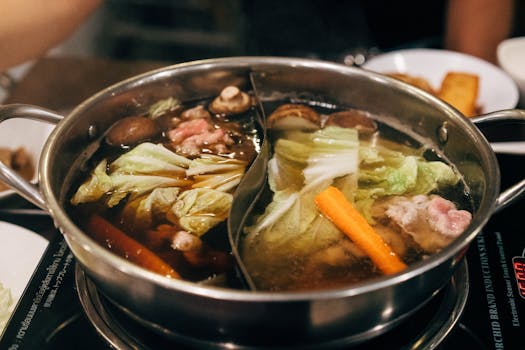
Photo: Markus Winkler / Pexels
Japanese
Shabu Shabu
The diets react (see scores below)
Common Ingredients
- thinly sliced beef
- Napa cabbage
- mushrooms
- tofu
- udon noodles
- dashi
- ponzu
- sesame sauce
Specific recipes may vary.
Incompatible with 7 of 11 diets
Diet Ratings
Shabu Shabu as traditionally prepared contains udon noodles, which are wheat-based and extremely high in carbohydrates (roughly 40-50g net carbs per serving on their own), making the dish incompatible with ketosis. While several individual components — thinly sliced beef, Napa cabbage, mushrooms, tofu, and dashi broth — are keto-friendly or acceptable in moderation, the udon noodles are a dealbreaker. Ponzu sauce also typically contains citrus juice and sometimes sugar, adding additional carbs. Sesame sauce often contains sugar as well. The dish as served in a standard Japanese restaurant cannot be considered keto-compatible without significant modification (removing noodles and checking sauce ingredients).
Shabu Shabu as described contains multiple animal products that immediately disqualify it from a vegan diet. The primary protein is thinly sliced beef, a clear animal product. Dashi, the traditional Japanese broth base, is typically made from katsuobushi (dried bonito fish flakes) and/or niboshi (dried sardines), making it animal-derived. These two ingredients alone are sufficient to render this dish non-vegan. While some components — Napa cabbage, mushrooms, tofu, udon noodles — are fully plant-based, and ponzu and sesame sauce can have vegan versions, the dish as presented with beef and traditional dashi is unambiguously non-vegan.
Shabu Shabu contains multiple non-paleo ingredients that disqualify it outright. Udon noodles are a wheat-based grain product — one of the clearest exclusions in paleo. Tofu is a soy-based legume product, also firmly excluded. Dashi, while often made from kombu and bonito flakes (which would be paleo-friendly), is frequently prepared with added salt or MSG. Ponzu sauce typically contains soy sauce (wheat + soy) and added sugar. Sesame sauce is usually made with sesame oil or tahini, soy sauce, and sugar — multiple non-paleo components. The beef, Napa cabbage, and mushrooms are fully paleo-compliant, but the dish as traditionally prepared is built around excluded foods. A paleo-adapted version would require eliminating the udon, tofu, ponzu, and sesame sauce, and substituting compliant alternatives — at which point it would no longer be recognizable as Shabu Shabu.
Shabu Shabu's primary protein is beef, which the Mediterranean diet restricts to a few times per month. While the dish contains several Mediterranean-friendly components — tofu, Napa cabbage, mushrooms, and other vegetables — the beef centerpiece places it in conflict with core principles. The udon noodles are refined wheat, not a whole grain. There is no olive oil, and the dashi/ponzu/sesame sauce base is outside the Mediterranean culinary tradition. The vegetable and tofu content partially redeem the dish, but the red meat protein and refined noodles prevent it from earning a higher score.
Some Mediterranean diet interpreters argue that a hot pot preparation like Shabu Shabu, which uses very thinly sliced beef in a broth heavy with vegetables and tofu, results in a low overall red meat portion per serving — consistent with the occasional, limited red meat allowance. The abundance of plant foods (cabbage, mushrooms, tofu) could be seen as compensating, and modern flexitarian interpretations of the Mediterranean diet may grant more leniency for lean, minimally processed red meat in vegetable-dominant dishes.
Shabu Shabu is fundamentally incompatible with the carnivore diet. While the dish does contain thinly sliced beef as its primary protein, the vast majority of its ingredients are plant-based and explicitly excluded from carnivore eating: Napa cabbage, mushrooms, tofu (soy-based), and udon noodles (wheat-based) are all forbidden. The dashi broth may contain animal-derived components (fish, bonito) but is typically combined with kombu (seaweed). Ponzu sauce is citrus and soy-based, and sesame sauce is plant-derived. The beef itself would be carnivore-approved, but as a complete dish it cannot be consumed in its traditional form. No meaningful modification short of stripping out every ingredient except the beef would make this dish carnivore-compatible.
Shabu Shabu as described contains multiple Whole30-excluded ingredients. Udon noodles are made from wheat flour, a grain that is explicitly excluded. Tofu is a soy-based product, and soy is a legume that is explicitly excluded. Ponzu sauce typically contains soy sauce (soy/wheat), and sesame sauce commonly contains soy sauce or added sugars. Dashi, while often compliant in its basic form (kombu and bonito flakes), is frequently made with soy-containing additives in commercial preparations. Even setting aside the sauces, the udon noodles and tofu alone make this dish non-compliant. Additionally, udon noodles would fall under the 'no pasta or noodles' rule regardless of being a grain product.
Shabu Shabu contains multiple high-FODMAP ingredients that make it problematic during the elimination phase. The most significant concern is udon noodles, which are made from wheat flour and are therefore high in fructans — a major FODMAP. Mushrooms (commonly shiitake or enoki in shabu shabu) are high in polyols (mannitol) at standard servings per Monash. Sesame sauce (goma dare) typically contains garlic and/or onion, which are high in fructans. Ponzu may contain high-FODMAP additives or citrus in amounts that need scrutiny. Dashi (if made from kombu and bonito) is generally low-FODMAP, as is plain tofu (firm) and thinly sliced beef. Napa cabbage is low-FODMAP at standard portions (~75g). However, the combination of wheat-based udon noodles, mushrooms at typical serving sizes, and a sesame dipping sauce almost certainly containing garlic/onion makes this dish a avoid during the elimination phase. Modifications (swap udon for rice noodles, omit mushrooms or use oyster mushrooms in small amounts, use garlic-free/onion-free dipping sauce) could make it compliant.
Monash University rates firm tofu, beef, and dashi as low-FODMAP, and some clinical FODMAP practitioners would note that a modified shabu shabu with rice noodles and compliant dipping sauces could be approved — the dish is only high-FODMAP as traditionally prepared. The mushroom FODMAP threshold also varies: oyster mushrooms are low-FODMAP at 75g, while shiitake and button mushrooms are high-FODMAP at typical shabu shabu servings, creating ambiguity depending on which mushrooms are used.
Shabu Shabu is a Japanese hot pot dish with several DASH-friendly components (Napa cabbage, mushrooms, tofu, dashi broth) alongside some concerns. The thinly sliced beef is typically a fatty cut (often ribeye or short rib), contributing saturated fat and cholesterol — red meat is limited on DASH. However, portions of beef are generally modest in shabu shabu style eating. The udon noodles are refined carbohydrates, not whole grain, which is less ideal for DASH. The bigger concern is sodium: dashi broth, ponzu sauce, and sesame sauce can collectively contribute significant sodium — ponzu alone can have 400-600mg per 2 tbsp, and sesame sauce (goma dare) is often high in sodium and saturated fat from tahini or sesame paste. The vegetable and tofu components are strong positives, providing fiber, plant protein, magnesium, and potassium. Overall, the dish straddles the DASH line — the cooking method is healthy (boiling, not frying), and the vegetable density is good, but the sodium from dipping sauces and red meat make it a moderation food rather than a core DASH choice.
NIH DASH guidelines limit red meat and high-sodium condiments, which would push this dish toward avoidance. However, updated clinical interpretations note that shabu shabu's lean preparation method, high vegetable load, and portion-controlled beef consumption may be acceptable within DASH if low-sodium dashi is used and ponzu/sesame sauce portions are minimized.
Shabu Shabu is a hot pot dish with many Zone-friendly components but requires careful portioning to balance the macros. The thinly sliced beef provides lean protein (especially if well-trimmed cuts like sirloin or ribeye are used, though fatty cuts raise saturated fat concerns). Napa cabbage, mushrooms, and tofu are excellent low-glycemic, Zone-favorable carb and protein sources. However, the udon noodles are a significant problem — they are high-glycemic refined carbohydrates, essentially the Zone equivalent of white bread. They push the carbohydrate load high and in the wrong direction. Dashi is neutral (low calorie, minimal macros). Ponzu is generally fine in small amounts. Sesame sauce can be high in omega-6 fats and calories, requiring moderation. To make this Zone-compatible, the udon noodles must be eliminated or drastically reduced (a small portion as one carb block), the beef portion should be controlled to ~3 oz (one protein block zone serving), and the sesame sauce should be used sparingly. With those modifications, the dish's foundation — lean protein, tofu, low-glycemic vegetables in broth — is actually quite Zone-friendly. As traditionally served with a full portion of udon, however, the carb balance skews unfavorably.
Some Zone practitioners consider shabu shabu one of the more adaptable Asian dishes for the Zone because the cooking method (boiling in broth) adds no fat, and the diner controls portions. Dr. Sears' later work emphasizes anti-inflammatory eating, and the omega-3 content of beef combined with the polyphenol-rich vegetables and ponzu (citrus) aligns with that framework. A strict reading of early Zone materials would flag the beef fat content and udon as unfavorable, but in practice many Zone adherents order this dish and simply skip or minimize the noodles.
Shabu Shabu is a Japanese hot pot dish with a notably mixed anti-inflammatory profile. On the positive side, it contains several strongly anti-inflammatory ingredients: mushrooms (shiitake and others commonly used in shabu shabu contain beta-glucans and anti-inflammatory compounds), tofu (whole soy food, emphasized in anti-inflammatory protocols), Napa cabbage (cruciferous vegetable rich in antioxidants and glucosinolates), dashi (kombu seaweed contains fucoidan with anti-inflammatory properties), and ponzu (citrus-based, beneficial polyphenols). The cooking method — light simmering in broth — preserves nutrients and avoids pro-inflammatory cooking byproducts like AGEs that come from grilling or frying. However, the primary protein is beef (red meat), which the anti-inflammatory framework recommends limiting due to saturated fat and arachidonic acid content, though thinly sliced portions in shabu shabu tend to be moderate. Udon noodles are refined wheat with limited anti-inflammatory benefit. Sesame sauce, while sesame seeds have some beneficial properties, is often calorie-dense and sesame oil has a moderately high omega-6 content. Overall, the dish leans neutral-to-cautiously acceptable: the vegetable, mushroom, and tofu components are excellent, while the beef and refined noodles temper the score. Portion size and frequency matter — occasional consumption as part of a broader anti-inflammatory dietary pattern is reasonable.
Some stricter anti-inflammatory practitioners, particularly those aligned with autoimmune protocols, would score this lower due to the red meat primary protein and wheat-based udon noodles, recommending substitution with seafood (e.g., salmon or shrimp) and rice noodles. Conversely, proponents of Dr. Weil's more moderate approach would note that the lean, lightly cooked beef portions typical of shabu shabu are far less concerning than processed or heavily marbled red meat preparations, and the overall vegetable and tofu density of the dish makes it a reasonable moderate choice.
Shabu shabu is a nutrient-dense, broth-based hot pot dish with several GLP-1-friendly features: high water content from the dashi broth, fiber from Napa cabbage and mushrooms, plant protein from tofu, and easy digestibility due to the light cooking method and thin-sliced ingredients. However, the primary protein is beef, which introduces saturated fat concerns depending on the cut used (ribeye is traditional and commonly used, while sirloin or tenderloin would be leaner). The sesame sauce is calorie-dense and high in fat, and udon noodles are refined carbohydrates with low fiber and protein density. Ponzu is a favorable condiment — low calorie, light, and easy to digest. The dish is portion-sensitive: emphasizing tofu, cabbage, mushrooms, and broth while minimizing noodles and sesame sauce would push this toward an approve; a beef-heavy, noodle-heavy, sesame-sauce-heavy preparation would trend toward a lower caution score. Overall, the light broth base and vegetable content are strong positives, but the fatty beef cut and sesame sauce require moderation.
Some GLP-1-focused dietitians would rate this higher, noting that the broth-forward, slow-eating format naturally limits portion size and that beef provides a complete amino acid profile supporting the protein priority. Others would flag that fatty beef cuts combined with slowed gastric emptying on GLP-1 medications can worsen nausea and reflux, and would recommend substituting chicken breast or extra-firm tofu as the primary protein.
*See how scores were generated at our methodology page.
Nutritional profile
Six traits that cut across every diet.
Fiber & Plants
How much whole-plant food and fiber it delivers.
Healthy Fats
The quality of its fats (unsaturated, omega-3).
Whole / Unprocessed
How close it is to its natural, unprocessed form.
Gut Gentle
How easy it is on digestion (low FODMAP, few irritants).
Low Glycemic
How little it spikes your blood sugar.
Protein Density
How much protein it packs per calorie.
Controversy Index
Higher controversy = more disagreement between diets.
Diet-Specific Tips
 DASH — 5/10
View tips
- Thinly sliced beef is typically a fatty cut — DASH limits red meat due to saturated fat
- Ponzu and sesame dipping sauces are high in sodium, potentially adding 600-1000mg+ per serving
- Dashi broth contributes additional sodium unless homemade with low-sodium control
- Napa cabbage, mushrooms, and tofu are DASH-positive: high fiber, potassium, plant protein
- Udon noodles are refined grain — whole grain noodles would better align with DASH
- Cooking method (boiling/poaching) avoids added fats, which is a positive
- Vegetable-to-protein ratio is favorable compared to typical beef dishes
- Low-sodium versions with ponzu on the side and lean beef cuts can score significantly higher
 Zone — 5/10
View tips
- Udon noodles are high-glycemic refined carbs — the primary Zone concern in this dish
- Thinly sliced beef quality matters: leaner cuts (sirloin) are more favorable than fatty cuts
- Napa cabbage, mushrooms, and tofu are Zone-favorable low-glycemic carb and protein sources
- Sesame sauce is high in omega-6 fats; portion control required
- Dashi broth is calorie-neutral and Zone-neutral
- Ponzu (citrus-soy) is acceptable in small amounts — adds polyphenols
- Dish is highly customizable — easy to make Zone-compliant by omitting noodles
- Protein portion control needed: 3 oz beef + tofu should not exceed one meal's protein allotment
 Anti-Inflammatory — 5/10
View tips
- Beef (red meat) is the primary protein — limit per anti-inflammatory guidelines, though thinly sliced portions are modest
- Mushrooms (shiitake and others) are strongly anti-inflammatory — beta-glucans, eritadenine
- Tofu is a whole soy food, emphasized positively in anti-inflammatory protocols
- Napa cabbage provides cruciferous antioxidants and fiber
- Dashi (kombu base) contains anti-inflammatory fucoidan from seaweed
- Ponzu sauce adds citrus polyphenols with beneficial properties
- Udon noodles are refined carbohydrates with limited anti-inflammatory value
- Sesame sauce contributes moderate omega-6 fatty acids
- Light broth-based cooking method preserves nutrients and avoids AGE formation
 GLP-1 Friendly — 6/10
View tips
- Broth-based preparation is highly GLP-1 compatible — light, hydrating, and easy to digest
- Thinly sliced beef: protein-positive but saturated fat content depends heavily on cut (ribeye = high fat, sirloin/tenderloin = acceptable)
- Tofu adds lean plant protein and supports the protein target
- Napa cabbage and mushrooms contribute fiber and micronutrients with very low calorie cost
- Udon noodles are refined carbohydrates — low fiber, low protein density; portion should be minimized
- Sesame sauce is calorie-dense and high in fat — should be used sparingly or substituted with ponzu
- Ponzu is a favorable condiment: low calorie, citrus-based, easy on digestion
- High water content from broth supports hydration, which is critical on GLP-1 medications
- Interactive, slow-eating format naturally supports small portion behavior