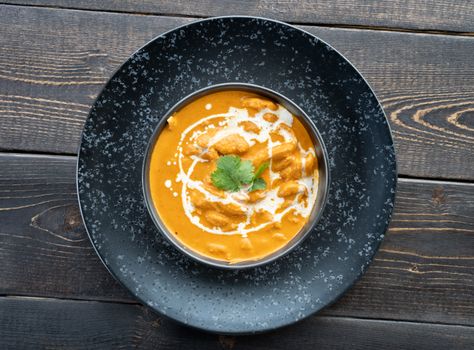
Photo: Alberta Studios / Pexels
The diets react (see scores below)
Common Ingredients
- paneer
- cashews
- heavy cream
- tomatoes
- onion
- cardamom
- saffron
- garam masala
Specific recipes may vary.
Incompatible with 7 of 11 diets
Diet Ratings
Shahi Paneer contains several keto-friendly components — paneer is high in fat and protein with negligible carbs, heavy cream is ideal for keto, and the spices add minimal carbs. However, the dish presents two notable concerns: cashews are relatively high in net carbs (~8-9g per ounce) and are often used generously in the gravy as a thickening paste, and tomatoes plus onions add moderate carbs. A standard restaurant serving could easily push 15-20g net carbs, which is borderline for strict keto. With portion control and reduced cashew quantity, it can fit within a daily keto budget, but it requires mindfulness.
Strict keto practitioners argue that the cashew-based gravy is a dealbreaker due to cashews being among the highest-carb nuts, and that restaurant portions of Shahi Paneer reliably exceed single-meal carb budgets. Some clinical keto protocols would classify this as an avoid rather than caution given the cumulative carb load from cashews, onion, and tomatoes together.
Shahi Paneer contains multiple animal-derived ingredients that are strictly excluded from a vegan diet. Paneer is a fresh dairy cheese made by curdling milk, and heavy cream is a high-fat dairy product — both are direct animal products. These are not incidental or trace ingredients; they are the foundational components of the dish. The remaining ingredients (cashews, tomatoes, onion, cardamom, saffron, garam masala) are all plant-based, but the presence of paneer and heavy cream makes this dish entirely incompatible with a vegan diet. A vegan adaptation could substitute paneer with firm tofu or a commercial vegan paneer, and replace heavy cream with cashew cream or full-fat coconut cream.
Shahi Paneer is fundamentally incompatible with the paleo diet. The primary protein, paneer, is a fresh dairy cheese, and heavy cream is also a dairy product — both are explicitly excluded under paleo rules. Dairy is one of the core exclusions across virtually all paleo frameworks, as it was not consumed by Paleolithic hunter-gatherers. While cashews, tomatoes, onion, cardamom, saffron, and garam masala are individually paleo-friendly, the two main components of this dish (paneer and heavy cream) are disqualifying non-negotiables. No amount of modification short of replacing the primary protein and sauce base would make this dish paleo-compliant.
Shahi Paneer is a rich Indian dish that presents several tensions with Mediterranean diet principles. Paneer (fresh cheese) is a dairy product, which is acceptable in moderation under Mediterranean guidelines, but the combination with heavy cream significantly increases the saturated fat load beyond what the diet typically endorses. Cashews are a positive element — nuts are encouraged — and tomatoes and onions are excellent Mediterranean-compatible vegetables. The spices (cardamom, saffron, garam masala) are neutral to positive. However, the heavy cream is the main sticking point: it replaces olive oil as the fat source and introduces substantial saturated fat in a way that contradicts the diet's core fat philosophy. The dish is not processed and contains no refined grains or added sugars, which keeps it out of the 'avoid' category, but its dairy-heaviness pushes it into cautious territory.
Some Mediterranean diet interpretations, particularly those aligned with traditional Southern European and Middle Eastern practices, are more permissive with full-fat dairy consumed occasionally. From this perspective, a cheese-and-cream dish eaten infrequently could be tolerated, with the cashews and tomatoes partially redeeming the dish's nutritional profile.
Shahi Paneer is fundamentally incompatible with the carnivore diet. While paneer and heavy cream are animal-derived dairy products, the dish is overwhelmingly plant-based in its composition. Cashews, tomatoes, onion, cardamom, saffron, and garam masala are all plant-derived and strictly excluded from any tier of carnivore eating. The dish is essentially a plant-heavy curry that happens to contain some dairy. No version of carnivore — not even the more permissive 'animal-based' approach — would accommodate this combination of vegetables, nuts, and spices as a dish.
Shahi Paneer is incompatible with Whole30 due to two excluded dairy ingredients: paneer (a fresh cheese/dairy product) and heavy cream (dairy). Whole30 excludes all dairy except ghee and clarified butter. Paneer is essentially a fresh acid-set cheese made from cow's milk, and heavy cream is a dairy fat — neither falls under the ghee/clarified butter exception. The remaining ingredients (cashews, tomatoes, onion, cardamom, saffron, garam masala) are all Whole30-compliant, but the core protein and the cream base both violate the dairy exclusion rule, making this dish firmly off-limits as traditionally prepared.
Shahi Paneer contains multiple high-FODMAP ingredients that make it unsuitable during the elimination phase. Onion is one of the highest-FODMAP foods tested by Monash University, containing significant fructans at any cooking amount used in a curry base — it cannot be portioned down to a safe level in this dish. Cashews are high-FODMAP at standard serving sizes (Monash rates ~10 cashews/15g as the low-FODMAP threshold, but curry pastes and gravies typically use far more). Paneer itself is a fresh cheese and contains lactose, though in smaller amounts than soft cheeses; at a typical main-course serving (100–150g), lactose content becomes a concern. Heavy cream is low-FODMAP at small amounts (≤2 tbsp). Tomatoes and spices like cardamom, saffron, and garam masala are generally low-FODMAP. However, the combination of onion (unavoidable fructan source) and cashews in typical cooking quantities make this dish high-FODMAP regardless of other ingredients.
Shahi Paneer is a rich, indulgent Indian dish that conflicts significantly with DASH diet principles. Paneer is a full-fat dairy cheese high in saturated fat, which DASH explicitly limits in favor of low-fat or fat-free dairy. Heavy cream adds substantial saturated fat and calories. Cashews, while nutritious, are calorie-dense and when combined with cream create a very high-fat dish. The overall macronutrient profile — dominated by saturated fat from cream and full-fat cheese — directly opposes DASH's cardiovascular-protective goals. Sodium content from paneer and spice blends (garam masala) can be moderate to high depending on preparation. While tomatoes and onions are DASH-friendly, they are minor contributors in this context. The dish's defining characteristics (heavy cream sauce, full-fat paneer, cashew paste) make it incompatible with DASH as typically prepared.
NIH DASH guidelines clearly restrict full-fat dairy and saturated fat sources like heavy cream; however, some updated clinical interpretations note that emerging research (e.g., Dehghan et al., PURE study) has questioned the link between full-fat dairy and cardiovascular harm, leading some DASH-aligned dietitians to allow occasional full-fat dairy in moderation. A modified version using low-fat paneer, reduced or eliminated cream (substituted with low-fat yogurt), and smaller cashew quantities could shift the rating to 'caution.'
Shahi Paneer presents a mixed Zone profile. Paneer is a vegetarian protein source, but it is relatively high in saturated fat compared to Zone-preferred lean proteins like tofu, egg whites, or low-fat cottage cheese. Heavy cream adds significant saturated fat, pushing the fat profile away from the preferred monounsaturated sources. Cashews, while contributing some fat, are high in carbohydrates relative to other nuts and carry a moderate glycemic load. Tomatoes and onions are Zone-favorable low-glycemic carbohydrates that add polyphenols. The spices (cardamom, saffron, garam masala) are anti-inflammatory and Zone-positive. The core problem is the combination of high saturated fat (cream + paneer) and the cashew-based sauce, which makes it difficult to hit the 40/30/30 ratio without the fat calories dominating. The dish is calorie-dense with saturated fat skewing it away from Zone ideals. It can technically be incorporated with very small portions, complemented by a large serving of low-glycemic vegetables and a lean protein boost, but as typically served it exceeds Zone fat limits and skews saturated. Vegetarian Zone practitioners sometimes rely more heavily on paneer, accepting higher saturated fat as a necessary trade-off.
In Dr. Sears' later anti-inflammatory writings, he softened his strict position on saturated fat somewhat, acknowledging that saturated fat from dairy in the context of a balanced Zone meal is less harmful than omega-6-heavy seed oils. Some Zone vegetarian practitioners treat paneer as an acceptable primary protein block since vegetarian fat blocks allow 3g fat per block rather than 1.5g (accommodating the higher fat content of vegetarian proteins). Under this framing, Shahi Paneer — with cream reduced and cashews moderated — could be managed more favorably, perhaps scoring a 5-6.
Shahi Paneer presents a mixed anti-inflammatory profile. On the positive side, tomatoes provide lycopene and antioxidants, onions contribute quercetin (a notable anti-inflammatory flavonoid), and the spice blend — cardamom, saffron, and garam masala — includes genuine anti-inflammatory compounds. Saffron in particular has demonstrated CRP-lowering effects in research, and garam masala typically contains curcumin-bearing turmeric, cloves, and cinnamon. Cashews offer some monounsaturated fats and magnesium, though they are calorie-dense. However, the dish is anchored by two strongly cautionary ingredients: paneer (a full-fat dairy cheese) and heavy cream, both high in saturated fat. Anti-inflammatory guidelines consistently place full-fat dairy in the 'limit' category due to saturated fat's association with elevated inflammatory markers, particularly at the quantities typical in Shahi Paneer, where cream is a dominant component rather than a minor accent. Paneer itself is less inflammatory than aged high-fat cheeses, and some researchers argue dairy fat is more neutral than previously thought, but heavy cream in significant amounts tips the balance. The dish is not pro-inflammatory in the way processed foods or trans fats are, but the saturated fat load from cream and paneer prevents approval.
Some anti-inflammatory practitioners — particularly those influenced by traditional Ayurvedic frameworks — consider full-fat dairy (including paneer and ghee) to be acceptable or even beneficial when consumed as part of a whole-food, spice-rich preparation, distinguishing it from ultra-processed dairy products. Mainstream anti-inflammatory guidelines (Dr. Weil, IF Rating system) consistently flag heavy cream and full-fat cheese as foods to limit, while a minority of researchers cite emerging evidence that the saturated fat-inflammation link may be overstated in the context of whole dairy foods.
Shahi Paneer is a rich, celebratory Indian dish built around ingredients that are problematic for GLP-1 patients. Heavy cream and cashews drive the fat content very high per serving, and the saturated fat load from both the cream and paneer (a full-fat fresh cheese) significantly increases the risk of nausea, bloating, and reflux — side effects that GLP-1 medications already amplify. While paneer does provide protein (~6-7g per ounce), the protein-to-fat ratio is poor compared to lean alternatives, meaning a meaningful protein contribution comes packaged with a heavy fat burden. Cashews add calories and fat with minimal fiber benefit per typical serving. The spice blend (cardamom, garam masala, saffron) is generally mild and not a major concern, and tomatoes and onion offer some fiber and micronutrients. However, the overall dish is calorie-dense, fat-heavy, and slow to digest — a difficult combination for a stomach already experiencing delayed gastric emptying on GLP-1 therapy.
Some GLP-1-aware dietitians note that paneer itself is a reasonable protein source for vegetarians with limited high-protein options, and argue that a modified version with substituted low-fat yogurt or milk instead of heavy cream could shift this dish into caution territory. Individual tolerance also varies — patients further along in their GLP-1 journey with stabilized GI side effects may tolerate moderate fat better than those in early titration phases.
*See how scores were generated at our methodology page.
Nutritional profile
Six traits that cut across every diet.
Fiber & Plants
How much whole-plant food and fiber it delivers.
Healthy Fats
The quality of its fats (unsaturated, omega-3).
Whole / Unprocessed
How close it is to its natural, unprocessed form.
Gut Gentle
How easy it is on digestion (low FODMAP, few irritants).
Low Glycemic
How little it spikes your blood sugar.
Protein Density
How much protein it packs per calorie.
Controversy Index
Higher controversy = more disagreement between diets.
Diet-Specific Tips
 Keto — 5/10
View tips
- Paneer is an excellent keto protein/fat source with near-zero net carbs
- Heavy cream aligns perfectly with keto macros
- Cashews used as gravy thickener significantly raise net carb count (~8-9g net carbs per oz)
- Onion and tomatoes contribute additional net carbs (3-5g combined in typical serving)
- Standard restaurant serving may contain 15-20g net carbs, approaching daily limits
- Homemade version can be made more keto-friendly by reducing or replacing cashews
- Spices (cardamom, saffron, garam masala) are negligible carb contributors
 Mediterranean — 4/10
View tips
- Heavy cream is high in saturated fat and not a Mediterranean-endorsed fat source
- Paneer is dairy — acceptable in moderation but not a core food
- Cashews are a Mediterranean-friendly nut and add positive value
- Tomatoes and onions are strongly Mediterranean-compatible vegetables
- No refined grains, added sugars, or processed ingredients
- Absence of olive oil — the primary fat source is replaced by cream
- Overall saturated fat load from cream + paneer combination is high for regular consumption
 Zone — 4/10
View tips
- Paneer is a high-saturated-fat protein, less ideal than Zone-preferred lean proteins (tofu, egg whites, low-fat cottage cheese)
- Heavy cream significantly increases saturated fat content, conflicting with Zone's preference for monounsaturated fats
- Cashews add carbohydrate load and are higher-GI among nuts; macadamia or almonds would be Zone-preferred
- Tomatoes and onions are Zone-favorable low-glycemic carbohydrates
- Spices (cardamom, saffron, garam masala) are anti-inflammatory and align with Sears' polyphenol emphasis
- As typically served, the fat-to-protein ratio is unfavorable for Zone block balancing
- Vegetarian Zone rules allow higher fat blocks with paneer, partially mitigating the fat concern
 Anti-Inflammatory — 4/10
View tips
- Heavy cream: high saturated fat, pro-inflammatory at significant quantities — a 'limit' ingredient per anti-inflammatory guidelines
- Paneer: full-fat dairy cheese, moderate saturated fat content, falls in 'limit' category
- Tomatoes: lycopene and antioxidants, anti-inflammatory
- Onion: quercetin and polyphenols, anti-inflammatory
- Saffron: research-supported anti-inflammatory carotenoids (crocin, safranal), associated with reduced CRP
- Garam masala/cardamom: spice blend with anti-inflammatory compounds including curcuminoids and eugenol
- Cashews: modest anti-inflammatory benefit from monounsaturated fats and magnesium, but calorie-dense
- No processed ingredients, trans fats, or refined sugars — positive baseline