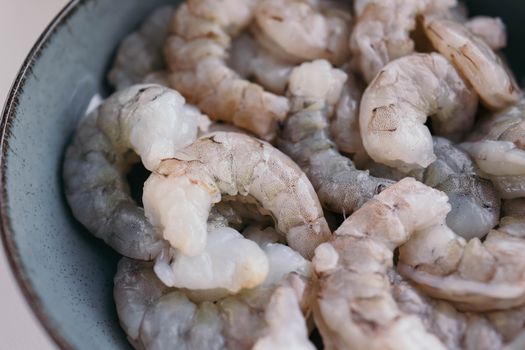
Photo: Valeria Boltneva / Pexels
American
Shrimp and Grits
The diets react (see scores below)
Common Ingredients
- shrimp
- stone-ground grits
- sharp cheddar
- bacon
- butter
- green onion
- garlic
- Cajun seasoning
Specific recipes may vary.
Incompatible with 8 of 11 diets
Diet Ratings
Shrimp and Grits is fundamentally incompatible with a ketogenic diet due to the grits, which are ground corn (a grain). A standard serving of stone-ground grits (about 1 cup cooked) contains approximately 30-38g of net carbs, easily exceeding or consuming the entire daily keto carb budget in a single dish. While the other ingredients — shrimp, cheddar, bacon, butter, garlic, and green onion — are keto-friendly or neutral, the grits are the defining, non-negotiable base of this dish and cannot be reduced to a portion small enough to make it viable. This is not a borderline case; grits are a high-glycemic grain product with no meaningful fiber offset.
Shrimp and Grits contains multiple animal products and animal-derived ingredients, making it entirely incompatible with a vegan diet. Shrimp is seafood (an animal product), bacon is pork (meat), sharp cheddar is a dairy product derived from cow's milk, and butter is an animal-derived fat also from dairy. Every primary component of this dish — the protein, the fat used for cooking, and the cheese mixed into the grits — violates vegan principles. Only the stone-ground grits, green onion, garlic, and Cajun seasoning are plant-based. There is no version of this dish that is vegan without completely replacing the shrimp, bacon, cheddar, and butter.
Shrimp and Grits contains multiple paleo-prohibited ingredients that make it clearly non-compliant. Grits are ground corn, a grain that is explicitly excluded from the paleo diet. Sharp cheddar is dairy, also excluded. Butter is dairy (though ghee is debated, butter retains milk solids and is generally not accepted). Bacon, while made from pork, is typically a processed meat with added salt, sugar, and preservatives. The shrimp, green onion, garlic, and Cajun seasoning are paleo-friendly, but the foundational ingredients — grits and cheese — are core violations. This dish cannot be adapted to paleo without fundamentally changing its identity.
Shrimp and Grits presents a mixed picture that ultimately lands outside Mediterranean diet principles. While shrimp is an excellent Mediterranean protein, the preparation undermines it significantly. Bacon is a processed red meat that Mediterranean guidelines specifically limit. Butter replaces olive oil as the primary fat, which contradicts a core principle. Sharp cheddar adds saturated fat from dairy beyond moderate levels. Stone-ground grits are a whole grain, which is a modest positive, but corn grits are not a traditional Mediterranean grain and the dish's overall fat profile is driven by butter, bacon fat, and cheese rather than olive oil. The combination of bacon, butter, and heavy cheese in a single dish represents a pattern more aligned with American Southern cooking than Mediterranean eating.
Shrimp and Grits is fundamentally incompatible with the carnivore diet. The dish's base — stone-ground grits — is a grain (ground corn), which is a plant food entirely excluded from the carnivore framework. While several ingredients are carnivore-friendly (shrimp, bacon, butter), the grits are the defining component of this dish and represent a major violation. Additionally, green onion and garlic are plant-based aromatics, and Cajun seasoning typically contains plant-derived spices and sometimes sugar. Sharp cheddar is debated within carnivore but would otherwise be the least problematic non-meat ingredient here. The dish cannot be made carnivore-compliant without fundamentally deconstructing it — removing the grits would eliminate the dish entirely.
Shrimp and Grits contains multiple excluded ingredients. Grits are made from corn, which is a grain explicitly excluded from the Whole30 program. Sharp cheddar is dairy (excluded). Butter is dairy (excluded — only ghee/clarified butter is the dairy exception). Bacon commonly contains added sugar and is therefore typically non-compliant. Even setting aside the bacon issue, the grits, cheddar, and regular butter each independently disqualify this dish.
This dish contains two high-FODMAP ingredients that are problematic at any standard serving size. Garlic is one of the highest-fructan foods on the Monash scale and must be avoided entirely during elimination phase — even small amounts used in cooking are problematic. Green onion bulbs/white parts are also high in fructans (though the green tops are low-FODMAP). Additionally, sharp cheddar is generally low-FODMAP as an aged hard cheese (lactose is minimal), grits (corn-based) are low-FODMAP, shrimp is low-FODMAP, bacon is low-FODMAP, and butter is low-FODMAP. However, the garlic alone disqualifies this dish as written. Standard Cajun seasoning blends typically contain garlic and/or onion powder, adding another high-fructan source. The combination of whole garlic, likely white parts of green onion, and garlic/onion-containing spice blend makes this dish clearly high-FODMAP during the elimination phase.
Shrimp and Grits as traditionally prepared contains multiple DASH-unfavorable ingredients that collectively make this dish incompatible with DASH guidelines. Bacon is a high-sodium, high-saturated-fat processed meat that DASH explicitly discourages. Sharp cheddar cheese is a full-fat dairy product high in saturated fat and sodium, contrary to DASH's emphasis on low-fat dairy. Butter adds saturated fat. Cajun seasoning typically contributes substantial sodium. While shrimp is a lean protein generally acceptable on DASH, and stone-ground grits are a whole grain with some merit, the combination of bacon, full-fat cheese, butter, and high-sodium seasoning creates a dish that is high in saturated fat, sodium, and cholesterol — directly opposing DASH's core principles of limiting saturated fat and sodium while emphasizing low-fat dairy and minimally processed foods.
Shrimp and Grits presents a mixed Zone profile. Shrimp is an excellent Zone protein — very lean, low in saturated fat, and easy to portion in blocks. However, the dish's other components create challenges. Stone-ground grits are a moderate-to-high glycemic carbohydrate; while stone-ground/whole grain grits have a somewhat lower GI than instant grits, they still represent a refined grain carb that Zone classifies as 'unfavorable.' Worse, this dish is carb-heavy with minimal low-glycemic vegetables — green onion provides negligible carb offset. The fat profile is problematic: butter and bacon add significant saturated fat, which Zone (especially early Sears) discourages, and sharp cheddar compounds this with both saturated fat and additional protein that can throw off block ratios. The 40/30/30 ratio would be very difficult to hit with this recipe as written — carbs from grits would dominate, fats from butter/bacon/cheese skew toward saturated, and the protein from shrimp risks being diluted by the bacon/cheese protein. To make this Zone-compatible, one would need to dramatically reduce grits quantity, eliminate or minimize bacon and butter, replace some fat with olive oil or avocado, and add colorful vegetables. As served in a traditional recipe, it lands squarely in 'caution' territory — not categorically unusable, but requiring substantial modification.
In later Zone writings and the anti-inflammatory framework, Sears acknowledges that stone-ground whole grain grits provide more fiber and polyphenols than processed grains, and a small portion could fit as a single carb block. Some Zone practitioners would argue this dish, with careful portioning (a small amount of grits, generous shrimp, and limiting bacon/butter), is workable — particularly given shrimp's excellent lean protein profile and the garlic's polyphenol contribution. The dish could score as high as 5-6 with disciplined portioning adjustments.
Shrimp and Grits presents a mixed anti-inflammatory profile. On the positive side, shrimp provides lean protein and contains some omega-3s and astaxanthin (a notable antioxidant carotenoid), garlic and Cajun seasoning (typically containing turmeric, paprika, cayenne, and other spices) contribute anti-inflammatory polyphenols, and green onions add antioxidants. Stone-ground grits are preferable to instant or refined grits as they retain more fiber and nutrients. However, the dish is significantly weighed down by several pro-inflammatory components: bacon is a processed red meat high in saturated fat and sodium, often containing nitrates/nitrites; sharp cheddar is a full-fat high-saturated-fat dairy product; and butter adds additional saturated fat. The combination of bacon, cheddar, and butter makes this dish substantially high in saturated fat, which is clearly flagged as a 'limit' category under anti-inflammatory principles. The processed nature of bacon specifically pushes toward the avoid spectrum. While shrimp and spices provide genuine anti-inflammatory value, the dish as traditionally prepared does not align well with an anti-inflammatory eating pattern. A modified version using olive oil instead of butter, omitting bacon, and reducing or replacing cheddar would significantly improve the rating.
Shrimp and grits has a genuinely split nutritional profile for GLP-1 patients. Shrimp is an excellent lean protein source — roughly 20-24g protein per 3 oz serving, very low fat, easy to digest, and nutrient-dense per calorie. However, the traditional preparation undermines those strengths significantly. Bacon adds saturated fat with minimal nutritional return, sharp cheddar contributes additional saturated fat and calories, and butter further loads the dish with fat that can worsen GLP-1 side effects like nausea, bloating, and reflux. Stone-ground grits are a modest fiber source compared to whole grain alternatives and are primarily a refined carbohydrate with limited protein density. The Cajun seasoning may also irritate some patients prone to GLP-1-related reflux or nausea, though at typical amounts used in home cooking this is a minor concern. The dish is not inherently disqualifying — the shrimp component alone would score 8-9 — but the surrounding preparation pulls the overall rating into caution territory. A modified version with reduced butter, omitted or minimized bacon, reduced cheese, and increased shrimp portion could reasonably score 6-7.
Some GLP-1-focused dietitians would argue this dish is acceptable in a reduced-portion context given shrimp's exceptional protein-to-calorie ratio, noting that the fat contributors (bacon, butter, cheddar) are small in absolute quantity if portioned carefully. Others maintain that even moderate saturated fat loads are disproportionately problematic for GLP-1 patients given slowed gastric emptying, and would recommend substituting or eliminating the high-fat components entirely before serving to this population.
*See how scores were generated at our methodology page.
Nutritional profile
Six traits that cut across every diet.
Fiber & Plants
How much whole-plant food and fiber it delivers.
Healthy Fats
The quality of its fats (unsaturated, omega-3).
Whole / Unprocessed
How close it is to its natural, unprocessed form.
Gut Gentle
How easy it is on digestion (low FODMAP, few irritants).
Low Glycemic
How little it spikes your blood sugar.
Protein Density
How much protein it packs per calorie.
Controversy Index
Higher controversy = more disagreement between diets.
Diet-Specific Tips
 Zone — 4/10
View tips
- Shrimp is an ideal Zone lean protein — low fat, easy to block
- Stone-ground grits are an 'unfavorable' carbohydrate — moderate-to-high glycemic, low fiber relative to vegetables
- Bacon adds saturated fat and disrupts fat block quality; Zone discourages saturated fat-heavy additions
- Butter further increases saturated fat, conflicting with Zone's preference for monounsaturated fats
- Sharp cheddar adds saturated fat and additional protein, complicating block ratios
- Green onion and garlic are Zone-favorable but present in negligible quantities relative to carb load
- Dish is carb-heavy with no low-glycemic vegetable base to rebalance the macro ratio
- Cajun seasoning is Zone-neutral and may contribute anti-inflammatory compounds
- Significant recipe modification required to approach 40/30/30 target
 Anti-Inflammatory — 4/10
View tips
- Shrimp provides lean protein with some omega-3s and anti-inflammatory astaxanthin
- Bacon is a processed red meat with nitrates — clearly pro-inflammatory
- Sharp cheddar and butter contribute significant saturated fat load
- Stone-ground grits are less refined than instant grits, preserving more fiber
- Garlic and Cajun spices (paprika, cayenne, thyme) offer anti-inflammatory polyphenols
- Green onions add antioxidant flavonoids
- High saturated fat combination of three sources (bacon, cheese, butter) is the primary concern
 GLP-1 Friendly — 4/10
View tips
- Shrimp is a high-quality lean protein source — strong positive
- Bacon adds saturated fat with low nutritional return — negative
- Sharp cheddar contributes additional saturated fat — negative
- Butter increases fat load and risk of nausea/reflux on GLP-1s — negative
- Stone-ground grits are low fiber and low protein relative to calorie contribution — mild negative
- Cajun seasoning may worsen reflux or nausea in sensitive patients — minor concern
- Dish is highly modifiable — removing or reducing bacon, butter, and cheese improves rating substantially
- Small portion friendliness is moderate — grits expand and can feel heavy even in small servings