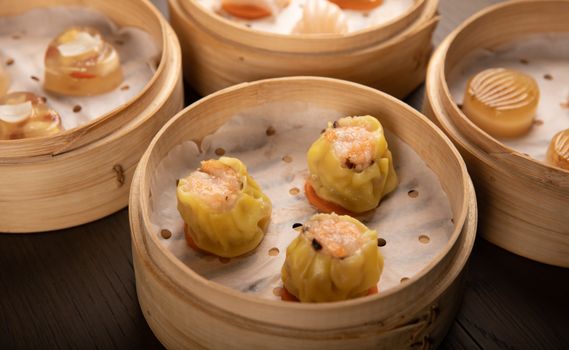
Photo: Change C.C / Pexels
Chinese
Shrimp Dumplings
The diets react (see scores below)
Common Ingredients
- shrimp
- dumpling wrappers
- bamboo shoots
- ginger
- sesame oil
- white pepper
- Shaoxing wine
- cornstarch
Specific recipes may vary.
Incompatible with 6 of 11 diets
Diet Ratings
Shrimp dumplings are fundamentally incompatible with a ketogenic diet due to their dumpling wrappers, which are made from wheat starch or all-purpose flour — a grain-based, high-carb ingredient. A standard serving of 4-6 har gow style dumplings can contain 20-30g of net carbs from the wrappers alone, potentially consuming or exceeding the entire daily carb budget. Cornstarch used as a binder adds additional net carbs. While the shrimp filling itself (shrimp, bamboo shoots, ginger, sesame oil) is relatively keto-friendly, the wrapper is the dominant component and makes this dish a keto non-starter in its traditional form. Shaoxing wine also contains residual carbohydrates. The dish as prepared offers no meaningful fat content, and its macronutrient profile is driven by refined starch.
Shrimp dumplings contain shrimp as the primary protein, which is seafood and an animal product. This is a clear and unambiguous violation of vegan dietary principles. All remaining ingredients (dumpling wrappers, bamboo shoots, ginger, sesame oil, white pepper, Shaoxing wine, cornstarch) are plant-based, but the inclusion of shrimp makes this dish entirely incompatible with a vegan diet.
Shrimp Dumplings contain multiple non-paleo ingredients that disqualify the dish entirely. Dumpling wrappers are made from wheat flour, a grain explicitly excluded from the paleo diet. Cornstarch is a processed grain-derived starch, also excluded. Sesame oil is a seed oil, which is on the avoid list. Shaoxing wine is a processed, grain-based rice wine — both the alcohol and the grain origin make it problematic. White pepper is technically paleo-acceptable, as are shrimp, bamboo shoots, and ginger, but the majority of structural and flavoring ingredients in this dish are non-compliant. This is a classic grain-based processed food preparation that fundamentally conflicts with paleo principles.
Shrimp dumplings feature shrimp as the primary protein, which aligns well with the Mediterranean diet's emphasis on seafood 2-3 times weekly. However, the dumpling wrappers are made from refined white flour, which contradicts the preference for whole grains. Sesame oil replaces olive oil as the fat source, and Shaoxing wine and cornstarch add minor concerns around processing and refined starches. The dish is not processed in an industrial sense and contains beneficial ingredients (shrimp, bamboo shoots, ginger), but the refined wrapper and non-Mediterranean fat profile prevent a full approval. As an occasional snack it is acceptable, but it is not a Mediterranean staple.
Some Mediterranean diet interpreters focus primarily on the quality of the protein source — seafood — and the absence of red meat, added sugars, or heavy saturated fats, and would consider this dish a reasonable moderate-consumption option. Others following stricter whole-grain and olive-oil-centric guidelines would rate it lower due to the refined flour wrappers and sesame oil substituting for extra virgin olive oil.
Shrimp Dumplings are fundamentally incompatible with the carnivore diet. While shrimp itself is an approved animal protein, the dish is dominated by plant-based and processed ingredients. Dumpling wrappers are made from wheat flour — a grain and a core exclusion on any carnivore protocol. Bamboo shoots are a plant vegetable, also excluded. Cornstarch is a plant-derived starch used as a binder. Shaoxing wine is a fermented grain alcohol — plant-derived and processed. Sesame oil is a plant oil, explicitly excluded. Ginger and white pepper are plant-based spices, excluded on strict carnivore. The only carnivore-compliant ingredient is the shrimp itself. Every other component violates carnivore principles, making this dish essentially a plant-and-grain dish with shrimp filling.
Shrimp dumplings contain multiple Whole30-excluded ingredients. Dumpling wrappers are made from wheat flour, which is a grain and explicitly excluded. Shaoxing wine is an alcohol, also excluded. Cornstarch is explicitly listed as an excluded ingredient on Whole30. Any one of these three ingredients alone would disqualify this dish, and all three are present simultaneously. Even setting aside the wrapper, this dish would still fail due to the alcohol and cornstarch. There is no compliant substitution path that would still produce 'shrimp dumplings' as traditionally understood.
The primary FODMAP concern in shrimp dumplings is the dumpling wrapper. Traditional Chinese dumpling wrappers are made from wheat flour, which is high in fructans — a key FODMAP that must be avoided during the elimination phase. Shrimp itself is a pure protein and is low-FODMAP. Bamboo shoots are low-FODMAP at standard servings. Ginger, sesame oil, white pepper, and cornstarch are all low-FODMAP. Shaoxing wine contains minimal FODMAPs at typical culinary amounts. However, the wheat-based wrappers are a dealbreaker: each dumpling contains a full wheat wrapper, and consuming 3–6 dumplings (a standard snack serving) delivers a significant fructan load. There is no realistic way to eat shrimp dumplings as normally prepared without triggering a high-FODMAP intake from the wrappers alone.
Shrimp dumplings (har gow style) feature shrimp as a lean protein source, which aligns well with DASH principles. Bamboo shoots and ginger are low-sodium, nutritious ingredients. However, several factors push this into 'caution' territory. Dumpling wrappers are refined white flour (not whole grain), offering little fiber. Sesame oil, while unsaturated and acceptable, adds calories. Shaoxing wine and the dipping sauces typically served alongside (soy sauce) introduce moderate-to-high sodium. Shrimp itself is naturally higher in dietary cholesterol and sodium compared to other lean proteins. The dish is not inherently high in saturated fat or added sugar, but the refined carbohydrate wrapper, natural shrimp sodium content (~200mg per 3oz), and likely dipping sauce accompaniments make this acceptable only in moderation rather than a core DASH staple. As a snack portion (3-4 dumplings), sodium can be kept manageable if dipping sauces are avoided or minimized.
NIH DASH guidelines emphasize whole grains and low-sodium foods, placing refined-wrapper dumplings and higher-sodium proteins like shrimp in a moderate-use category. However, some updated clinical interpretations note that shrimp's cholesterol content is less of a cardiovascular concern per the 2020-2025 Dietary Guidelines, and that a small portion of shrimp dumplings without added soy sauce can fit within DASH sodium limits, making them more permissible than a strict reading of DASH would suggest.
Shrimp dumplings present a mixed Zone picture. The protein source — shrimp — is excellent: lean, low-fat, and easy to portion into Zone blocks (~7g protein per block). Bamboo shoots are a favorable low-glycemic vegetable. However, the dumpling wrappers are made from refined wheat flour, a higher-glycemic carbohydrate that Zone classifies as 'unfavorable.' Cornstarch used as a binder adds additional refined starch. Sesame oil is a moderate concern: it provides some beneficial fatty acids but is higher in omega-6 than the monounsaturated fats Zone prefers (olive oil, avocado). Shaoxing wine adds negligible carbs in typical cooking quantities. The fat content is relatively low overall (sesame oil is used sparingly), which may actually make it harder to hit the 30% fat target without supplementing with a monounsaturated fat side. In practical Zone terms, a small portion of 3–4 dumplings could fit as a snack block with careful portioning — the shrimp provides clean protein, and the wrapper carbs are countable net carbs — but the refined flour wrappers and omega-6 sesame oil prevent a higher score.
Some Zone practitioners applying Sears' later anti-inflammatory framework (Toxic Fat, The Zone Diet and Its Anti-Inflammatory Effects) would rate this slightly lower due to the omega-6 load from sesame oil combined with refined starch wrappers, which can promote an inflammatory eicosanoid response. Conversely, strict block-counters who focus purely on the 40/30/30 ratio may accept small portions as a workable snack if they balance the meal with added monounsaturated fat and account for the wrapper carbs in their block math.
Shrimp dumplings present a mixed anti-inflammatory profile. On the positive side, shrimp provides lean protein and contains some omega-3 fatty acids (though less than fatty fish), along with astaxanthin, a potent carotenoid antioxidant. Ginger is a well-established anti-inflammatory spice with gingerol compounds that inhibit NF-κB and COX-2 pathways. Bamboo shoots offer fiber and some phytonutrients. Sesame oil in small culinary amounts is acceptable, though its omega-6 content is noted. On the cautionary side, dumpling wrappers are made from refined white flour — a refined carbohydrate that the anti-inflammatory framework recommends limiting, and the primary reason this dish doesn't reach 'approve' territory. Cornstarch adds further refined starch. Shaoxing wine contributes a modest amount of alcohol, which is neither red wine nor particularly beneficial in this context, though the culinary quantity is minimal. White pepper is benign and may have mild anti-inflammatory properties. The overall dish is not inherently pro-inflammatory — it's a whole-food-forward preparation with lean seafood and anti-inflammatory spices — but the refined wrapper base and starchy binders keep it in the 'caution' zone. Steamed preparation (as typical for har gow-style dumplings) is preferable to fried.
Some anti-inflammatory practitioners would rate this more favorably, noting that shrimp's astaxanthin and ginger's gingerols provide meaningful anti-inflammatory benefit, and that refined flour in small dumpling-wrapper quantities is a minor concern in an otherwise clean dish. Conversely, strict anti-inflammatory protocols following Dr. Weil's emphasis on whole grains over refined flour would highlight the wrapper as a meaningful drawback, especially for those managing chronic inflammation or blood sugar regulation.
Shrimp dumplings (har gow style) offer a lean, easily digestible protein source in shrimp, which is low in fat and relatively high in protein per calorie. However, the dumpling wrappers are made from refined starch (typically wheat or tapioca-based), adding refined carbohydrates with minimal fiber or nutritional density. The small amount of sesame oil adds some unsaturated fat, and Shaoxing wine is present in trace amounts after cooking. Portion size is favorable — dumplings are naturally small-serving foods. The primary drawback is the low fiber content and reliance on refined starch wrappers, which reduce nutrient density per calorie. GI tolerability is generally good given the steamed preparation and lean protein, making this meaningfully better than fried dim sum options. As a snack, it can contribute modestly to protein goals but should be paired with higher-fiber foods to round out the meal nutritionally.
Some GLP-1-focused dietitians would rate this more favorably, emphasizing the lean shrimp protein, low fat content, and easy digestibility of steamed dumplings as a practical real-world food choice. Others would flag the refined starch wrapper and near-zero fiber as a missed opportunity for nutrient density in a patient with a significantly reduced caloric budget, particularly if dumplings displace higher-protein, higher-fiber options.
*See how scores were generated at our methodology page.
Nutritional profile
Six traits that cut across every diet.
Fiber & Plants
How much whole-plant food and fiber it delivers.
Healthy Fats
The quality of its fats (unsaturated, omega-3).
Whole / Unprocessed
How close it is to its natural, unprocessed form.
Gut Gentle
How easy it is on digestion (low FODMAP, few irritants).
Low Glycemic
How little it spikes your blood sugar.
Protein Density
How much protein it packs per calorie.
Controversy Index
Higher controversy = more disagreement between diets.
Diet-Specific Tips
 Mediterranean — 5/10
View tips
- Shrimp is an encouraged seafood protein aligned with Mediterranean guidelines
- Dumpling wrappers are made from refined white flour, not a whole grain
- Sesame oil rather than extra virgin olive oil is used as the primary fat
- Bamboo shoots and ginger are plant-based ingredients that add nutritional value
- No red meat, added sugars, or heavily processed ingredients
- Non-Mediterranean cuisine origin means it lacks traditional dietary context
 DASH — 5/10
View tips
- Shrimp is a lean protein but naturally contains moderate sodium (~180-200mg per 3oz) and higher dietary cholesterol
- Dumpling wrappers are made from refined white flour, not whole grain — low in fiber
- No added salt in the listed ingredients, keeping intrinsic sodium relatively controlled
- Sesame oil is an unsaturated fat, acceptable in small amounts under DASH
- Bamboo shoots are a DASH-friendly low-calorie vegetable
- Shaoxing wine adds minimal sodium in cooking quantities
- Typical dipping sauces (soy sauce) served with dumplings are high-sodium and not listed — a significant real-world concern
- Portion control is key: 3-4 dumplings as a snack is manageable; larger servings increase sodium and refined carb load
 Zone — 5/10
View tips
- Shrimp is a lean, Zone-favorable protein source
- Dumpling wrappers use refined wheat flour — an 'unfavorable' high-glycemic carb in Zone terminology
- Cornstarch adds additional refined starch to the carb load
- Sesame oil is omega-6 dominant, conflicting with Zone's preference for monounsaturated and omega-3 fats
- Bamboo shoots are a low-glycemic, Zone-favorable vegetable
- Small portion (3–4 dumplings) can be block-counted as a snack but requires careful macro tracking
- Fat content is low overall, requiring supplementation to hit Zone's 30% fat target
 Anti-Inflammatory — 5/10
View tips
- Shrimp provides lean protein and astaxanthin (anti-inflammatory carotenoid)
- Ginger is a well-supported anti-inflammatory spice (gingerols, COX-2 inhibition)
- Dumpling wrappers are refined white flour — a pro-inflammatory refined carbohydrate
- Cornstarch adds additional refined starch with no anti-inflammatory benefit
- Sesame oil contributes omega-6 fatty acids, acceptable in small culinary doses
- Shaoxing wine contributes minimal alcohol — neutral at culinary quantities
- Steamed preparation avoids added fats from frying, a meaningful positive
- Bamboo shoots add modest fiber and phytonutrients
 GLP-1 Friendly — 5/10
View tips
- Shrimp is a lean, low-fat protein source supportive of GLP-1 protein goals
- Refined starch dumpling wrappers contribute calories with minimal fiber or micronutrient value
- Steamed preparation avoids the high-fat, fried concerns associated with other dim sum
- Sesame oil is an unsaturated fat used in small quantities — not a significant concern
- Trace Shaoxing wine in cooking is not a meaningful alcohol concern post-preparation
- Low fiber content does not support the 25-30g daily fiber target for GLP-1 patients
- Small, portion-friendly format aligns well with reduced appetite on GLP-1 medications
- Best consumed as part of a meal or snack that includes fiber-rich vegetables or legumes