Photo: Deane Bayas / Pexels
American
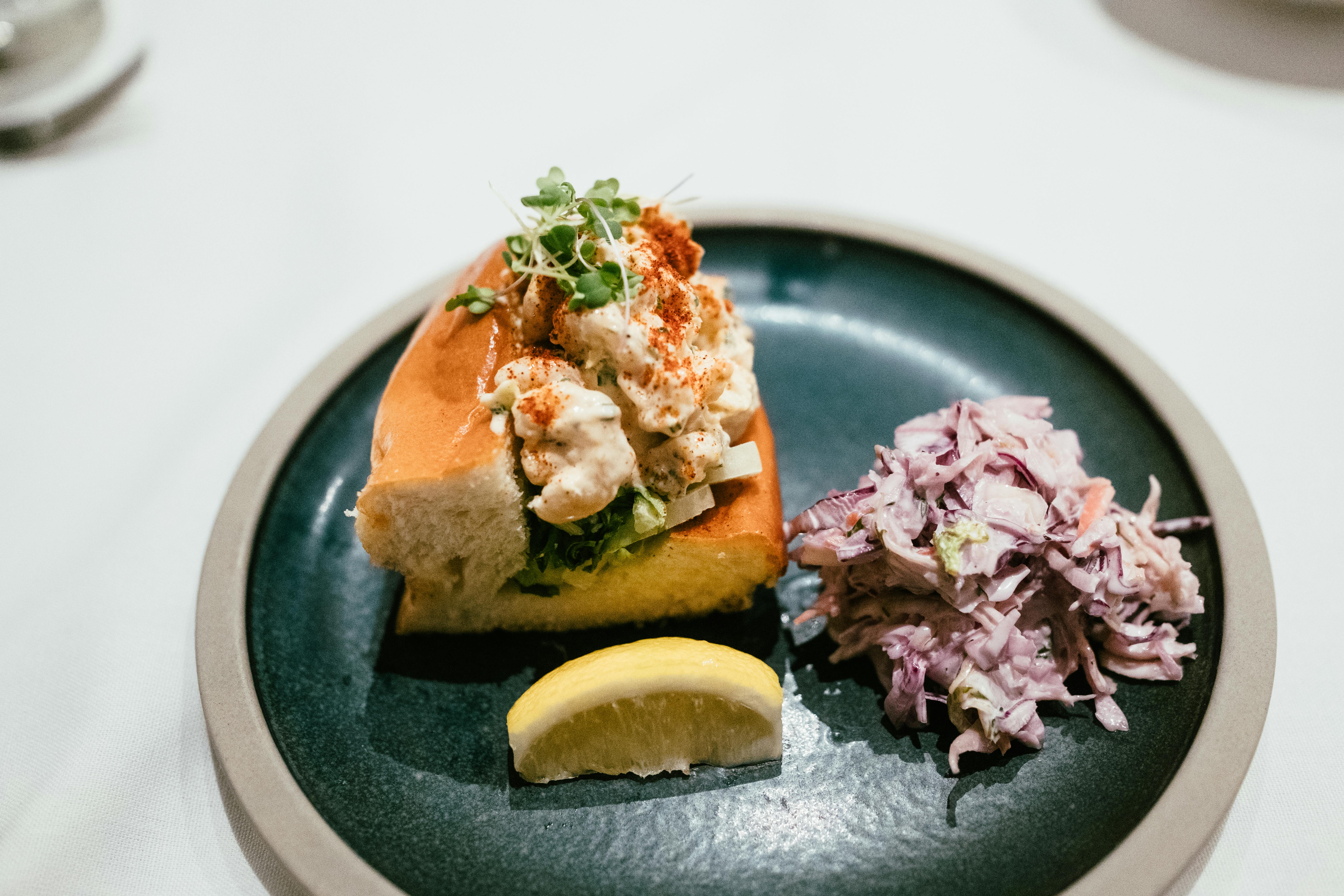
Shrimp Po'Boy
The diets react (see scores below)
Common Ingredients
- shrimp
- cornmeal
- French baguette
- lettuce
- tomato
- pickles
- remoulade sauce
- Cajun seasoning
Specific recipes may vary.
Incompatible with 9 of 11 diets
Diet Ratings
The Shrimp Po'Boy is fundamentally incompatible with a ketogenic diet. The French baguette alone contains roughly 40-60g of net carbs per serving, immediately exceeding or maxing out the entire daily carb allowance. The cornmeal breading on the shrimp adds additional net carbs (approximately 10-15g per serving). Together, these two grain-based components make this dish a near-complete keto disqualifier. The remoulade sauce may also contain sugar or starchy thickeners. While shrimp itself is an excellent keto protein, and lettuce, tomato, and pickles are relatively benign in small quantities, the structural components of this sandwich — the baguette and cornmeal coating — are high-carb grains with zero fiber offset sufficient to bring net carbs into acceptable range.
Shrimp Po'Boy is definitively non-vegan. Shrimp is seafood — an animal product — and serves as the primary protein and defining ingredient of this dish. Additionally, traditional remoulade sauce typically contains mayonnaise, which is made from eggs, adding a second animal-derived ingredient. There is no ambiguity here: this dish cannot be considered vegan in any mainstream or fringe interpretation of the diet.
The Shrimp Po'Boy is fundamentally incompatible with the Paleo diet. The French baguette is made from wheat flour, a grain explicitly excluded from Paleo. Cornmeal is also a grain (corn), making it a second strike. Remoulade sauce typically contains mayonnaise (which may include non-Paleo seed oils), mustard, and other additives, and pickles often contain added salt and vinegar-based preservatives. Cajun seasoning frequently contains added salt. While shrimp, lettuce, and tomato are individually Paleo-approved, the foundational elements of this dish — the bread and cornmeal coating — are clear violations with no ambiguity in the Paleo community.
While shrimp is an excellent Mediterranean protein source (encouraged 2-3 times weekly), the preparation and delivery vehicle undermine Mediterranean principles significantly. The French baguette is a refined white bread with little fiber or nutritional density, far from the whole grain breads favored in Mediterranean eating. The cornmeal breading on the shrimp implies deep-frying, a high-calorie cooking method using unspecified oils rather than olive oil. Remoulade sauce is typically mayonnaise-based, adding saturated fat from a non-olive-oil source. Together, these elements — refined bread, fried preparation, and mayo-based sauce — place this dish firmly outside Mediterranean dietary patterns despite its healthy protein core.
Some Mediterranean diet interpreters might score this higher (caution range) by focusing on the shrimp as the centerpiece and acknowledging that lettuce and tomato add plant components. If the shrimp were grilled rather than fried and the sauce olive-oil-based, the dish could be partially rehabilitated, suggesting the concept rather than the execution is the problem.
The Shrimp Po'Boy is fundamentally incompatible with the carnivore diet. While shrimp is an acceptable animal protein, it is surrounded by a host of plant-based and processed ingredients that disqualify this dish entirely. The French baguette is a grain-based bread, cornmeal is a grain used as breading, lettuce and tomato are vegetables, pickles are plant-derived, remoulade sauce typically contains plant oils, mustard, and other plant ingredients, and Cajun seasoning is a plant-based spice blend. The only carnivore-compatible element is the shrimp itself. This dish is a classic example of a predominantly plant and grain-based meal with animal protein as a secondary component.
The Shrimp Po'Boy contains multiple Whole30-excluded ingredients. The French baguette is a grain-based bread product, which is excluded under the grains rule (wheat). Even beyond grains, the program explicitly prohibits recreating bread-based foods like sandwiches and wraps. Cornmeal used as a coating is also a grain (corn) and is excluded. Remoulade sauce typically contains dairy and/or added sugar, making it non-compliant in its standard form. These are not edge cases — bread and corn are unambiguously excluded, and a sandwich by definition violates the program's no-bread rule.
The Shrimp Po'Boy contains several high-FODMAP ingredients that make it unsuitable during the elimination phase. The French baguette is the primary concern — traditional baguettes are made from wheat flour, which is high in fructans and a major FODMAP trigger. This alone disqualifies the dish. Remoulade sauce is also problematic, as commercial versions typically contain garlic and onion (both high-fructan ingredients), and sometimes high-fructose additives. Cajun seasoning blends commonly contain garlic powder and onion powder, which are concentrated sources of fructans. Pickles in commercial preparations may contain garlic as well. The shrimp itself is low-FODMAP, as is cornmeal (at moderate servings), lettuce, and tomato (at standard servings of about 1 slice/65g). However, the bread, sauce, and seasoning together create multiple high-FODMAP exposures that cannot be easily mitigated in a standard restaurant or home preparation of this dish.
Monash University has not specifically tested all remoulade sauce formulations or Cajun seasoning blends, so FODMAP content can vary by recipe. Some clinical FODMAP practitioners note that homemade versions using garlic-infused oil instead of garlic, onion-free seasoning, and a gluten-free baguette substitute could make this dish low-FODMAP — but the standard restaurant version as described would be considered high-FODMAP by most elimination-phase protocols.
The Shrimp Po'Boy as commonly prepared presents multiple significant conflicts with DASH diet principles. The French baguette is a refined white bread with negligible fiber, not a whole grain. Remoulade sauce is typically high in sodium, saturated fat (from mayonnaise), and calories. Cajun seasoning is notoriously high in sodium, and pickles add further substantial sodium load. Fried or breaded shrimp (cornmeal-coated) adds saturated fat and calories compared to plain shrimp. The cumulative sodium from the baguette, Cajun seasoning, pickles, and remoulade sauce likely pushes a single serving well above 1,500–2,000mg of sodium, potentially exceeding even the standard DASH daily sodium ceiling of 2,300mg in one meal. While shrimp itself is lean protein and lettuce/tomato are DASH-friendly vegetables, these positives are overwhelmed by the high-sodium, refined-grain, and high-fat components. This dish as traditionally prepared is not compatible with the DASH eating plan.
The Shrimp Po'Boy presents significant Zone Diet challenges primarily due to its structural carbohydrate base. The French baguette is a high-glycemic, refined white flour bread — exactly the type of 'unfavorable' carbohydrate Dr. Sears consistently flags in his published materials. A standard po'boy baguette roll delivers roughly 45-60g of high-GI carbs, making it nearly impossible to balance into a proper 40/30/30 Zone ratio without dramatically reducing the bread portion to a few bites. Shrimp itself is an excellent Zone protein — very lean, low in fat, and easily portioned into blocks (7 large shrimp ≈ 1 protein block). The lettuce, tomato, and pickles are favorable low-glycemic Zone carb contributors. Cornmeal breading adds moderate-GI carbs and some fat but is manageable in small quantities. The remoulade sauce is the secondary concern — typically mayonnaise-based, it introduces saturated and omega-6-heavy fats rather than the preferred monounsaturated fats. In its traditional full-sized form, this sandwich is carb-heavy and fat-imbalanced relative to Zone targets. However, if deconstructed — shrimp over a salad with baguette croutons or a half-portion of bread — it can be restructured into a Zone-compatible meal. The core issue is the baguette dominates the macro profile in a way that breaks the Zone ratio severely.
The Shrimp Po'Boy has a mixed anti-inflammatory profile. On the positive side, shrimp is a lean protein with modest omega-3s and astaxanthin (a potent antioxidant carotenoid), lettuce and tomato provide antioxidants including lycopene and vitamins C and K, and Cajun seasoning typically includes anti-inflammatory spices like paprika, garlic, cayenne, and oregano. However, the dish has meaningful inflammatory liabilities. The French baguette is a refined white bread — a high-glycemic refined carbohydrate that can spike blood sugar and promote inflammatory signaling. Cornmeal breading (especially if deep-fried, as is traditional) adds more refined carbohydrate and typically involves frying in vegetable/seed oils high in omega-6 fatty acids, which is a significant concern in anti-inflammatory frameworks. Remoulade sauce is typically mayonnaise-based (usually made with soybean or canola oil), adding further omega-6 load and often containing additives. Pickles are generally neutral to mildly positive (fermented varieties add probiotics) but commercial pickles often contain additives. The overall dish is a classic example of a nutritionally mixed meal: beneficial core protein and vegetables wrapped in a pro-inflammatory delivery vehicle of refined bread, fried coating, and high-omega-6 condiment.
Most anti-inflammatory protocols would flag the refined baguette and fried breading as problematic. However, some practitioners note that shrimp's astaxanthin content and the anti-inflammatory spice blend in Cajun seasoning offer partial offset, and that occasional consumption of mixed dishes like this within an otherwise anti-inflammatory diet is considered acceptable in the more flexible Dr. Weil framework. The degree of concern also depends heavily on preparation: baked or air-fried shrimp on a whole-grain bread with an olive oil-based remoulade would shift this meaningfully toward 'approve.'
A traditional Shrimp Po'Boy is fundamentally incompatible with GLP-1 dietary guidelines in its standard preparation. The shrimp are cornmeal-battered and deep-fried, which significantly increases fat content and reduces digestibility — a known trigger for nausea, bloating, and reflux in GLP-1 patients. The French baguette is a refined white bread with minimal fiber and low nutrient density per calorie, occupying stomach space that should be reserved for protein and fiber-rich foods. Remoulade sauce is mayonnaise-based, adding saturated fat and empty calories with negligible nutritional value. While shrimp itself is an excellent high-protein, low-fat food, the preparation method here negates those benefits entirely. The Cajun seasoning adds spice that may worsen GI side effects for sensitive patients. The lettuce, tomato, and pickles contribute minimal nutritional redemption given the surrounding components. The large baguette format is also poorly suited to the small-portion eating pattern recommended for GLP-1 patients.
*See how scores were generated at our methodology page.
Nutritional profile
Six traits that cut across every diet.
Fiber & Plants
How much whole-plant food and fiber it delivers.
Healthy Fats
The quality of its fats (unsaturated, omega-3).
Whole / Unprocessed
How close it is to its natural, unprocessed form.
Gut Gentle
How easy it is on digestion (low FODMAP, few irritants).
Low Glycemic
How little it spikes your blood sugar.
Protein Density
How much protein it packs per calorie.
Controversy Index
Higher controversy = more disagreement between diets.
Diet-Specific Tips
 Zone — 4/10
View tips
- French baguette is high-glycemic refined white bread — a classic 'unfavorable' Zone carbohydrate
- Shrimp is an ideal Zone lean protein, easily block-portioned
- Cornmeal breading adds moderate-GI carbs and disrupts clean protein block counting
- Remoulade sauce introduces mayonnaise-based omega-6 fats rather than preferred monounsaturated fats
- Lettuce, tomato, and pickles are favorable low-glycemic Zone carb contributors
- Traditional portion size makes 40/30/30 ratio nearly unachievable without bread reduction
- Deconstruction or open-faced modification could significantly improve Zone compatibility
 Anti-Inflammatory — 4/10
View tips
- Shrimp provides lean protein and astaxanthin (anti-inflammatory carotenoid) with modest omega-3s
- French baguette is a refined, high-glycemic carbohydrate — a core anti-inflammatory concern
- Traditional cornmeal breading and deep-frying in seed oils adds significant omega-6 fatty acid load
- Remoulade sauce is typically mayo-based (soybean/canola oil) — high in omega-6, often with additives
- Cajun seasoning includes beneficial anti-inflammatory spices (garlic, cayenne, paprika, oregano)
- Lettuce and tomato provide antioxidants and lycopene
- Overall dish is a pro-inflammatory preparation of otherwise moderately healthy ingredients